Last updated November 18, 2026




Free written scope consultation - allowances, timeline, and change-order rules on paper before a single trade is scheduled
DIY vs Professional Home Remodeling: What’s Safe to Do Yourself
A Grand Prairie homeowner who self-installed a bathroom exhaust fan saved $180 in labor. When they sold the house, the inspector flagged the unpermitted electrical work, and they spent $1,400 to bring it to code, plus nine days of delayed closing. The savings math on DIY is usually wrong, and not because homeowners lack skill. It’s because the decision isn’t really about whether you can swing a hammer. It’s about permit exposure and hidden liability, the two costs that don’t show up in a YouTube tutorial. This guide draws the line at exactly the point where a failed inspection or unpermitted work starts eating your resale value, and we’ll show you where the City of Grand Prairie actually sets that line.
Quick Answer
Painting, caulking, swapping finish hardware, and minor trim work are genuinely safe to self-perform. Anything that touches electrical circuits, plumbing rough-in, structural framing, gas lines, or requires a City of Grand Prairie permit belongs in the hands of a licensed professional. The deciding factor isn’t your skill level, it’s whether the work creates permit exposure or insurance liability that follows the house after you sell it.
Styles & brands we work with
- Kitchen remodeling
- Bathroom remodeling
- Home additions & ADU
- Roofing
- Windows & doors
- Driveway & pavers
- Fence
Table of Contents
- The Three Legal Categories of Home Work
- Grand Prairie Permit Thresholds: Where the Line Actually Is
- What Unpermitted Work Does to Your Insurance Claim
- The Hidden Cost of DIY Remediation
- The Safe-DIY Skill and Tool Checklist
- How DIY Mistakes Kill Resale Value in Grand Prairie
- Why Code Inspections Matter More Than the Work Itself
- When Hiring a Pro Is the Only Rational Choice
The Three Legal Categories of Home Work
Most DIY advice lumps everything into “easy” or “hard.” That’s the wrong axis. The right one is legal exposure, and it splits home work into three distinct buckets that each carry different consequences.
Category 1: Permit-required work. This is work the City of Grand Prairie requires a permit for, and it almost always requires a licensed tradesperson to perform. New electrical circuits, panel changes, gas line work, plumbing relocations, and structural changes all land here. Doing this yourself without a license and permit is not just risky, it’s a code violation that can be flagged at inspection or sale.
Category 2: Permit-optional but inspection-risky. Some work doesn’t always trigger a permit but touches systems an inspector will scrutinize. Replacing a toilet, swapping a light fixture on an existing circuit, or installing a new sink are examples. You might legally be allowed to do them as a homeowner, but if you get something wrong, the correction cost is real and the record of the mistake can follow the house.
Category 3: Owner-safe. Painting, caulking, swapping cabinet hardware, refacing trim, replacing a faucet on an existing supply line, hanging shelves, and similar cosmetic or minor-fixture work. No permit, no licensing, no inspection risk when done with reasonable care.
In our experience across Grand Prairie, most DIY disasters happen when a homeowner treats a Category 2 job like a Category 3 job. A toilet swap seems like a Category 3 task until the flange is cracked and the subfloor is wet.
Grand Prairie Permit Thresholds: Where the Line Actually Is
Vague advice like “check with your city” is useless. Here’s how to approach the actual thresholds in Grand Prairie, and what those thresholds mean for your project.
Permits are generally required in Grand Prairie for:
- Any new electrical circuit or panel work
- New plumbing supply or drain lines, or relocation of existing fixtures that changes the drain path
- Structural changes: removing or modifying load-bearing walls, adding headers, framing new openings
- New construction, additions, and any project that changes the footprint of the home
- Gas line installations or modifications
- Roof replacements and major exterior structural work
Permits are typically not required for:
- Interior painting
- Cabinet hardware and fixture swaps that don’t alter plumbing or electrical
- Cosmetic flooring replacement on an existing subfloor
- Caulking and weatherstripping
- Trim, baseboard, and finish carpentry that doesn’t touch structure
The line to remember: if your project touches a system that could hurt someone or bring down a wall, assume it needs a permit. If it doesn’t, and it’s cosmetic, you can usually do it safely. When in doubt, call the City of Grand Prairie permit office and describe the work in plain language. A five-minute call is cheaper than a $1,400 remediation.
If you’re planning a project that lands squarely in Category 1, our General Contractor in Grand Prairie team handles permits and inspections as part of the standard scope, so you’re not guessing at thresholds.
What Unpermitted Work Does to Your Insurance Claim
This is the part most homeowners never hear about until it’s too late. If unpermitted work is later tied to a loss, your homeowner’s insurance carrier may deny the claim or reduce the payout.
Here’s how that plays out. Suppose a homeowner installs a new electrical outlet in a home office without a permit or an inspection. Two years later, a fire starts at that outlet. The insurance adjuster investigates, sees no permit on record, and the question becomes: was the work done to code? If the carrier can establish that the fire was caused by non-compliant work, the claim can be contested. In a serious loss, that can mean tens of thousands of dollars out of pocket, and in some cases the carrier can cancel the policy at renewal.
The same logic applies to plumbing. An unpermitted supply line that fails and floods a kitchen can turn a covered water-damage claim into a disputed one. Water damage in Grand Prairie is a common claim already, especially during the spring storm season when the soil shifts and older supply lines get stressed.
Insurance carriers don’t care about your skill. They care about whether the work was documented, permitted, and inspected. That’s the paper trail that protects both the house and the claim.
The Hidden Cost of DIY Remediation
Here’s a scenario we’ve seen more than once in Grand Prairie. A homeowner starts a kitchen tile job themselves, gets about 60% in, realizes the substrate (the underlayment the tile sits on) wasn’t prepped correctly, and decides to call a contractor to finish. The contractor’s quote includes a line item you didn’t expect: demo and substrate correction, often $600 to $1,200 depending on the size of the kitchen, because the new work can’t be built on top of a failing base.
That labor is real and it isn’t negotiable. No responsible contractor will tile over a bad substrate, because the warranty doesn’t hold if the base fails, and the job has to be redone anyway.
The pattern repeats with electrical. A homeowner adds an outlet, then hires an electrician to add three more. The electrician discovers the first outlet wasn’t on a proper circuit, and the correction work shows up as a separate line item. Same with plumbing: a homeowner replaces a sink and faucet, brings in a plumber later for something else, and the plumber catches that the supply connection is hand-tightened and leaking into the cabinet.
The lesson isn’t “never DIY.” It’s that partial DIY has a hidden remediation tax, and you only find out about it after the fact. A written price before work begins, which is standard at Bradford Remodeling Co Grand Prairie, includes the correction scope if any is needed, so nobody gets surprised at the door.
The Safe-DIY Skill and Tool Checklist
If you’re going to take on a project yourself, run it against this checklist. If you can’t answer “yes” to every item, that’s your signal to hire out.
- Does the task touch a system that could hurt someone? Electrical, gas, structural, plumbing rough-in. If yes, hire out. No exceptions.
- Do you have the right tools, or the budget to buy them? A quality brush set, a caulking gun, a trim puller, a 4-foot level, and a decent stud finder are the foundation. If a project requires a specialty tool you’ll use once, the tool cost often cancels the labor savings.
- Can you stop and call for help mid-project without losing the investment? Painting can be paused. A half-tiled shower cannot.
- Is the work visible and cosmetic? If yes, it’s usually safe. If it’s behind a wall or under a floor, assume an inspector will find mistakes eventually.
- Do you know the code requirement for the task in Grand Prairie? If you don’t, and the task is in Category 1 or 2, hire out.
- Is the surface or substrate in good condition? Old drywall, failing caulk lines, and uneven floors all need correcting before finish work starts.
For genuinely owner-safe tasks, here’s what a realistic afternoon of DIY looks like in Grand Prairie: painting a bedroom (2 gallons of quality paint, a roller set, blue tape), swapping cabinet hardware (screwdriver, drill, a Moen or Kohler fixture set if you’re upgrading a faucet), and re-caulking a bathtub surround. Those three projects together are about $300 in materials and a Saturday, and the risk of a bad outcome is close to zero.
Beyond that list, the ground gets shakier fast. If your project is a full bathroom refresh, see our Bathroom Remodeling in Grand Prairie breakdown of what falls in scope.
How DIY Mistakes Kill Resale Value in Grand Prairie
Grand Prairie has a competitive resale market, and buyers here are sharper than they used to be. They get an inspection, they ask for the permit record, and they price the corrections into their offer.
The three most common DIY corrections that show up on Grand Prairie inspection reports:
- Unpermitted electrical work. Open junctions, missing junction boxes, and improper grounding. Correction runs $400 to $1,200 typically, plus the delay on closing.
- Unpermitted plumbing changes. Improper venting and improper slope on drain lines. Correction runs $500 to $1,500, sometimes more if the work is behind a finished wall.
- Failed tile and flooring due to bad substrate prep. Shows up as hollow-sounding spots, cracked grout, and lippage (uneven tile edges). Correction runs $800 to $2,500 depending on the square footage.
The wider problem isn’t just the correction cost. It’s the negotiating leverage. Once an inspector flags work, the buyer knows and the seller is on defense. A house that closes clean sells for what it’s worth. A house that closes with a flag sells for less, and the seller pays for the correction on top of it.
Why Code Inspections Matter More Than the Work Itself
The most important thing about permitted work isn’t the work. It’s the document trail. A city inspector signs off on the permit, the record shows the work was done to code, and that record travels with the house.
That record is what your insurance carrier accepts. It’s what the next buyer’s inspector accepts. It’s what the next contractor accepts when they’re quoting an addition or a renovation. Without it, the whole chain of trust breaks down, and every future project includes an asterisk.
This is also why “I’ll do it and have a friend inspect it” doesn’t work. A friend’s inspection has no legal weight. An inspector’s sign-off does. In Grand Prairie, that sign-off is what makes the work real in the eyes of a buyer, a lender, and an insurance company.
The Garrison Standard that Bradford Remodeling Co Grand Prairie is held to puts permits and inspections in writing before work starts, so the record exists from day one and the 365-Day Done Right Promise has a real foundation to stand on.
When Hiring a Pro Is the Only Rational Choice
There are four scenarios where hiring a pro is the only sensible call:
- Any structural work. Wall removal, beam installation, framing changes, foundation work. The risk of failure is catastrophic and the permit is mandatory.
- Anything that touches a system with a code-required inspection. Electrical, plumbing, HVAC, and gas. No exception, no workaround.
- Kitchen and bathroom remodels. Not because every task in the room is dangerous, but because the sequencing is where DIY fails. A kitchen remodel involves plumbing, electrical, cabinetry, countertops, and finish work that all interlock; getting one wrong forces rework on the others. See our Kitchen Remodeling in Grand Prairie page for the sequence we follow.
- Whole-home renovations or any work that spans more than one room. The coordination cost alone usually exceeds the labor savings.
If your project lands in any of those, the decision isn’t DIY vs pro. It’s which pro. The bet is whether the pro shows up, quotes a price in writing, and stands behind the work for a full year. That’s the case the 365-Day Done Right Promise and the written price commitment are built for, and it’s why we hold to both on every job.
For homeowners comparing bids on a bathroom or kitchen project, our Bathroom Remodeling in Grand Prairie page breaks down what a documented quote should include, line by line.
Common Mistakes to Avoid
- Assuming you can do electrical work because the tutorial made it look easy. A single miswired junction is a fire hazard, and the insurance carrier will find it. In Grand Prairie, unpermitted electrical is one of the most common inspection flags on resale.
- Treating a toilet or faucet swap as fully safe. It’s safe until the flange is cracked or the supply line is cross-threaded. Both add $200 to $800 in remediation if you have to call someone later.
- Skipping the permit because “it’s just a small job.” Size doesn’t determine permit requirements. System type does. A small gas line addition still requires a permit and a license.
- Buying premium materials without checking the substrate. A Cambria countertop over a bad cabinet base is a $3,000 mistake. The base has to be stable before the surface goes on, which is a lesson we’ve walked homeowners through more than once.
- Underestimating the spring soil movement in Grand Prairie. North Texas clay soil shifts with the wet-dry cycle, and that stress shows up in foundation and plumbing failures. A DIY plumbing project that seemed fine in dry weather can leak after a wet spring.
- Assuming a friend’s inspection counts. It doesn’t. Only a city inspection creates the legal record a buyer or lender will accept.
- Hiring the cheapest bid and then discovering it excluded the permit. Any quote that doesn’t name the permit and inspection in writing isn’t a complete quote. Ask for it in writing before work starts.
See the difference
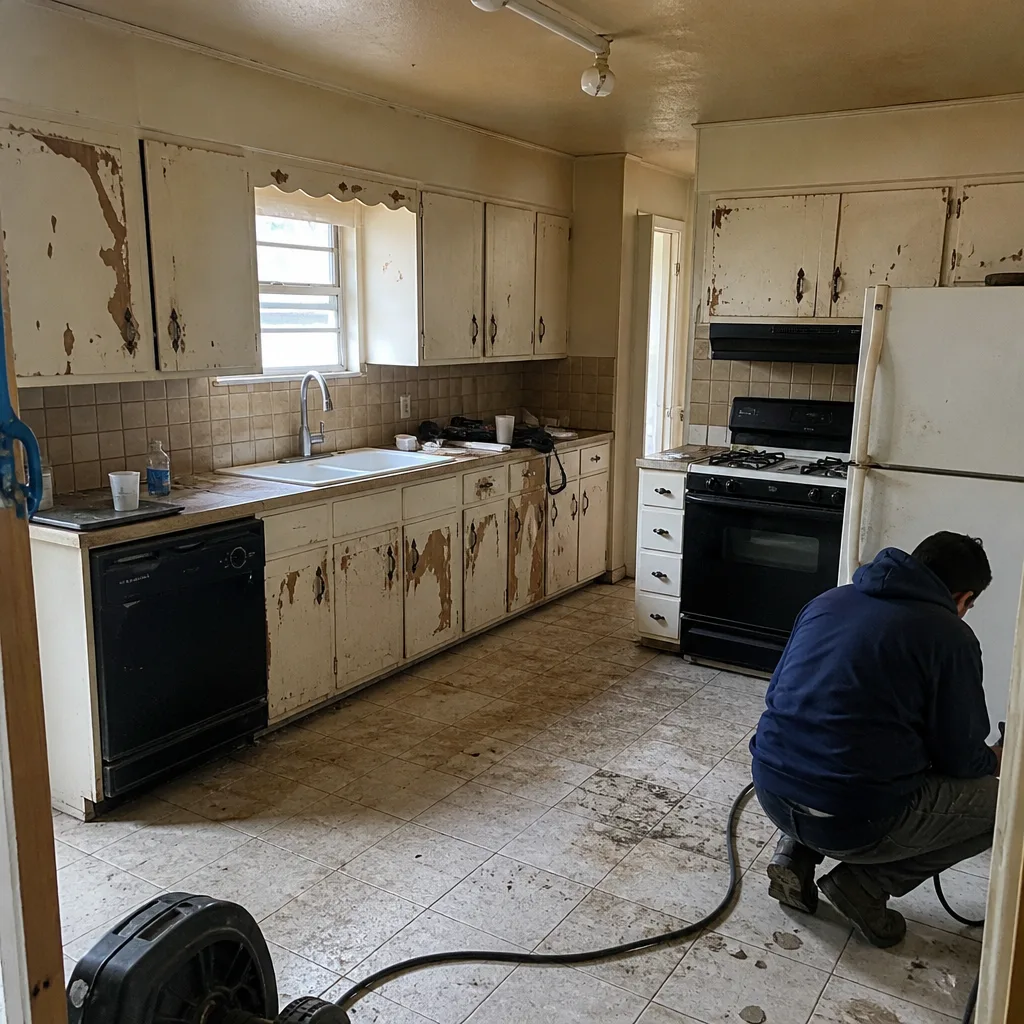 Before
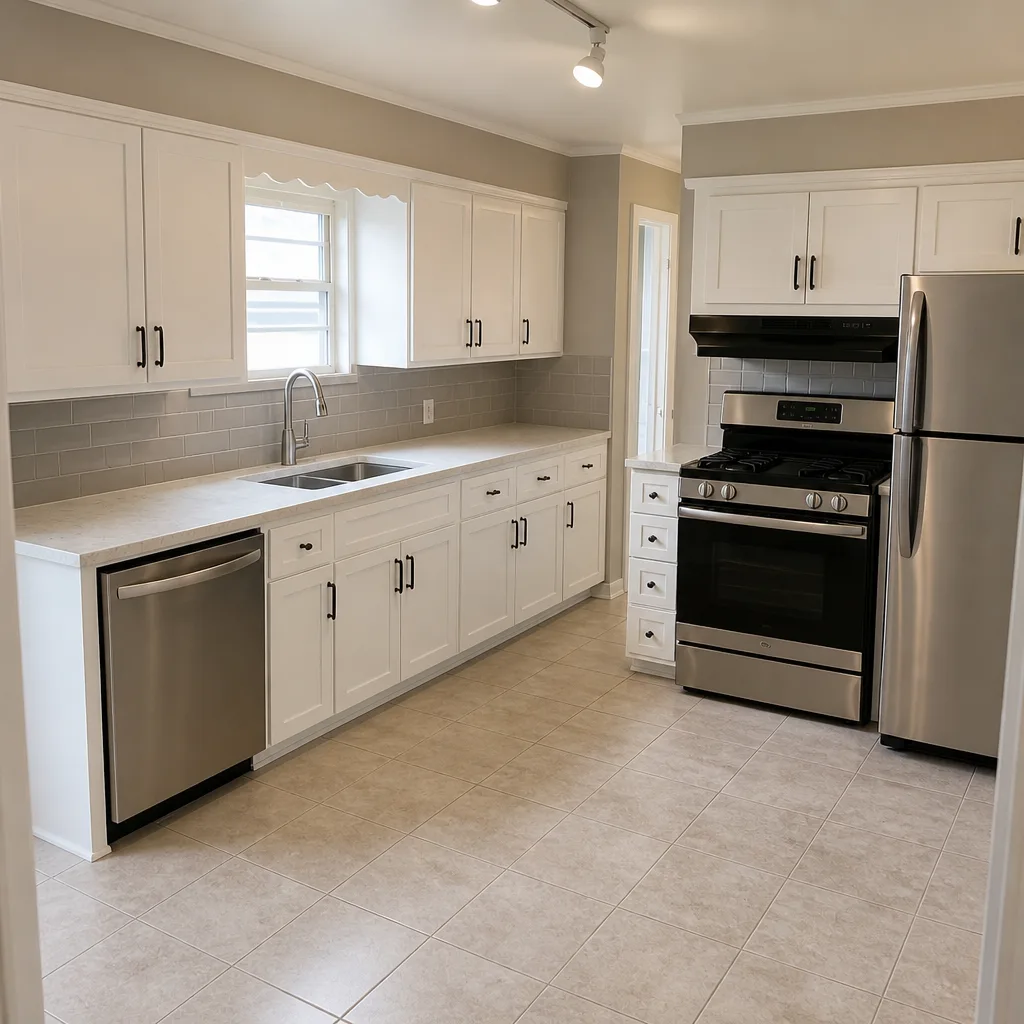 After
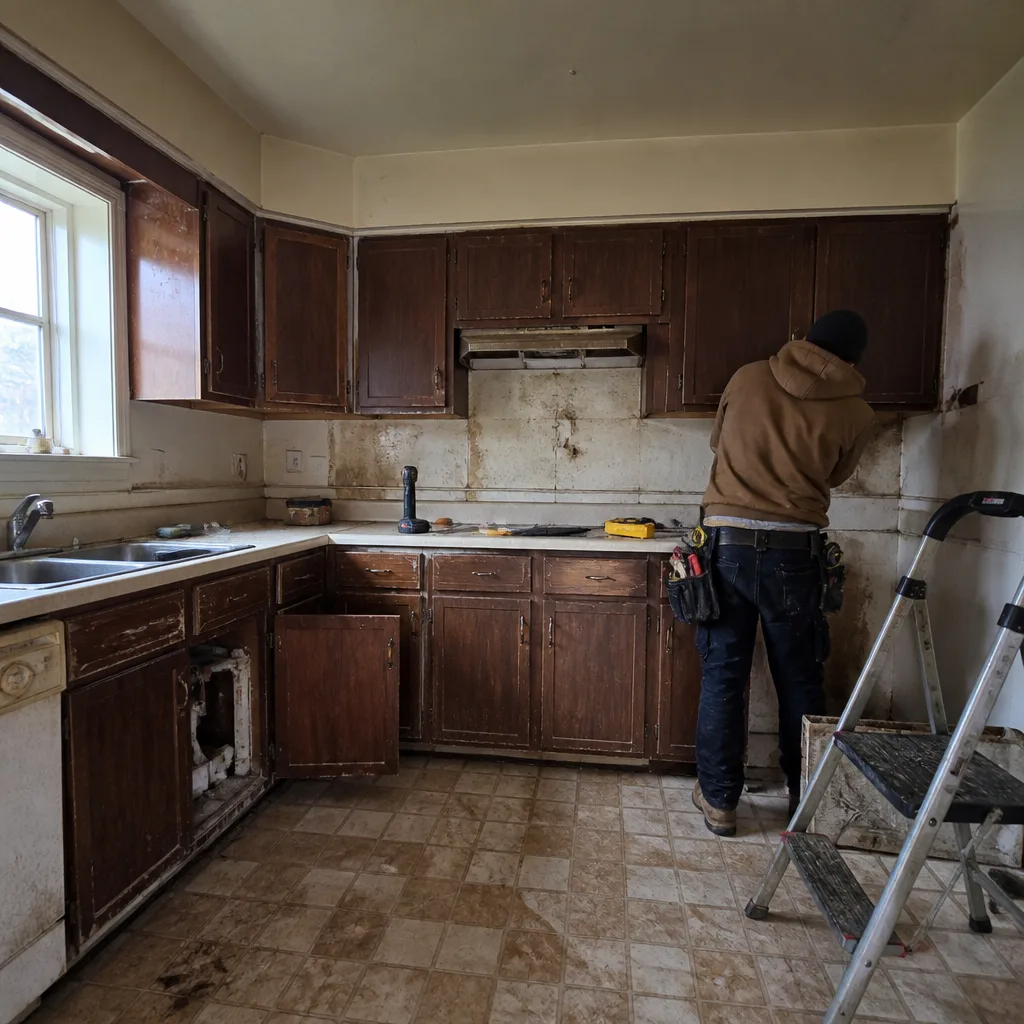 Before
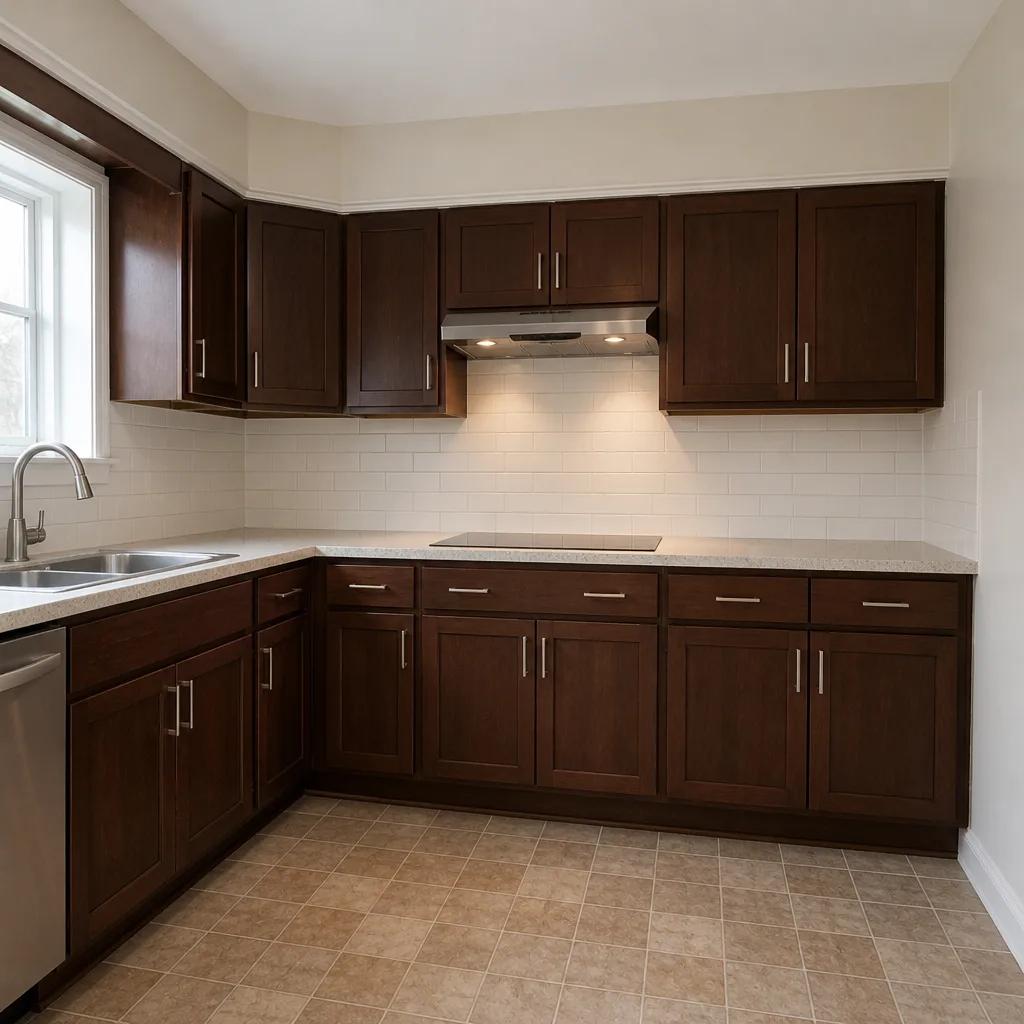 After
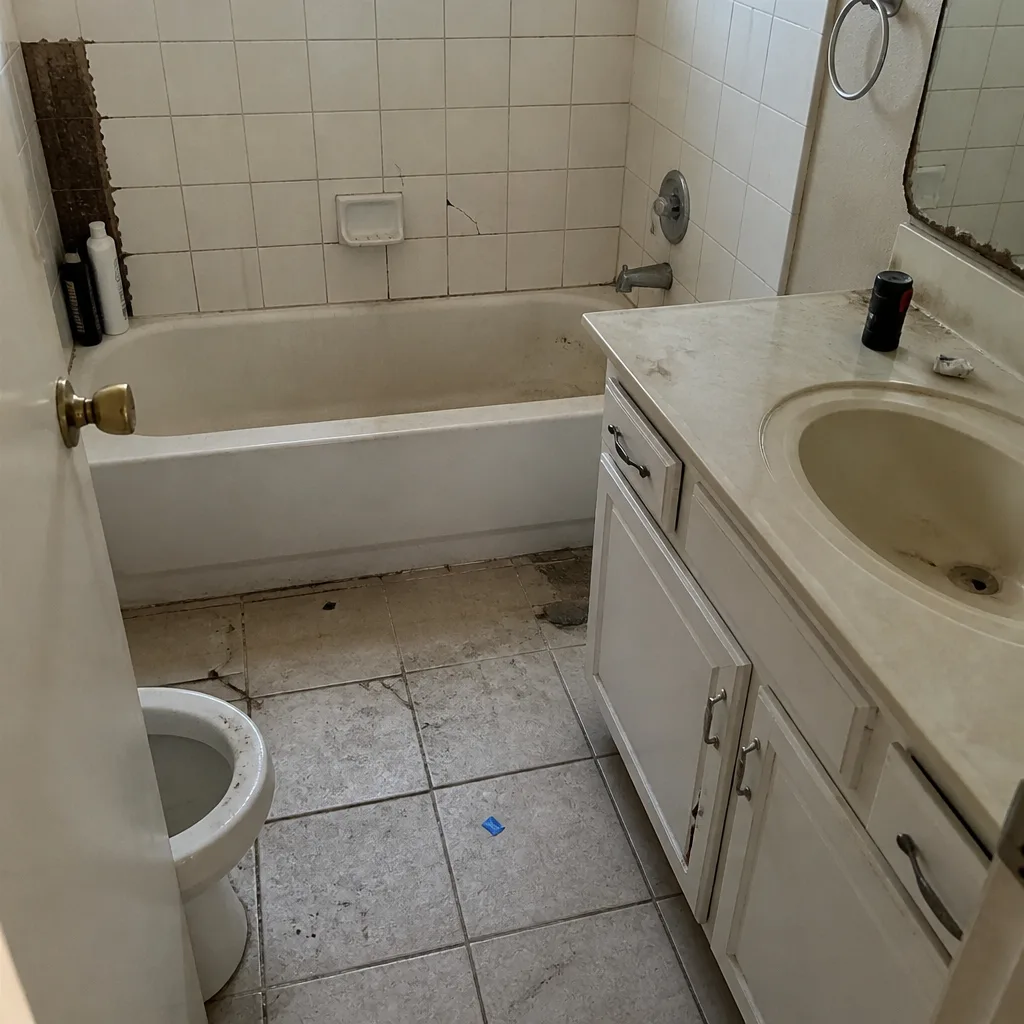 Before
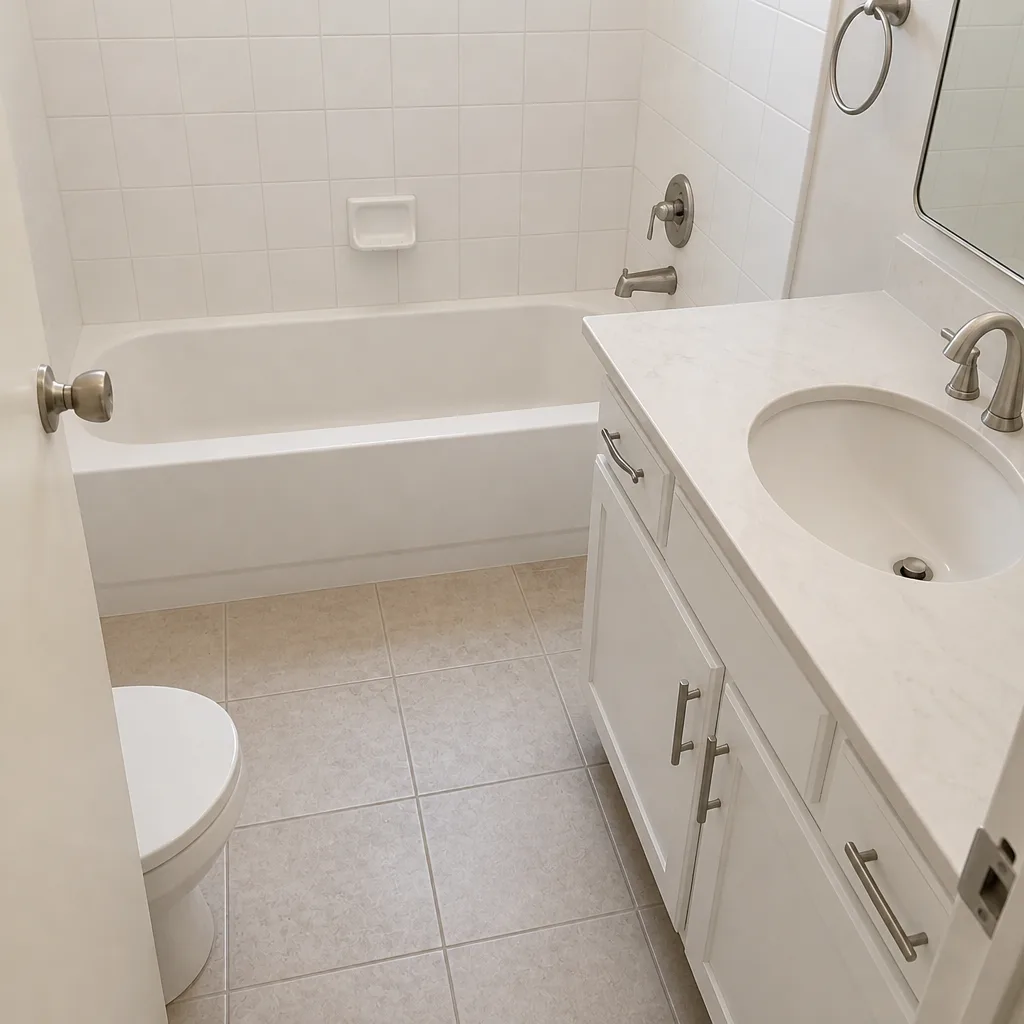 After
When to Call a Professional

If the work touches a permitted system, if it changes the structure, if it’s part of a kitchen or bathroom remodel, or if you can’t answer “yes” to every item on the safe-DIY checklist, call a professional. The cost of a pro is visible and known. The cost of unpermitted work is invisible and lands at closing, at claim time, or at inspection. Bradford Remodeling Co Grand Prairie offers free estimates in Grand Prairie with a written price before any work starts, and our technicians have up to 22 years of experience handling the permit and inspection process. Call (888) 255-7593 for a free estimate and a straight answer on whether your project is a DIY job or a permit job.
If your project is a full home renovation, our General Contractor in Grand Prairie team can walk the whole scope. If it’s a smaller project and you’re not sure where it lands, the Bradford Remodeling Co Grand Prairie home page is the right starting point.
Frequently Asked Questions
No, not legally for any work that requires a permit. New circuits, panel changes, and any work beyond a simple fixture swap on an existing circuit require a licensed electrician and a permit in Grand Prairie. The permit and inspection process is what creates the legal record your insurance carrier and future buyer will rely on.
Your claim can be denied or reduced if the carrier determines that unpermitted work caused or contributed to the loss. The carrier reviews permit records during claims investigation. If a fire or flood traces back to non-compliant work, the claim can be contested, and in serious cases the policy can be cancelled at renewal. Call (888) 255-7593 if you want a professional assessment of any unpermitted work already in the house.
Yes, painting is one of the safest DIY projects you can take on. Prep work, primer, and two finish coats on interior walls are all owner-safe. The one caveat is lead paint in older homes: if the house was built before 1978, test for lead before sanding, and hire out if lead is present.
Correction typically runs $400 to $1,200 for a residential job, depending on how many fixtures or circuits are involved and whether the work is behind drywall. In the example at the top of this guide, the homeowner spent $1,400 to bring a single exhaust fan installation to code, plus a nine-day delay on closing. Call (888) 255-7593 for a written estimate if you’re facing a correction.
You can paint, re-caulk, swap hardware and fixtures on existing connections, and do minor trim work yourself. You cannot do the plumbing rough-in, add or relocate a circuit, or install a new fixture that requires a permit. A full bathroom remodel almost always triggers a permit and should be handled by a licensed contractor who pulls the permit and passes the inspection.
Not on a Bradford Remodeling Co Grand Prairie project. We put every price in writing before work starts, and the number in the written quote is the number you pay. If something unexpected comes up mid-job, like discovering a bad substrate or old wiring, we stop and bring it to you in writing before we do anything. No surprise invoices, no renumbering at the door. Call (888) 255-7593 for a free estimate with the full scope and price in writing.
The Bottom Line
The DIY-vs-pro decision isn’t about whether you can handle a project. It’s about whether the project creates permit exposure and hidden liability that follows the house. Painting, caulking, hardware swaps, and minor trim work are genuinely safe to self-perform. Anything that touches electrical, plumbing rough-in, structural framing, or gas belongs with a licensed professional, in part because the work itself matters and in part because the inspection record is what protects your resale value and your insurance claim. The $180 saved on a DIY exhaust fan turned into a $1,400 correction and a nine-day closing delay. Do the math on the whole project, not just the labor line. Call (888) 255-7593 for a free estimate if you want a straight read on where your project lands.
Written by the team at Bradford Remodeling Co Grand Prairie.