Last updated November 18, 2026






Free written scope consultation - allowances, timeline, and change-order rules on paper before a single trade is scheduled
General Contractor Maintenance Checklist for Grand Prairie Homeowners
The number-one call we get from Grand Prairie homeowners starts the same way: “I noticed this a while ago but figured it would stop.” It never stops. It compounds. A hairline crack in the garage slab becomes a heaved driveway. A roof nick from last spring’s hail becomes a stained ceiling by August. Grand Prairie sits on a particular mix of problems – Blackland Prairie clay that swells and shrinks with every rain, summers that push past 100°F, and a hail corridor that keeps roofing crews busy. This guide gives you a maintenance checklist built around those specific failure patterns, so you catch the $400 fix before it becomes the $14,000 repair.
Quick Answer
A Grand Prairie home maintenance checklist should be organized by season and by local failure pattern, not by generic national advice. The four priorities are foundation and slab checks tuned to clay movement, roof and soffit inspections for hail and wind damage, HVAC and attic ventilation checks timed to spring and fall, and flatwork and fence inspections that account for soil heave. Document everything in writing and on a schedule – that record is what lets a contractor give you a fixed bid instead of an open-ended estimate.
Styles & brands we work with
- Kitchen remodeling
- Bathroom remodeling
- Home additions & ADU
- Roofing
- Windows & doors
- Driveway & pavers
- Fence
Table of Contents
- Foundation and Slab Checks for Blackland Prairie Clay
- Roof, Soffit, and Hail Corridor Inspections
- HVAC and Attic Ventilation in Shoulder Seasons
- Fence, Retaining Wall, and Flatwork Inspections
- Exterior Siding, Paint, and Door Seals
- Interior Moisture and Plumbing Watch Points
- How to Document Findings for a Fixed Bid
- The Grand Prairie Seasonal Calendar
Foundation and Slab Checks for Blackland Prairie Clay
Grand Prairie sits on Blackland Prairie soil, a dark clay that expands when wet and contracts when dry. That movement is the single biggest driver of foundation complaints in this city. The clay under your slab can shift an inch or more across a wet spring and a dry August, and the slab has to absorb that movement. Most of the time it does. Sometimes it doesn’t, and the difference between cosmetic and structural usually comes down to the pattern of the cracks.
Walk your slab edge and interior floors twice a year, once after the wettest stretch of spring and once at the end of summer. Look for these patterns:
- Hairline cracks under 1/16 inch in a garage slab or driveway apron are common and usually cosmetic. Note them and watch whether they widen.
- Stair-step cracks in brick or masonry that follow the mortar joints are a warning sign. They track the movement of the foundation beneath.
- Diagonal cracks at the corners of door and window openings that run from the corner outward suggest differential settlement.
- Doors that stick in one season and swing free in another point to the frame moving with the slab, not to a warped door.
- Cracks wider than 1/8 inch, or any crack that widens over a season, deserve a closer look from a professional.
Check the grading around the slab too. Soil should slope away from the foundation at roughly a 6-inch drop over the first 10 feet. When that slope flattens or reverses, water pools at the slab edge and the clay under it stays saturated. Regrading a strip along the foundation is inexpensive. Underpinning a failed slab is not.
Roof, Soffit, and Hail Corridor Inspections
Grand Prairie falls inside the North Texas hail corridor, and that shapes what your roof inspection should look for. Hail doesn’t always punch a hole. More often it bruises the mat under the shingle granule layer, and that bruise becomes a leak months later when the sun bakes it and the next storm works it open. By the time you see a water stain on the ceiling, the damage has usually been there a while.
Get on a ladder twice a year – spring after the last hailstorm and fall before winter – and check the following from the ground and the eaves. If you’re not comfortable on a roof, or your roof is steep or two stories, leave the climbing to a professional. Falls from height are the injury we see most in this trade, and a roof inspection is not worth a trip to the emergency room.
- Look at the shingle field from the ground with binoculars. Dark spots, missing granules, or shingles that look “bruised” are hail signatures.
- Check the soffit and fascia under the eaves. Soft wood, peeling paint, or wasp nests mean moisture is getting behind the fascia board.
- Inspect the attic after a hard rain with a flashlight. Look at the underside of the roof deck for staining, and check the insulation for damp spots.
- Check the flashing around chimneys, vents, and skylights. Most leaks start at a penetration, not in the middle of the field.
- Clear the gutters and check the downspout outlets. Water that dumps at the foundation is the fastest way to feed the clay movement problem above.
When you replace a roof, specify a product with a manufacturer warranty you can hand to a contractor. James Hardie isn’t a roofing brand, but the same principle applies across your exterior: use documented products with traceable specs. That’s part of what our general contractor team in Grand Prairie builds into every exterior scope.
HVAC and Attic Ventilation in Shoulder Seasons
Spring and fall are the best windows to catch HVAC problems in Grand Prairie, because the system isn’t running flat out. In July, a struggling compressor just looks like a hot house. In April, when the system cycles on for 20 minutes and off for 40, a weak capacitor or a clogged condensate line shows up clearly. That’s why we tell homeowners to schedule the maintenance visit in the shoulder season, not in the middle of a heat wave when every HVAC company in the metro is booked solid.
Here’s the shoulder-season checklist:
- Change the filter every 60 to 90 days. In a Grand Prairie summer, with the AC running continuously and dust from nearby construction, 30 days is often more realistic.
- Flush the condensate drain line with a cup of vinegar. A clogged line backs up and shuts the system down, and in August that means a very uncomfortable night.
- Check attic ventilation. Ridge vents, soffit vents, and gable vents all need to be clear. Blocked soffit vents trap heat in the attic, which pushes the AC to work harder and shortens its life.
- Look at the outdoor condenser unit. Clear leaves and debris from the fins, and check that the pad is level. A unit that’s tilted strains the compressor.
- Test the heating side before the first cold snap. A furnace that hasn’t run since February can fail on the first cold morning. Test it in October.
Attic insulation is the other half of the equation. In Grand Prairie’s climate, most homes should carry insulation to R-38 or better. If yours is thin or settled, adding insulation is one of the highest-return maintenance items you can do.
Fence, Retaining Wall, and Flatwork Inspections
Fence posts, retaining walls, and concrete flatwork are the maintenance items most national checklists skip entirely, and they’re the ones Grand Prairie’s soil punishes hardest. A wood fence post set in clay heaves when the ground freezes and settles when it thaws. Over a few seasons, the post works loose, the fence leans, and the whole run starts to sag. The same freeze-thaw cycle racks retaining walls and cracks driveways and walkways.
Do a flatwork and fence walkthrough twice a year:
- Push on every fence post. A post that moves more than an inch at the top is loose in the ground. Reset it before the next post goes.
- Look along the top rail of the fence. A wavy top rail means the posts have settled unevenly.
- Check retaining walls for bulging or leaning. A wall that leans more than 1 inch out of plumb over its height is under pressure from saturated soil behind it.
- Inspect the driveway and walkways for heaved sections. A slab that has lifted an inch at a joint becomes a trip hazard and a place for water to get underneath.
- Check the control joints in the concrete. These are the sawn lines that tell the slab where to crack. If a crack has jumped outside a control joint, note where and how wide.
For a fence or wall that needs replacing, hardscape products like Belgard pavers and retaining systems are built for movement and hold up better than poured concrete in clay. A deck or storage structure from Tuff Shed is also worth considering if you’re replacing a failing outbuilding – prefab structures sit on their own footing and don’t fight the soil the way a slab does.
Exterior Siding, Paint, and Door Seals
The siding, paint, and door seals on a Grand Prairie home take a beating between the summer sun and the spring storms. This is the envelope that keeps water and heat out, and it fails gradually. Caulk shrinks, paint chalks, and door sweeps wear down. None of it is dramatic, and all of it matters.
Once a year, walk the exterior and check:
- Caulk joints around windows and doors. Cracked or missing caulk is the number-one entry point for water. Re-caulk any joint that’s separated.
- Paint and stain. Peeling paint means moisture is behind it. On wood siding, sand and repaint before bare wood shows.
- Door seals and weatherstripping. A worn sweep on an exterior door lets in hot air and insects. Replace it when you can see daylight under the door.
- Siding condition. Cracked or warped siding lets water behind the wall. Fiber cement products like James Hardie hold up well in this climate because they don’t rot and they resist hail impact better than vinyl.
If your siding is due for replacement, plan the project for the shoulder season when crews are more available. For doors, Therma-Tru entry systems are a documented brand we specify because the manufacturer warranty transfers with the door and holds up to a written guarantee. A material schedule you can trace is the difference between a warranty you can use and one you can’t.
Interior Moisture and Plumbing Watch Points
Water damage is the most expensive category of home repair, and in Grand Prairie most of it starts small. A slow supply-line leak under a sink, a shower pan that’s losing its seal, or a washing machine hose that’s bulging. These don’t announce themselves. They show up as a soft spot in the floor or a stain on the ceiling below.
Once a quarter, check the following:
- Under every sink for drips, corrosion on the supply lines, and soft cabinet floors.
- The water heater for rust at the base, moisture around the fittings, and the age of the unit. Most tank water heaters last 10 to 12 years.
- The washing machine hoses. Braided stainless steel hoses last longer than rubber and cost less than a flooded laundry room.
- The shower and tub surround for loose caulk, soft drywall, and grout that’s cracked or missing.
- The attic after heavy rain for stains on the deck or damp insulation.
Keep a log of what you find. Even a notebook with dates and photos is enough. That log becomes the paper trail a contractor needs to scope the work accurately.
How to Document Findings for a Fixed Bid
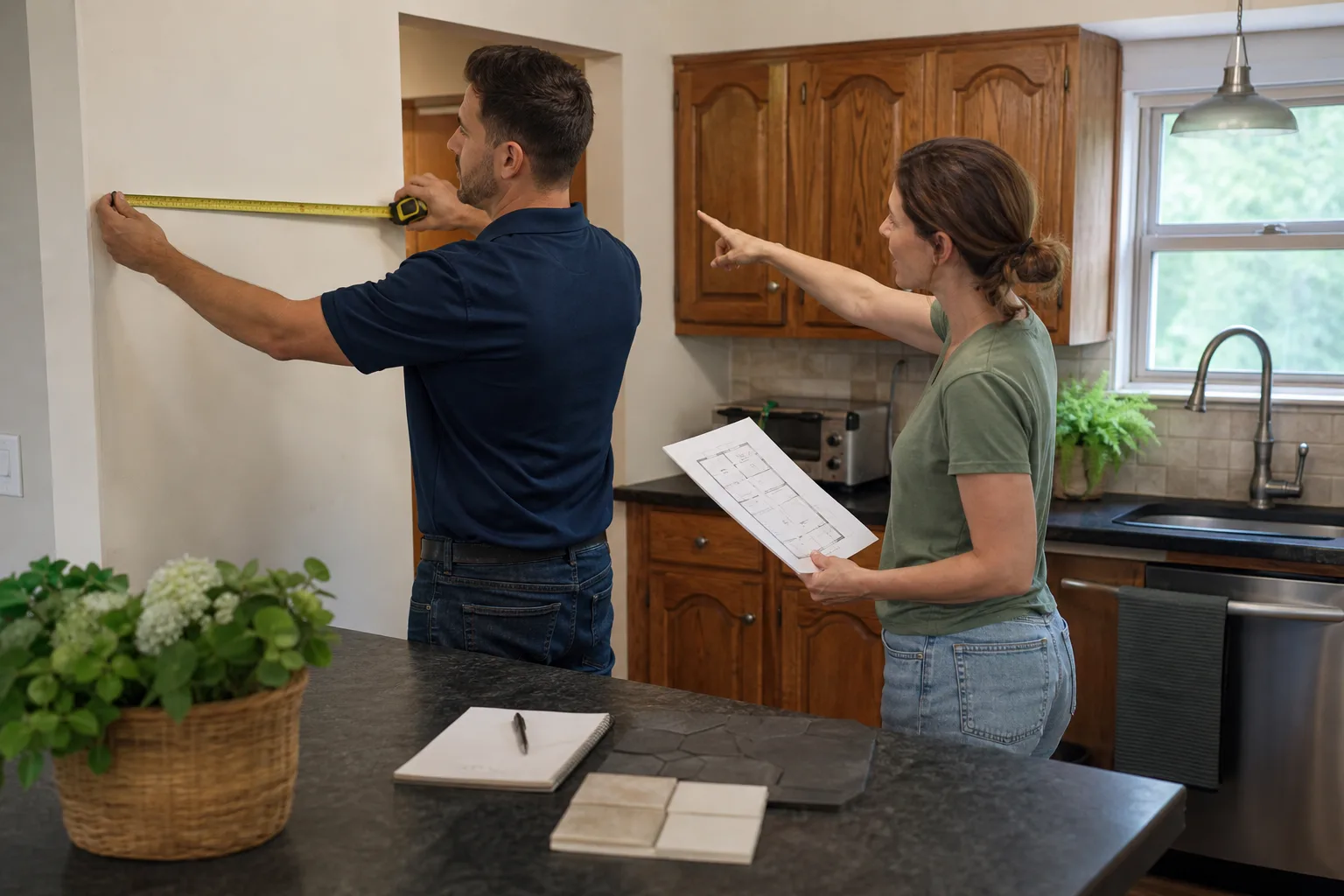
This is the part most homeowners skip, and it’s the part that saves the most money. A contractor who walks a property with no information gives you an open-ended estimate with “we’ll see what we find” built in. A contractor who walks it with photos, measurements, and dates can give you a written fixed price before any work starts.
Here’s how to build a file that a contractor can actually bid from:
- Photograph every issue with a ruler or coin in frame so the scale is clear. A crack photo without scale tells a contractor nothing.
- Write the date, the location, and what you observed. “March 14, north garage slab, crack widened from 1/16 to 1/8 inch since October.”
- Track changes over time. A crack that’s stable is cosmetic. A crack that’s widening is a different conversation.
- Note what you’ve already done. Regrading, caulking, and filter changes all belong in the file. It shows the property has been maintained.
- Ask for a written scope that names materials and products. A bid that says “replace siding” is not a bid. A bid that names the product and the warranty is.
This is where our home remodeling and contracting work in Grand Prairie comes in. Every project we take on gets a written price before any tool comes out, and the scope names the materials – KraftMaid and Wellborn cabinetry, Cambria and Caesarstone surfaces, Kohler and Moen fixtures, GAF and James Hardie exterior products, Therma-Tru doors. That’s The Garrison Standard: the price and the guarantee are in writing before work starts, and there are no numbers that move at the door.
The Grand Prairie Seasonal Calendar
Timing matters as much as the checklist itself. Here’s the calendar we recommend for Grand Prairie properties:
- March through April: Post-storm roof inspection, gutter cleaning, foundation crack walk, exterior caulk and paint touch-up.
- May through June: HVAC shoulder-season service, attic ventilation check, fence and flatwork inspection, exterior door seal check.
- July through August: Interior moisture check, water heater and washing machine hose inspection, shade and attic insulation review.
- September through October: HVAC heating-side test, roof flashing check before winter, regrading around the slab, interior plumbing log update.
- November through February: Freeze-thaw watch on fence posts and retaining walls, weatherstripping replacement, interior moisture check.
Common Mistakes to Avoid
- Waiting for a crack to “stop.” In Blackland Prairie clay, a crack rarely stops on its own. It widens with the next wet season and then narrows with the dry one, and the slab keeps working. Note it and act on it early.
- Skipping the flatwork and fence. National checklists leave out fences and concrete, and in Grand Prairie those are the items that move first. A leaning fence or a heaved driveway is a soil problem showing up above ground.
- Servicing the HVAC in the middle of July. Every HVAC company in the metro is booked in a heat wave. Do the maintenance visit in the shoulder season when a small problem is still small.
- Letting water pool at the foundation. A downspout that dumps at the slab edge feeds the clay movement that cracks foundations. Extend the downspout and regrade.
- Hiring a contractor without a written price. A verbal estimate and “we’ll see what we find” is not a price. It’s an invitation for change orders. Ask for the written price before any work starts.
- Not documenting anything. A photo without a date and a scale is almost useless to a contractor. Build the file as you go.
- Thinking a small roof bruise will heal. Hail damage to shingle mat gets worse, not better. An interior leak is the expensive version of a repair you could have done early.
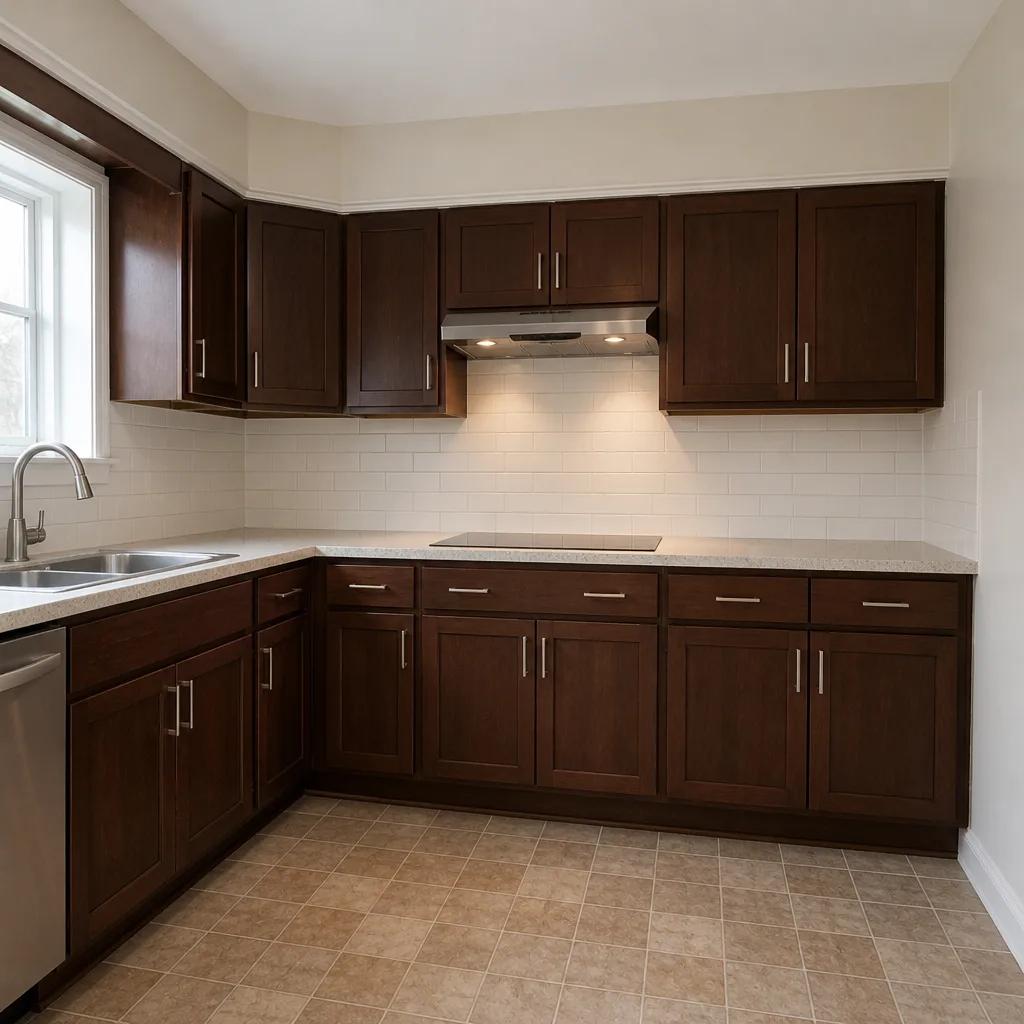
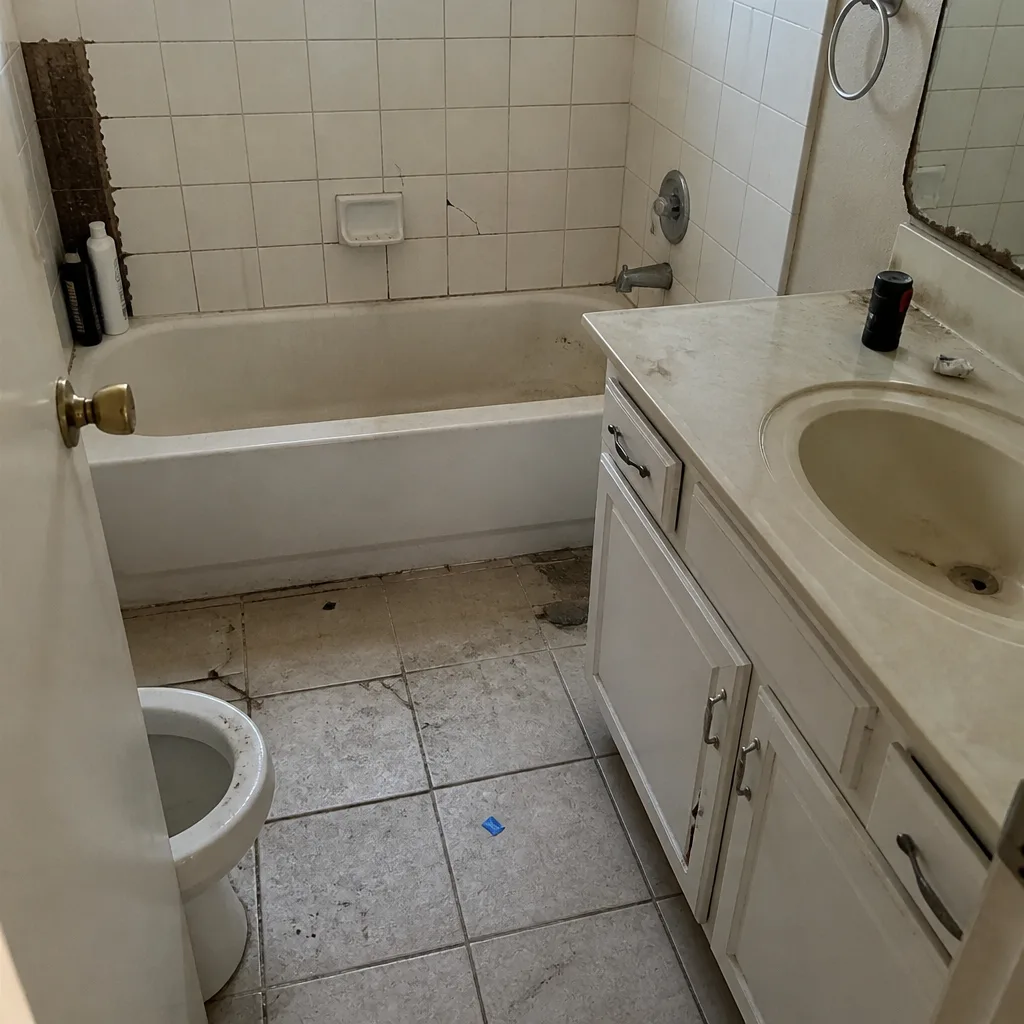
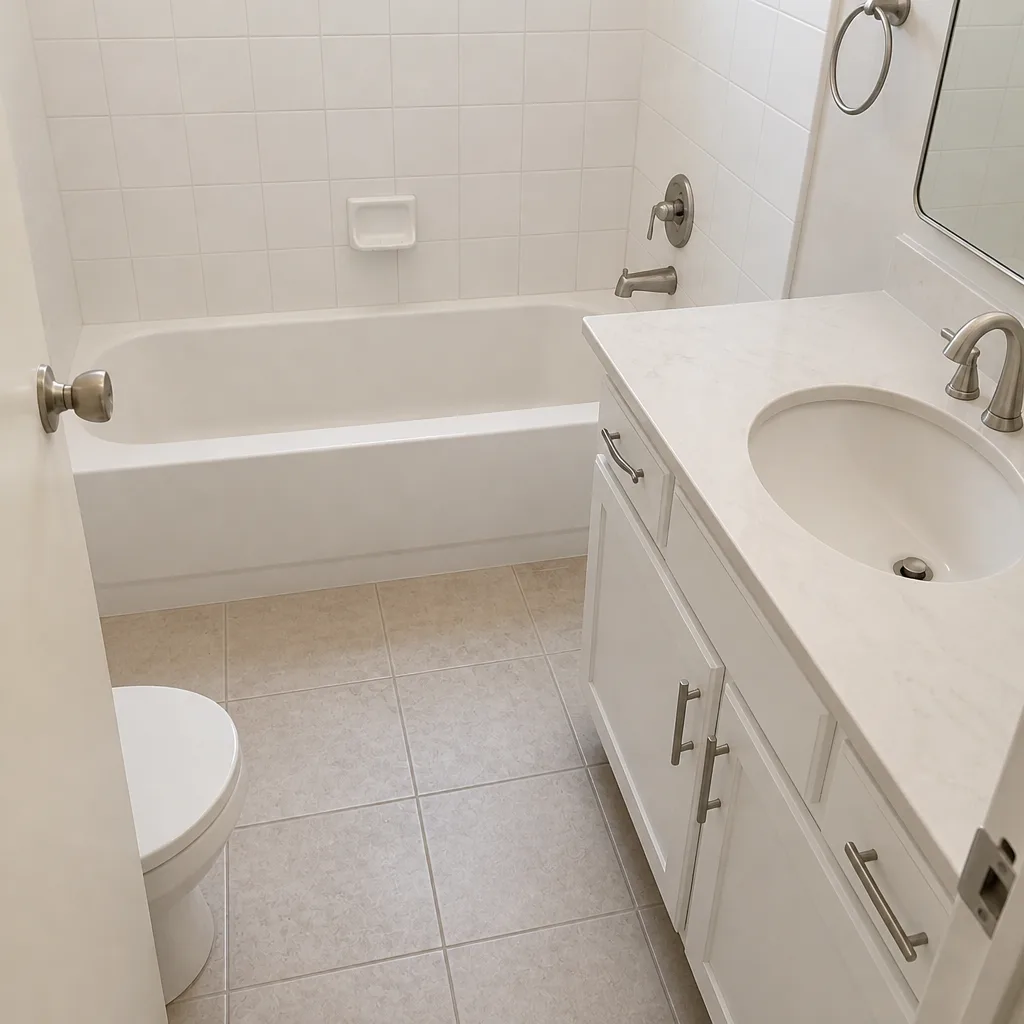
See the difference
 Before
 After
 Before
 After
 Before
 After
When to Call a Professional
Some maintenance is a homeowner’s job: filters, caulk, hoses, gutters. Other work is a professional’s job, and we say so because the stakes are real. Call a professional when you find a crack wider than 1/8 inch or one that’s visibly widening; when a door sticks seasonally and the frame has moved; when the attic shows water staining; when a retaining wall leans more than an inch out of plumb; when an HVAC system won’t hold a set temperature; or when you’re replacing a roof, siding, or fencing and want a written scope and a warranty. Roof work in particular carries fall risk – steep pitches and two-story homes are not a DIY inspection. Bradford Remodeling Co Grand Prairie offers free estimates in Grand Prairie, and the price we quote is written down before the work starts – call (888) 255-7593.
Frequently Asked Questions

Twice a year is the right rhythm for Grand Prairie: once in spring after the last hailstorm and once in fall before the heating season. Add a quarterly interior water check and you’ll catch most issues before they turn into repairs.
Hairline cracks under 1/16 inch in a garage slab or driveway are usually cosmetic. Cracks that stair-step through brick mortar, run diagonally from door and window corners, or widen wider than 1/8 inch over a season deserve a professional look. The clay here moves, so some movement is normal – it’s the pattern and the pace that matter.
Spring or fall, before the system is working at full load. In a Grand Prairie summer, a struggling unit isn’t obvious until it fails. The shoulder-season visit catches capacitors, condensate lines, and airflow problems when they’re still cheap to fix.
Yes. Grand Prairie is in the North Texas hail corridor, and annual post-storm roof inspections are the norm. Look for bruised shingles, missing granules, and dark spots on the field. If you see them, get a professional out before the next rain finds them.
Reset the post before the next one goes. A wood fence post set in clay moves with the freeze-thaw cycle, and once it’s loose the whole run starts to lean. Resetting a post is far cheaper than replacing a fence line. For a new fence, hardscape products and prefab structures like those from Tuff Shed hold up better than poured concrete in this soil.
Always. A written price before any work starts is the difference between a fixed bid and an open-ended estimate. Ask for a written scope that names the materials and the warranty. Call (888) 255-7593 for a free estimate in Grand Prairie.
The Bottom Line
The maintenance that keeps a Grand Prairie home in good shape isn’t complicated, but it is specific. Blackland Prairie clay moves, the summer hits 100°F, and the hail corridor means your roof takes hits every spring. The checklist that matters is the one built around those facts: slab checks tuned to clay, roof inspections timed to storm season, HVAC visits in the shoulder months, and fences and flatwork checked for heave. Document everything in writing. That file is what gets you a fixed bid instead of a surprise. And when the work is bigger than a weekend, our kitchen remodeling in Grand Prairie and bathroom remodeling in Grand Prairie crews bring the same written-price discipline to the job.
Bradford Remodeling Co Grand Prairie is part of the Garrison Partners family, held to The Garrison Standard: a written price before any work starts, background-checked and uniformed technicians, a live person answering the phone 24/7, and the 365-Day Done Right Promise on every completed project – if the work fails within the guarantee window, we come back and correct it at no charge. Our technicians have up to 22 years of experience, and our materials are documented, name-brand products with manufacturer warranties behind them. Call (888) 255-7593 for a free estimate in Grand Prairie.
Written by the team at Bradford Remodeling Co Grand Prairie.