Last updated November 18, 2026




Free written scope consultation - allowances, timeline, and change-order rules on paper before a single trade is scheduled
General Contractor Maintenance Schedule: What to Do and When
Here’s a detail that surprises almost every homeowner we talk to in Grand Prairie: a new roof and a new HVAC system installed in the same remodel can carry warranty inspection requirements that fall 90 days apart. Miss the roof inspection, and you don’t just lose the roofing warranty. In some manufacturer terms, an uncorrected leak or flashing failure can be traced back and used to deny a related claim on the mechanical side. The warranty windows are real, they’re calendar-based, and nobody hands you a combined schedule at final walkthrough.
This guide gives you that schedule. It’s organized by trade (structural, mechanical, electrical, finish), built around the 30-60-90 day inspection windows that catch defects while they’re still the contractor’s responsibility, and written from our experience with Grand Prairie’s expansive clay soil and heat cycling. You’ll learn which manufacturer warranties require owner-initiated inspections, how to tell a warranty callback from normal maintenance, and how to photo-document a new build so a defect claim in year two doesn’t come down to your word against anyone’s.
Quick Answer
After a remodel, you should inspect the work at 30, 60, and 90 days, then annually. The 30-day window catches settling and curing defects (caulk lines, grout, door alignment). The 60-day window catches mechanical issues (HVAC refrigerant, water heater connections, drainage). The 90-day window catches structural movement (foundation hairline cracks, drywall seams, roof flashing). Manufacturer warranties on roofing, windows, HVAC, and waterproofing often require documented owner inspections to stay valid, and on Grand Prairie’s clay soil those annual checks matter more than the national averages suggest.
Styles & brands we work with
- Kitchen remodeling
- Bathroom remodeling
- Home additions & ADU
- Roofing
- Windows & doors
- Driveway & pavers
- Fence
Table of Contents
- Why a Remodeled Home Still Needs a Written Maintenance Schedule
- The 30-60-90 Day Post-Completion Checklist, By Trade
- Which Manufacturer Warranties Require Owner Inspections
- How Grand Prairie’s Clay Soil and Heat Cycling Change the Schedule
- Warranty Callback vs. Normal Maintenance: How to Tell
- The Photo-Documentation System That Protects a Defect Claim
- The Annual Maintenance Calendar for a Remodeled Home
- How Bradford Fits Into This Schedule
Why a Remodeled Home Still Needs a Written Maintenance Schedule
A remodel brings multiple trades through the same house, coordinating sequence, substrate, and finish. When the job closes, the general contractor hands you the keys, the signed documents, and a folder of manufacturer paperwork. What almost never gets handed over is the calendar that ties all those documents together. That’s the gap this guide fills.
New construction and remodels fail on a predictable curve. The first 90 days is when materials finish curing and settling, when joints move, when caulk shrinks, and when thermal expansion reveals anything that was torqued wrong. Year one is when the seasonal extremes test the envelope. Year two through year five is when the difference between “documented and inspected” and “assumed fine” starts showing up in real cost. A 10-year-old roof that was inspected twice annually generally outperforms a 10-year-old roof that was inspected zero times, even when both were installed by the same crew.
There’s a warranty dimension here that most homeowners don’t think about until a claim is denied. Manufacturers write inspection and documentation requirements into their warranty terms because they want evidence the product was maintained in good faith. A roofing warranty that requires biennial inspection is void once an owner can’t show that inspection happened. A window warranty that hinges on water intrusion evidence requires the homeowner to be the one keeping records. The contractor can install the product correctly. The contractor cannot keep the warranty alive after the truck leaves.
Our technicians have up to 22 years of experience, and the pattern is consistent: the homeowners who schedule the 30-60-90 checks and the annual photo walkthroughs get warranty callbacks covered in full. The ones who don’t get billed for work that could have been free. If you want to see how this fits with the broader Bradford Remodeling Co Grand Prairie home process, that page walks through how we hand off a completed project.
The 30-60-90 Day Post-Completion Checklist, By Trade
Each window is designed to catch a different class of defect, and the trades rotate through them. Here’s how to run the inspections, and what each is actually looking for.
30-Day Inspection (Settling and Curing Defects)
- Structural: Walk the perimeter of the house and note any new hairline cracks in the drywall above doorways and window heads. Caulk joints between trim and wall are the first to show. Photograph each one with a tape measure for scale.
- Mechanical: Check the HVAC condensate line and any accessible drain pans for moisture. Listen to the air handler on a cool-down cycle for any new rattle. Verify the water heater connections (both gas and water) show no corrosion bloom.
- Electrical: Test every GFCI and AFCI in the remodeled space. Confirm exterior outlets and garage outlets respond correctly. Listen for any buzzing at faceplates or at the panel.
- Finish: Inspect grout lines in wet areas for cracking or shrinkage. Press on tile at the edges of tubs and showers for any hollow sound (a sign of failed thinset). Check cabinet doors and drawers for alignment, and note any that rub or won’t fully close.
60-Day Inspection (Mechanical and Water Defects)
- Mechanical: Schedule an HVAC service check if your manufacturer’s warranty requires it (many do at 60 or 90 days). Have them record the refrigerant level and confirm the filter was replaced at installation.
- Plumbing: Under every sink in the remodeled area, run a paper towel around each supply and drain connection. Any dampness at 60 days is a call. Also check the dishwasher drain line and the washing machine supply hoses if replaced.
- Waterproofing: In bathrooms with a shower pan and membrane, look for any darkening of grout near the drain or the curb. Run water for 10 minutes and check for slow drainage or pooling.
- Windows: Operate every new window through its full range. Inspect the exterior perimeter for any gaps in sealant. On Therma-Tru or ECO Window Systems installations, record the model and install date now while the paperwork is easy to find.
90-Day Inspection (Structural and Envelope)
- Structural: In Grand Prairie, look at foundation lines along the slab edges for any new offset. Measure any crack wider than 1/16 inch and note its direction (horizontal, vertical, diagonal). Photograph against a reference.
- Roofing: Walk the attic after a heavy rain and look for staining on the underside of the decking, especially at valleys, chimneys, and any new penetrations. Check the flashing boots around plumbing vents. GAF and CertainTeed warranties often require an inspection record at this stage.
- Exterior: Inspect James Hardie siding joints and butt joints for any movement. Check paint and caulk lines at corners and windows. Any cracking in caulk should be cut out and redone, not just painted over.
- Finish: Recheck cabinet doors, drawer slides, and any hardware installed at final. By 90 days, if a hinge is going to fail, it usually has.
Pair this with the plan outlined on our General Contractor in Grand Prairie page, which covers how a project closes and what you should have in hand when the work is complete.
Which Manufacturer Warranties Require Owner Inspections
This is the part that costs homeowners the most when it’s missed. Most major manufacturers in a remodel carry some form of owner-initiated inspection requirement. The exact terms live in the warranty booklet, not in the contractor’s contract, and they’re easy to overlook during final walkthrough.
- Roofing (GAF, CertainTeed, Owens Corning): Most premium shingle warranties include a maintenance clause requiring the owner to keep the roof clear of debris and, in some tiers, have documented inspections on a set schedule. Failure to record those can void coverage on a claim.
- Windows and doors (Therma-Tru, ECO Window Systems, ES Windows): Warranty terms typically require the owner to inspect and maintain sealant and weatherstripping. If water intrusion causes damage and the owner never maintained the sealant, the claim can be denied as neglect.
- HVAC systems: Nearly every major manufacturer requires annual professional service to keep the parts warranty. Miss a service year, and a compressor claim in year four can be denied as easily as a claim in year two.
- Waterproofing systems (shower membranes, basement waterproofing): Lifetime or long-term warranties typically require an annual inspection by a qualified party and documentation of any repair.
- Cabinetry (KraftMaid, Wellborn): Warranty coverage on cabinet finish and hardware usually requires the owner to maintain interior humidity in a reasonable range and to report defects within a set window from discovery. Document anything suspicious at the 30-day mark.
If you’re remodeling a kitchen or a bath, this checklist applies directly. The plan behind our Kitchen Remodeling in Grand Prairie page and our Bathroom Remodeling in Grand Prairie page both end with a completed project carrying the same documentation packet: material specs, warranty booklets, and a written record of the final walkthrough.
How Grand Prairie’s Clay Soil and Heat Cycling Change the Schedule
Grand Prairie sits on the Blackland Prairie clay belt, which is the shorthand for expansive soil that swells in wet seasons and shrinks in dry. The practical result: foundations here move more than foundations in most other Texas metros. A house in south Grand Prairie near Joe Pool Lake sees the soil go through wider seasonal swings than a house on higher ground near the Epic development, and that difference shows up in the inspection schedule.
What that means for post-remodel maintenance:
- Foundation monitoring becomes annual, not once-every-five-years. Measure and photograph the same slab edges each spring and fall. Any new crack wider than 1/16 inch, or any crack that grows year over year, is a signal to have a foundation specialist evaluate.
- Caulk joints fail on a 12-18 month cycle, not a 5-year cycle. Thermal cycling between 100+ degree summers and occasional winter freezes works caulk harder here than in cooler climates. Plan to recaulk exterior joints annually, not “someday.”
- Attic temperatures push HVAC condensate and equipment harder. Rooftop attic heat in a Grand Prairie August can exceed 140 degrees even on a well-ventilated roof. HVAC systems work harder, and condensate lines fail sooner.
- Roof flashing gets tested by hail and wind cycling harder than most warranties contemplate. After any hail event, do a quick visual from the ground. Fine to have a roofer do a professional check after any hail over quarter-size.
We see this pattern most in neighborhoods near the Trinity River bottomlands, along the Dalworth and Burbank areas, where the soil moisture swings harder between wet and dry seasons. It’s less pronounced on higher ground out toward Grand Peninsula. The schedule should reflect where in Grand Prairie you actually live, not just what the national warranty language says.
Warranty Callback vs. Normal Maintenance: How to Tell
The single most useful distinction in this entire guide is simple: some problems are the contractor’s cost, and some are yours. Homeowners who can’t tell the difference either pay for work that should have been free, or expect free work that was never in scope. Here’s how to sort it out.
What counts as a warranty callback
- Any defect in materials or workmanship that appears within the warranty window and matches the installation scope
- Water intrusion caused by flashing, sealant, or waterproofing performed during the project
- Structural movement that traces back to a foundation or framing error in the new work
- Mechanical or electrical failures on equipment or connections the contractor installed
- Any item listed in the written scope where the work either wasn’t done or wasn’t done to spec
What counts as normal maintenance (owner’s cost)
- Caulk that has aged out and needs replacement (not failed within the defect window)
- HVAC filter replacement and annual service
- Seasonal roof debris clearing and gutter cleaning
- Paint touch-ups on exterior trim from UV and weather wear
- Grout sealing (typically every 1-2 years in wet areas in Grand Prairie’s climate)
- Foundation movement that has nothing to do with the new work
The complication is the overlap. New caulk that fails in 18 months is probably maintenance. New caulk that fails in 30 days is probably a callback. New caulk that fails in 3 months is probably a callback if the failure is at a joint the contractor created, and probably not if the failure is at a joint that was already existing. Call us and we’ll tell you which category it falls into. If it’s a callback under the 365-Day Done Right Promise, we come back and correct it at no charge. If it’s normal maintenance, we’ll say so and give you a written price before any work starts. Either way, the answer is in writing before a tool comes out.
The Photo-Documentation System That Protects a Defect Claim
If a defect claim in year two or three comes down to your word against a manufacturer’s or contractor’s records, the homeowner with the better documentation wins every time. Here’s the system we walk through at final walkthrough, laid out for any homeowner to run themselves.
- Baseline day (final walkthrough): Photograph every room from each doorway, plus every exterior elevation and the roof ridges/valleys. Use natural light where possible. Label each file by room and date (e.g., 20260315-kitchen-north-wall.jpg).
- Close-up inventory: Photograph every caulk joint, every window perimeter, every cabinet hinge and drawer slide, and every plumbing supply and drain connection. Yes, this is tedious on the day you take possession. It takes an afternoon and it’s the single best protection you have.
- Include the paperwork in the frame: On each photo, include the manufacturer label or serial number if it’s visible. Thirty seconds per photo, and the photo becomes a record of model and install date.
- 30-60-90 day re-shoot: Repeat the same angles from the same positions. This is what shows a manufacturer that a defect appeared after install and before the warranty period ended, which is the exact question every claim turns on.
- Annual re-shoot: Same angles, once a year. Store the files in cloud storage with the date in the folder name. If a claim ever comes up, the timeline of the defect is unimpeachable.
- Keep the written scope and warranty in the same folder: A photo of a failure means nothing without a photo of the written scope that covered it. Keep the project documents, the warranty booklets, and the inspection photos together.
This is what “squared away” looks like on our side of the handoff, too. Every project close includes a documented scope, a signed written guarantee, and a final walkthrough with the homeowner before anyone leaves. The Garrison Standard is the framework behind that, and it’s what makes the warranty claim at year two a matter of reference rather than argument.
The Annual Maintenance Calendar for a Remodeled Home
Once the 30-60-90 windows pass, the schedule settles into a yearly rhythm. Here’s what we recommend for a Grand Prairie home, roughly ordered by season.
- Spring (March-April): Exterior caulk inspection and touch-up. Roof visual from ground plus gutter cleaning. Foundation photo walkthrough with measurements. Landscaping drainage check around the foundation perimeter.
- Early summer (May-June): HVAC service (mandatory for most warranties). Attic inspection for moisture and any new staining. Window and door operation check.
- Late summer (August): Plumbing check under sinks and at water heater. Water heater anode rod inspection every 3 years. Caulk interior joints at wet areas.
- Fall (October-November): Roof inspection after any fall hail. Siding inspection on James Hardie or other fiber cement. Dryer vent cleaning. Second foundation photo walkthrough with measurements.
- Winter (December-February): Freeze prep: hose bib covers, exterior faucet draining, sprinkler winterization. Interior humidity check (keep relative humidity in the 40-55 percent range to protect cabinet finishes and wood flooring).
If you’re considering a new remodel or a project from a previous owner with no documentation, our General Contractor team in Grand Prairie can walk what’s already installed and tell you what inspection schedule makes sense. There’s no charge for that conversation.
How Bradford Fits Into This Schedule
Bradford Remodeling Co Grand Prairie is a member of the Garrison Partners family, held to The Garrison Standard. Our service is straightforward: we install to spec, we document the install, and every completed project carries the 365-Day Done Right Promise. If the work fails inside that window, we come back and correct it at no charge. That’s the promise, stated plainly, in writing, before a single tool comes out.
We work from a documented roster of named brands. KraftMaid and Wellborn cabinetry, Cambria and Caesarstone surfaces, Kohler and Moen fixtures, GAF and James Hardie exterior products, Therma-Tru doors, and Belgard hardscaping among them. On exterior glazing we work with ES Windows and ECO Window Systems. Traceable specifications matter for a maintenance schedule because every warranty on that list carries inspection terms you’ll need to keep alive after the project closes.
Background-checked, uniformed technicians on every job. A live person answers the phone at any hour, no voicemail queue, no callback system. If a defect shows up at the 60-day mark or the 18-month mark, you call, a person picks up, and you get an answer the same call.
Common Mistakes to Avoid
- Skipping the 30-day inspection because everything “looks fine.” The whole point of the 30-day window is that the failures that matter don’t look fine to an untrained eye yet. Caulk that will fail at 12 months shows early shrinkage at 30 days if you know to look.
- Assuming the contractor’s warranty covers HVAC service. Most equipment manufacturers require owner-initiated annual service to keep parts coverage. Miss a year in Grand Prairie’s heat cycling, and a compressor claim becomes your cost, not the manufacturer’s.
- Not photographing the foundation at final walkthrough. On Blackland Prairie clay, the foundation moves. Without a baseline measurement, any crack in year three is up for argument.
- Confusing “lasts a long time” with “doesn’t need inspection.” Premium products last because the manufacturer protects the warranty, and the warranty requires inspection. The premium part is conditional.
- Letting caulk age 5 years on the exterior. In Grand Prairie, plan on an annual recaulk of exterior joints at windows and doors. Deferred caulk maintenance is the number one driver of water-intrusion claims denied at year three.
- Not keeping the written scope with the warranty booklets. A claim without the scope is a guess, and a guess loses. Keep them together from day one.
- Hiring a handyman to “touch up” warranty-covered work. A non-qualified repair during the warranty period can void the manufacturer’s coverage on the whole assembly. Call the contractor first.
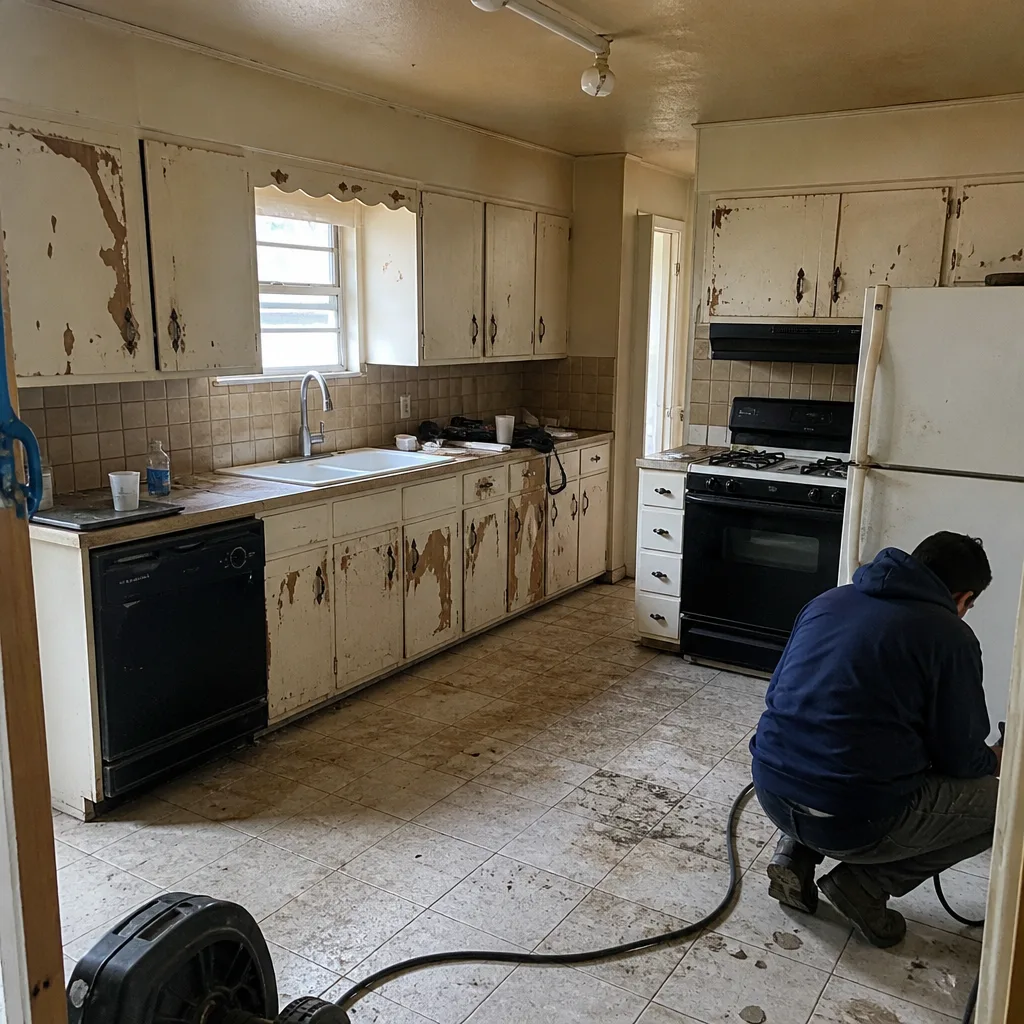
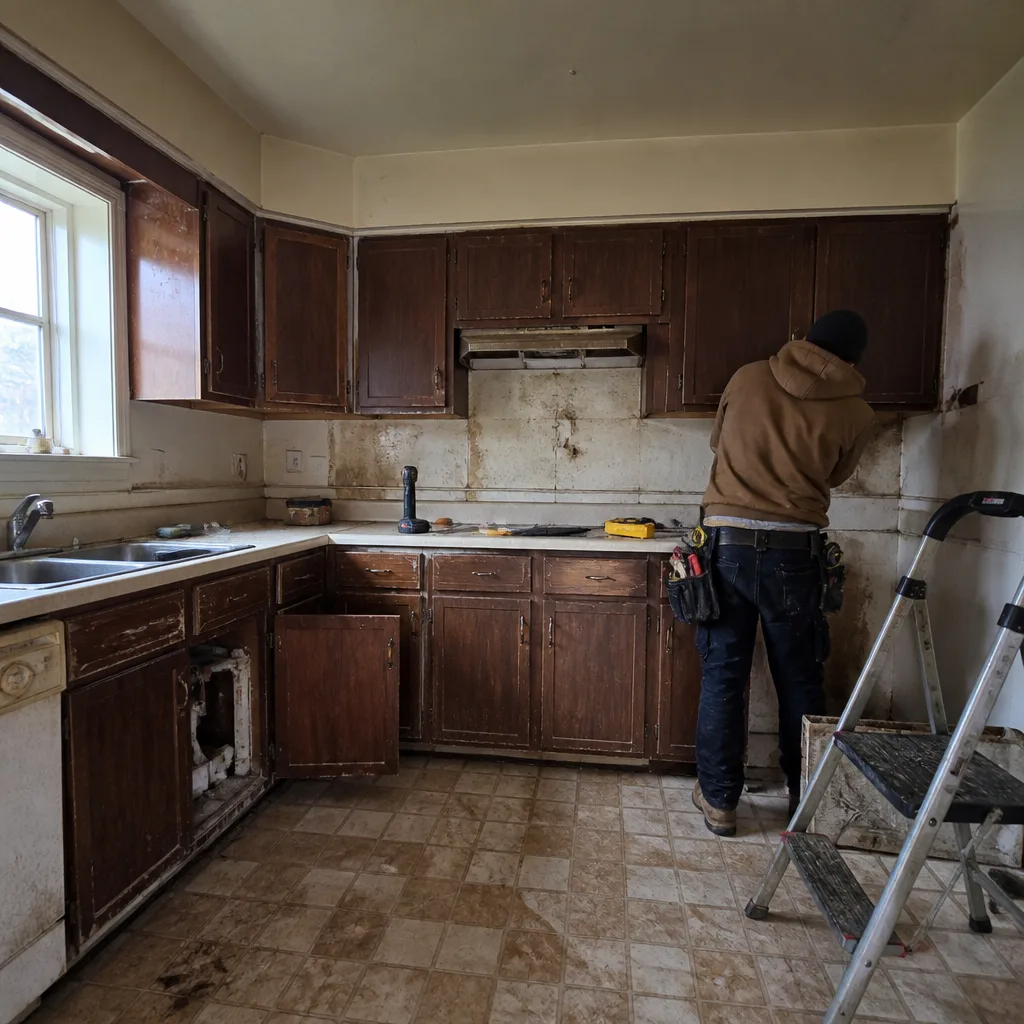
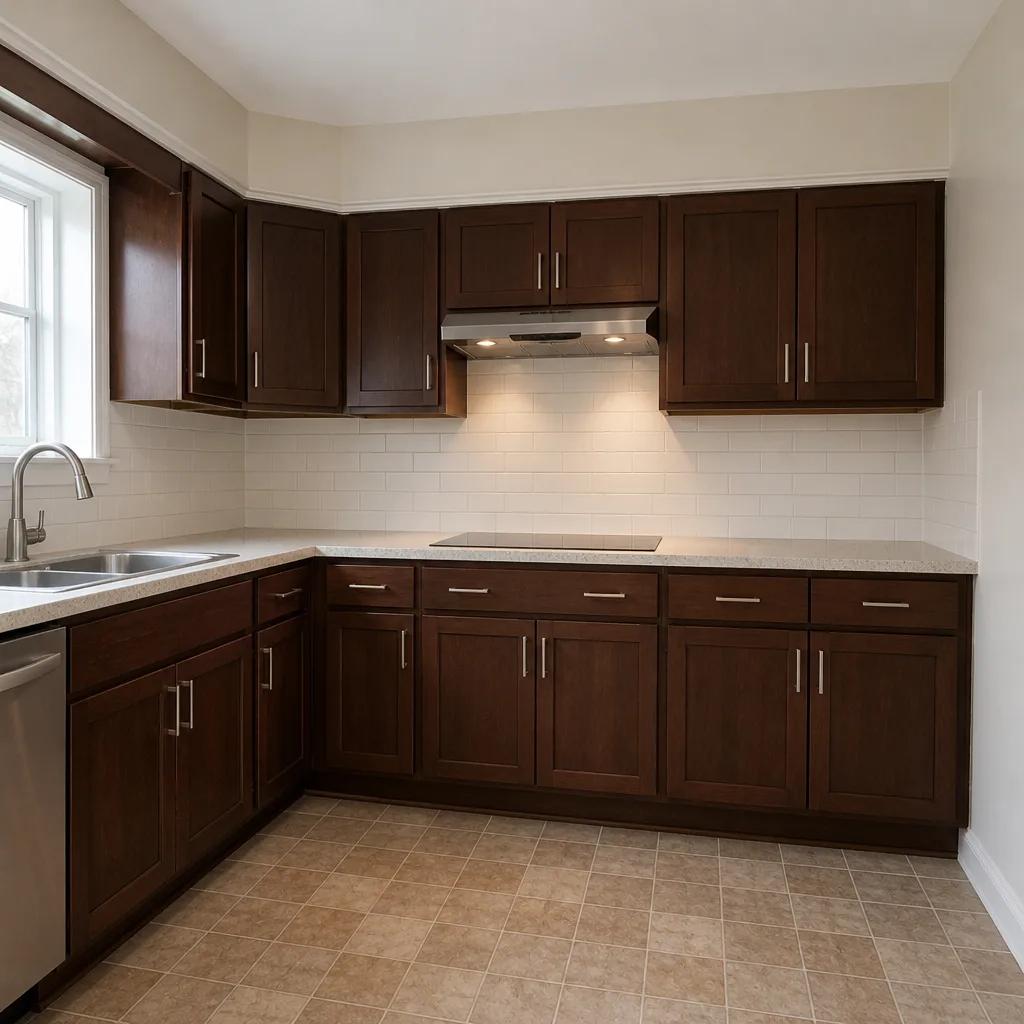
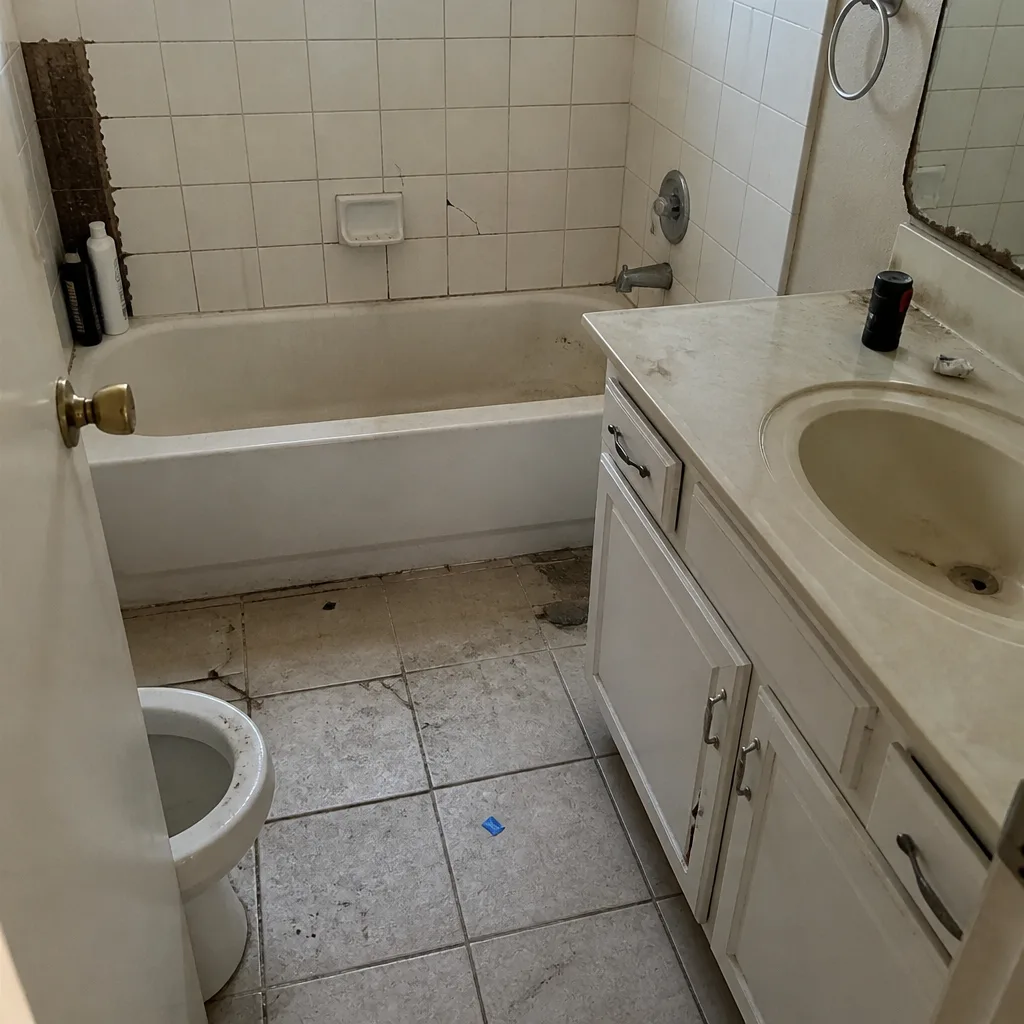
See the difference
 Before
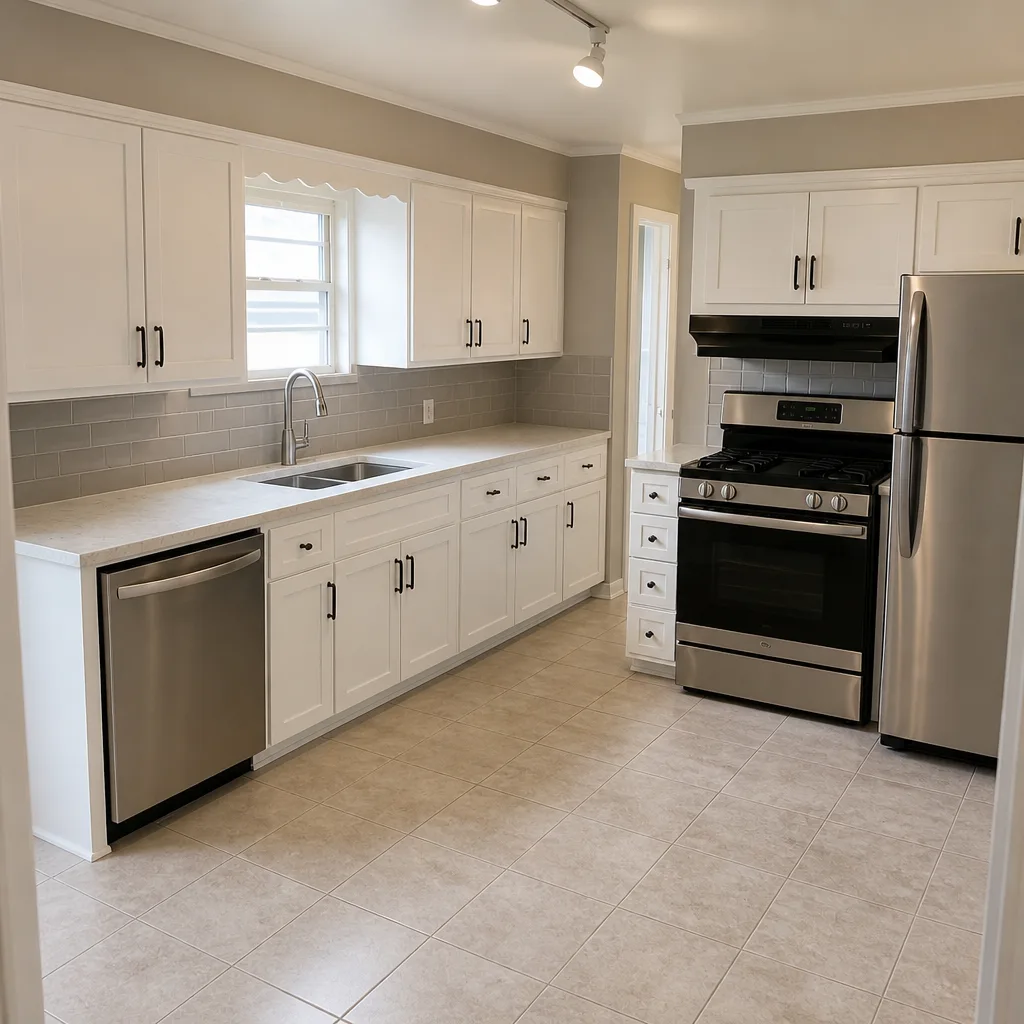 After
 Before
 After
 Before
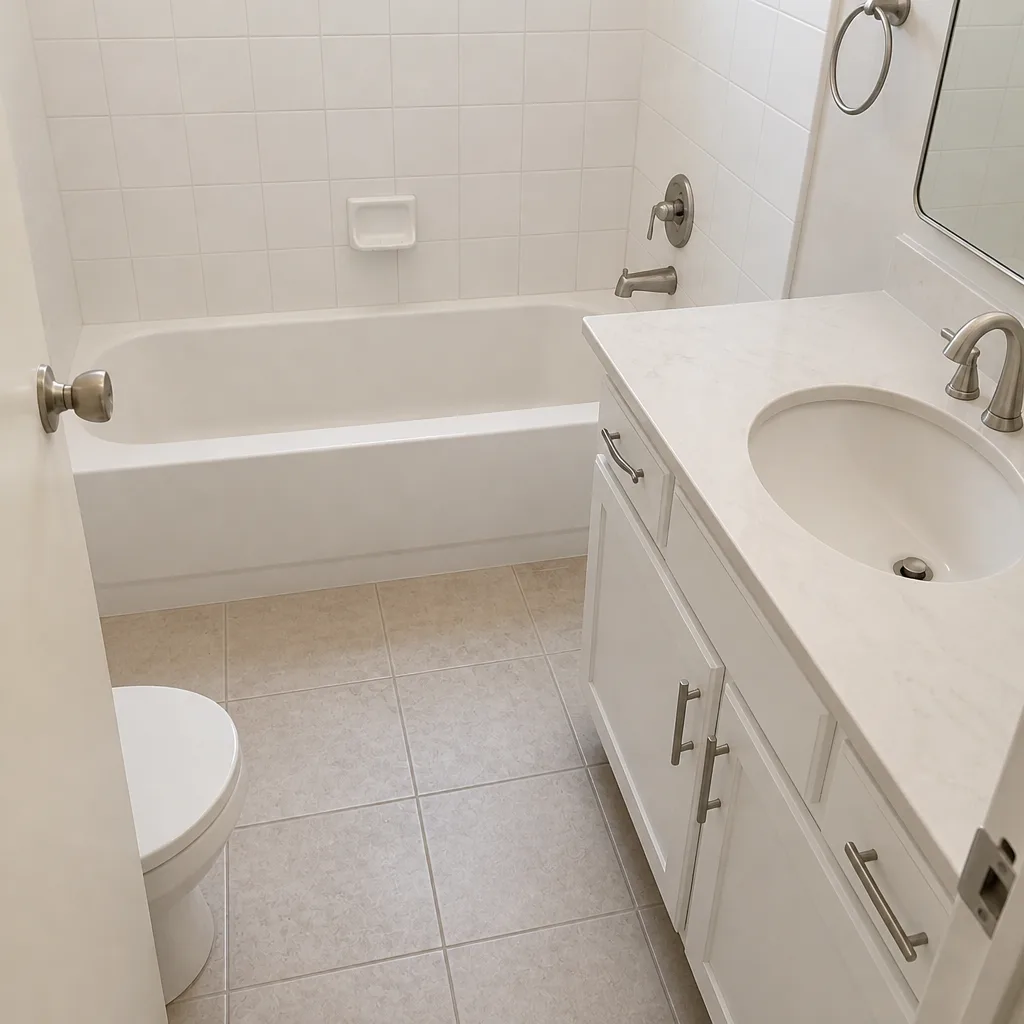 After
When to Call a Professional
Some items in this schedule are safe to check yourself. Others aren’t, and the difference matters.
Call a professional if you find foundation cracks wider than 1/16 inch or any crack that’s grown year over year; if you see staining on the underside of roof decking or around any penetration; if you notice a hollow sound under tile edges or darkening at a shower curb; if the HVAC shows ice buildup, condensation pooling, or a refrigerant smell; if any electrical outlet, switch, or panel faceplate is warm to the touch or buzzing; or if you smell gas at any time. Those are not DIY items. High-tension components, gas lines, and structural movement call for a trained professional, not a weekend project.
Bradford Remodeling Co Grand Prairie offers free estimates in Grand Prairie for any of the repair scopes above, and we’ll tell you in writing whether the item falls under warranty or under maintenance before anything is scheduled. Call (888) 255-7593.
Frequently Asked Questions
Inspect the completed work at 30, 60, and 90 days after project close, then annually. The 30-day check catches curing and settling defects, the 60-day check catches mechanical and water issues, the 90-day check catches structural and envelope movement, and the annual check keeps manufacturer warranties valid. Call (888) 255-7593 and we’ll walk through the schedule for your specific project at no charge.
Yes, most major warranties on roofing, windows, HVAC, and waterproofing carry owner-initiated inspection or service requirements. GAF, CertainTeed, and Owens Corning premium shingle warranties carry maintenance clauses; Therma-Tru and ECO Window Systems warranty terms require sealant and weatherstripping maintenance; and nearly all HVAC manufacturers require annual professional service to keep parts coverage. Miss the requirement and the claim can be denied regardless of install quality. Call (888) 255-7593 for a free estimate on any warranty-related repair.
Grand Prairie’s expansive Blackland clay moves more than most Texas soils, which means your foundation should be inspected and photo-measured annually, not once every five years. Exterior caulk joints also fail faster here (roughly 12-18 months between recaulking cycles instead of the 3-5 years quoted in national guides). Homes near the Joe Pool Lake area and along the Trinity River bottomlands see more movement than higher-ground properties. Call (888) 255-7593 for a free estimate if you’ve seen foundation movement.
A problem is a warranty callback if it’s a defect in materials or workmanship that appears within the warranty window and matches the installed scope. It’s normal maintenance if the issue is aged-out caulk, HVAC filter and service, seasonal debris clearing, or any wear-and-tear item not related to new work. Bradford’s 365-Day Done Right Promise covers the first category in full (we return and correct at no charge); the second category gets a written price before any work starts. Call (888) 255-7593 and we’ll tell you which category a specific issue falls into.
Photograph every room and exterior elevation on final walkthrough day with labeled file names, then repeat the exact same angles at 30, 60, and 90 days, and annually afterward. Include manufacturer labels or serial numbers in the frame for equipment and windows, and store the photos in a dated cloud folder alongside the written scope and warranty booklets. That photo timeline is what turns a year-two claim from an argument into a record. Call (888) 255-7593 if you need help establishing that baseline on a prior project.
Yes. Every Bradford Remodeling Co Grand Prairie project carries the 365-Day Done Right Promise: if the work fails within the guarantee window, we return and correct it at no charge. A live person answers the phone at any hour, and if the issue is covered, we schedule the return visit and confirm in writing what we’re fixing and when. If the issue is normal maintenance, you get a written price before any work begins. Call (888) 255-7593 for a free estimate on either path.
The Bottom Line
A remodel isn’t a maintenance-free event. It’s a handoff that starts a documented inspection schedule, and the manufacturer warranties on your new roof, windows, HVAC, and waterproofing depend on you running that schedule. The 30-60-90 day windows catch defects while they’re still the contractor’s responsibility. The annual calendar in Grand Prairie’s clay soil is not optional, because the soil moves and the caulk ages faster than national averages suggest. Photo-document everything from day one. Know the difference between a warranty callback and normal maintenance before the phone call, not after. And when in doubt, get a written answer from the contractor whose name is on the install.
If you’re planning a remodel or need help establishing a documentation baseline on a recent project, call Bradford Remodeling Co Grand Prairie at (888) 255-7593 for a free estimate. A live person picks up. The price is in writing before any work starts. The guarantee is signed and in your hand at project close.
Written by the team at Bradford Remodeling Co Grand Prairie.