Last updated November 18, 2026

Free written scope consultation - allowances, timeline, and change-order rules on paper before a single trade is scheduled
DIY vs Professional Kitchen Remodeling: What’s Safe to Do Yourself
A homeowner who installs their own kitchen backsplash saves maybe $400 in labor. A homeowner who relocates a gas line without a permit to save $600 creates a material defect disclosure obligation that can crater a home sale years later. That’s the whole argument in two sentences: the DIY-or-hire decision isn’t binary, and it isn’t about confidence. It’s a task-by-task call, and three items (electrical, gas, and anything that touches the permit) are where the wrong choice follows the house title. This guide draws those lines by Texas code, not by what a video made look easy. We work kitchens across Grand Prairie every week, and we’ve watched both kinds of mistakes walk through the door.
Quick Answer
In Texas, you can legally DIY cabinet installation on an existing layout, backsplash tile, hardware, painting, and light fixture swaps on existing circuits. You cannot legally DIY gas line work, panel upgrades, new circuit runs, or drain relocation without a licensed trade contractor and a permit. The permit is the fork in the road: pull one for part of a phased DIY kitchen and do unlicensed electrical inside the same scope, and the inspection can flag the entire project.
Styles & brands we work with
- Kitchen remodeling
- Bathroom remodeling
- Home additions & ADU
- Roofing
- Windows & doors
- Driveway & pavers
- Fence
Table of Contents
- The Task-by-Task Table: DIY-Legal in Texas or Not
- What Requires a Licensed Trade in Texas (No Exceptions)
- Where Competent DIY Is Legitimate and Low-Risk
- How Permit Exposure Works in a Phased DIY Kitchen
- The Coordination Risk of Hybrid DIY and Pro
- Grand Prairie Context: Climate, Code, and Housing Stock
- Common Mistakes to Avoid
- When to Call a Professional
The Task-by-Task Table: DIY-Legal in Texas or Not
Here’s the straight answer, task by task. No qualifications, no “it depends.” If you want the line without reading the rest of this guide, screenshot this.
| Kitchen Task | DIY-Legal in Texas | Permit Required | Licensed Trade Required | Risk if Done Wrong |
|---|---|---|---|---|
| Cabinet install (existing layout) | Yes | Usually no | No | Low to moderate (cosmetic, water intrusion if sloppy) |
| Backsplash tile | Yes | No | No | Low (cosmetic) |
| Hardware, pulls, knobs | Yes | No | No | Low |
| Painting | Yes | No | No | Low |
| Light fixture swap (existing circuit) | Yes | No | No | Moderate (shock if circuit not killed at panel) |
| New circuit run | No | Yes | Yes (electrician) | High (fire, code, insurability) |
| Panel upgrade | No | Yes | Yes (electrician) | High (fire, code, insurability) |
| Gas line relocation or new gas appliance hookup | No | Yes | Yes (plumber) | High (fire/explosion, disclosure defect) |
| Drain relocation / sink rough-in change | No | Yes | Yes (plumber) | High (leak, mold, structural) |
| Wall removal (load-bearing) | No | Yes | Yes (engineer + contractor) | High (structural failure) |
| Countertop fabrication and install | Technically yes | Usually no | Fabricator in practice | Moderate (seams, weight, Cambria and Caesarstone need certified fabricators) |
A note on the countertop row: technically you can install a slab yourself. In practice, a Cambria or Caesarstone surface comes with a manufacturer warranty that requires a certified fabricator. Do it yourself and you don’t just lose the warranty, you lose the whole point of paying for the material.
What Requires a Licensed Trade in Texas (No Exceptions)
Texas doesn’t license general contractors statewide, but it does license and regulate the trades that carry fire and life-safety risk. Four kitchen scopes land squarely in that bucket. Skill doesn’t matter here. What matters is the license and the permit.
Gas line work. Any relocation, extension, or new appliance hookup on a gas line requires a licensed plumber and a permit through the local authority. Period. This is the one where the downside can kill someone. If you smell gas, kill the supply at the meter and call a plumber, not a neighbor.
Panel upgrades. A kitchen remodel that adds a double oven, induction cooktop, or a dedicated 20-amp circuit for a coffee station often triggers a panel upgrade. That work requires a licensed electrician and a permit. Load calculations, breaker sizing, and grounding all get inspected.
New circuit runs. Any new circuit, whether it’s an outlet behind a refrigerator, under-cabinet lighting on its own switch, or a dedicated range circuit, requires a licensed electrician and a permit. This is not about whether you can fish wire through a stud bay. It’s about the inspection and the disclosure.
Drain relocation. Moving a sink, dishwasher, or icemaker across the kitchen means roughing in new drain lines. Licensed plumber, permit required. Wrong slope on a drain line means slow clogs and mold inside a wall you’ll pay to rip open again.
For any scope beyond these four, we recommend the same approach we take on our general contractor work in Grand Prairie: write the scope, name the trade, and don’t start until the permit is in hand.
Where Competent DIY Is Legitimate and Low-Risk
We’re not here to tell you to hire out everything. A homeowner with a level, a weekend, and patience can do legitimate, money-saving work on their own kitchen. Here’s the short list where the risk is low and the labor savings are real, roughly $300 to $1,800 depending on the task.
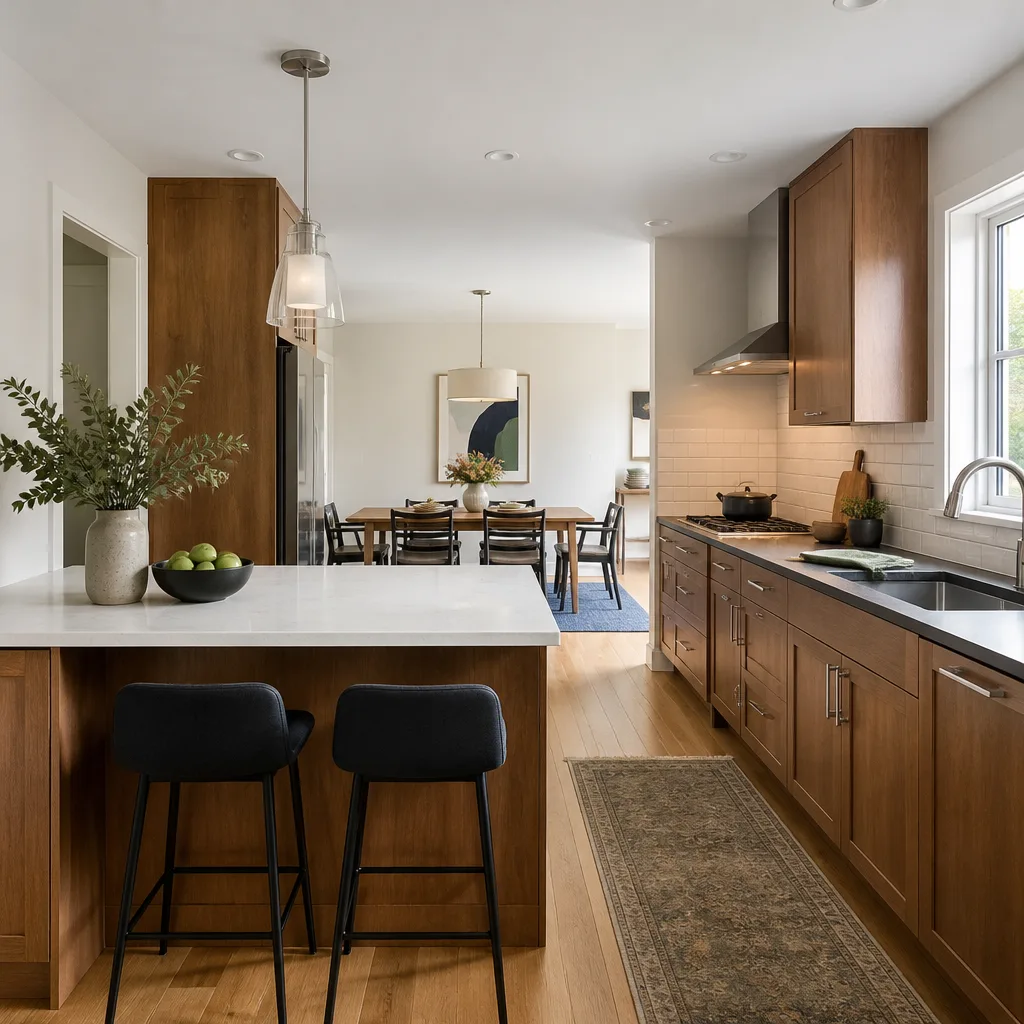
- Cabinet installation on an existing layout. If the boxes are coming out of and into the same footprint, you can install cabinets yourself. The catch: level is everything. A cabinet run that’s 1/8-inch out of level telegraphs through the countertop and doors.
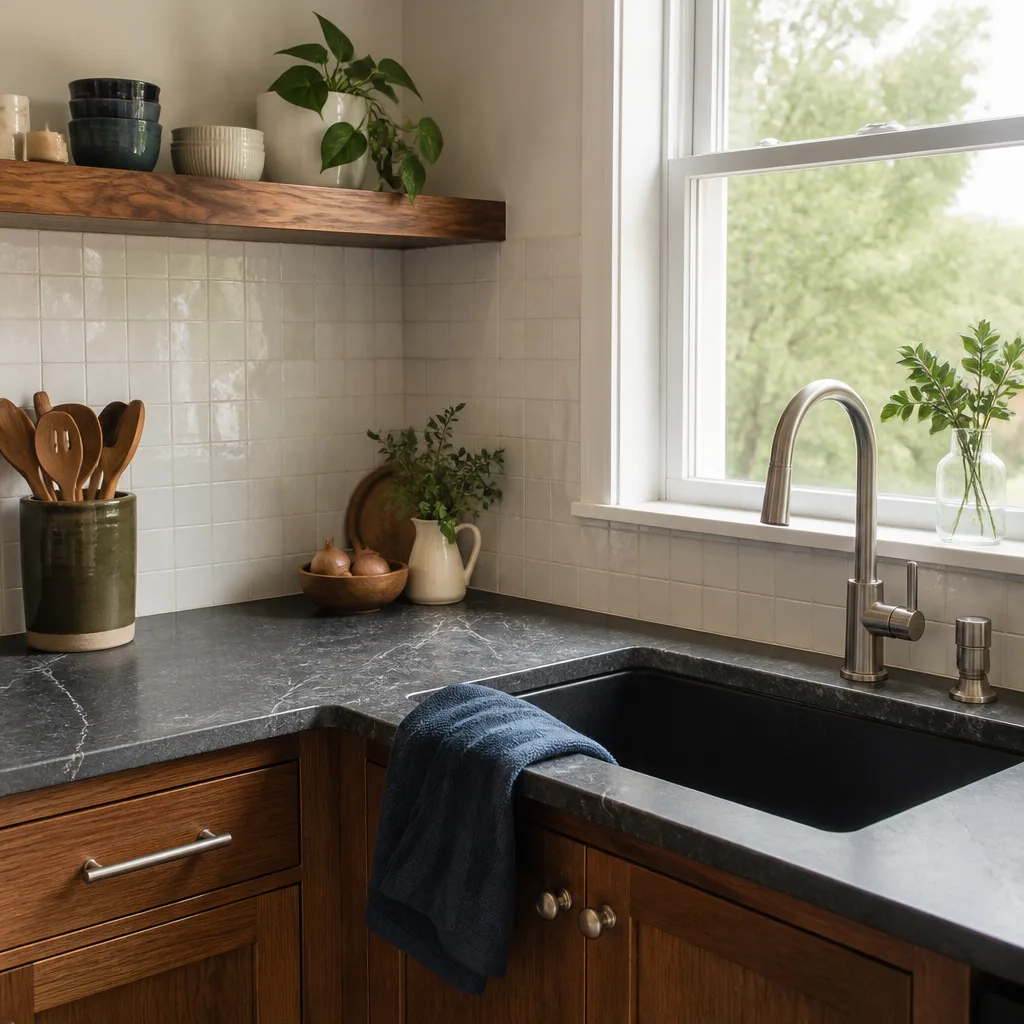
- Backsplash tile. Laying subway or staggered tile between counter and uppers is a genuine DIY win. A tile float, a wet saw rental, and thin-set. The $400 you save in labor is real money.
- Hardware and pulls. Drilling for knobs and drawer pulls takes a template and 30 minutes. Get the spacing on a template and you won’t drill twice.
- Painting. Walls and ceilings. If your kitchen has 30-year-old oil-based paint, sand and prime before you roll.
- Light fixture swaps on existing circuits like-for-like. If a pendant or a flush-mount is wired to a box that already exists, you can swap the fixture. Kill the breaker, verify with a non-contact tester, and don’t touch anything that isn’t already a wire nut.
The common thread: cosmetic, reversible, and doesn’t touch gas, water, or a new electrical circuit. If you can see it, paint it, tile it, or hang it, it’s probably in DIY territory.
How Permit Exposure Works in a Phased DIY Kitchen
This is the part most homeowners don’t know until it’s too late. In Grand Prairie, when you pull a permit for one part of a kitchen project, that permit establishes a scope on record. If you pull a permit for cabinet work, or for a countertop replacement, or for a new island footing, the inspector who shows up has a scope document in hand. And that document is a map of what’s supposed to be inside that kitchen.
Do unpermitted electrical work inside a kitchen that’s already under permit, and the inspection can flag the wider scope. This happens in three common patterns:
- Phase 1: cabinets replaced. Permit pulled. Inspector shows up. Notices new outlets that weren’t on the original plans. Asks for the electrical permit.
- Phase 2: new under-cabinet lighting. Homeowner intended to DIY later. But now it’s inside a permitted scope, and the electrical has to be signed off by a licensed electrician before the final inspection clears.
- Phase 3: gas line already moved. Homeowner moved a gas cooktop line six months ago “for now.” The plumber now doing the permit inspection has to expose and re-do it, or the final won’t clear.
The fix is boring but saves massive headaches: decide the whole scope before you pull permit number one. If electrical, plumbing, or gas is going to be touched at any point within the remodel window, get the permit for that scope now. One plan, one permit list, one inspection cycle.
The Coordination Risk of Hybrid DIY and Pro
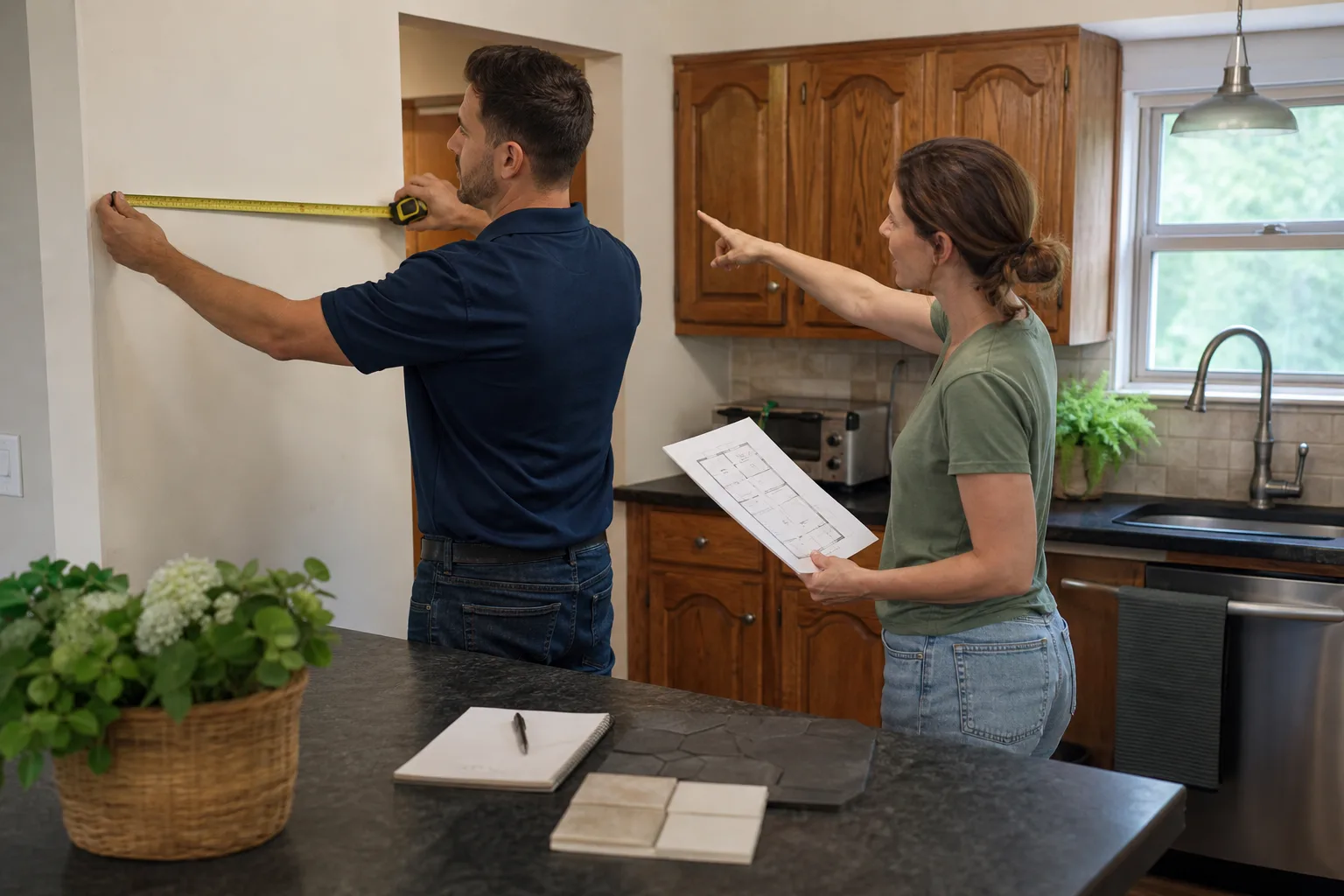
Here’s what nobody puts in a YouTube video: when you’re running your own DIY work between licensed sub visits, you’re the general contractor. That’s a real skill, and it has a real cost when it goes wrong.
Say you hire an electrician to rough in new kitchen circuits on a Tuesday. He needs open walls. You planned to demo the drywall yourself on Monday night. If you’re not done, he reschedules for a week out. Now your plumber’s Friday rough-in can’t happen, and your cabinet delivery sits in the garage for two weeks. Every gap in a hybrid remodel costs money: re-mobilization fees on the sub side, storage on the material side, and rental time on the tool side. We routinely see hybrid DIY/pro kitchens ending up $2,000 to $5,000 more expensive than a fully-managed scope, all in scheduling friction.
The steps to manage it, if you’re going to run it:
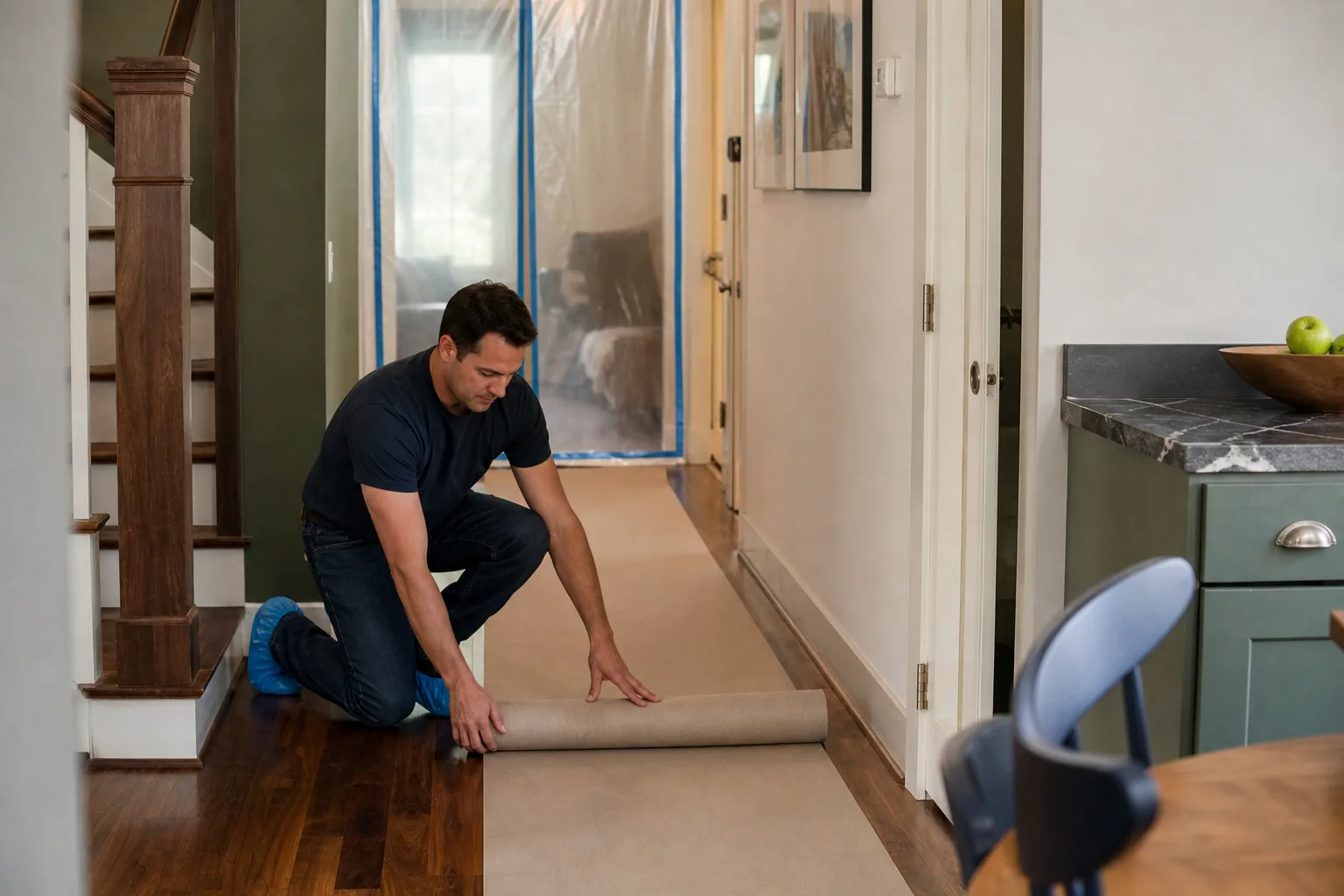
- Write the sequence on paper. Demo, then rough electrical, then rough plumbing, then inspection, then drywall, then cabinets, then countertop template, then install, then finishes, then final inspection. No shortcuts.
- Confirm each sub’s date 48 hours out. Not the day of. And confirm access, parking, and material staging in the same call.
- Never overlap inspection day with new construction. If a rough-in is being inspected, do nothing else that day. Anything you build during an inspection that fails to pass gets torn out anyway.
- Book subs in order, in writing, before you start demo. Verbal “I’ll come Tuesday” doesn’t survive contact with a real schedule.
Grand Prairie Context: Climate, Code, and Housing Stock
A kitchen in Grand Prairie is not a kitchen in Seattle or Phoenix, and the local differences matter for the DIY-vs-hire call.
Climate. North Texas summers push attics to 150 degrees, and kitchen exhaust and HVAC loads are higher here than in most of the country. If your remodel is replacing a downdraft cooktop with a hood, the vent run has to be sized to NFPA-acceptable capture rates. That’s a real trade call, not a weekend one. Winter freezes like February 2021 also mean any pipe in a kitchen exterior wall should be insulated and sleeved. That’s plumbing-adjacent work you shouldn’t DIY.
Housing stock. Grand Prairie has a lot of homes built between 1975 and 2005, particularly in neighborhoods like Westchester, Dalworth, and the older pockets near downtown. Kitchens in that era often have aluminum branch wiring (pre-1972 houses mostly), 100-amp panels that were sized for a simpler kitchen, and cast-iron drain lines that are reaching end of life. A “simple” cabinet replacement can turn into a panel upgrade and a drain reroute once the wall is open. Budget for that discovery.
Code. Grand Prairie follows the International Residential Code with local amendments, and permit review goes through the city’s development services. Small cosmetic work (paint, tile, hardware) is generally exempt. Anything that touches electrical circuits, plumbing supply or drain, gas, or structural goes through permit review. Our kitchen remodeling team in Grand Prairie pulls permits for every project that needs one, and every project gets a final inspection before we hand you the keys back. The permission to do the work is what protects your house title later.
Common Mistakes to Avoid
- Pulling a permit for the cabinets and hoping the inspector ignores the electrical. He won’t. The inspection is a document review, and the electrical has to be signed off by a licensed electrician before the final clears.
- Believing “I know a guy” counts as a licensed trade. In Texas it doesn’t. A “guy” who does gas work without a license creates an unpermitted, un-inspectable defect that follows the house title.
- Skipping a permit to save the inspection fee. The inspection fee in Grand Prairie typically runs a few hundred dollars. The disclosure hit on a home sale when the buyer’s inspector finds unpermitted work runs into the thousands, or the deal.
- Ordering cabinets before the electrical rough-in is final. If the panel won’t carry a 40-amp double oven circuit, your cabinetry is useless. Confirm electrical capacity first.
- Choosing Cambria or Caesarstone slab and installing it yourself. You lose the manufacturer warranty. Those surfaces require certified fabricators, which is why we specify them with manufacturer warranty intact.
- Dismissing the drain reroute because “the sink isn’t moving.” New dishwashers, icemakers, and pot fillers often need drain capacity the existing line doesn’t have. Plumber call, not weekend call.
- Starting demo before the material delivery date is confirmed. In Grand Prairie we’ve seen kitchens sit demo’d for three weeks because a KraftMaid or Wellborn order got pushed. Confirm delivery in writing before the first hammer swing.
When to Call a Professional
Call a professional if any of these are true: your remodel touches gas, you need a new circuit or panel, you’re moving the sink or dishwasher, a wall might be load-bearing, or you want a firm written price before a tool comes out. Also call if you’re not sure whether the wall is load-bearing. Guessing wrong on that one is a five-figure mistake.
A licensed, insured contractor also gives you something you can’t DIY: a written scope, a written price, and a written guarantee. Our Bradford Remodeling Co Grand Prairie home page lays out exactly what a project runs from first call to final walkthrough, and every finished kitchen carries our 365-Day Done Right Promise: if it’s not done right, we come back and correct it at no charge, for a full year. Bradford Remodeling Co Grand Prairie offers free estimates in Grand Prairie. Call (888) 255-7593 and a live person picks up, day or night.
See the difference
 Before
 After
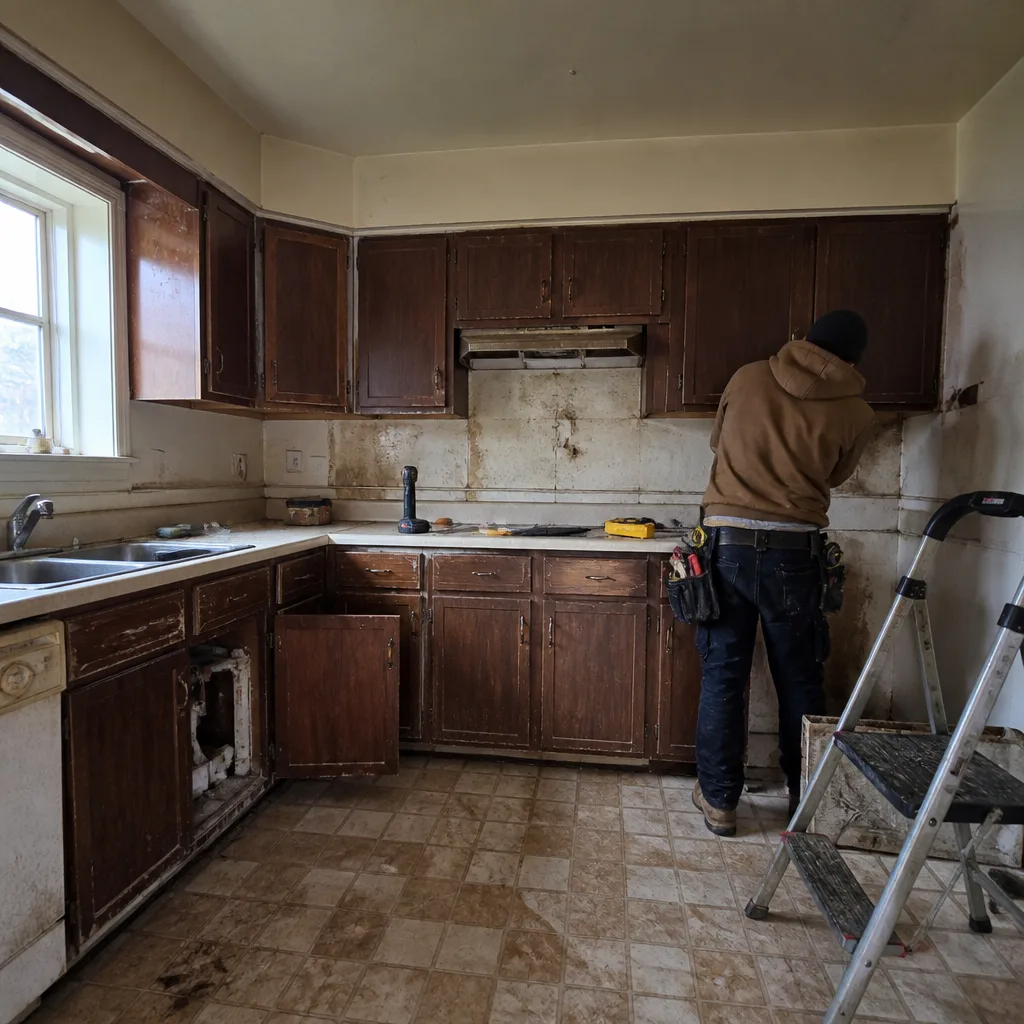 Before
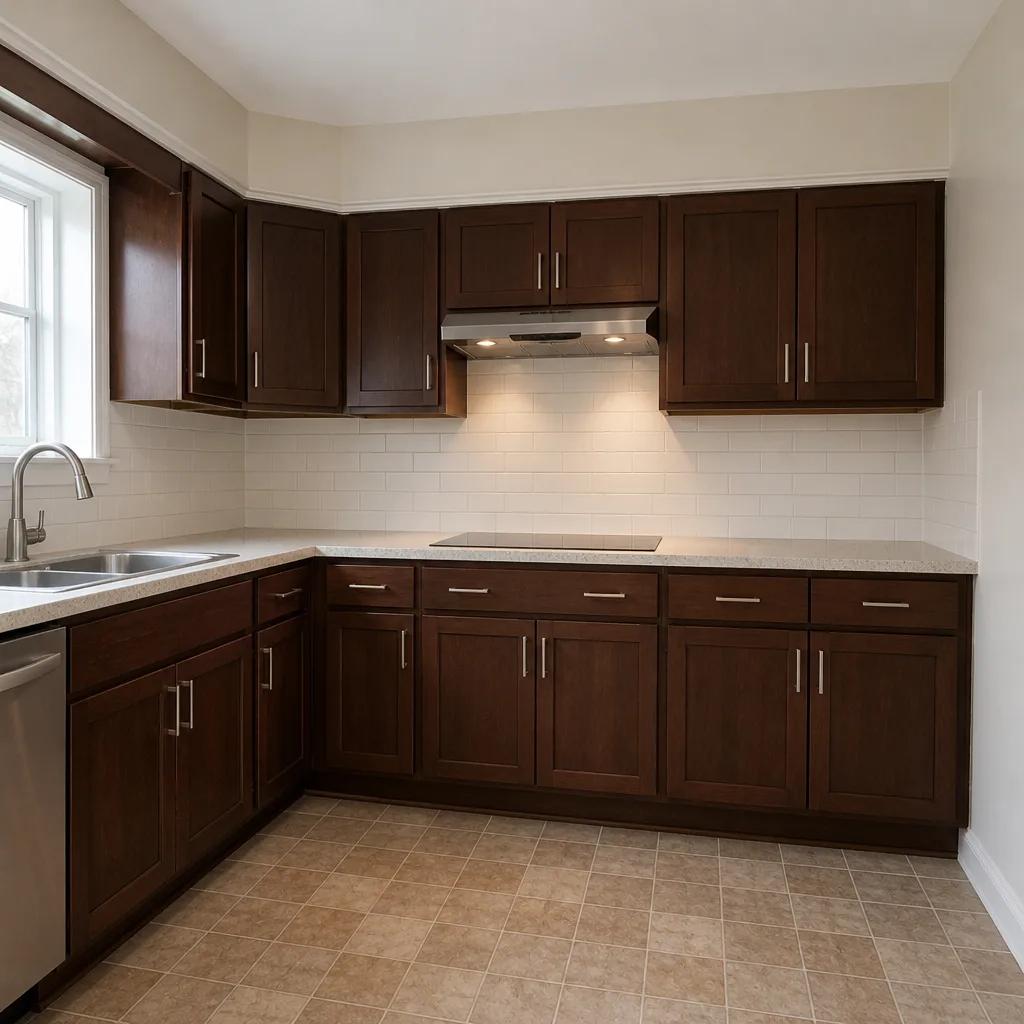 After
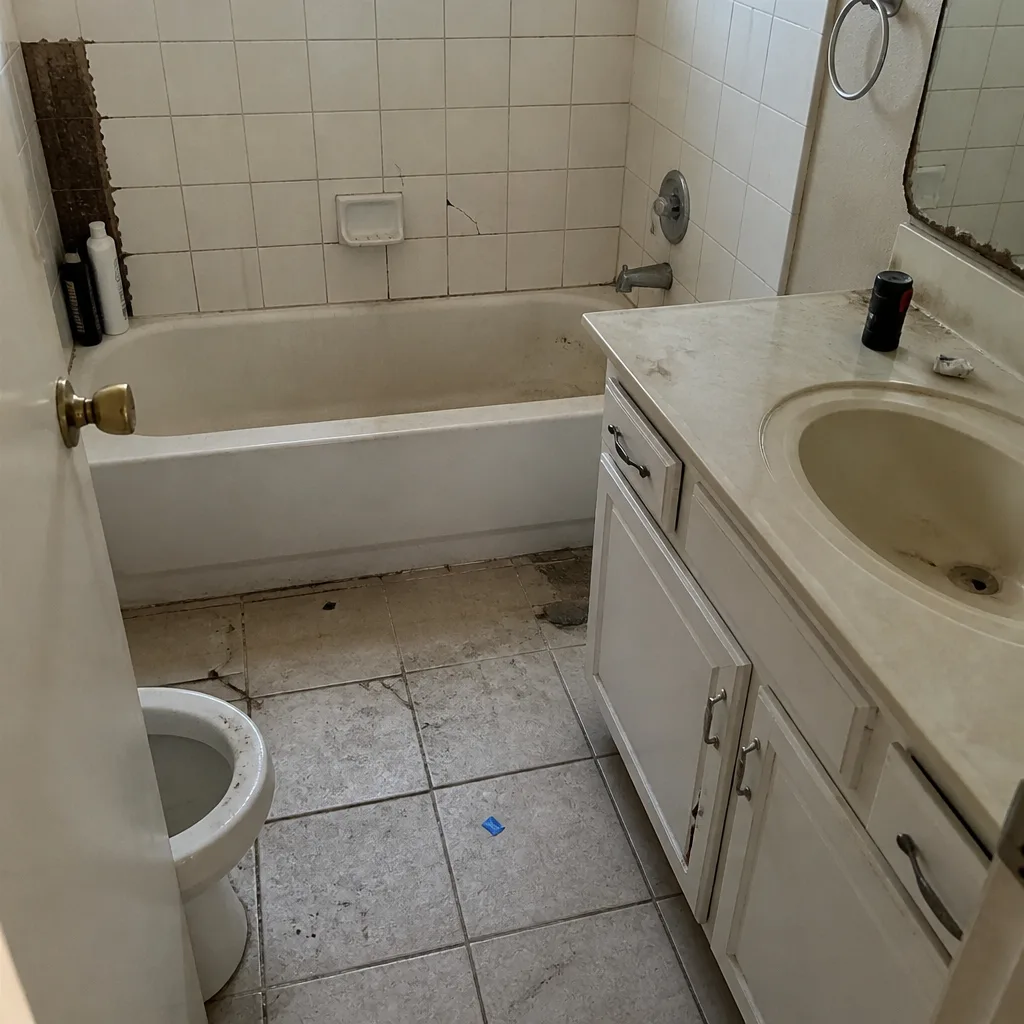 Before
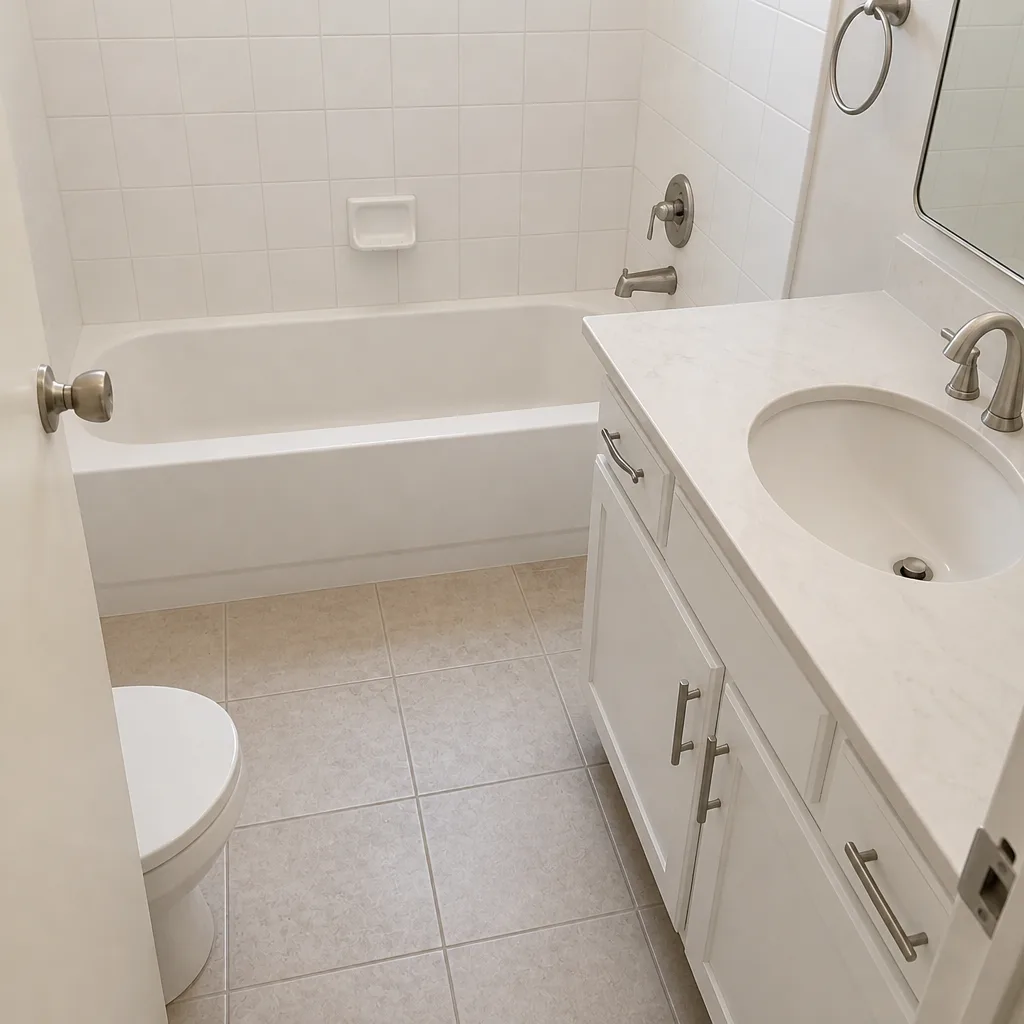 After
Frequently Asked Questions
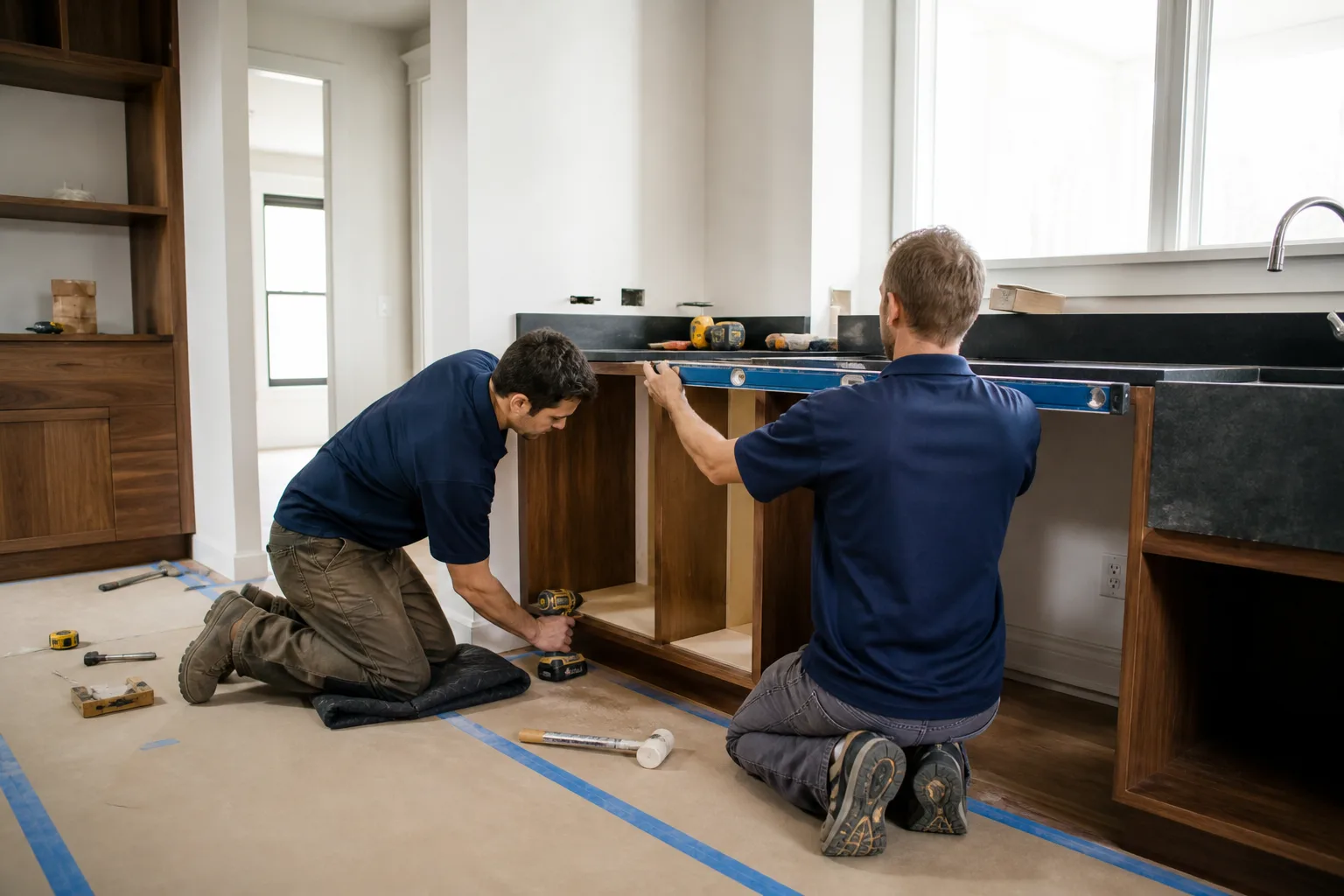
Yes. Cabinet installation on an existing layout is legal to DIY in Texas, and no permit is usually required. The risk is level and load: cabinets out of level telegraph through the countertop, and upper cabinets need proper blocking in the studs. If your uppers are going onto new blocking or new walls, get a contractor to inspect before you hang them.
No. Replacing a faucet like-for-like on existing supply and drain is cosmetic and doesn’t require a permit. Moving the supply or drain line does. If you’re switching from a low-arc to a high-arc pull-down or adding a pot filler that requires a new supply line behind the wall, that scope needs a permit and a licensed plumber.
The inspection can flag the entire scope. In Grand Prairie, when the inspector sees unpermitted electrical inside a permitted kitchen, the electrical has to be signed off by a licensed electrician before the final inspection clears. That can delay the project weeks and add cost. It can also require opening drywall you already closed. Call (888) 255-7593 for a free estimate if you’re already mid-project and need the electrical scope squared away.
Real numbers: backsplash tile saves about $400 in labor on a standard 30-square-foot run; cabinet hardware around $150 to $300; painting around $800 to $1,500 on a mid-size kitchen; a light fixture swap saves $75 to $150 per fixture. The total realistic DIY savings on a $30,000 kitchen run about $2,000 to $4,000. That’s real money, and it’s worth doing where the scope is safe. Call (888) 255-7593 for a free line-item quote if you want to compare the numbers side by side.
Often yes, by $2,000 to $5,000 in scheduling friction and re-mobilization. When you self-manage between licensed sub visits, every gap in the sequence costs money on both the labor and material side. A written schedule from a single contractor usually comes in lower once the friction is priced in.
Only after an engineer or a licensed contractor has confirmed in writing that it isn’t load-bearing. In Grand Prairie homes built between 1975 and 2005, “not load-bearing” is often an assumption, not a fact. Removing a wall in a house with a structurally continuous ceiling frame can cause deflection that shows up as cracked drywall in three rooms. Get it confirmed on paper before you swing a sledgehammer. Our bathroom remodeling team in Grand Prairie handles structural scope decisions with the same rule: no wall comes down without written confirmation.
The Bottom Line
The DIY-or-hire call on a kitchen isn’t about confidence. It’s three lines drawn by Texas code: gas goes to a plumber, electrical and new circuits go to an electrician, and anything on the permit list goes to a licensed, insured contractor. Cosmetic scope (tile, hardware, paint, cabinet install on existing layout, like-for-like fixture swaps) is genuine DIY territory and worth the savings. The permit is the fork that decides the rest. Decide the whole scope before permit number one, sequence the trades in writing, and get a firm written price from somebody whose name is on the work. That’s the same discipline we build every Grand Prairie kitchen around.
Call (888) 255-7593 for a free estimate. A live person answers 24/7, every project gets a written price before any work begins, and every completed kitchen is covered by the 365-Day Done Right Promise.
Related Reading
- General Contractor in Grand Prairie – what a permit-managed kitchen project actually looks like from first call to final inspection.
- Kitchen Remodeling in Grand Prairie – full scope, brand specifications, and pricing ranges for Grand Prairie kitchens.
- Bathroom Remodeling in Grand Prairie – the same permit and trade rules applied to bathroom scope.
Written by the team at Bradford Remodeling Co Grand Prairie.