Last updated November 18, 2026





Free written scope consultation - allowances, timeline, and change-order rules on paper before a single trade is scheduled
Home Remodeling Warning Signs Every Homeowner Should Know
The contractor who showed up on time and gave you a confident handshake is not necessarily the one who will finish your project. That’s the uncomfortable part most homeowners never hear: the serious red flags usually appear before a single permit is pulled, not during the demolition. The one who delays sending a written contract, can’t name their subcontractors, or quotes “time and materials” on a fixed-scope job is showing you exactly who they are before they touch your house. In this guide we’ll separate pre-contract warning signs from in-progress and post-completion ones, show you what a real contract must contain, and give you a ten-minute verification routine you can run in Grand Prairie before you sign anything.
Quick Answer
The biggest home remodeling warning signs are a contractor who won’t put a fixed price and full scope in writing, who asks for a large deposit before any materials are ordered, and who can’t or won’t name the subcontractors and brands going into your job. These signals show up before construction starts, and they predict far more about how a project ends than a friendly handshake or a low bid ever will.
Styles & brands we work with
- Kitchen remodeling
- Bathroom remodeling
- Home additions & ADU
- Roofing
- Windows & doors
- Driveway & pavers
- Fence
Table of Contents
- Pre-Contract Red Flags: Where Bad Contractors Expose Themselves
- What a Legitimate Remodeling Contract Must Contain
- The Large Deposit and Slow Start Pattern
- How to Verify a Texas Contractor in Under 10 Minutes
- In-Progress Warning Signs and What They Mean
- What to Do If Warning Signs Appear Mid-Project
- Post-Completion Red Flags and the Guarantee Test
- Common Mistakes to Avoid
Pre-Contract Red Flags: Where Bad Contractors Expose Themselves
Most homeowners are trained to watch the work. They inspect the tile, check the paint line, count the days the crew shows up. That instinct is backward. By the time the work starts, the money is already committed and the leverage has shifted. The paper trail before the contract is signed is where a contractor’s discipline shows, and where the weak ones slip.
Here’s what to watch in the pre-contract window, the phase almost every guide skips:
- A verbal price that won’t harden into writing. If a number gets quoted at your kitchen table but never appears on a signed page, that number is a starting point, not a price. A written price before any work starts is the baseline, not a favor.
- No scope description in trade terms. A real scope names the substrate, the rough-in, the soffit, the sheathing. A one-line “remodel bathroom” is not a scope, it’s a wish.
- Vague or missing subcontractor names. Ask who is doing the electrical, the plumbing, the tile. A contractor who hesitates either doesn’t know who’s on their crew next week or doesn’t want you to know.
- No brand or material callouts. “Quality materials” is a phrase, not a spec. A disciplined contractor names KraftMaid or Wellborn cabinetry, Cambria or Caesarstone surfaces, Kohler or Moen fixtures. Traceable specs are how a guarantee has something to stand on.
- Pressure to sign the same day. Any urgency at the proposal stage is a tactic. Real contractors don’t need a countdown timer to win your business.
In our experience across Grand Prairie, homeowners who catch these five pre-contract signals early save themselves the mid-project scramble. They also lock in a price that doesn’t move at the door. If you want to see what a fully squared-away pre-construction packet looks like, browse our Bradford Remodeling Co Grand Prairie home page for the standards we hold every project to under The Garrison Standard.
What a Legitimate Remodeling Contract Must Contain
A remodeling contract is not a formality. It’s the document that protects the scope, the price, the timeline, and your right to a remedy if something fails. Whether you’re planning a kitchen remodel in Grand Prairie or a whole-home rework, the contract must contain the following before a single tool comes out:
- Scope of work in trade terms. Room by room, system by system. “Install 1/2-inch drywall over new framing” is scope. “Fix walls” is not. Substrate and rough-in decisions get named, not implied.
- Fixed price and payment schedule tied to milestones, not calendar dates. Payments should follow progress – framing inspected, rough-in passed, cabinetry set – not the first of the month. Calendar-based billing pays a contractor for time, not for work.
- A defined change order procedure. Every legitimate contract spells out how a scope change gets priced, approved in writing, and signed before the change is executed. No verbal “we’ll square up later.”
- A lien waiver process. Subcontractors and suppliers can file a mechanics lien on your home if they aren’t paid. Your contract should require written lien waivers at each payment stage, so your title stays clean.
- A written guarantee with a specific term. Not “we stand behind our work.” A number. A defined coverage window. At Bradford, that’s the 365-Day Done Right Promise: if the work fails within the full year after completion, we come back and correct it at no charge.
- Insurance and licensing documentation attached. Not promised over the phone. Attached to the contract as photocopies.
- Start date and substantial completion date. Both stated, with a written definition of what “substantial completion” means on your job.
If your contractor’s proposal is missing two or more of these, treat that as a pre-contract red flag. A general contractor in Grand Prairie who runs on a documented standard will hand you a packet – not a price on the back of a business card.
The Large Deposit and Slow Start Pattern
This is the most common cash-flow scheme in the DFW remodeling market, and it’s the one homeowners miss most often because everything about the first two weeks feels normal. The pattern runs like this:
- The contractor quotes a fair price and asks for 40-50% down before materials are ordered or the permit is filed.
- They schedule your start date, then push it by a week, then by two more. The reasons shift – a “supply delay,” a crew that “got stuck on the previous job,” a permit issue.
- Your deposit gets spent on the previous job’s outstanding bills, not your materials. The contractor is now robbing Peter to pay Paul, and your project is being financed by the next homeowner’s deposit.
- Eventually the work starts late, runs slowly, and gets held up mid-project because there’s no cash left to order the cabinetry or pay the tile setter.
Grand Prairie sits in a market where under-capitalized contractors come and go with the housing cycle. The protective rule: a deposit should cover materials, not float the company. A disciplined contractor orders materials, files the permit, and bills you against real progress. If your contractor wants a large check before either of those happens, ask what it’s for. The answer tells you what you need to know.
If the deposit request feels off, that’s your cue to slow down. A written price before the work begins, matched to a milestone payment schedule, removes the whole scheme. That’s the shape of every estimate we put together – and if you want to see what that looks like on a bath project, our bathroom remodeling in Grand Prairie page spells out the process start to finish.
How to Verify a Texas Contractor in Under 10 Minutes
Verification is the step homeowners skip because it feels like a lot of work. It isn’t. Ten minutes at a laptop, before you sign anything, tells you more than a dozen phone references ever could. Here’s the routine we recommend to every Grand Prairie homeowner we sit down with:
Step 1: Check the Texas license requirement for your scope (2 minutes)
General residential remodeling in Texas is not licensed at the state level the way electrical and plumbing are, so the “license check” conversation is more nuanced than most homeowners realize. What you will find at the state level is the subcontractor license layer: electricians and plumbers must be licensed through the Texas Department of Licensing and Regulation (TDLR). Ask your general contractor for the license numbers of the electrical and plumbing subs going into your job, and verify each one at the TDLR license search. If the subs aren’t licensed, the work is not inspectable and your insurance may not cover what goes wrong.
Step 2: Verify the insurance certificate (3 minutes)
Ask for a current certificate of insurance showing general liability and workers’ compensation. Then call the carrier on the certificate and confirm the policy is active – not just that a certificate exists. Cancelled-then-forged certificates are common enough that carriers expect the call. Any contractor who resists this request is telling you something.
Step 3: Confirm Grand Prairie business registration and permits (3 minutes)
Remodeling work in Grand Prairie that changes structural, electrical, plumbing, or mechanical systems requires a permit through the city’s development services. Call the city’s permit office or search the online portal to confirm your contractor is registered to pull permits and that your address has an open application. An unpermitted job can be flagged at resale, and the correction cost usually lands on you.
Step 4: Cross-check the subcontractor roster (2 minutes)
Get the names of the electrical, plumbing, HVAC, and finish subs in writing. Ask for each one’s TDLR number where applicable. This is the honest test: no contractor who runs a disciplined crew will balk at naming their trades. The ones who can’t name them are the ones whose sites stay messy and whose work gets red-tagged.
In-Progress Warning Signs and What They Mean
Once the work starts, the warning signs shift from paperwork to pattern. Single misses happen on every job; two or three in a row is a pattern. Watch for these:
- Site left open and unprotected overnight. A crew that doesn’t secure the site doesn’t respect the job. Grand Prairie summer storms roll through hard and fast between May and September, and an unprotected opening turns into water intrusion and substrate damage you’ll pay to fix later.
- Crew that rotates weekly. Background-checked, uniformed technicians who show up under the same lead are the sign of a stable crew. A rotating cast of unknown faces means the general is subbing to whoever is available that week.
- Scope drift without change orders. If the wall isn’t where the plan said, or the cabinet line changed and nobody wrote it down, that’s drift. Any change must be documented and priced before it’s executed.
- Missed inspections or skipped permits. If the rough-in went in and no inspection was scheduled, ask why. Failed or skipped inspections are a real risk in Grand Prairie where code enforcement actively monitors permitted work.
- Materials that don’t match the spec. If the Cambria countertop became an unnamed quartz, or the KraftMaid cabinets became a house brand you’ve never heard of, stop and ask. Material substitutions are often where a contractor shaves the margin they gave away on the bid.
- Communication that dries up. If calls go unanswered for two days at a time mid-project, that’s the same pattern that will hit you during the punch list.
One miss is noise. Three misses in a row tells you how the rest of the job will run.
What to Do If Warning Signs Appear Mid-Project
If the red flags show up after work has started, you need a documented escalation path – not a shouting match. Here’s the sequence we recommend, in order:
- Stop paying against anything not delivered. If the last payment wasn’t tied to a completed milestone, don’t release the next one until it is. Your payment schedule is your leverage.
- Send a written communication. Email or certified letter, not a phone call. Name the specific issue, the contract clause it violates, and the date you sent it. Keep every reply in a folder; email chains are admissible evidence in Texas if the case goes to a justice court or the Texas Residential Construction Liability Act pathway.
- Request a written cure plan. Ask for a described fix, a date, and a signature. A contractor who offers a verbal “we’ll take care of it” won’t survive the first no-show after that promise.
- Document the site. Photos, dates, and a short written log of who was there and what was done that day. A weekly log is usually enough to protect your position.
- Escalate to the city or state inspector if permits or inspections were skipped. The permit office records the timeline for you.
- Consult a construction attorney if the cure plan fails. A demand letter through counsel resolves most mid-sized disputes; litigation is a last resort and rarely in either party’s interest.
None of this is dramatic. It’s just disciplined. The contractors who fix problems fix them when the paper trail is clear and the request is specific. The ones who disappear usually disappear faster when the documentation starts.
Post-Completion Red Flags and the Guarantee Test
Final walkthrough is where the last set of red flags shows up – and where the guarantee either has teeth or doesn’t.
The punch list test. A contractor who resists a written punch list, or who leaves items “to be scheduled,” is betting you’ll let them go. Every item on the walkthrough should have a documented date and a described fix. Once it’s closed, it’s closed.
The guarantee test. Ask, at the walkthrough, exactly what the written guarantee covers, for how long, and who pays the labor if something fails. A real guarantee names a term – not a season, not a “reasonable period,” a number of days. Our 365-Day Done Right Promise runs a full year from completion: if the work fails inside that window, we return and correct it at no charge. That includes labor and the material warranty chain. Anything less specific than that should raise a question.
The documentation test. At the close of a squared-away job, you hold a signed written guarantee, the permit inspection records, the material spec sheets, and the warranty paperwork for every named brand in the job. If any of those is missing at close, ask before you make the final payment. Once the check clears, your leverage to demand documentation drops to zero.
The callback test. The first warranty request after a job closes tells you whether the guarantee is real. A contractor who shows up, honors the term, and doesn’t nickel-and-dime the return is one who ran the job right the first time. A contractor who bills you for a return visit inside the guarantee window is telling you the guarantee was a marketing line.
Common Mistakes to Avoid
- Picking the low bid without reading the scope. The lowest price in Grand Prairie is usually the thinnest scope. Compare the line items, not the bottom-line number – what’s missing tells you more than what’s included.
- Skipping the insurance call. A certificate on file means nothing if the policy is cancelled. One phone call to the carrier catches problems that no reference ever will.
- Signing a contract with no change order process. The cost overruns you hear about on neighbors’ remodels almost always trace back to scope changes nobody priced in writing. Insist on the clause.
- Letting a large deposit stand in for a materials order. A deposit is fine when it buys specified materials or files the permit. A deposit that funds the company’s cash float is the setup for a slow start.
- Assuming a permit isn’t needed on a small job. In Grand Prairie, moving a wall, adding a gas line, or running new electrical triggers permitting no matter how cosmetic the finish looks. Skip it and the failure lands on your resale.
- Letting a verbal guarantee stand at close. “We stand behind it” is not coverage. A guarantee has a term in writing, or it isn’t a guarantee.
- Waiting to ask questions. The best time to ask is before the contract is signed. The worst is after the drywall is up.
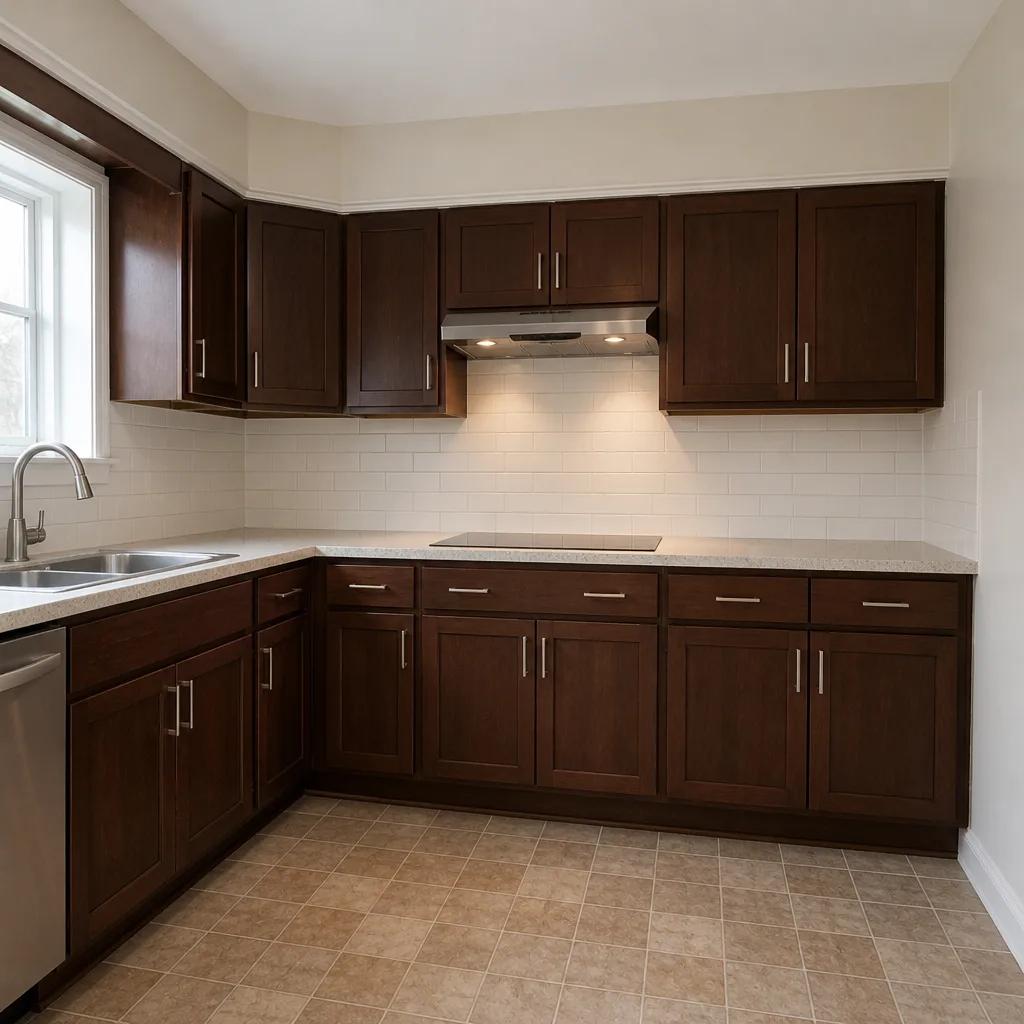
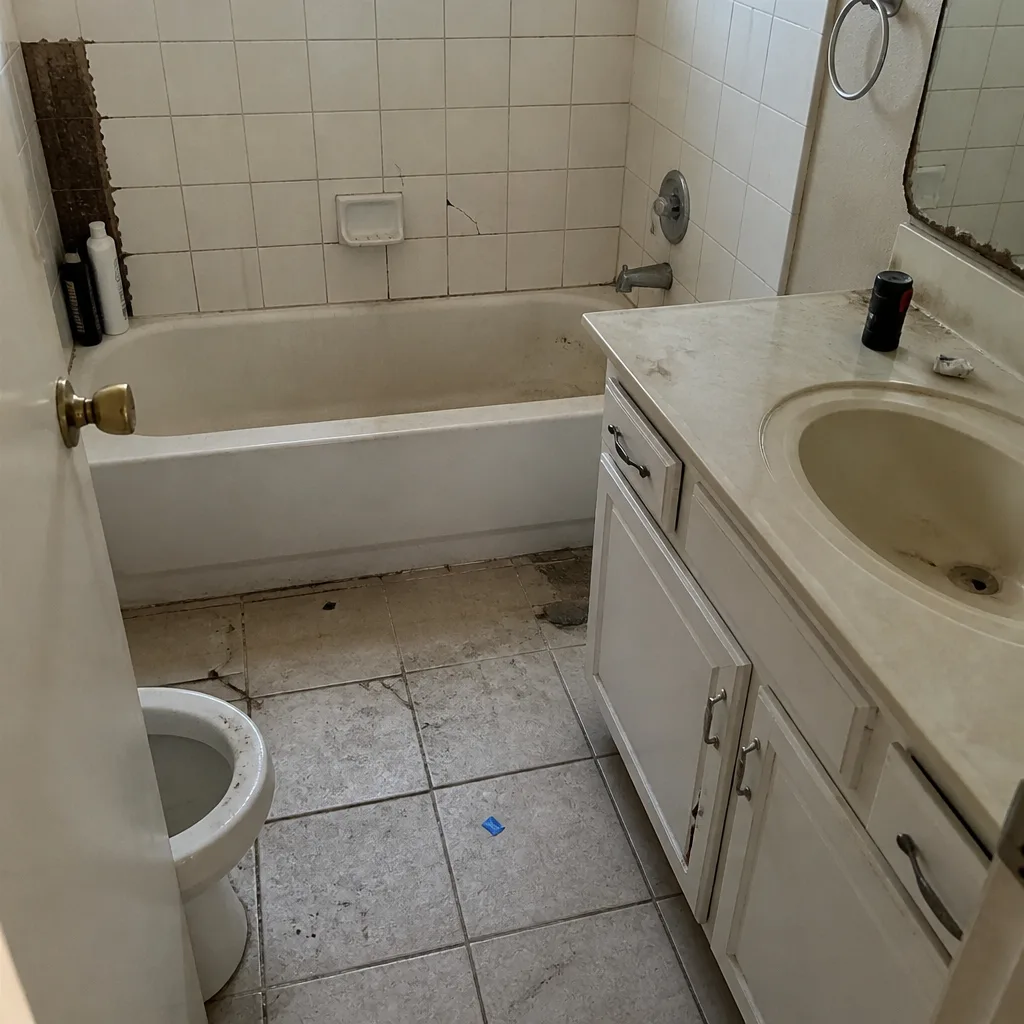
See the difference
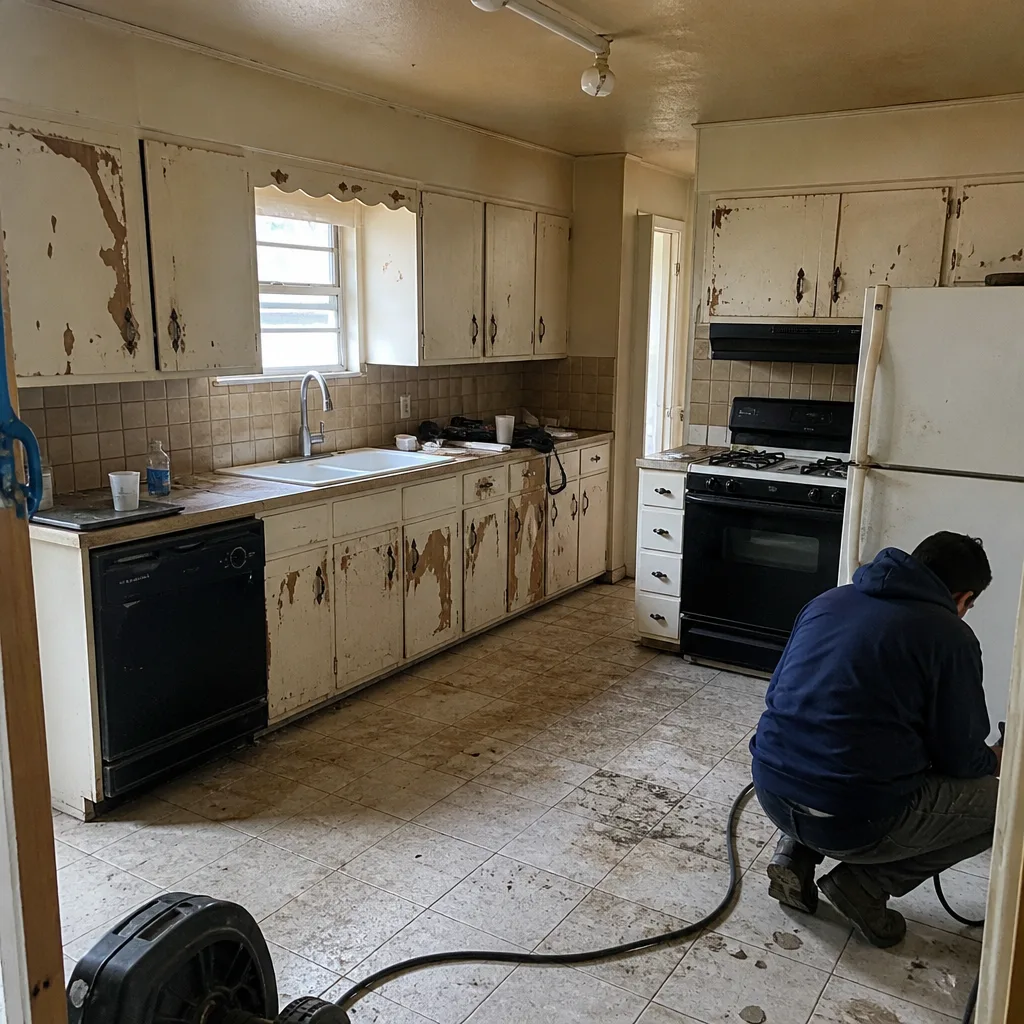 Before
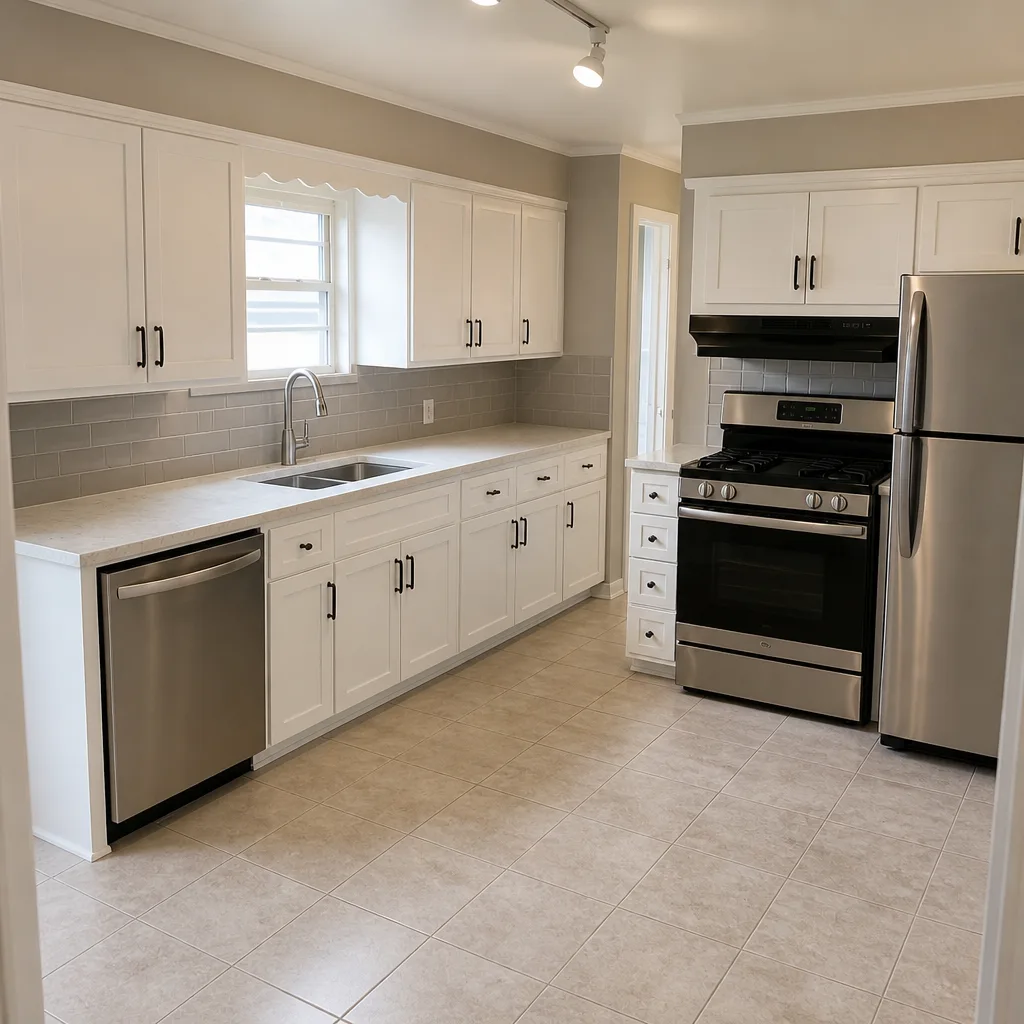 After
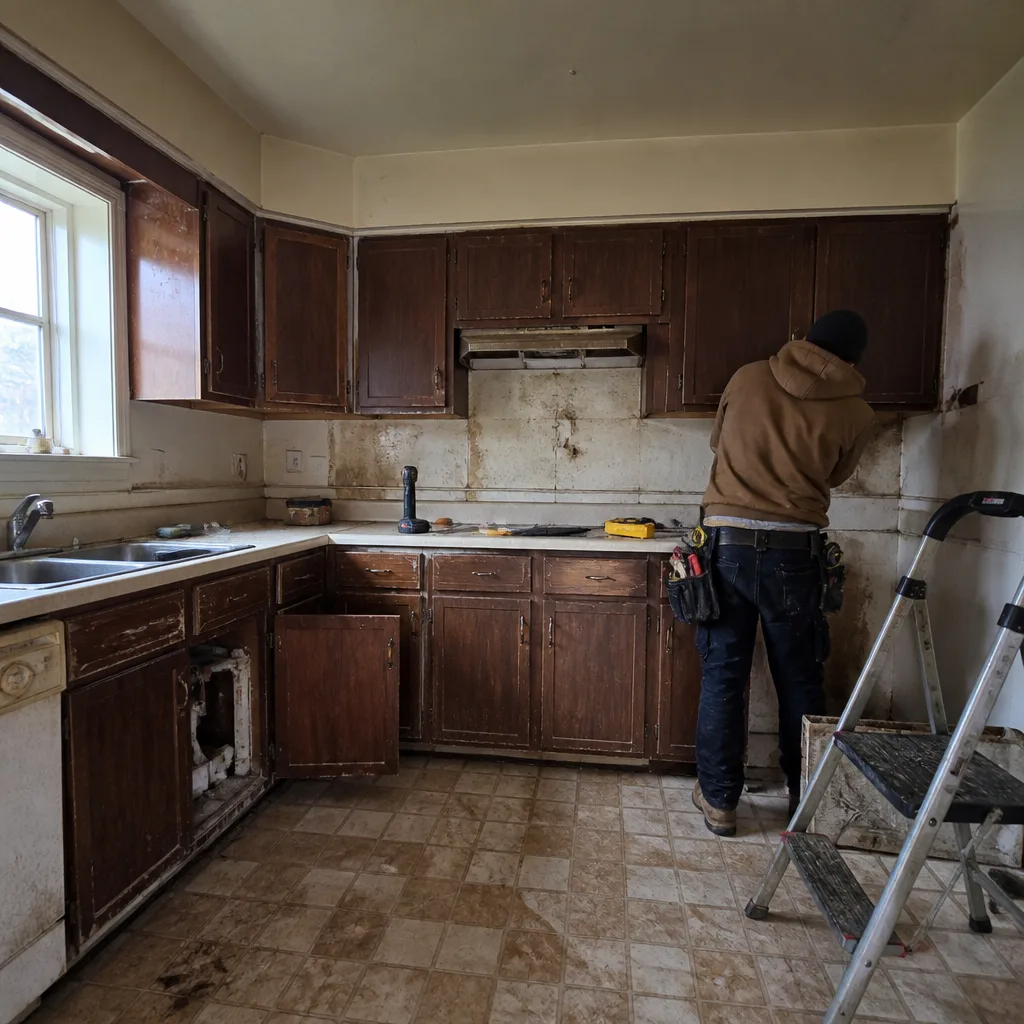 Before
 After
 Before
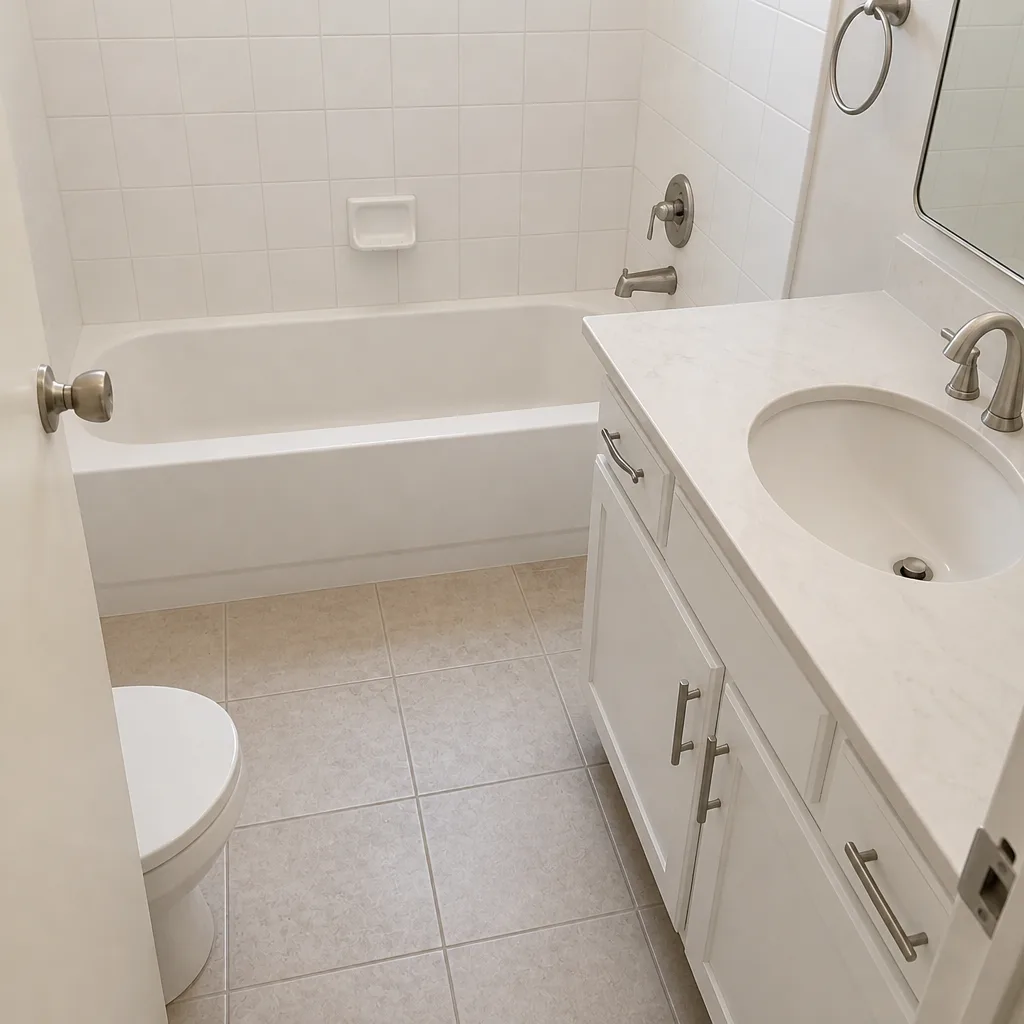 After
When to Call a Professional
Some warning signs you can resolve on your own by slowing down and asking better questions. Others tell you to walk away and call a contractor who runs a disciplined operation from the first phone call. Call a professional if your contractor won’t put a fixed written price before the work begins, if their subcontractors can’t be named or verified, if the deposit request is larger than the materials order or permit filing can justify, or if a scope change appears mid-project without a written change order. Also call if the permit wasn’t pulled – correcting an unpermitted job in Grand Prairie costs more than starting over with the right crew. Bradford Remodeling Co Grand Prairie offers free estimates in Grand Prairie – call (888) 255-7593 and a live person will pick up, any hour, any day.
Frequently Asked Questions
The biggest warning sign is a contractor who won’t put a fixed written price and a full scope in writing before work starts. A verbal price, a handshake, or a one-line “we’ll figure it out” proposal means the price is open-ended, and any number quoted is a starting point rather than a commitment. If a written price won’t appear before the tools come out, that contractor is showing you their process. Call (888) 255-7593 for a free estimate that lays the price out in writing.
A deposit should cover specified materials and permit filing, not float the contractor’s payroll. If the request is significantly larger than the materials order can justify – or if it’s expected before either materials or permits are in motion – that’s the large-deposit pattern playing out. Ask what the deposit buys and in what order. Every estimate we write ties payments to completed milestones, with the price locked before day one. Call (888) 255-7593 for a written quote.
Ask for a current certificate of insurance and then call the carrier listed on it to confirm the policy is active. A certificate alone is not proof – cancelled policies happen. Do the same for the electrical and plumbing subcontractors, whose licenses you can check through the Texas Department of Licensing and Regulation. Ten minutes on the phone with each carrier is the fastest insurance check you can run. Call (888) 255-7593 to talk through what we ask our own trades to provide.
Yes, for almost any work that touches structural, electrical, plumbing, or mechanical systems, and for many cosmetic projects that route through existing walls. Grand Prairie requires permits through the city’s development services, and work that goes through inspections gets flagged at resale if it wasn’t permitted. A contractor who suggests skipping the permit is a red flag on its own. Call (888) 255-7593 for a free estimate that begins with the permit scope sorted.
A guarantee should name a specific term in days, describe exactly which labor and which materials are covered, and state who pays for the return visit if something fails. Our 365-Day Done Right Promise covers a full year from completion: if the work fails inside that window, we return and correct it at no charge. A verbal “we stand behind it” is not a guarantee – a written term is. Call (888) 255-7593 to see how the guarantee reads on paper.
Document everything in writing before you escalate. Stop paying against anything not delivered, send a specific written request identifying the problem and the contract clause it violates, ask for a written cure plan with a date, and log the site with photos and dates. If the cure plan is missed, escalate to the city inspector for permit issues and consult a construction attorney for contract issues. Call (888) 255-7593 if you want a second written estimate to compare against the contract you’re holding.
The Bottom Line

Homeowners are trained to watch the job. The real signal lives before the contract – in the written price, the named subs, the deposit logic, the permit scope, the guarantee term. A contractor who runs on disciplined documentation will show you that discipline in the first twenty minutes, long before a hammer swings. A contractor who can’t or won’t show you those things has told you exactly how the job will end.
If you’re planning a kitchen, bath, or whole-home remodel in Grand Prairie and you want to see what a squared-away pre-construction packet looks like – written price, documented scope, named brands, guarantee in writing – call Bradford Remodeling Co Grand Prairie at (888) 255-7593 for a free estimate. A live person answers, and the price you see is the price you sign.
Written by the team at Bradford Remodeling Co Grand Prairie.