Last updated November 18, 2026

Free written scope consultation - allowances, timeline, and change-order rules on paper before a single trade is scheduled
How Long Does Home Remodeling Take? Timelines and What to Expect
If a contractor says your kitchen remodel takes six weeks, ask them when the six weeks starts. It almost never starts when you sign the contract. Permit approval, material lead times, and subcontractor scheduling can add four to ten weeks before a single wall comes down. That gap is where most Grand Prairie remodel timelines quietly fall apart, and it’s the part of the schedule nobody quotes you as a line item. This guide maps the whole timeline in four phases, shows you the decisions that stretch lead times, and gives you a room-by-room table of real durations so you can budget time the same way you budget money.
Quick Answer
A home remodeling project takes anywhere from three weeks for a straightforward bathroom to six months or more for a whole-home gut, and that count includes the pre-construction work. In practice, a typical kitchen in Grand Prairie runs eight to fourteen weeks start to finish, a bathroom three to six weeks, and a full-home remodel five to nine months. The construction itself is often the shortest phase; permitting, procurement, and closeout are what make the total longer than most homeowners expect.
Styles & brands we work with
- Kitchen remodeling
- Bathroom remodeling
- Home additions & ADU
- Roofing
- Windows & doors
- Driveway & pavers
- Fence
Table of Contents
- The Four Phases of a Remodel Timeline
- Phase Two: Permits and Procurement in Grand Prairie
- The Decisions That Stretch Lead Times
- What a Written Schedule Should Actually Contain
- How Grand Prairie Heat and Weather Affect the Schedule
- Room-by-Room Baseline Timelines
- What Makes a Project Run Long
- Punch List and Closeout
The Four Phases of a Remodel Timeline
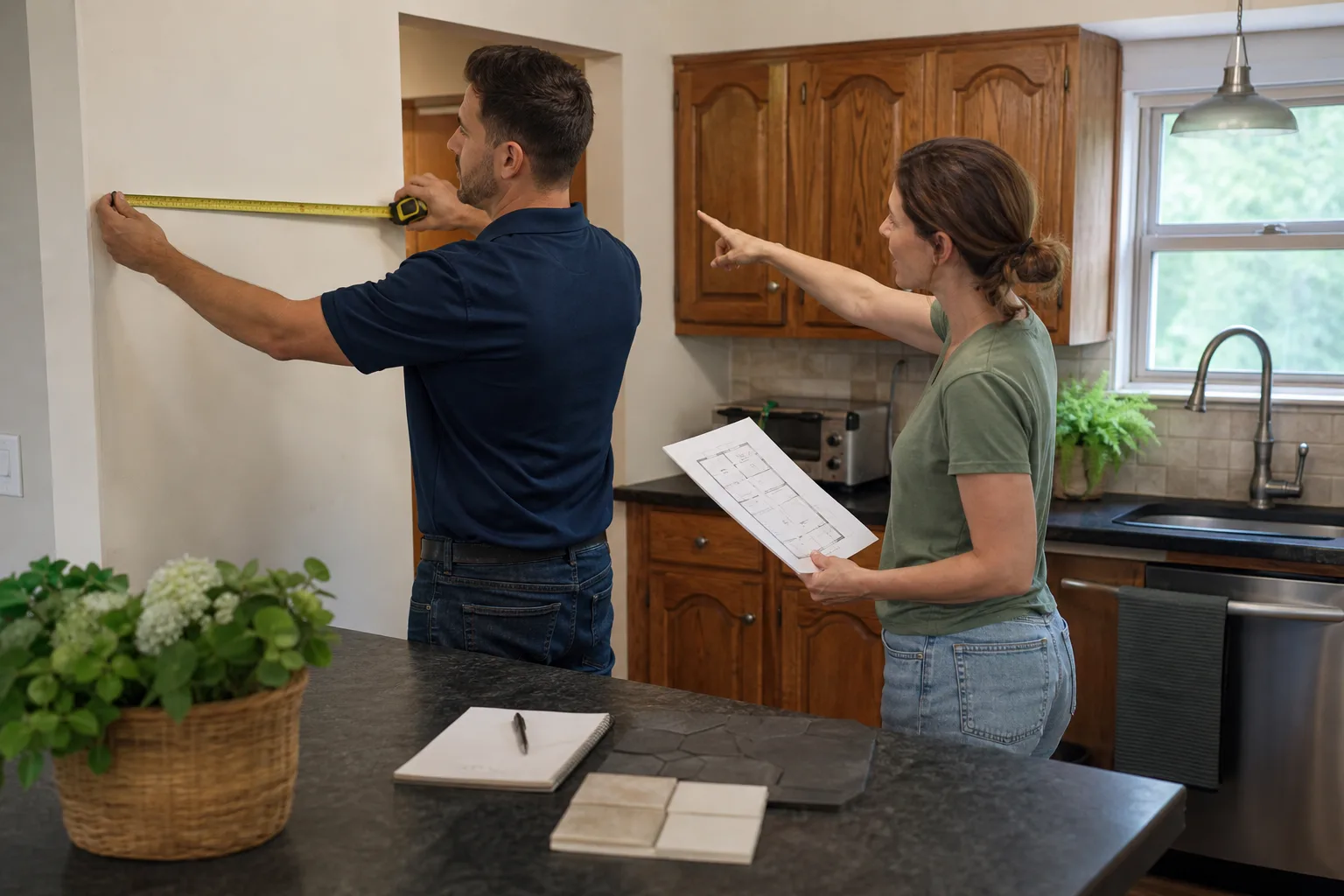
Every remodel, from a powder room refresh to a whole-house rebuild, moves through the same four phases. Contractors who only quote “eight weeks” are usually quoting phase three and leaving you to discover phases one, two, and four on your own. Here’s the full map, using a mid-size kitchen in Grand Prairie as the example.
- Design and contract (2 to 4 weeks). You finalize drawings, select finishes, and sign a written scope. This is where you lock the specification, down to the cabinet door style and the faucet model.
- Permit and procurement (3 to 8 weeks). The permit application goes to the city, and materials get ordered. Custom cabinetry and special-order tile drive the length of this phase more than anything else.
- Active construction (4 to 10 weeks). Demo, rough-in, inspection, drywall, install, finish. The part you picture when you imagine a remodel.
- Punch list and closeout (1 to 2 weeks). The final walk, the touch-ups, the inspection sign-off, and the signed guarantee in your hand.
Add those up and you get six to twenty-four weeks. That spread is why “how long does a kitchen take” has no single honest answer. It’s also why a written schedule with milestone dates beats a single duration number every time. When we quote a Grand Prairie project, we give the dates each phase starts and ends, not just a total. If your contractor won’t put phase dates on paper, the schedule is a guess.
Phase Two: Permits and Procurement in Grand Prairie
This is the phase homeowners know least about and it’s the one that most often blows up a timeline. Two clocks run at once here: the city’s review clock and the supplier’s lead clock. Whichever runs longer sets the start of construction.
Grand Prairie requires permits for structural work, electrical, plumbing, and mechanical changes, plus most kitchen and bath remodels that move walls or fixtures. Plan review for a straightforward residential permit typically takes one to three weeks, but that’s when the application is complete and clean. A missing drawing or an undersized beam detail sends it back and restarts the clock. We’ve seen permit cycles stretch past four weeks in Grand Prairie when a submittal comes back for corrections, which is exactly why the paperwork gets squared away before demo, not after.
On the material side, the lead times that bite hardest are:
- Custom cabinetry like KraftMaid or Wellborn: four to eight weeks from order to delivery, longer for non-standard sizes and finishes.
- Special-order tile and stone: two to six weeks, and longer if the slab needs to be sourced and templated.
- Structural engineered lumber: one to four weeks depending on beam spans and whether the design calls for a specific product.
- Windows and exterior doors such as Therma-Tru entries: three to eight weeks.
Order the long-lead items the day the permit application goes in, not the day it’s approved. That single sequencing decision can pull two to four weeks off the total. For the scope side of this, see our Kitchen Remodeling in Grand Prairie page, which lays out how we build the specification before ordering begins.
The Decisions That Stretch Lead Times
Most delays aren’t the builder’s fault and aren’t the supplier’s fault. They’re decisions left open too long. Every finish choice is a clock, and a choice made in week four of construction adds that decision’s lead time straight onto the end of the job. The fix is to make these calls during design and contract, before anything is ordered.
The decisions that most reliably extend a schedule:
- Custom vs. semi-custom cabinetry. Semi-custom ships faster; full custom adds weeks. Decide early and stick with it.
- Tile layout and quantity. A pattern that needs more square footage than the original order means a reorder and a wait.
- Structural changes. Moving a load-bearing wall means engineered drawings and a longer review.
- Fixture selections. Narrowing to a name brand and model early, whether that’s Toto for a toilet or Delta for a shower valve, keeps procurement moving.
- Appliance delivery dates. A range that arrives after the cabinets are set holds up the countertop template.
- Inspector scheduling. Rough-in inspections need to be booked, and a backlog can add days between phases.
Here’s the discipline that works: build a selection sheet with a due date for every finish, and treat a missed selection date the same way you’d treat a missed payment. In our experience, projects that run on schedule are the ones where the homeowner made every finish decision before the contract was signed. That’s the practical core of what The Garrison Standard asks of every project: the scope is documented, so nothing is left to guesswork mid-build.
What a Written Schedule Should Actually Contain
A contract that says “substantial completion in 90 days” is not a schedule. It’s a single number with no accountability built in, and when it slips you have no milestones to point to and no clear moment things went wrong. A real written schedule lists the milestone dates, the dependencies between them, and what happens if one slips.
Here’s what to look for before you sign:
- Phase dates, not just a total. When design ends, when permit is submitted, when construction starts, when it ends.
- Dependency notes. Which milestones depend on your decisions, and by what date you need to make them.
- A materials order date. The date the long-lead items get ordered, tied to the permit submission.
- Inspection points. Where rough-in and final inspections fall, and who schedules them.
- A slip protocol. What the contractor does when a date moves: written notice, a revised date, and the reason.
When a date slips, the right response is a documented revised schedule, not a verbal “we’re a few days behind.” A contractor who puts the schedule in writing in the first place is also the one most likely to honor it. That’s why every Bradford project gets a written price before any work starts and a scope document that includes the milestone dates. For a wider view of how we run a job end to end, see our General Contractor in Grand Prairie page.
How Grand Prairie Heat and Weather Affect the Schedule
Interior work is largely weather-proof. Exterior work in Grand Prairie is not, and the summer heat is its own scheduling constraint. Concrete is the clearest example. In the middle of a Grand Prairie summer, with air temps pushing past 100°F and surface temps hotter still, a slab can cure too fast and crack. Crews work around that with early-morning pours, shade, and curing compound, but it can stretch cure times and push the following trades back a day or two. Planning a slab pour or a driveway in August is asking for schedule friction; the same pour in October moves faster.
The seasonal patterns we plan around locally:
- Late spring and summer: exterior painting, roofing, and hardscaping get scheduled for early hours to beat the heat, which can slow daily output.
- Summer storms: afternoon thunderstorms can shut down exterior work for a day, so exterior phases carry a weather buffer.
- Winter freezes: rare here, but a hard freeze stalls concrete pours and exterior sealants.
- Spring pollen and rain: a poor window for exterior finishes, though interior work carries on untouched.
The practical takeaway: sequence exterior work for the mild months, and sequence the interior phases so you’re not waiting on an exterior pour to finish a roof section. A written schedule that accounts for the Grand Prairie climate beats one that ignores it. For a whole-home scope that touches both inside and out, see our Bradford Remodeling Co Grand Prairie home page.
Room-by-Room Baseline Timelines
These are honest ranges for Grand Prairie projects, counting all four phases. The low end assumes decisions are made upfront, materials are standard or in stock, and the permit is clean on first submittal. The high end means custom materials, structural work, or a permit correction.
| Project | Low | High | What pushes it toward the high end |
|---|---|---|---|
| Bathroom remodel | 3 weeks | 6 weeks | Special-order tile, relocated plumbing, custom vanity |
| Kitchen remodel | 8 weeks | 14 weeks | Custom cabinetry, structural changes, appliance delays |
| Room addition | 3 months | 5 months | Engineered lumber, foundation work, exterior weather |
| Full-home gut | 5 months | 9 months | Multiple permits, whole-house systems, phased trades |
A bathroom is the fastest project to turn around because the scope is tight and the fixtures are usually in stock. A full gut is the longest because every system overlaps and every phase has to wait on the one before it. For a bathroom-specific timeline, see our Bathroom Remodeling in Grand Prairie page. A realistic plan starts with the range, then narrows once the specification is locked.
What Makes a Project Run Long
In our experience the projects that run long share the same handful of causes, and almost none of them are slow labor. A crew that shows up and works steady days is rarely the delay. The delay lives upstream.
- Late finish selections. The number one cause. A tile chosen mid-build adds its lead time to the end of the job.
- Permit corrections. An incomplete submittal restarts the review clock.
- Change orders mid-build. A scope change made after demo means new materials, new permits, and a reshuffled trade schedule.
- Subcontractor gaps. A plumber who can’t get there for five days stalls everything after them.
- Occupied-home logistics. Living in the house during a remodel slows work and stretches the daily hours a crew can put in.
Most of these are foreseeable, which means most of them are preventable. That’s the whole argument for solving them in phase one: a written specification and a documented schedule catch the late-selection and change-order problems before they cost you weeks. The Garrison Code at Bradford treats the written price and documented scope as the baseline, not an upgrade.
Punch List and Closeout
Construction isn’t done when the last cabinet goes in. The punch list and closeout phase takes one to two weeks on a typical job, and it’s the difference between a finished remodel and a squared-away one. A clean close means a final walk with you, a written punch list, every item corrected, the final inspection passed, the site clean, and a signed written guarantee in your hand.
What that phase should include:
- A joint walk-through with a written punch list of every remaining item.
- Final inspections signed off by the city, with paperwork to you.
- Touch-ups and adjustments to doors, drawers, trim, and caulk.
- Site cleanup to a genuinely clean condition, not a swept pile in the corner.
- The written guarantee handed over, clearly stating what’s covered and for how long.
Every Bradford project carries the 365-Day Done Right Promise: a full-year written guarantee, and if the work fails inside that window we come back and correct it at no charge. Closeout is where that guarantee becomes a document in your hand, not a claim on a website. That’s the standard for what a finished job should look like.
Common Mistakes to Avoid
- Accepting a total duration with no phase dates. A single number gives you no way to see a slip coming or hold anyone to a milestone.
- Choosing finishes after construction starts. Every open finish decision is a lead-time clock that adds straight onto the end of your job.
- Ordering materials only after the permit is approved. Submitting the permit and ordering long-lead items the same week is what keeps the timeline tight.
- Assuming a summer concrete pour moves at the same pace as a fall one. Grand Prairie heat forces early pours and slower cure, and a schedule that ignores it slips.
- Making change orders mid-build. A scope change after demo means new materials, new permits, and a reshuffled trade schedule that costs weeks.
- Signing before you see a written price and a written scope. A price that moves at the door is a price that was never firm. Bradford puts the number and the scope in writing before any work starts.
- Skipping the written guarantee at closeout. If the guarantee isn’t a signed document you hold, it isn’t a guarantee.
See the difference
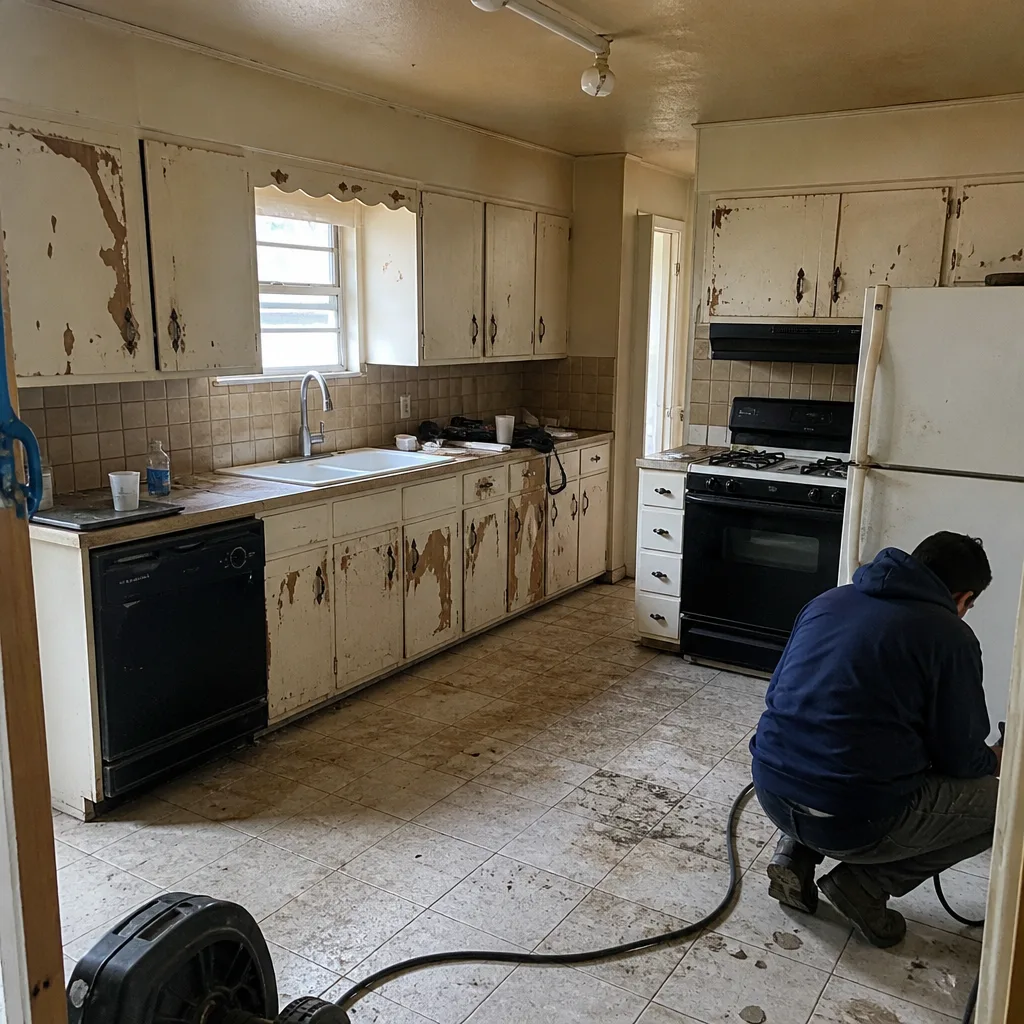 Before
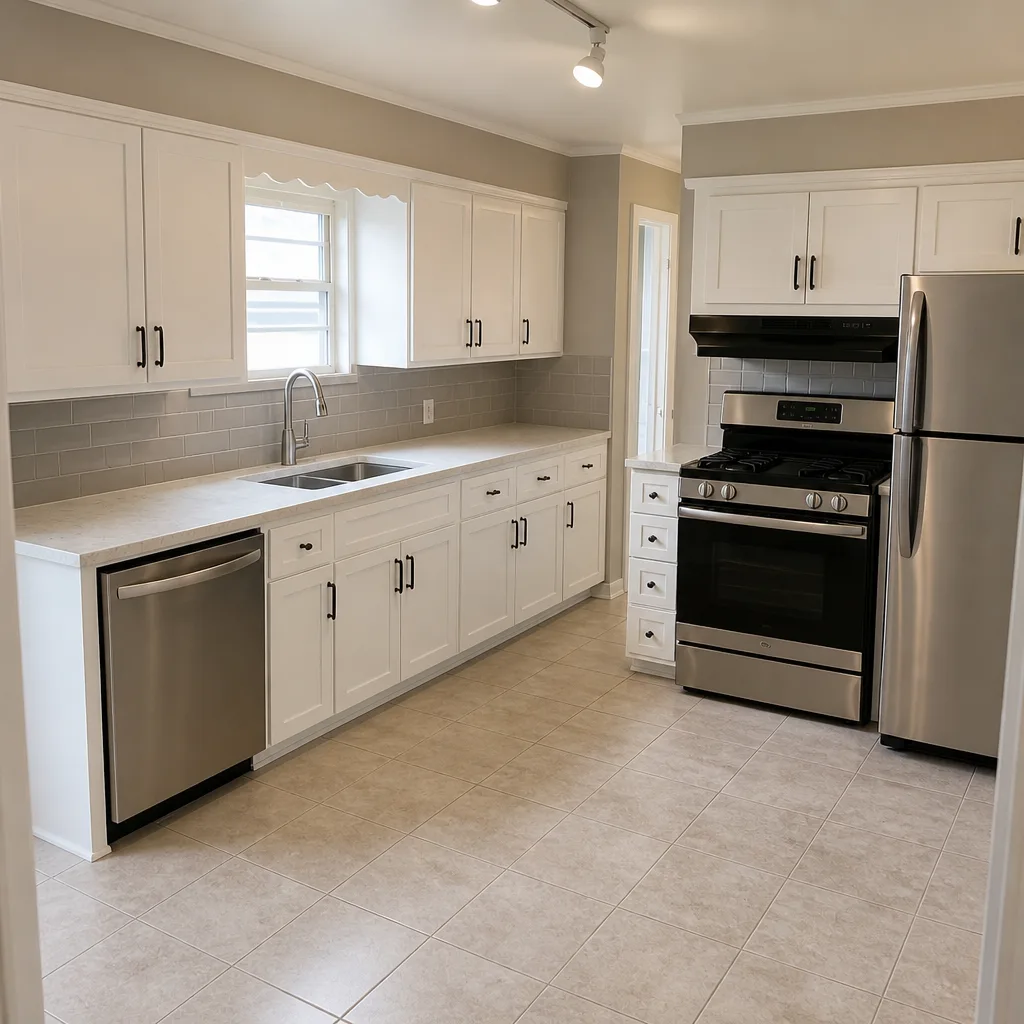 After
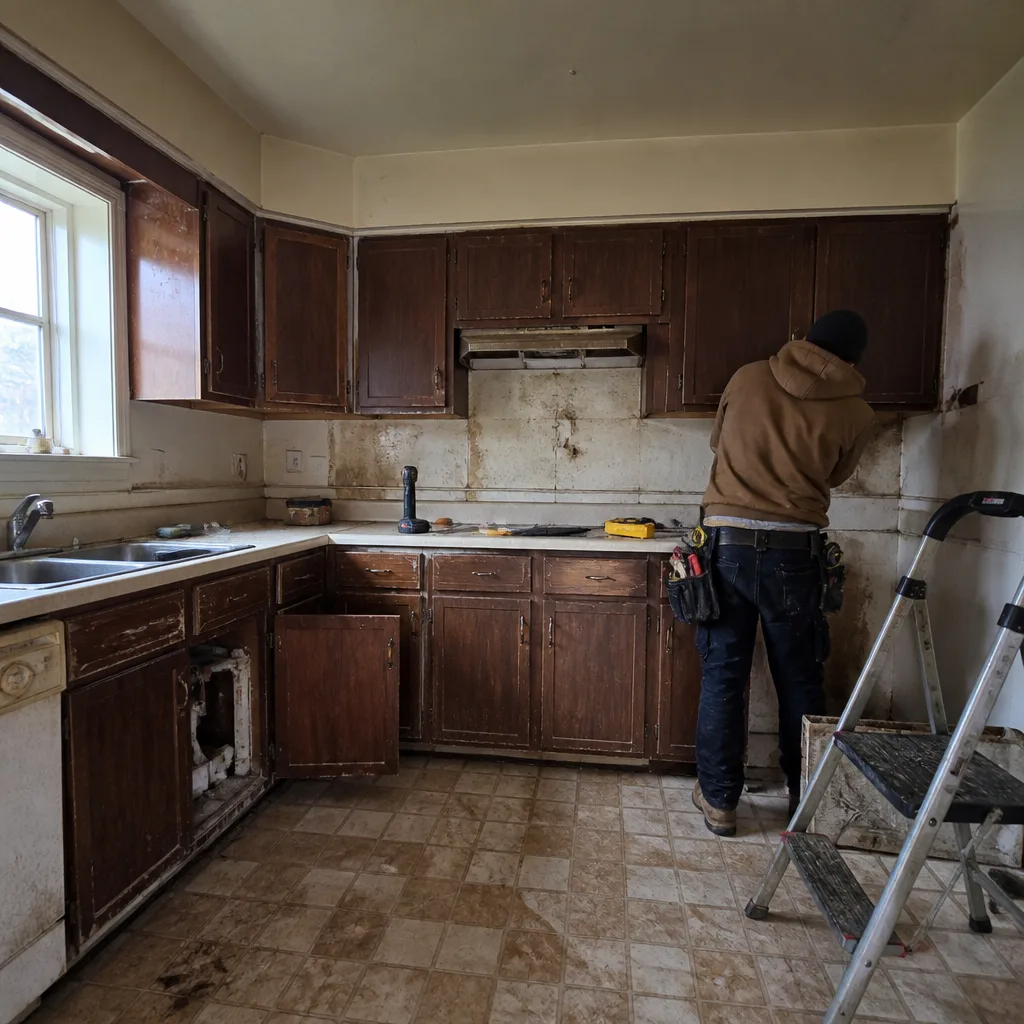 Before
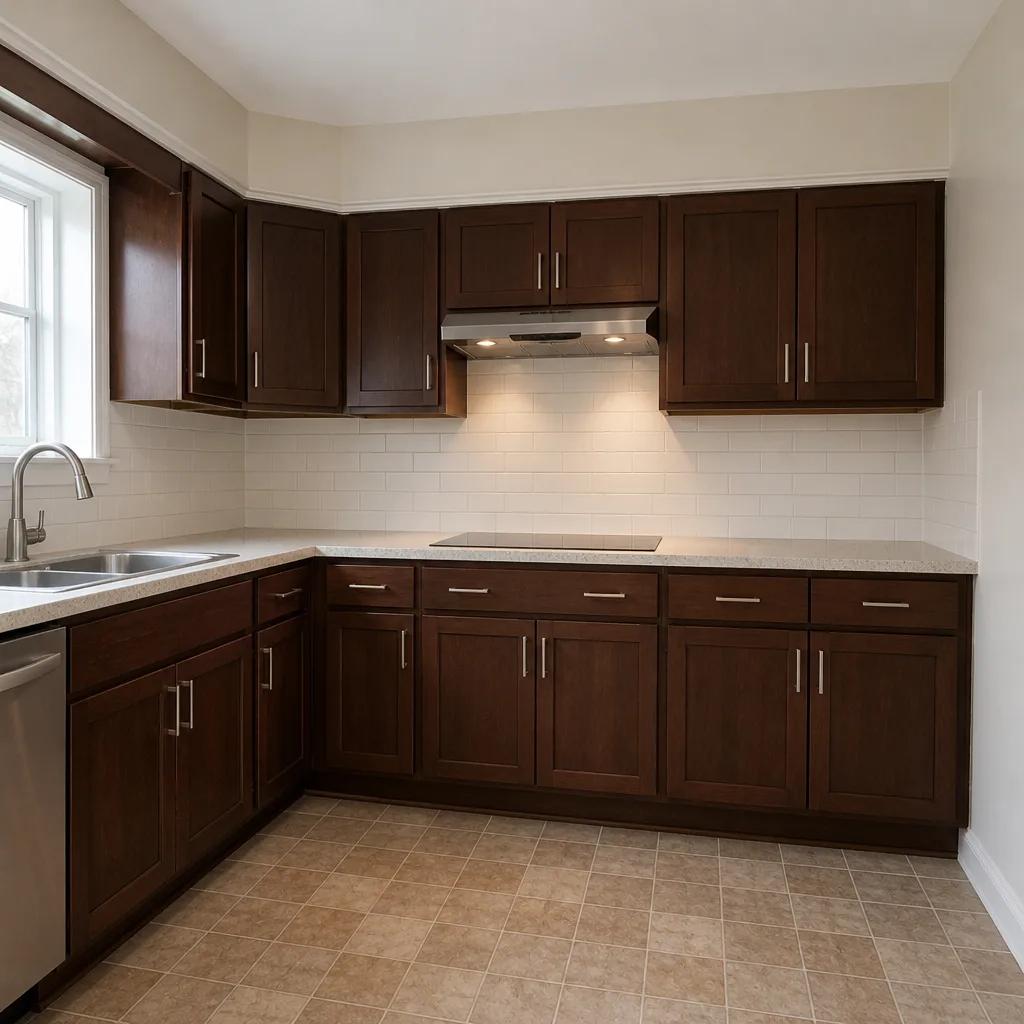 After
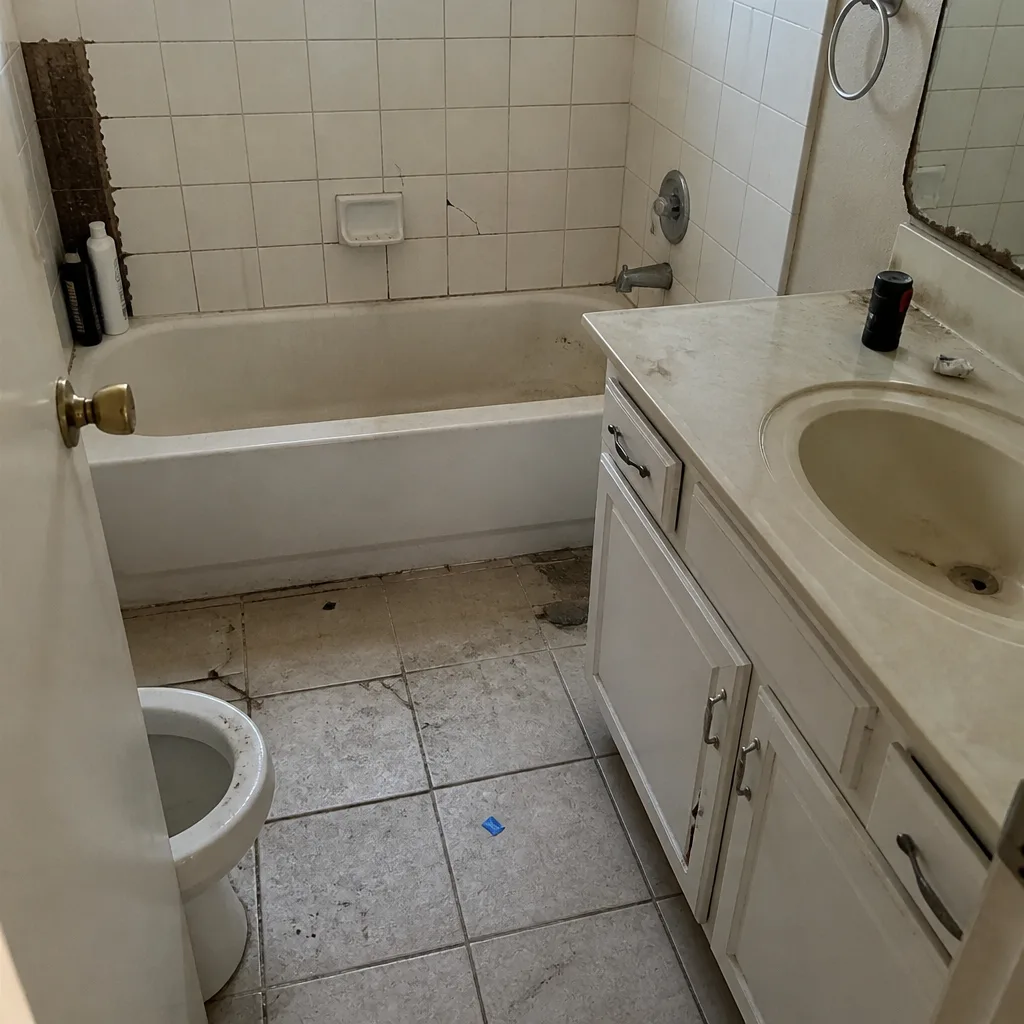 Before
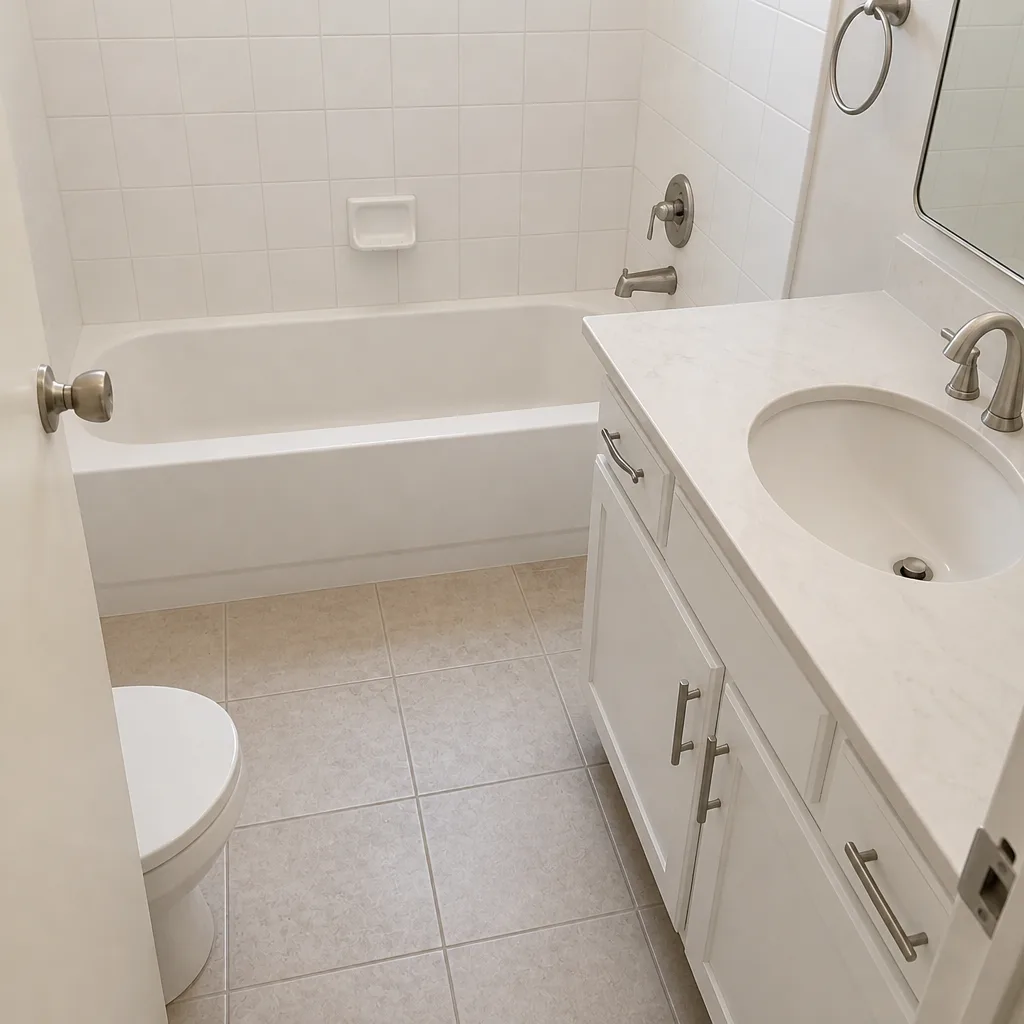 After
When to Call a Professional
A remodel that touches structure, electrical, plumbing, or gas is not a weekend project, and the timeline risk is highest on exactly those jobs. If you’re moving a wall, relocating a bathroom’s plumbing, upgrading a panel, or pulling a permit, you want a licensed and insured local professional running the project. The permit phase alone is a reason to bring someone in early. A pro who submits a clean application and orders long-lead materials the same week saves you weeks you’d otherwise lose to corrections and delivery waits. If you’ve been burned by a crew that no-showed or repriced at the door, the written price and written schedule are the first things to ask for. Bradford Remodeling Co Grand Prairie offers free estimates in Grand Prairie – call (888) 255-7593. A live person answers 24/7, and every estimate comes as a written price before any work begins.
Frequently Asked Questions
A bathroom runs three to six weeks, a kitchen eight to fourteen weeks, and a full-home remodel five to nine months, counting all four phases. The construction portion is often the shorter stretch; permitting and procurement usually add three to eight weeks before a wall comes down. Call (888) 255-7593 for an exact timeline on your project – estimates are free.
No. The clock starts when design and specification are final and the permit is submitted, which is why the phase dates matter more than the total duration. Sign a contract that lists milestone dates, not just a number. Call us for a written schedule with phase dates on every project.
A clean residential permit typically reviews in one to three weeks, but a submittal that comes back for corrections can stretch past four weeks. The fix is a complete application the first time and long-lead materials ordered the same week the permit goes in. Bradford pulls the permit and handles the inspections so the schedule keeps moving.
It shouldn’t. A written price before any work starts is the only way to hold a number firm, and a mid-build change order is the one legitimate reason for a price to move. Bradford puts the written price in place before a tool comes out, so nothing surprises you at the door. Call (888) 255-7593 for a written estimate.
Yes. Concrete cures too fast in Grand Prairie summer heat, so pours move to early morning and cure times stretch, and afternoon storms can shut down exterior work for a day. Plan exterior pours and finishes for the mild months and build a weather buffer into the schedule. We sequence exterior work around the local climate so it doesn’t cost you weeks.
Every completed Bradford project carries a full-year written guarantee, and if the work fails inside that window we come back and correct it at no charge. The guarantee is a signed document handed over at closeout, not a claim on a website. Call (888) 255-7593 to talk through the terms before you sign anything.
The Bottom Line
Remodel timelines go wrong in three pre-construction phases most contractors don’t quote as line items: design and contract, permit and procurement, and closeout. Get those right and the construction phase tends to hold. Ask for milestone dates, not a single number. Lock your finishes before you sign. Order long-lead materials the week the permit goes in. Sequence exterior work around Grand Prairie heat. And walk into closeout with a clean site, a documented scope, and a signed written guarantee in your hand. That’s a squared-away job, and it’s the standard we hold on every Grand Prairie project.
Ready to plan your timeline? Call Bradford Remodeling Co Grand Prairie at (888) 255-7593 for a free estimate. A live person answers 24/7, and you’ll get a written price and a written schedule before any work starts.
Written by the team at Bradford Remodeling Co Grand Prairie.