Last updated November 18, 2026







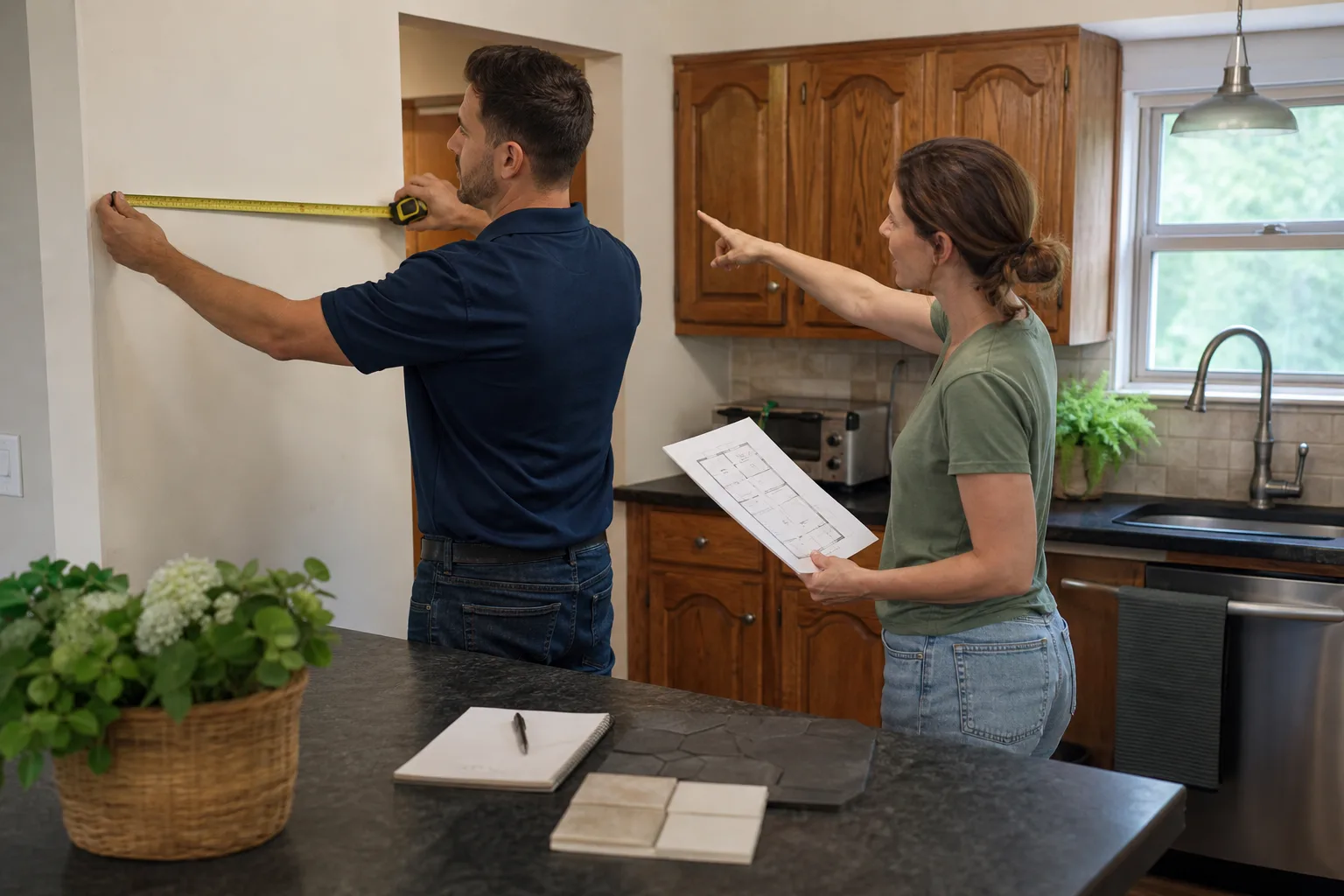
Free written scope consultation - allowances, timeline, and change-order rules on paper before a single trade is scheduled
Home Remodeling Maintenance Schedule: What to Do and When
The grout you had redone two years ago isn’t failing because it was cheap. It’s failing because nobody told you to reseal it at the 12-month mark. That single missing task is the whole story of remodeling maintenance: intervals exist for reasons, and most guides hand you a checklist without explaining the “why,” so the task gets skipped and the repair gets expensive. A remodel isn’t a finished object. It’s a set of sequenced, interdependent systems – tile over substrate, caulk over seams, supply lines behind walls – and each one protects the next. Here’s the schedule we hand Grand Prairie homeowners at project close, and the reasoning behind every line.
Quick Answer
Home remodeling maintenance runs on four clock cycles: monthly (plumbing supply line and under-sink checks), quarterly (seasonal caulk, exterior, and HVAC filter review), annually (recaulking wet areas, resealing grout, repainting exterior trim), and every 3 to 5 years (major reseal, roof and envelope inspection). The single highest-value habit is documenting each pass in writing with dates and photos, because that record is what separates a covered workmanship claim from an out-of-warranty repair.
Styles & brands we work with
- Kitchen remodeling
- Bathroom remodeling
- Home additions & ADU
- Roofing
- Windows & doors
- Driveway & pavers
- Fence
Table of Contents
- Why a Maintenance Schedule Protects More Than Appearance
- Maintenance by Trade System: Intervals and Failure Signs
- Cosmetic Wear vs. Workmanship Failure: Where Your Warranty Actually Applies
- Grand Prairie’s Clay Soil and the Seasonal Cycle Your Remodel Feels
- The 20-Minute Go/No-Go Inspection Checklist
- How to Document Findings So a Warranty Claim Holds Up
- Common Mistakes to Avoid
- Frequently Asked Questions
Why a Maintenance Schedule Protects More Than Appearance
A remodeled kitchen or bath is a stack of systems that depend on each other. The tile depends on the substrate. The substrate depends on the waterproofing membrane. The membrane depends on the caulk joint at the wall and floor, and that caulk joint depends on you checking it before a hairline gap becomes a wicking path for water. When the caulk fails, water gets behind the tile, the substrate stays wet, and what started as a $15 tube of sealant becomes a tear-out. That cascade is the whole reason a schedule matters.
We’ve seen this on Grand Prairie jobs more than once: a bath remodel done right, then two years of no maintenance, then a soft spot at the curb that nobody saw because it was under a floor mat. The work wasn’t defective. The maintenance was absent.
Think of your home as a jobsite punch list that never fully closes. Every remodel leaves behind a set of finish assemblies – grout, caulk, paint, trim, hardware – that all have service lives. Track them and you spend a few hundred dollars a year. Ignore them and you spend thousands on a repair that could have been prevented. That trade-off is the entire argument for the schedule below.
If you’re planning a project and want the schedule built in from day one, our team at Bradford Remodeling Co Grand Prairie walks every client through it before the final walkthrough.
Maintenance by Trade System: Intervals and Failure Signs
Here’s how we break maintenance down by trade. Each system has a real interval and a real failure signature. Watch for the signature, and you’ll catch the problem while it’s still cheap.
Tile and Grout
- Interval: Reseal grout in wet areas every 12 months. Reseal dry-area grout every 2 to 3 years. Spot-clean with pH-neutral cleaner weekly.
- Failure if skipped: Grout becomes porous, absorbs water, and discolors. Deeper, the substrate stays damp and efflorescence (the white chalky bloom) appears at grout lines. That’s the early warning of moisture behind the tile.
Caulk Joints
- Interval: Inspect caulk at tubs, showers, backsplashes, and exterior penetrations every 6 months. Replace failing caulk every 1 to 3 years depending on exposure.
- Failure if skipped: Caulk cracks, pulls away, or turns chalky. Water wicks into the gap, and the joint becomes a direct path to framing. This is the number-one cause of remodel water damage we see.
HVAC
- Interval: Replace filters every 1 to 3 months depending on household. Professional service annually. Clear the condensate line every 6 months.
- Failure if skipped: Restricted airflow strains the system, and a clogged condensate line backs up and can damage the ceiling or cabinet below it. New cabinetry is an expensive casualty of a $2 line.
Plumbing Supply Lines
- Interval: Inspect under every sink, behind every toilet, and at the water heater monthly. Replace braided supply lines every 5 to 7 years.
- Failure if skipped: A slow weep at a fitting rusts the cabinet base or rots the subfloor before it’s ever visible. When a supply line lets go, it doesn’t weep; it floods. If the new fixture is a Kohler or Moen, the shutoff behind it is still your responsibility.
Paint and Finish
- Interval: Touch up interior trim as needed. Repaint exterior trim and touch up siding every 3 to 5 years in DFW sun and heat.
- Failure if skipped: Paint chalks and peels, then the wood trim or the James Hardie siding edge absorbs moisture. Once water gets behind the paint film, the repair is prep and repaint at double the cost.
The pattern across all five systems is the same: the interval is short, the fix is small, and the failure is not. Our technicians have up to 22 years of experience, and the one thing they’ll all tell you is that the cheap repair and the expensive repair usually start in the same place.
Cosmetic Wear vs. Workmanship Failure: Where Your Warranty Actually Applies
This is the distinction homeowners most often get wrong, and it’s the reason warranty conversations get tense. Cosmetic wear and workmanship failure look similar from six feet away, but they live on opposite sides of your guarantee.
Cosmetic wear is yours to handle. It’s the result of normal use, age, sun, moisture, and time. It includes:
- Dull or discolored grout that was fine when installed
- Caulk that has aged out of its service life
- Paint fading or chalking on a south-facing wall
- Minor scuffs, dings, and finish wear on hardware
Workmanship failure belongs to the contractor. It’s the result of the installation itself, not the passage of time. It includes:
- Tile or grout cracking from inadequate substrate prep or missing movement joints
- Caulk joints that failed within months of install because the joint wasn’t backer-rodded or the wrong sealant was used
- Fixtures that leak at the connection because the install was loose
- Doors or windows that don’t operate correctly because the rough opening or shimming was off
At Bradford Remodeling Co Grand Prairie, the dividing line is written into our 365-Day Done Right Promise. Every completed project carries a full-year written guarantee. If the work itself fails inside that window – not the wear, the work – we come back and correct it at no charge. There’s no ambiguity about what “correct” means because the scope is in writing before we start. That’s The Garrison Standard in practice: the promise is only worth anything if the terms are on paper in your hand.
If you’re weighing a project and want to see how the guarantee works, our general contractor in Grand Prairie page breaks down the process from written price to signed guarantee. For projects that lean heavier on tile and wet areas, bathroom remodeling in Grand Prairie walks through the waterproofing details that determine how long your maintenance intervals actually stretch.
Grand Prairie’s Clay Soil and the Seasonal Cycle Your Remodel Feels
Grand Prairie sits on the Blackland Prairie belt, and the expansive clay beneath our homes swells when it’s wet and shrinks when it dries. That movement is seasonal, predictable, and constant. It cycles through every wall, every door frame, and every caulk joint in your house. If you moved here from a sandy or rocky soil market, this is the part of the schedule that’s genuinely different.
The cycle runs two ways:
- Wet season (spring, early summer, heavy-rain stretches): The clay expands. Soil pushes up slightly around the foundation. Slab-to-wall gaps close. Door frames can tighten, and interior doors may stick. This is when caulk joints compress and can extrude.
- Dry season (late summer into fall): The clay shrinks. Soil pulls away from the foundation. Slab-to-wall gaps open. Door frames loosen. This is when you’ll see new hairline cracks at interior corners, along drywall seams above door frames, and at exterior penetrations.
So what does that mean for maintenance? Inspect caulk joints and slab-to-wall gaps twice a year, at the transitions, not just once in spring. Do it in Fort Worth or Dallas and you’re watching the same cycle. The schedule shifts slightly earlier in southern Grand Prairie near Joe Pool Lake because the soil there stays wetter longer, so those homes tend to see more movement-driven caulk fatigue along the west and north walls.
A note on drainage: the biggest single lever you have over clay movement is keeping water away from the foundation. Gutters, downspout extensions, and grading all matter. If your remodel included hardscaping – Belgard or Unilock pavers, for example – check that the slope still drains away from the house after the first rainy season. Pools of water against the foundation are the fastest way to accelerate the cycle.
A small thing that saves time later: note the date of your first hairline crack each season. If the same joint cracks twice, that joint is telling you something about movement below it, and that’s worth a professional look, not a recaulk. For exterior envelope and roofline concerns, we cover the inspection side there before it gets to that point.
The 20-Minute Go/No-Go Inspection Checklist
You don’t need special tools for this. You need a flashlight, a phone with a camera, and 20 minutes. Work through the list in this order. “No-go” means something requires a call, not a patch.
- Under every sink (5 minutes): Flashlight on the cabinet base. Look for water staining, soft wood, or mineral deposits at the fittings. No-go if the base is soft to the touch.
- Tub and shower perimeter (3 minutes): Run your finger along the caulk line. No-go if the caulk pulls away cleanly, crumbles, or is separated from the wall.
- Grout lines (4 minutes): Look for darkened grout, missing grout at corners, or white chalky bloom. No-go if you see bloom – that’s moisture coming through.
- Slab-to-wall gaps and door frames (3 minutes): Square up a door in its frame. No-go if a door sticks, drags, or won’t latch without force.
- Interior corners above door frames (2 minutes): Fresh hairline crack at a corner is a watch item. Widening crack or one that wasn’t there last season is a no-go.
- Exterior penetrations (3 minutes): Check where hose bibs, dryer vents, and HVAC lines pass through siding. No-go if the sealant is cracked or missing.
Two minutes left? Photograph anything that’s a “watch” item so you can compare it next season. You don’t need to be handy to complete this list. You just need to be consistent about it.
If any no-go item lands on the workmanship side, our kitchen remodeling in Grand Prairie page covers how we handle corrective work under the 365-Day Done Right Promise – and the same approach applies to every trade on the project.
How to Document Findings So a Warranty Claim Holds Up
The single most common reason a legitimate warranty claim gets denied is that the homeowner has no record of when the problem started or what it looked like. A warranty claim lives and dies on the timeline. Document as you go and this stops being a problem.
Here’s the process we recommend to every Grand Prairie client:
- Date and photograph every inspection pass. One photo per no-go item, plus a wide shot of the whole area.
- Note the “before” condition. A hairline crack that’s been there since install is wear. A crack that appeared six months in is workmanship. Photograph and date both.
- Keep a simple log. A notes app entry or a paper sheet is enough. Date, what you saw, what you did.
- Call when the no-go appears, not after you patch it. Once you’ve caulked over the gap, an inspector can’t tell what was there.
- Hold onto your written scope. Your signed project scope and price schedule are the reference for what was installed and what it should do.
When we return under the 365-Day Done Right Promise, we want to see the timeline too. It helps us correct the actual cause instead of the symptom. That’s the difference between a repair and a fix.
One note on documenting exterior work: if you’ve had windows or doors upgraded, keep the manufacturer documentation (screens, specs, or warranty cards from brands like CWS, ES Windows, or ECO Window Systems) with your project file. It speeds up every future claim, ours or theirs.
Common Mistakes to Avoid
- Skipping the 12-month reseal because the grout still looks fine. Grout sealed at install is porous by month 12 even if it hasn’t discolored yet. The reseal is what keeps it that way.
- Caulking over a failed joint without cleaning it out. New caulk won’t stick to old caulk or to a wet substrate, and you’ve now hidden the actual problem behind a cosmetic patch. The next failure will be worse and harder to trace.
- Treating a door that sticks as a “seasonal nuisance.” In Grand Prairie it usually is seasonal – but if it sticks hard enough to need a shoulder, you’re seeing slab movement that deserves a look, not a shave.
- Assuming the warranty covers wear. Your 365-Day Done Right Promise covers workmanship failure. Caulk that aged out of service is maintenance, and no guarantee on earth covers neglect.
- Ignoring the exterior envelope between annual walkthroughs. Grand Prairie hail season and summer UV both work on exterior sealants faster than most schedules account for. Inspect exterior penetrations twice a year, not once.
- Not keeping a written log. A warranty claim without a timeline is a negotiation. A claim with a dated photo log is a correction. The two outcomes are very different.
See the difference
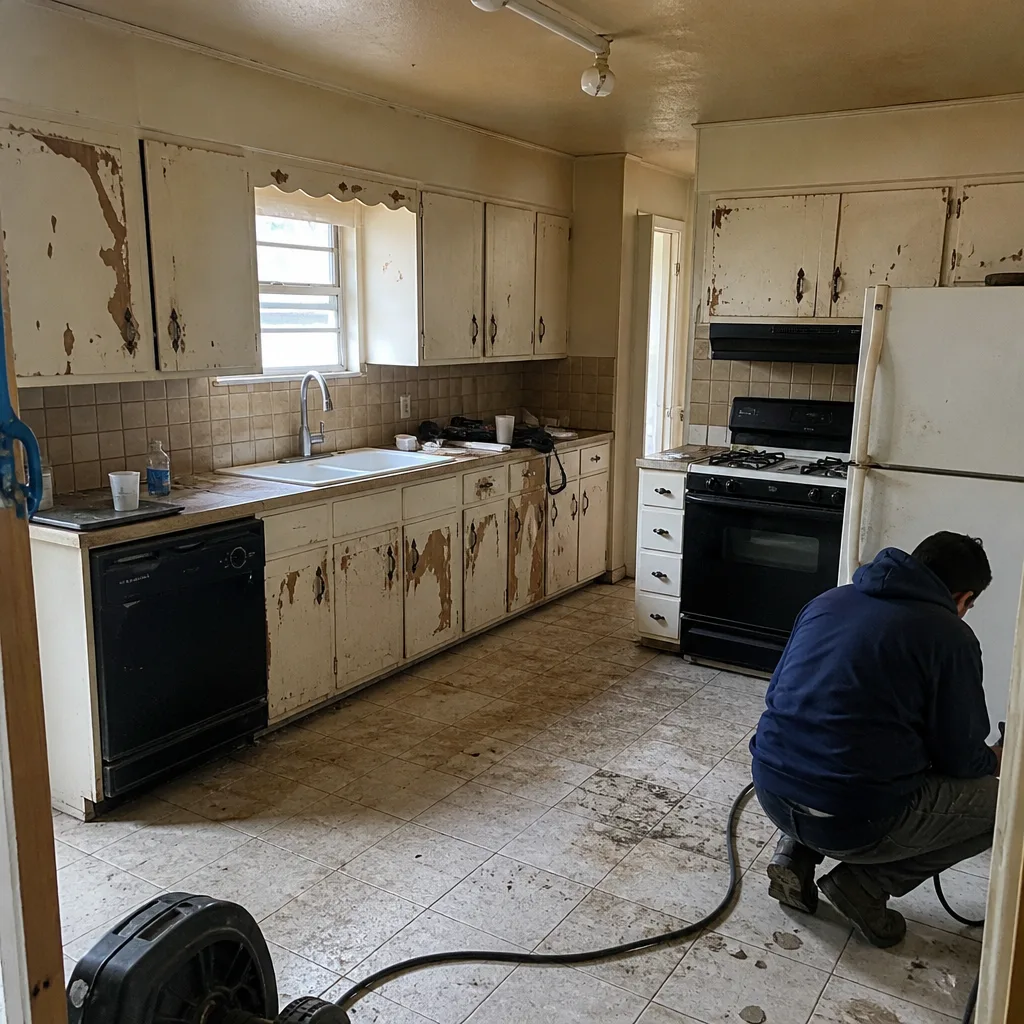 Before
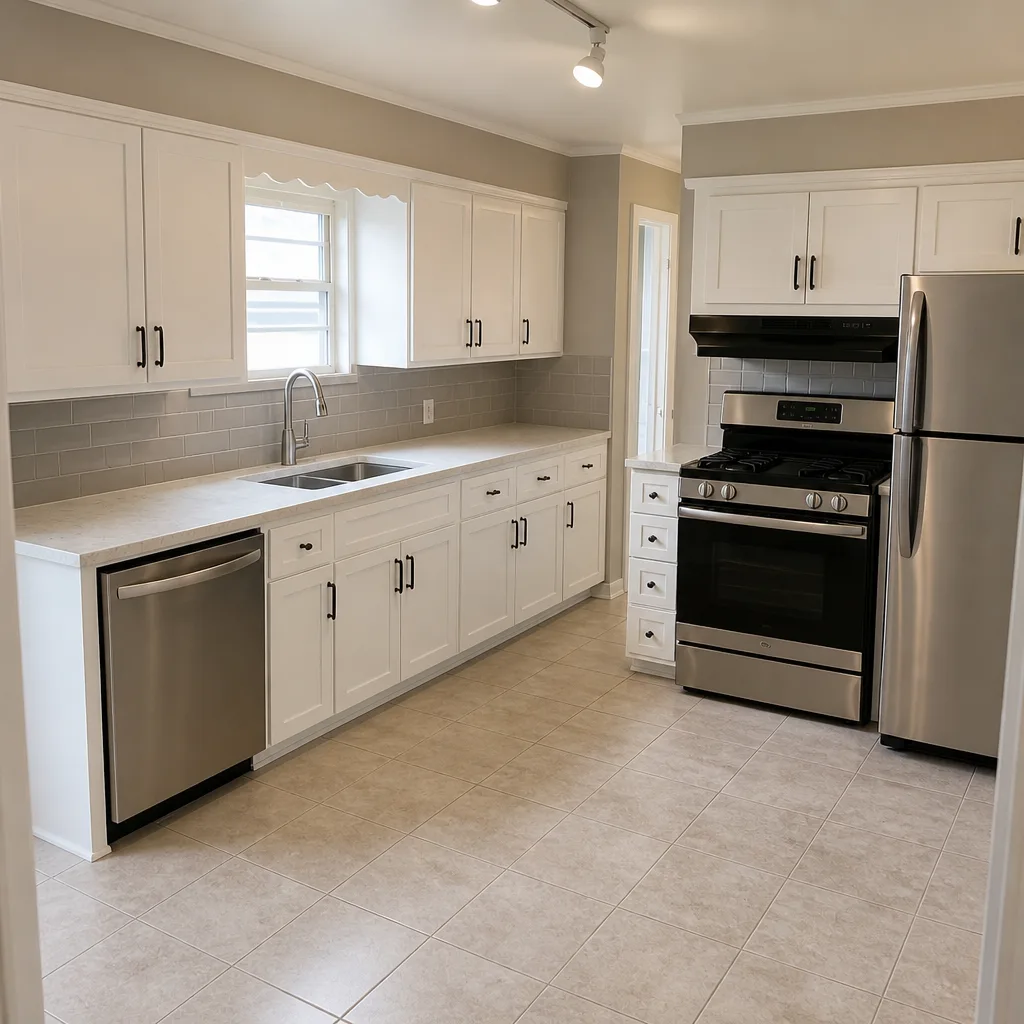 After
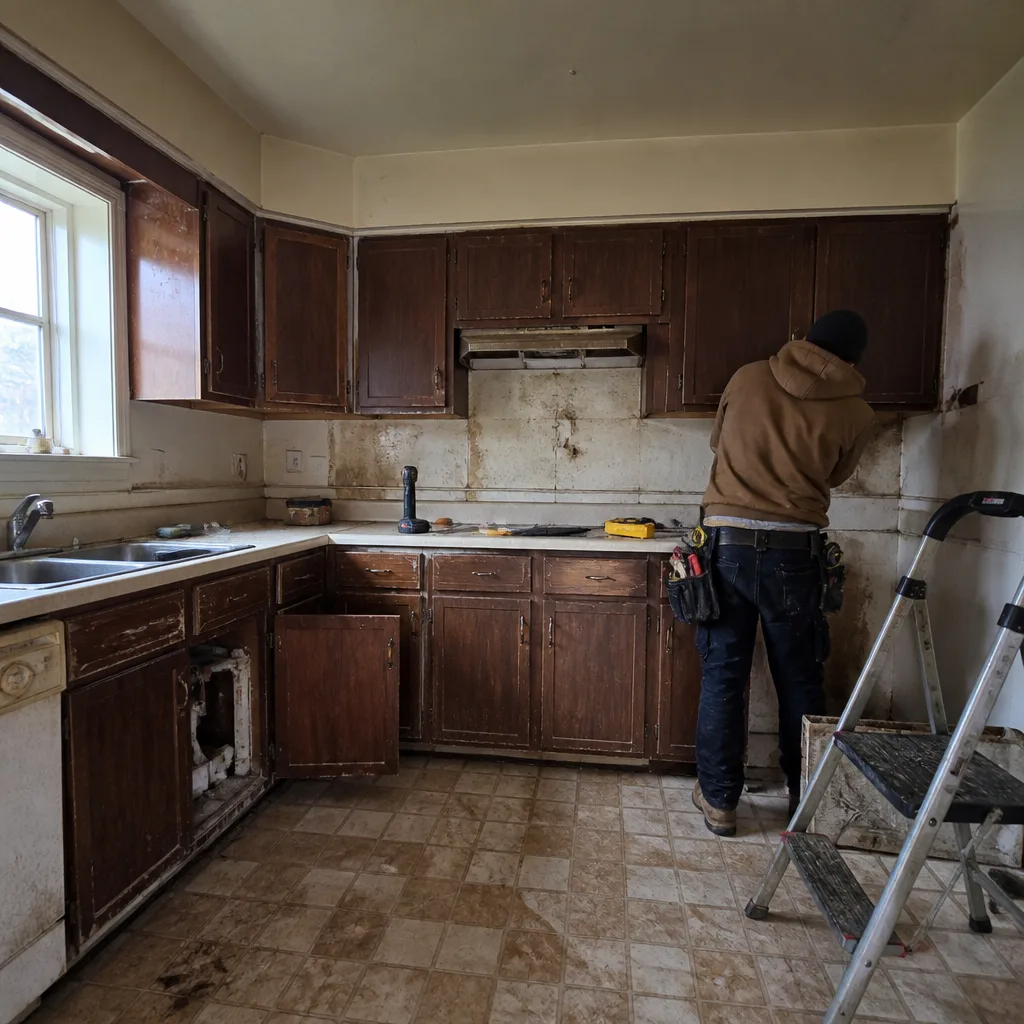 Before
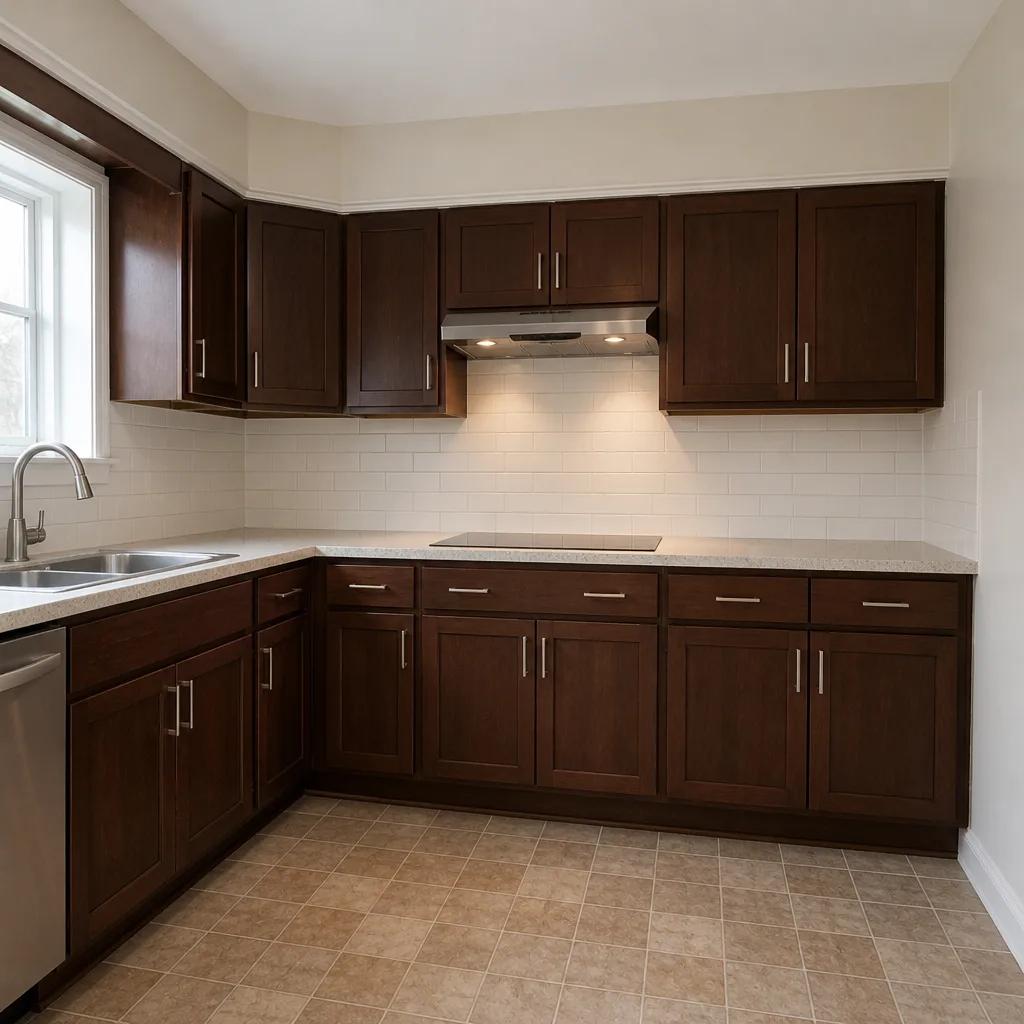 After
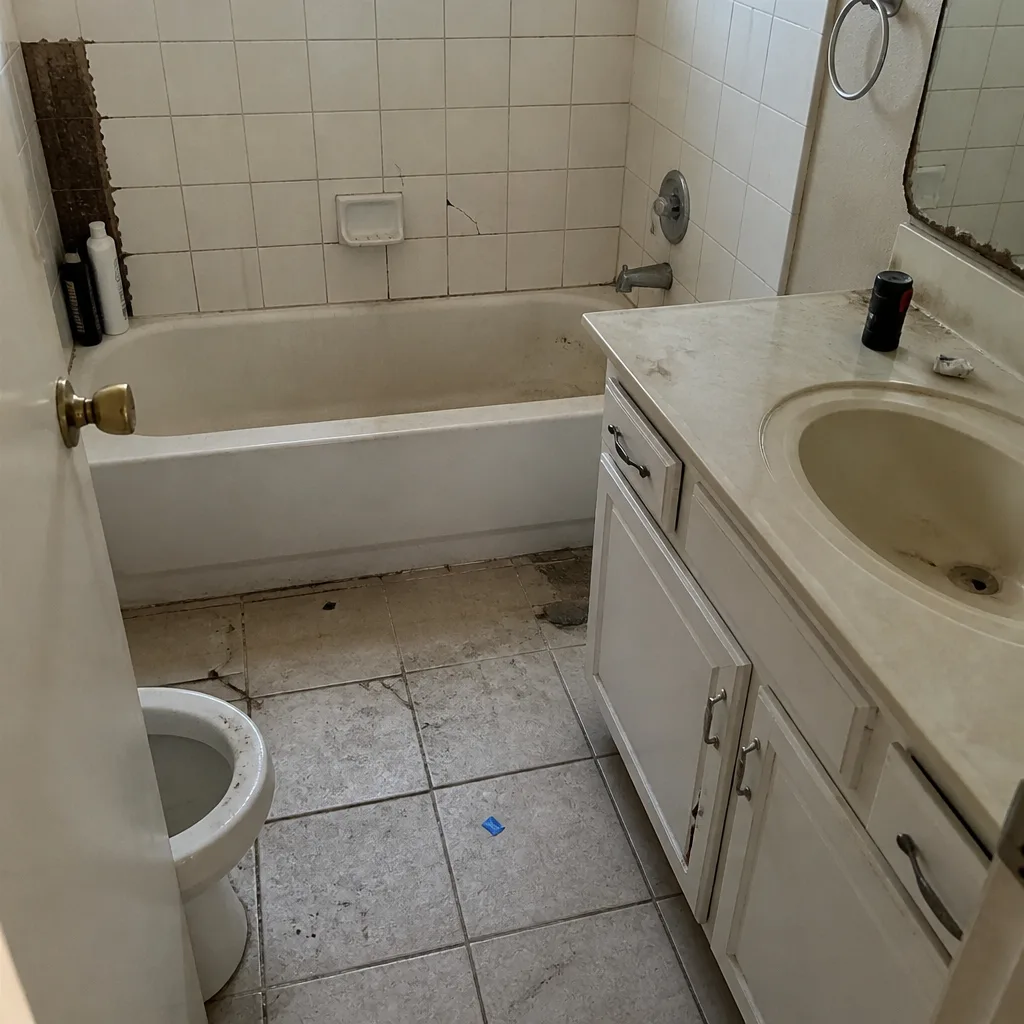 Before
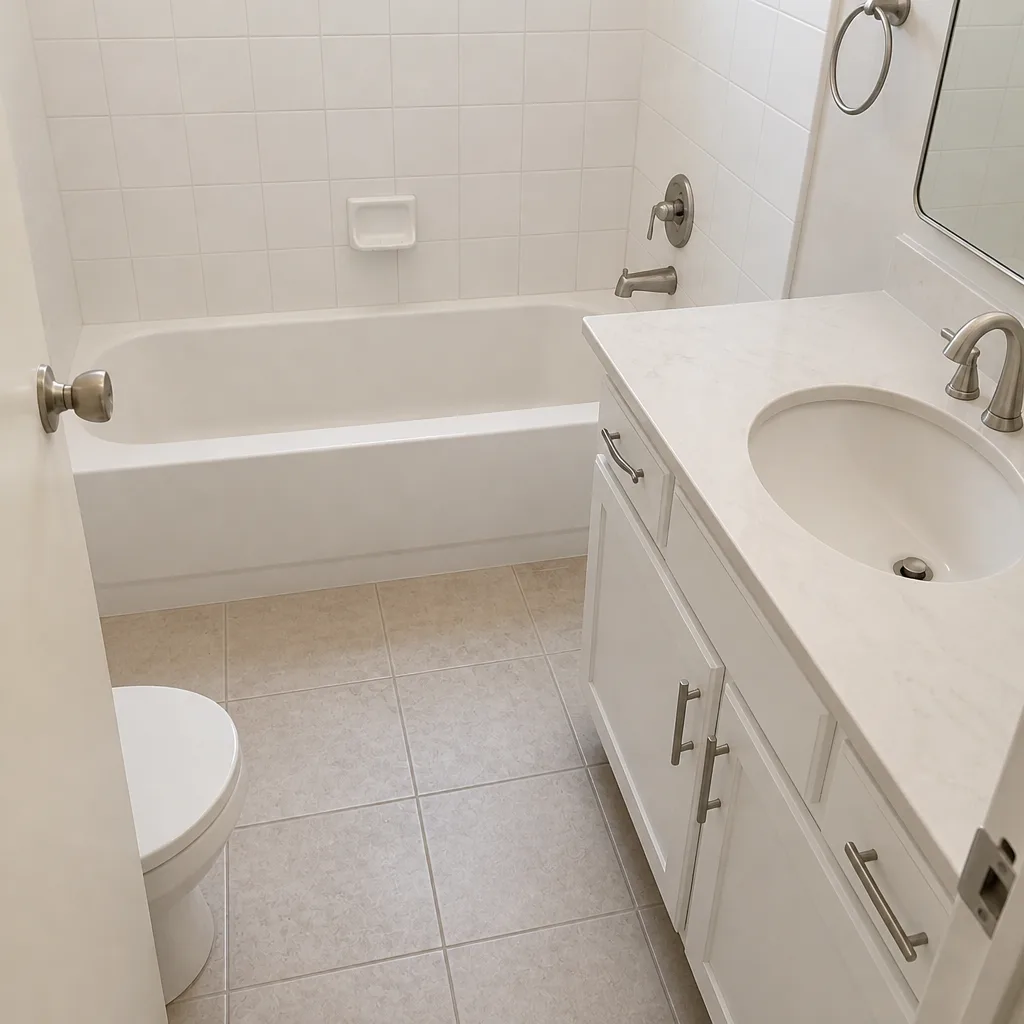 After
When to Call a Professional

Call a professional when the failure is on the workmanship side, when a “watch” item has been a watch item for more than one season, or when a no-go item involves water where it doesn’t belong – behind tile, under a cabinet, or at a slab-to-wall gap. Call when a door or window no longer operates correctly, when slate or slab movement is visible, or when the same joint has failed twice. These are the points where patching turns into a bigger problem. Bradford Remodeling Co Grand Prairie offers free estimates in Grand Prairie – call (888) 255-7593 and a live person answers, day or night. You get a written price before any work starts, every time. That’s not a special offer. That’s how we run every project.
Frequently Asked Questions
Reseal wet-area grout every 12 months, and inspect it every 6 months in the shower and around the tub. Grand Prairie’s clay movement and seasonal humidity both stress wet-area joints, so the 12-month interval isn’t a suggestion. Call (888) 255-7593 if the grout is already showing bloom or darkness – that’s a moisture issue, not a sealing issue.
It depends on when it cracked and why. Caulk that fails within a few months of install because the joint wasn’t prepped or backer-rodded is workmanship and should be corrected at no charge. Caulk that aged out after two or three summers is maintenance. Bradford Remodeling Co Grand Prairie’s 365-Day Done Right Promise covers the workmanship side in writing for a full year. Call (888) 255-7593 and we’ll tell you which side of the line your issue falls on before we schedule anything.
The expansive clay soil under Grand Prairie swells in wet season and shrinks in dry season, and your door frames move with it. Sticking in late spring and loosening in fall is the normal cycle. Doors that stick hard enough to require force, or that won’t latch, need a look. Call (888) 255-7593 for a free estimate if you’re seeing that pattern.
Cosmetic cracks are hairline, appear at corners, and stay the same width season to season. Structural cracks widen, appear suddenly, and often run diagonally across a wall or above a door frame. When in doubt, photograph it with the date. Bradford Remodeling Co Grand Prairie will look at the photo, and if it needs an in-person look, that estimate is free – call (888) 255-7593.
At 6 months, inspect caulk and grout in all wet areas and check under every sink. At 12 months, reseal wet-area grout and touch up any exterior sealant at penetrations. Keep a dated log and photos of both passes. If anything on the workmanship side fails in that first year, our 365-Day Done Right Promise covers the correction. Call (888) 255-7593 with your log and we’ll get it squared away.
Most of it is genuinely DIY: filter changes, visual inspections, checking under sinks, and photographing findings. Resealing grout and replacing caulk joints in wet areas are beginner-level jobs with the right materials. What you should not DIY is anything where the cause is unclear, where water is behind a finish, or where structural movement is suspected. Call (888) 255-7593 for a free estimate before you patch over something that needs diagnosing.
The Bottom Line
A home remodeling maintenance schedule isn’t about keeping things pretty. It’s about protecting the sequenced systems inside your remodel so a small failure doesn’t cascade into a structural one. The intervals are short and the fixes are cheap: reseal grout at 12 months, inspect caulk twice a year, check supply lines monthly, log every finding with photos and dates. In Grand Prairie, add the clay-soil cycle to that calendar, because the ground under your house moves twice a year whether you account for it or not. Keep the log, know where the workmanship line sits, and your 365-Day Done Right Promise stays a real safety net rather than a piece of paper. If it’s not done right, we make it right.
Call Bradford Remodeling Co Grand Prairie at (888) 255-7593 for a free estimate. A written price before any work starts, a documented scope, and a signed guarantee in your hand at close – that’s squared away.
Written by the team at Bradford Remodeling Co Grand Prairie.