Last updated November 18, 2026

Free written scope consultation - allowances, timeline, and change-order rules on paper before a single trade is scheduled
DIY vs Professional General Contractor: What’s Safe to Do Yourself
In Texas, a homeowner can legally pull their own residential permit and do their own work. That’s the part most guides leave out. But if you sell that house within four years, Texas Property Code requires you to disclose the work, and more lenders now flag owner-pulled permits for re-inspection before they’ll fund a mortgage. So the real question isn’t whether you’re handy. It’s whether you can live with the paper trail your DIY work creates. This guide draws the line by consequence, not complexity – what’s safe to touch, what needs a permit, and what voids your insurance or complicates a future sale. We’re Bradford Remodeling, working in Grand Prairie, and we’ve watched both kinds of projects close.
Quick Answer
Safe DIY in Texas: painting, cabinet hardware, non-load-bearing demo, landscaping, and finish work that needs no permit. Permit-required but homeowner-legal: most structural, electrical, plumbing, and mechanical changes on a home you own and occupy, provided you pull the permit and pass inspection. Hire a licensed pro for: gas lines, panel upgrades, load-bearing wall removal, roof framing, and anything you’d have to disclose and can’t prove was inspected. The dividing line isn’t skill – it’s liability.
Styles & brands we work with
- Kitchen remodeling
- Bathroom remodeling
- Home additions & ADU
- Roofing
- Windows & doors
- Driveway & pavers
- Fence
Table of Contents
- The Texas Owner-Builder Exemption: What It Actually Covers
- Safe DIY Tasks That Save Real Money
- Tasks Where a DIY Mistake Creates a Permit Problem
- How Insurance Treats Unpermitted DIY Work
- The Coordination Cost of Acting as Your Own GC
- The Line-Item Table: DIY vs Permit vs License
- Grand Prairie-Specific Considerations
- Common Mistakes to Avoid
The Texas Owner-Builder Exemption: What It Actually Covers
Texas lets a homeowner act as their own general contractor on a home they own and will occupy. That means you can apply for the residential permit in your own name, hire licensed subcontractors directly, and manage the sequencing yourself. It does not require a contractor’s license on your part – property owners are exempt from Texas licensing requirements for work on their own primary residence.
What the exemption does not cover matters just as much:
- It doesn’t cover rental property or speculative builds. The owner-builder exemption is tied to a home you live in. Remodeling a rental or flipping a house generally requires a licensed contractor.
- It doesn’t transfer to your subs. Any electrician, plumber or HVAC tech you bring in still needs their own Texas license. You’re managing them, but you’re not covering for them.
- It doesn’t eliminate the inspection requirement. Owner-pulled permits still get inspected by the city. Failing inspection is a matter of public record tied to your address.
- It triggers disclosure. Under Texas Property Code, you must disclose any work done in the four years before a sale – including work you performed under an owner-builder permit. The buyer’s inspector can pull that permit history from the city.
In Grand Prairie, the city’s building department issues these permits routinely. Plenty of homeowners pull them for room additions, garage conversions and interior reconfigurations. The permit itself isn’t the problem. The trail it leaves is.
Safe DIY Tasks That Save Real Money
Some work genuinely belongs in your hands. These tasks carry low risk of creating a permit problem, a disclosure issue, or an insurance gap:
- Demo of non-load-bearing partitions. Tearing out a wall that carries no structural load, once you’ve confirmed it with a structural engineer or by reviewing the original framing plan. Cost: a sledgehammer and a dumpster rental.
- Interior painting. Prep, prime and paint. No permit, no inspection, no disclosure issue. Skilled labor here runs $25 to $45 an hour in the Dallas-Fort Worth market, so a full interior repaint is a real saving.
- Cabinet hardware and refacing trim. Pulling and replacing drawer pulls, hinges and decorative trim is finish work. Wellborn and KraftMaid both publish installation specs you can follow directly.
- Flooring over existing subfloor. LVP, laminate and carpet tile over a sound substrate. No permit needed unless you’re cutting into the subfloor for leveling.
- Landscaping and hardscape on grade. Paver patios, garden beds, mulch, fencing under seven feet. Belgard and Unilock both publish installation guides that a careful homeowner can follow.
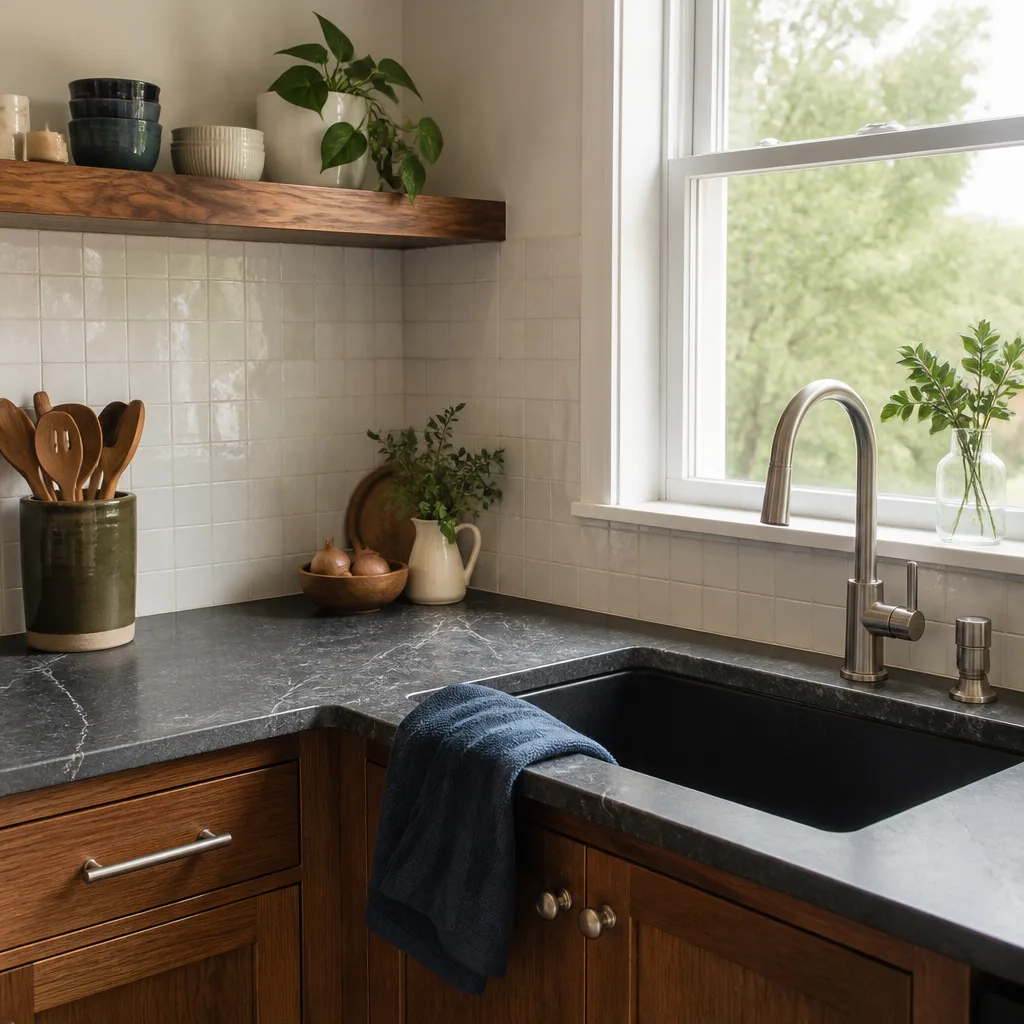
- Tile backsplash in a kitchen. Cosmetic, non-structural, no permit. The one exception: cutting into the wall for outlets.
- Patching drywall and small cosmetic repairs. No permit, no disclosure issue, and Quikrete and Sakrete both make patching products that go on without a learning curve.
These tasks have something in common: they’re cosmetic or finish-level, they don’t touch the systems that carry a permit requirement, and they don’t create paperwork that follows the house when you sell. That’s the test.
Tasks Where a DIY Mistake Creates a Permit Problem
Here’s where the math changes. A DIY mistake on a permitted task doesn’t just cost you the cost of doing it twice. It creates a record that a buyer’s inspector will find and a buyer’s lender will flag. In Grand Prairie, we’ve seen homeowners try to sell after an unpermitted garage conversion and end up absorbing the cost of a re-inspection, re-permitting and code correction just to close.
The specific categories:
- Load-bearing wall removal. Removing a load-bearing wall without an engineered beam and an inspection creates a structural question the buyer’s inspector will raise. Fixing it later costs more than doing it right the first time, and the fix has to be permitted anyway.
- Electrical panel upgrades and new circuits. Every new circuit is a permit event. A homeowner can pull the permit, but the work needs a licensed electrician. An unpermitted panel change is one of the most common flags during a pre-sale inspection.
- Plumbing reroutes and new drain lines. A rerouted drain without a permit means the buyer’s plumber can’t verify the work. Insurance claims on water damage traced to unpermitted plumbing routinely get denied.
- Room additions and garage conversions. These change the square footage of the house on record. An unpermitted addition means the appraiser can’t count the square footage, which means the lender won’t finance it.
- Gas line work. This one has nothing to do with permits and everything to do with safety. A gas line error can cause a leak, a fire or carbon monoxide exposure. This is never a homeowner task, regardless of what the code allows.
If you’re already thinking about a kitchen or bathroom project, our kitchen remodeling in Grand Prairie and bathroom remodeling in Grand Prairie pages walk through the permit sequence for those specific projects.
How Insurance Treats Unpermitted DIY Work
Homeowner’s insurance policies almost universally contain a “concealment or fraud” clause and an exclusion for work performed in violation of building codes. In plain terms: if a fire is traced to unpermitted electrical work you did yourself, the adjuster can deny the claim on the grounds that the work was non-compliant. The insurer doesn’t need to prove you intended anything. The permit record alone is enough.
The specific policy language that creates the gap:
- “Ordinance or law” exclusion. Most standard HO-3 policies exclude the cost of bringing unpermitted work up to code after a loss. If your unpermitted bathroom needs a total rebuild after a pipe burst, the policy may cover the damage but not the code-correction cost.
- “Workmanship” exclusion. Defective workmanship by the homeowner isn’t covered. Hands-on DIY, by definition, is workmanship.
- “Intentional or negligent acts” exclusions. A poorly installed shower pan that leaks for three years before it’s discovered doesn’t get the same treatment as a sudden pipe failure.
- Contractor warranty extension. When a licensed contractor does the work, their liability sits between you and the insurer. When you do it yourself, you’re the contractor and the exposure is yours.
Some carriers now ask specifically at renewal whether any owner-permitted work was done in the coverage year. In Grand Prairie, several of the major Texas carriers include that question on the homeowner affirmation form. Answering yes can affect your premium. Answering no when you did the work voids coverage.
The Coordination Cost of Acting as Your Own GC
Acting as your own GC looks like a way to save 15 to 20 percent off a contractor’s markup. It usually isn’t. The markup a general contractor charges pays for scheduling, sequencing, material delivery, permitting, inspection coordination and cleanup. If you’re doing that yourself, you’re doing real work with a real cost.
Here’s what a typical kitchen remodel actually requires you to coordinate, in order:
- Permit application and plan review. One to three weeks in most DFW metro cities, longer in older neighborhoods where plans get extra scrutiny.
- Demo. One to two days, timed against the dumpster delivery and the first inspection window.
- Rough-in trades. Plumbing, electrical and HVAC each need their own permit, inspection and sign-off before drywall. A single missed inspection holds the whole job.
- Framing and insulation inspection. Then drywall – and this is where delays compound. Drywall can’t start until all three rough-ins pass. Every late trade pushes the sequence.
- Finish trades. Cabinets, counters, tile, plumbing trim, electrical trim. The longest part of the schedule, and the part most sensitive to material delivery windows.
- Final inspection and certificate of occupancy if required for the scope.
When one trade runs two weeks late – a common occurrence with sub scheduling in the DFW market – every subsequent trade has to be rescheduled, and some won’t have an opening for another three weeks. A homeowner managing this part-time can watch a six-week kitchen remodel stretch to fourteen. Ten weeks of a non-functional kitchen, at whatever your daily cost of eating out and stress is, adds up fast. In Grand Prairie we’ve resequenced more than a few half-built kitchens into projects the homeowner would have finished six months earlier if they’d called a GC in the first place.
The Line-Item Table: DIY vs Permit vs License
This is the rule, not a judgment call. Use the row that describes your task.
- Interior paint and primer – DIY-safe: Yes. Permit: No. License: No. Insurance implication: None.
- Cabinet hardware and pulls replacement – DIY-safe: Yes. Permit: No. License: No. Insurance implication: None.
- Non-load-bearing partition demo – DIY-safe: Yes. Permit: Usually not. License: No. Insurance implication: None if confirmed non-structural.
- Kitchen backsplash tile – DIY-safe: Yes. Permit: No. License: No. Insurance implication: None (unless adding outlets).
- Flooring over existing substrate – DIY-safe: Yes. Permit: No. License: No. Insurance implication: None if substrate is sound.
- Landscape paver patio and fencing under 7 ft – DIY-safe: Yes. Permit: Often not. License: No. Insurance implication: Unknown if drainage alters grade.
- Bathroom vanity replacement (same location) – DIY-safe: Yes. Permit: Sometimes. License: No. Insurance implication: None if supply lines stay put.
- Bathroom fixture relocation or reroute – DIY-safe: No. Permit: Yes. License: Licensed plumber required. Insurance implication: Water damage claims subject to code exclusion.
- Electrical outlet addition or new circuit – DIY-safe: No. Permit: Yes. License: Licensed electrician required. Insurance implication: Fire claims subject to concealment exclusion.
- Panel upgrade – DIY-safe: No. Permit: Yes. License: Licensed electrician required. Insurance implication: High – common pre-sale flag.
- Load-bearing wall removal – DIY-safe: No. Permit: Yes. License: Licensed engineer + licensed contractor. Insurance implication: Structural defect exclusion possible.
- Room addition or garage conversion – DIY-safe: No. Permit: Yes. License: Licensed contractor required by most lenders. Insurance implication: Unpermitted additions not financeable.
- Gas line work of any kind – DIY-safe: Never. Permit: Yes. License: Licensed plumber required. Insurance implication: Safety issue first; coverage denied if unpermitted.
- Roof framing and structural repair – DIY-safe: No. Permit: Yes. License: Licensed roofer + structural engineer. Insurance implication: Roof-related water claims denied if unpermitted.
Grand Prairie-Specific Considerations
Grand Prairie sits in a part of North Texas with a specific set of variables that affect the DIY-versus-hire math. The clay-heavy soil in the DFW metro moves with the seasonal moisture cycle, which matters if you’re working on a foundation-adjacent project. Older Grand Prairie neighborhoods have foundation repair histories that a general contractor checks before opening a wall. A homeowner removing a “non-load-bearing” partition in a house that’s already had foundation work may be working on a load-bearing wall without realizing it.
Grand Prairie’s building department inspects owner-builder permits on the same schedule as contractor permits. Inspectors are thorough on rough-ins, wiring, and structural, and the schedule is publicly recorded by address. That’s actually a good thing when you go to sell – a documented, passed inspection is a selling point, not a liability.
The other Grand Prairie-specific factor is hail season. Roof repairs, exterior hardboard (James Hardie and similar), and Therma-Tru door installs are common spring and summer projects after a storm. Most hail-related repairs are covered by insurance, and insurers increasingly require licensed contractor documentation for the claim. In Grand Prairie, a DIY roof patch after hail is a claim-denial waiting to happen – the insurer will ask for the contractor invoice and the permit number.
If you’re mapping out a whole-home renovation, our general contractor in Grand Prairie page walks through the permitting sequence we run for these projects. You can also start at our Bradford Remodeling Co Grand Prairie home page for an overview of how we work.
Common Mistakes to Avoid
- Assuming “the code says I can” means “I should.” Texas law does allow the homeowner exemption, but the disclosure and resale consequence isn’t in the code. It’s in the Property Code and lender requirements.
- Pulling a permit and not carrying the work to inspection. An open permit on record is worse than no permit – it signals to the buyer’s inspector that work was started and never verified.
- Doing electrical work “just to add an outlet.” In Grand Prairie and across DFW, a new outlet is a permit event and a licensed-electrician job. Fire claims from unpermitted electrical work get denied under the concealment clause.
- Cutting into a wall without confirming structural load. In older Grand Prairie homes with foundation history, “non-load-bearing” needs to be confirmed, not assumed. A structural engineer costs a fraction of a beam replacement.
- Underestimating coordination time on a multi-trade project. Ten to fourteen weeks of part-time GC work is a common stretch. Most homeowners don’t have that bandwidth on top of a job.
- Treating a garage conversion as cosmetic. It changes the recorded square footage and financing eligibility. It’s never a DIY project on a home you plan to sell.
- Patching a hail-damaged roof without documentation. Insurance claims need a licensed contractor invoice and permit number. A homeowner patch can void the claim you were going to file.
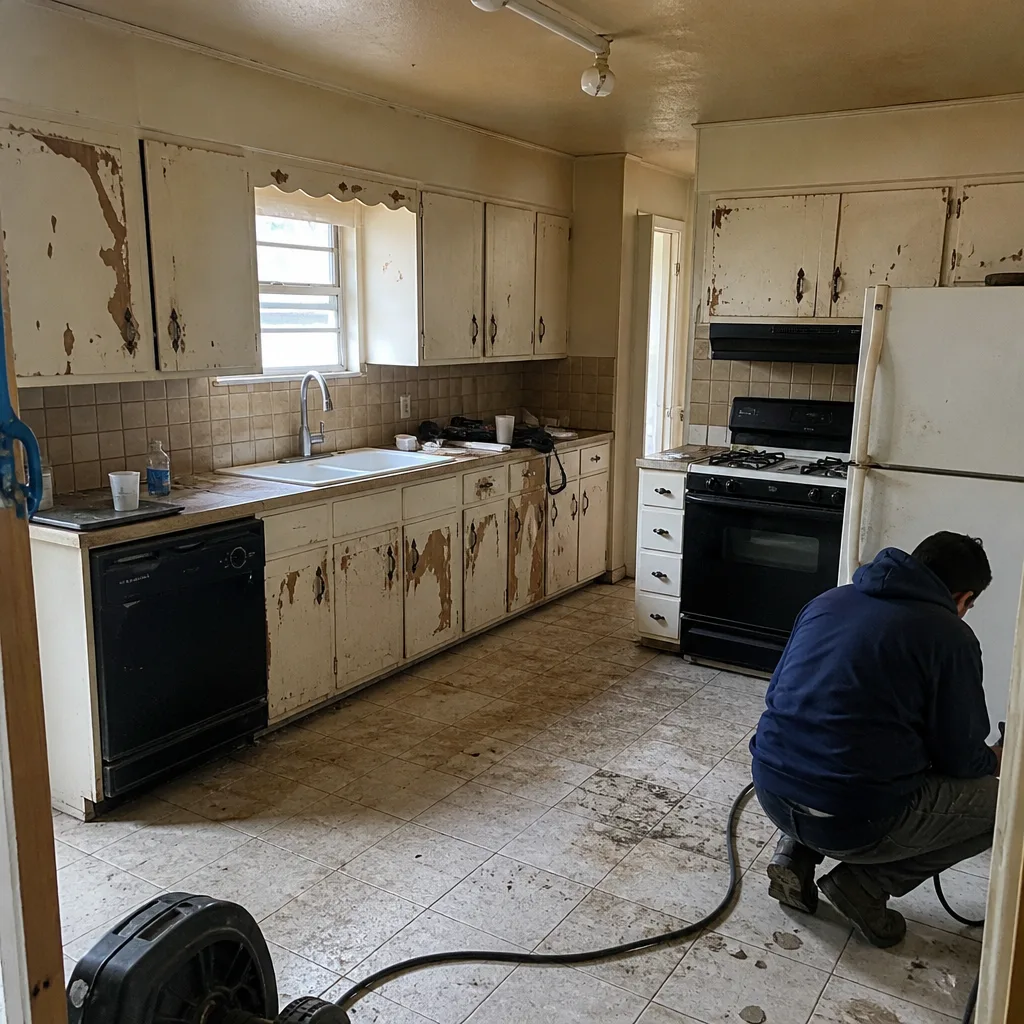
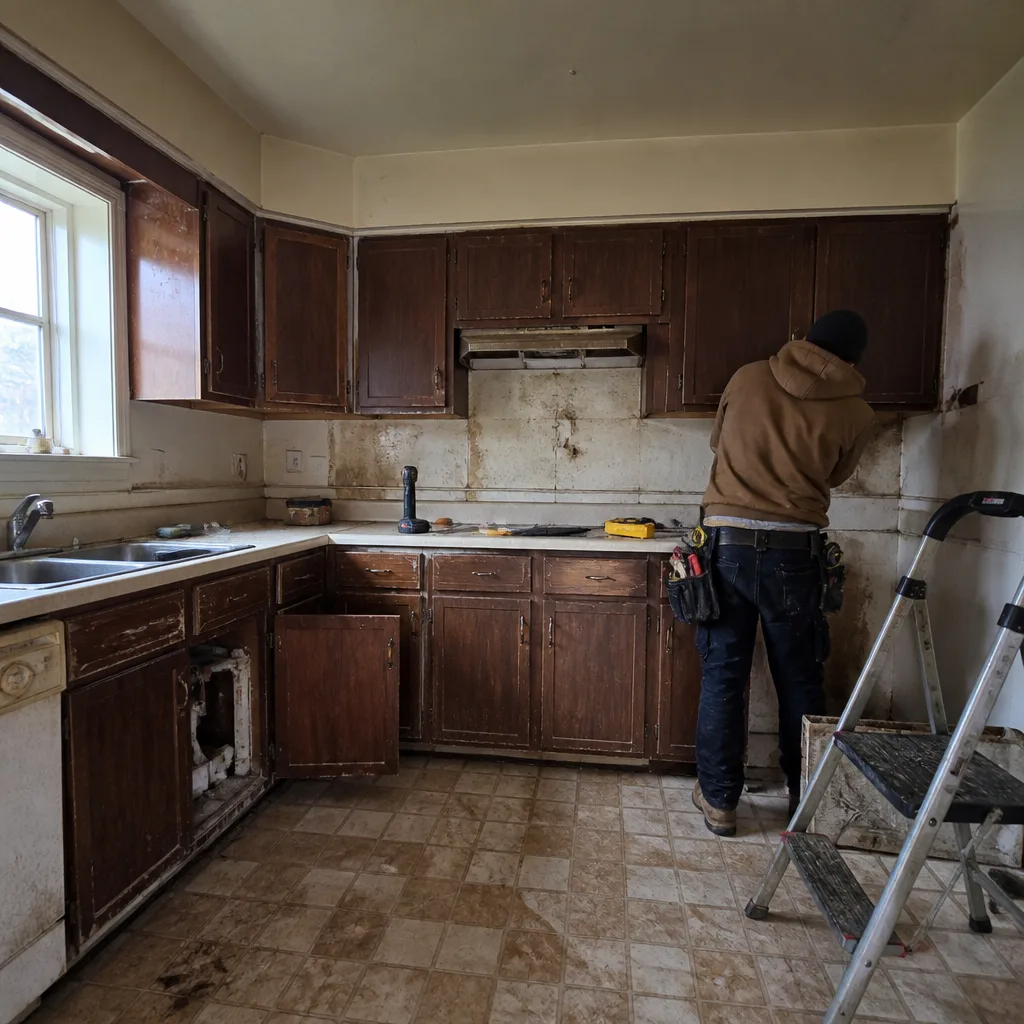
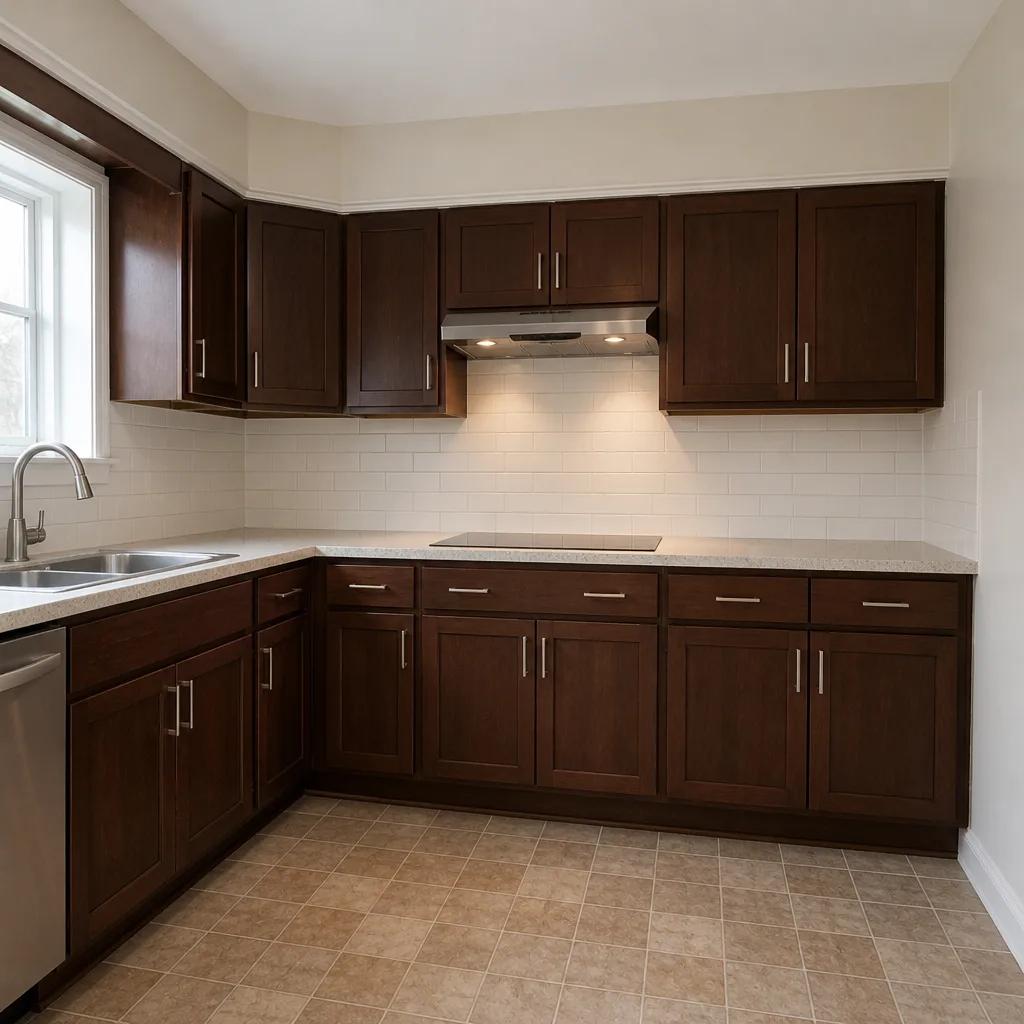
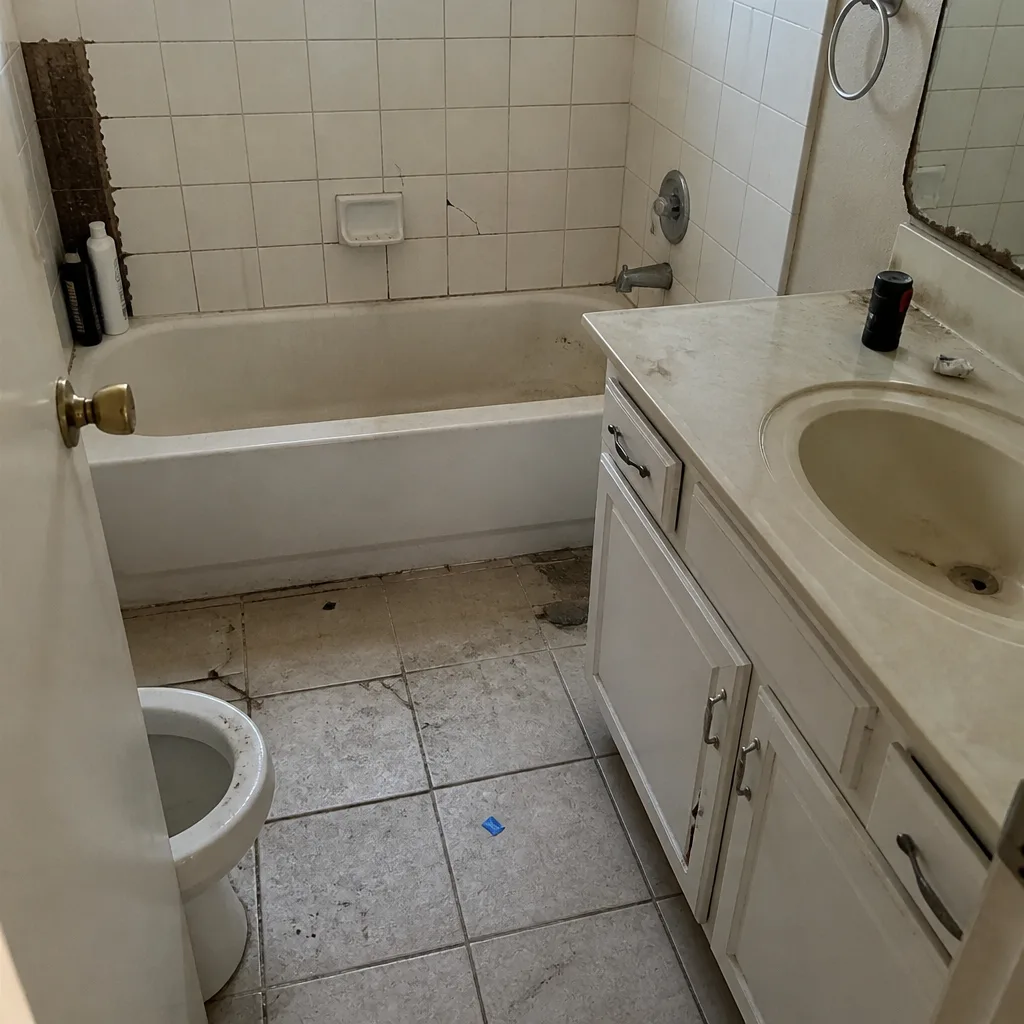
See the difference
 Before
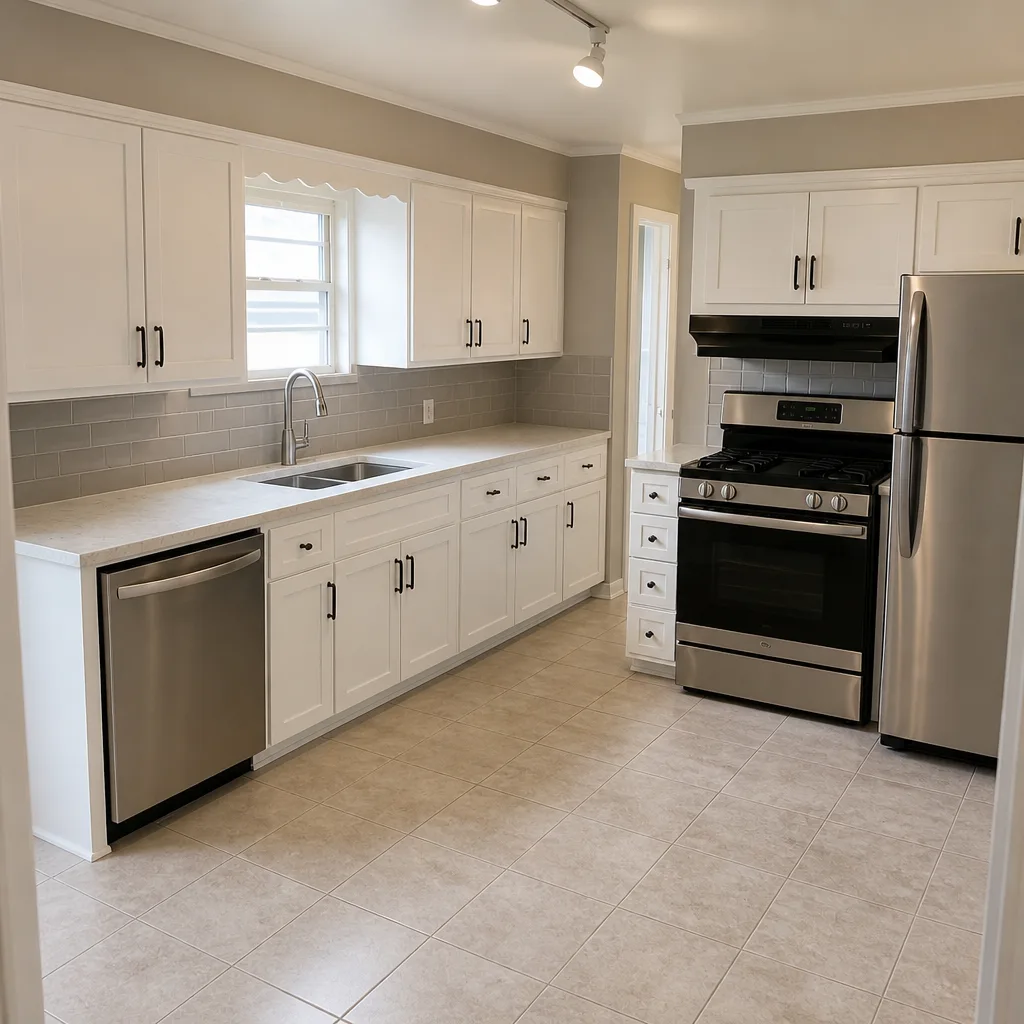 After
 Before
 After
 Before
 After
When to Call a Professional
Call a professional the moment your project crosses any of these lines: gas anything, electrical anything beyond swapping a fixture, load-bearing wall changes, plumbing reroutes, roof framing, permits you can’t carry to inspection, or work you’d have to disclose at a sale within four years. Also call when the schedule matters more than the money – a full kitchen or bathroom remodel done part-time by a homeowner runs long enough that the “savings” disappear into takeout and stress. In Grand Prairie, Bradford Remodeling Co Grand Prairie offers free estimates with a written price in your hand before any work starts, backed by the 365-Day Done Right Promise – if the work fails within a full year, we come back and fix it at no charge. Call (888) 255-7593 to schedule your free estimate.
Frequently Asked Questions
Yes, if you own and occupy the home and pull the permit in your own name under the owner-builder exemption. You can hire licensed subcontractors, but you remain responsible for the inspections and for disclosing the work under the Texas Property Code if you sell within four years. Call (888) 255-7593 for an exact quote on any project you’re weighing – estimates are free.
Anything requiring a license by statute – gas line work, electrical work, plumbing beyond simple fixture swaps, and HVAC refrigerant work – must be done by a licensed tradesperson, regardless of whether you’re the homeowner. Load-bearing structural changes require an engineered design. Call Bradford Remodeling Co Grand Prairie at (888) 255-7593 to get a clear scope for your project.
It doesn’t automatically void your policy, but it can void specific claims. Most standard policies exclude code-correction costs and workmanship defects, and concealment clauses allow denial when the loss traces to unpermitted work. In Grand Prairie, where hail and water claims are common, that gap matters. Call (888) 255-7593 for a project that generates a clean permit record.
It can. Texas Property Code requires you to disclose work done in the four years before a sale, and buyers’ lenders increasingly flag owner-pulled permits for re-inspection. A passed inspection is a selling point; an open or failed permit is a liability. Call us at (888) 255-7593 if you’re planning to sell and want to know what needs correcting first.
The rough range is a 15 to 20 percent markup for a general contractor on comparable scope, but that markup covers scheduling, permitting, inspection coordination, material logistics and cleanup. The real cost of self-GC on a full kitchen or bathroom is often the schedule stretch of ten or more weeks. Call (888) 255-7593 for a written price on either scope – no guesswork, no moving numbers.
Interior painting, cabinet hardware, non-load-bearing demo, tile backsplash and finish-level flooring over an existing substrate. All five are no-permit, no-inspection, no-disclosure tasks with genuine labor savings. Past those, the risk-to-reward tips against DIY. Call Bradford Remodeling Co Grand Prairie at (888) 255-7593 for a free estimate on anything more.
The Bottom Line
The DIY-versus-hire question for general contractor work isn’t about whether you can hold a hammer. It’s about what happens after the work is done – the permit record, the disclosure obligation, and the insurance coverage on file. Cosmetic finish work is yours for the taking and saves real money. Anything that touches electrical, plumbing, gas, structure, foundation, or the recorded square footage of a house is a permit-and-license event, and the consequence of getting it wrong doesn’t disappear when the paint dries – it shows up at the next sale. Draw the line by consequence. If your project crosses it and you’d rather hand the coordination to a crew that puts everything in writing, that’s the call.
If you’re weighing a project in Grand Prairie and want a straight answer on what’s DIY, what’s permit-only, and what needs a licensed pro, Bradford Remodeling Co Grand Prairie will show you the scope in writing before anyone picks up a tool. Every project carries the 365-Day Done Right Promise – if the work fails within a full year, we come back and correct it at no charge – a written price before any work starts, background-checked uniformed technicians, and a live person answering the phone at any hour. Call (888) 255-7593 to schedule your free estimate.
Written by the team at Bradford Remodeling Co Grand Prairie.