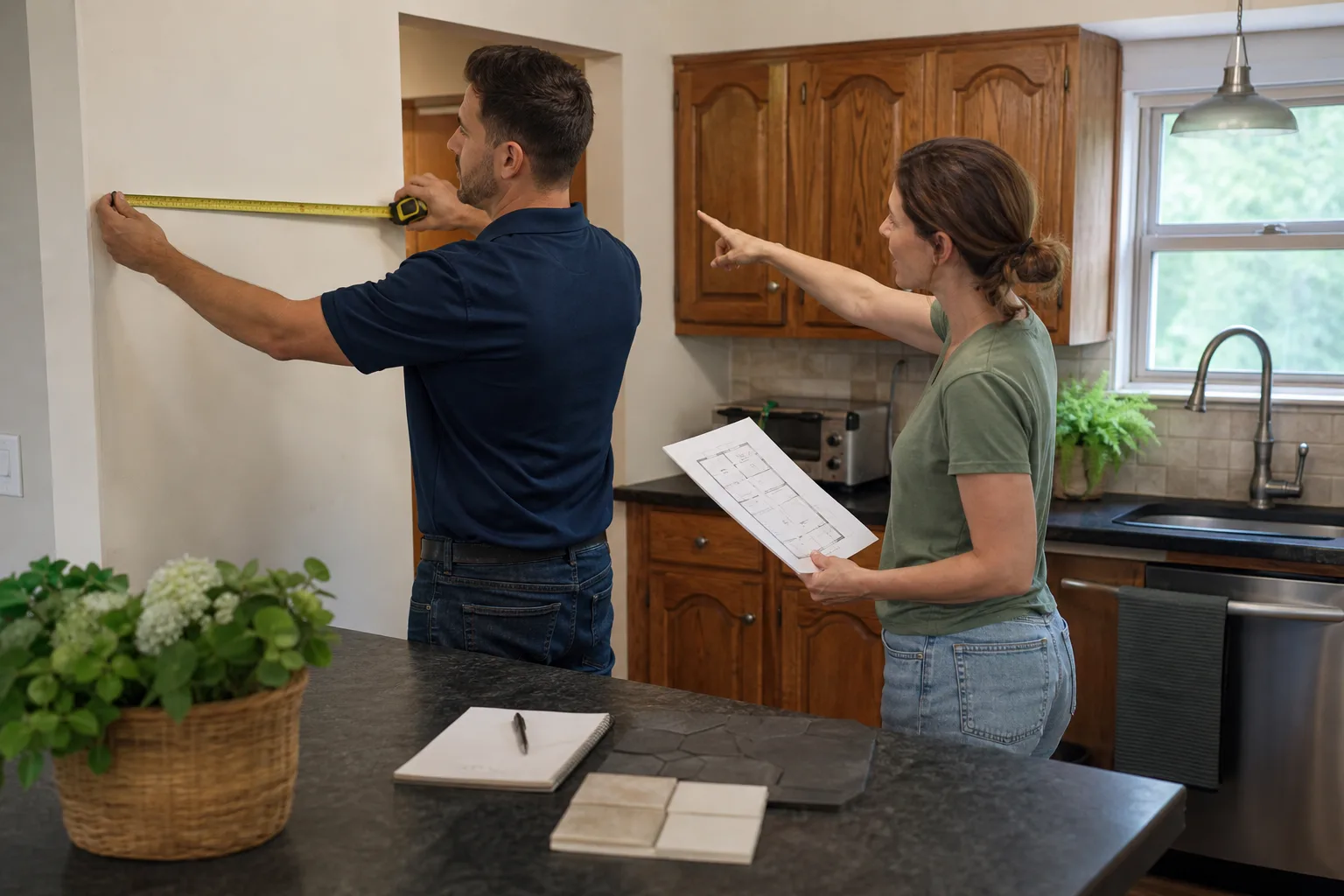
Last updated November 18, 2026








Free written scope consultation - allowances, timeline, and change-order rules on paper before a single trade is scheduled
General Contractor Warning Signs Every Homeowner Should Know
A contractor with a valid Texas license, a clean BBB record, and a wall of five-star Google reviews can still leave you with a half-finished kitchen and a lien on your house. None of those credentials tell you whether the draw schedule is built to front-load your money and leave the risk sitting on your side of the table. The warning signs that matter most in 2026 aren’t the obvious ones you already know to check for. They’re in the paperwork, in the bid process, and in the way a contractor answers a question about change orders before a single permit is pulled. This guide walks through the contractual and behavioral red flags we’ve watched play out on job sites around Grand Prairie, and what a squared-away project actually looks like on paper.
Quick Answer
The biggest warning signs when hiring a general contractor are a front-loaded draw schedule that has you paying most of the money before most of the work is done, a contract with no defined substantial completion date or lien waiver requirement, vague answers about who the subcontractors are and whether they’re insured, and pressure to sign before the building permit is confirmed. These red flags show up long before the personality problems that homeowners tend to blame when a project goes sideways. If a contractor can’t hand you a written price and a written scope before work starts, that’s your answer about how the rest of the job will go.
Styles & brands we work with
- Kitchen remodeling
- Bathroom remodeling
- Home additions & ADU
- Roofing
- Windows & doors
- Driveway & pavers
- Fence
Table of Contents
- Draw Schedule Analysis: How Front-Loading Works
- Contract Omissions That Signal Future Disputes
- How to Verify a GC’s Subcontractor Network
- Behavioral Red Flags During the Bid Process
- Reading the Texas TDLR Complaint Database
- The Paperwork Check That Protects You
- Common Mistakes to Avoid
- When to Call a Professional
Draw Schedule Analysis: How Front-Loading Works
The draw schedule is where a contractor with a clean license and good reviews can still put your money at risk. A draw schedule is the payment timeline written into your contract, where each installment is tied to a completion milestone. On a fair schedule, the money you’ve paid out roughly tracks the value of work that’s already been done or materials that are already on site.
A front-loaded schedule breaks that link. Here’s a common pattern we’ve seen on bids brought to us for a second opinion in Grand Prairie:
- 30-40% due at signing before any permit is pulled and before a single material is ordered
- 25% due when framing starts, which can mean 65% of the money is gone before the job is 20% complete
- 25% due at rough-in, which typically happens in the first third of a remodel
- 20% due at completion, which only holds a contractor to the job if he’s still motivated by the last check
On a $60,000 kitchen remodel, that pattern can put $39,000 in your contractor’s hands a few weeks in, while the value of work on your floor is closer to $10,000. If he stops showing up, you’re holding a half-framed room and a bad lawsuit.
A better structure ties each draw to a milestone you can verify in person, and keeps a meaningful final payment behind substantial completion plus a punch-list sign-off. One workable ratio: no single draw exceeds 20% of contract value, and the final draw stays at 15-20% until the job is documented as complete. Ask the contractor to walk you through what “milestone” means for each line. If he can’t tie the payment to something you can see, the schedule isn’t built for you.
Contract Omissions That Signal Future Disputes
Most of the disputes we hear about in Grand Prairie started as blanks in the contract, not as outright lies. What’s missing from the paperwork predicts trouble better than what’s in it. The following omissions show up on almost every complaint file we’ve read:
- No defined substantial completion date. “Fall 2026” is not a date. A real contract names a calendar date and defines substantial completion – the point where the work is complete enough to use for its intended purpose – plus a defined cure period and what happens if the contractor blows the date.
- No lien waiver requirement. A lien waiver is the sub’s written statement that they’ve been paid and won’t file a mechanics lien against your property. If the contract doesn’t call for a conditional waiver with each draw and a final unconditional waiver at close, you’re the one at risk when a sub gets stiffed.
- No written change order clause. This is the one that causes the most fights. Without a written change order process – signed by both sides, with the cost and time impact spelled out before the work starts – “while we’re in there” becomes “while we’re billing you.”
- No written price. A contractor who can’t put a number on paper before the tools come out hasn’t finished the estimate. A range on the back of a business card isn’t a price. A line-item written price is.
- No scope of work schedule. Every room, every surface, every material – named. “Tile allowance” without a brand or a dollar number is a blank check.
- No warranty terms in writing. What’s covered, for how long, and who performs the fix. If the answer is verbal, the warranty doesn’t exist.
At Bradford Remodeling Co Grand Prairie, the contract always carries a written price, a defined completion date, a written change order process, and the terms of the 365-Day Done Right Promise spelled out before we start. That’s The Garrison Standard, and it exists because the blanks are where homeowners get hurt.
How to Verify a GC’s Subcontractor Network
Ask a general contractor who his subs are and you’ll often get a list of names. A list of names tells you nothing. The real question is whether every sub who touches your house is actually licensed and insured in Texas before work starts, and whether the GC can prove it on request.
In Texas, the rules vary by trade. Plumbers and electricians must hold state licenses through the Texas State Board of Plumbing Examiners and TDLR respectively, and HVAC work requires a license through TDLR. General contracting itself isn’t licensed at the state level, which is exactly why the sub verifications matter so much. If a GC can’t tell you who’s pulling the electrical permit and whether that electrician is currently licensed, that’s a red flag.
Here’s how to check the network before you sign:
- Ask for a certificate of insurance from the GC and from every sub on the job – general liability and workers’ compensation. Call the carrier to verify the policy is current.
- Ask the GC for the name and license number of the electrician, plumber, and HVAC contractor on your project, then verify each one on the TDLR or TSBPE lookup.
- Ask who will pull each permit and confirm that the permit applicant matches the license holder for the trade.
- Ask for the sub’s contact info and call one of their references yourself.
If the answer to any of these questions is “we handle that internally” or “our guy is covered,” ask for the paper. A by-the-book contractor has it ready. We keep our sub roster verified on every job, and every tech who walks through your door is background-checked and uniformed, so you know exactly who’s on site in Grand Prairie before the crew arrives.
Behavioral Red Flags During the Bid Process
The bid process is the interview. How a contractor behaves before he has your money predicts how he’ll behave after. These are the behavioral patterns we’ve seen precede expensive problems:
- Vague scope responses. “We’ll figure out the details once we get started” is not an answer. A contractor who won’t name materials, allowances, and line items in the bid is going to bill you for the “figuring out” later. On a kitchen in Grand Prairie, the difference between “quartz countertops” and “Cambria quartz, 3cm, specific edge profile, template and install included” is thousands of dollars of ambiguity.
- Resistance to written change orders. Ask how he handles changes when you’re 40% into the job. If the answer involves a verbal “we’ll work it out,” walk.
- Pressure to sign before the permit is confirmed. In Grand Prairie, permit review through the city’s building department takes real time, and the permit drawing set is where scope problems surface. A contractor who wants your signature before the plan is even submitted is asking you to fund his learning curve.
- No-show on the second visit. If he misses a scheduled bid appointment without a call, he’ll miss a scheduled install appointment the same way. This is the strongest early predictor of project management problems we see.
- Numbers that move at the door. If the price changes between the phone call and the handshake, it will change again after the contract is signed.
By-the-book contractors show up, put it in writing, and let the price hold. We answer the phone live around the clock, at every hour – no voicemail queue – because the bid process is where trust gets built or lost.
Reading the Texas TDLR Complaint Database
The Texas Department of Licensing and Regulation (TDLR) maintains a public complaint database at tdlr.texas.gov. It’s the closest thing Texas has to a contractor background check for the licensed trades, and most homeowners never look at it. Here’s how to read it and what actually matters:
Search by the contractor’s legal name and license number, not just the DBA. Then look at the complaint type, not the count. A handful of complaints about paperwork or advertising is a minor flag. Complaint categories that should stop you cold:
- Abandonment of a project – the contractor took money and stopped working
- Failure to perform with a pattern of unresolved complaints
- Work without a required permit where a permit was required
- Insurance or bond lapses during the project window
- Any administrative penalty or license suspension in the last two years
Also look at the resolution status. A complaint that resolved with a correction is different from a complaint that’s still open or resulted in a default judgment. If you can’t find a license number at all for the trade, that’s the biggest red flag of all. For plumbing and electrical, the license number should be printed on the proposal. If it isn’t, ask for it before you go any further.
Note that this database covers licensed trades, not general contracting as a whole. The gaps you find there are precisely why the contract and draw schedule matter so much: they’re the protections that stay with you when the license lookup comes back clean.
The Paperwork Check That Protects You
Before you sign, run this check. It takes about an hour and it’s the single highest-leverage thing you’ll do on your project.
- Read the draw schedule aloud. Each payment should be tied to a milestone you can verify. If any single draw exceeds 20% of the contract before the corresponding work is on the ground, ask the contractor to restructure it. A confident GC will adjust without drama.
- Confirm substantial completion is a date, not a season. Written into the contract, with a cure period.
- Get the lien waiver process in writing. Conditional waivers with each draw, unconditional final waiver at close.
- Get the change order clause in writing. Signed by both sides before the work starts.
- Get the warranty in writing. What’s covered, for how long, and who performs the fix. Ours is the 365-Day Done Right Promise – if the work fails inside a year, we come back and correct it at no charge, and that term is in the contract, not in a handshake.
- Verify every sub. Insurance certificate, license number, permit applicant. All matched to the trade.
- Walk the permit status. Confirm the permit has been submitted and get the application number. No work starts before the permit is issued.
If the contractor resists any of this, you have your answer. The contractors worth hiring will run the same check with you, because they know their paperwork is clean. If you’re looking at a remodel in Grand Prairie and want to see what a full paperwork set looks like, our general contractor in Grand Prairie page lays out the process we follow on every job.
Common Mistakes to Avoid
- Paying more than 20% before demo day. A contractor’s cash position is his problem, not yours. Deposits north of 20% before work begins expose you to the exact failure mode this guide is about. In the mid-size metro market around Grand Prairie, plenty of good contractors operate on smaller draws.
- Treating the phone bid as a bid. A number delivered by phone with no scope attached is a starting price, not a price. Get every bid in writing, itemized, with allowance amounts spelled out – especially on cabinetry, where KraftMaid and Wellborn lines can swing thousands depending on door style and finish.
- Signing before the permit is submitted. Grand Prairie permit drawing reviews surface scope conflicts. If you sign before the plan submission, you own the changes.
- Hiring the sub-network’s cheerleader. A contractor who says “don’t worry about the sub stuff” is telling you exactly how he’ll handle it when something goes wrong.
- Not asking who pulls the permit. The permit applicant is legally on the hook for the work. That application needs to match the license holder for the trade, not a name drawn from the GC’s contact list.
- Trusting a warranty that isn’t written down. If the guarantee isn’t in the contract with a term and a coverage description, you have no guarantee. Any contractor who won’t put it on paper doesn’t have one to give you.
- Skipping the TDLR search on the licensed subs. The general contractor’s license isn’t where the action is – the electrician’s and the plumber’s are. Look those up before work begins.
When to Call a Professional
If you’re seeing the red flags above, or if you’ve already signed and you’re watching the draw schedule drift, that’s a call worth making before another payment goes out. The same is true when the scope is genuinely complex – kitchen remodels where the cabinetry run, plumbing relocation, and electrical upgrade all interact; whole-home remodels where the rough-in and finish trades have to sequence in tight order; bathroom remodels where the waterproofing and the tile setter have to be in the same scope. Those are the jobs where the paperwork either protects you or it doesn’t. Bradford Remodeling Co Grand Prairie offers free estimates in Grand Prairie – call (888) 255-7593. Every estimate comes with a written price and a written scope before you decide anything, and the 365-Day Done Right Promise terms are on the page. Our technicians have up to 22 years of experience, and the sub roster on every job is verified.
If you’re pricing a larger remodel, the kitchen remodeling in Grand Prairie and bathroom remodeling in Grand Prairie pages break down how the scope and paperwork work on those projects specifically.
See the difference
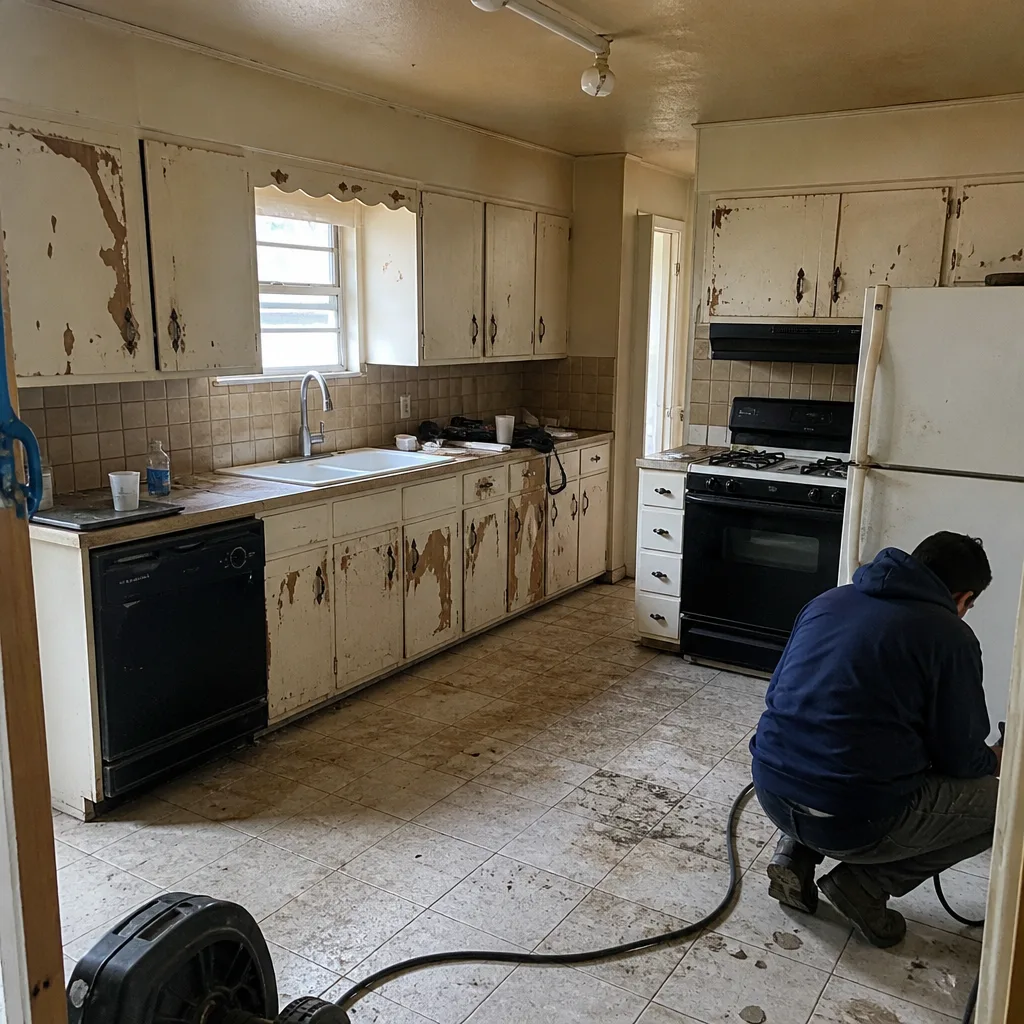 Before
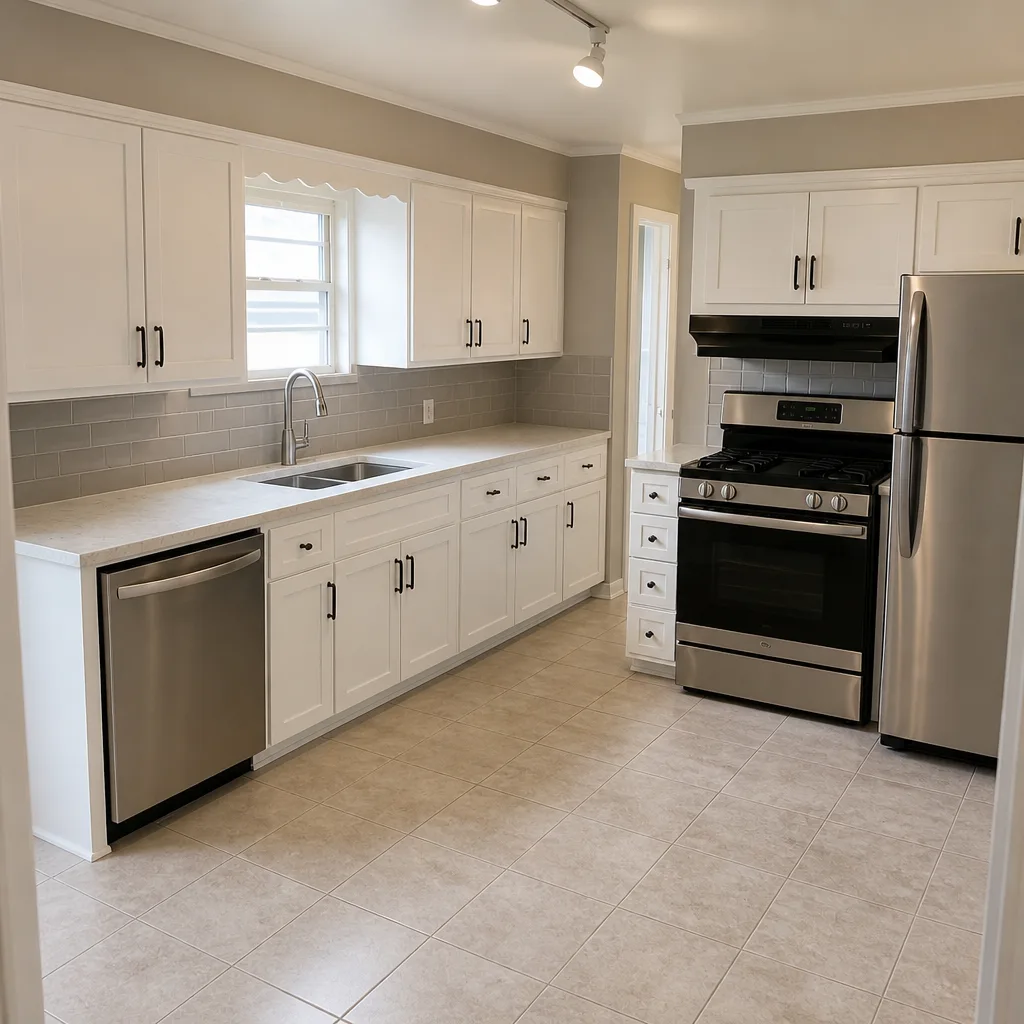 After
 Before
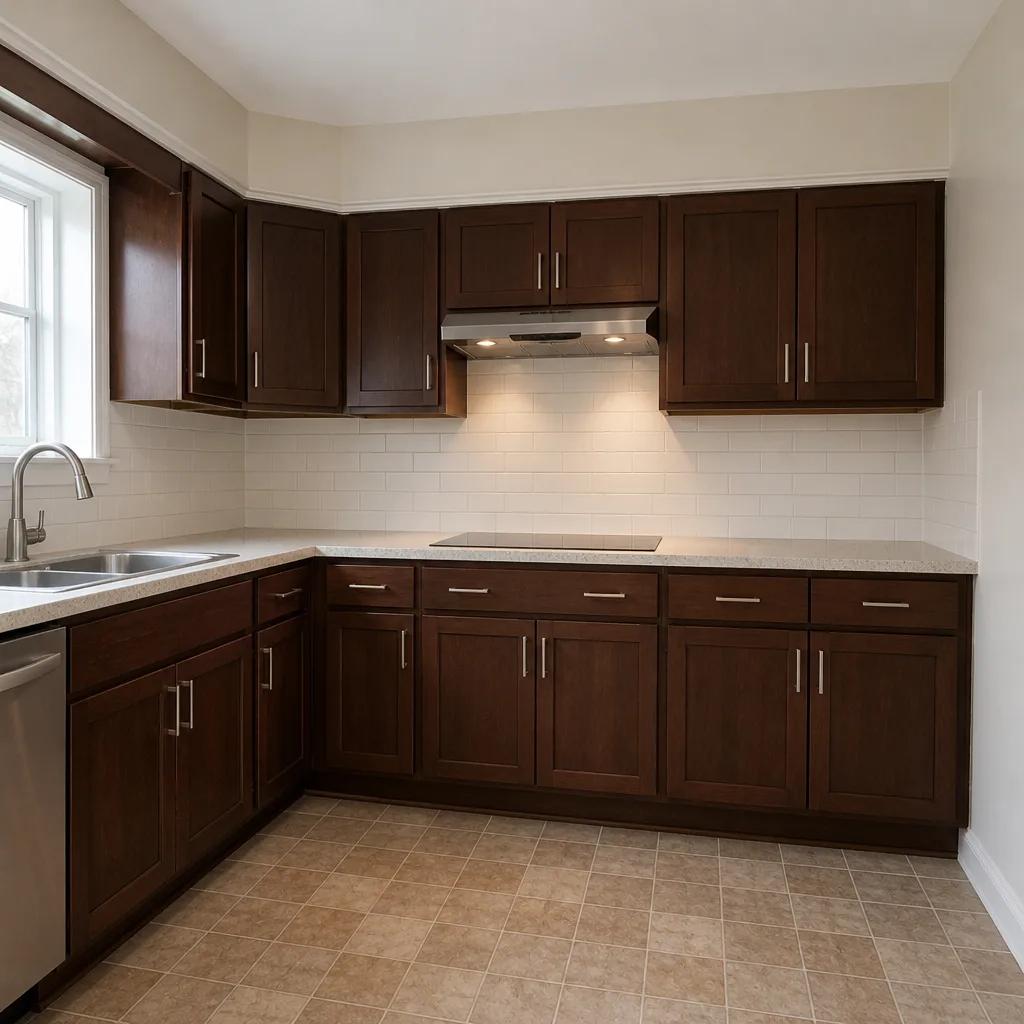 After
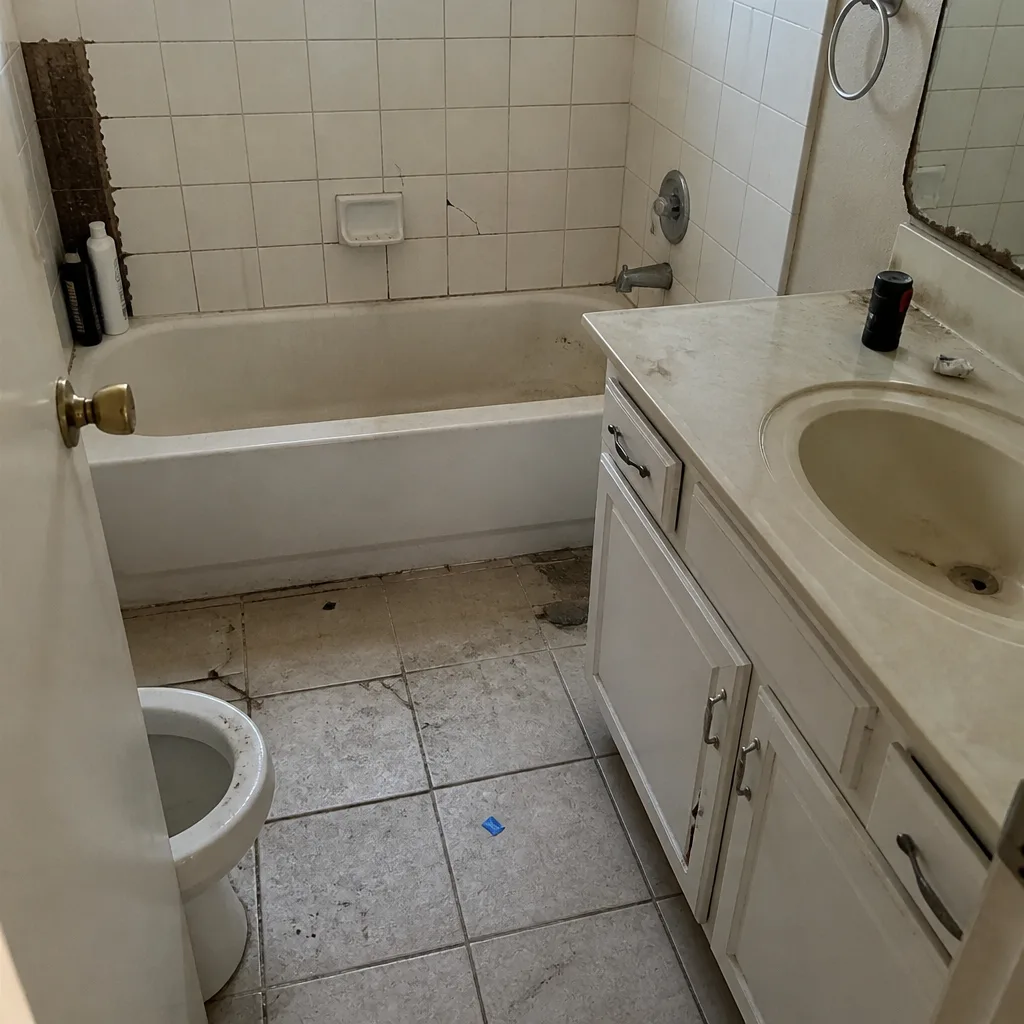 Before
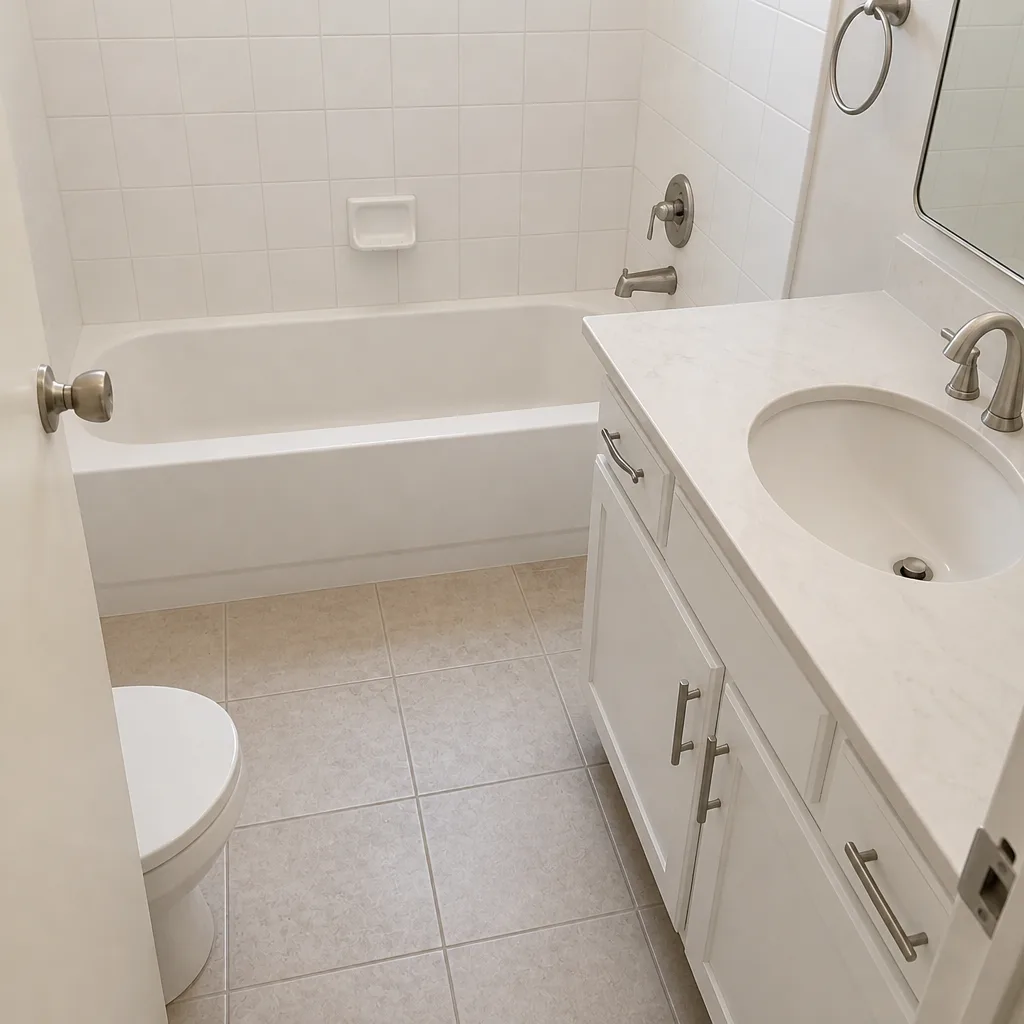 After
Frequently Asked Questions

The most common warning sign is a front-loaded draw schedule that puts more than 30% of the contract price in the contractor’s hands before substantial work is completed on site. A fair schedule ties each draw to a verifiable milestone, with the final 15-20% held until substantial completion and punch-list sign-off. If your bid has a large deposit and little behind it, ask the contractor to restructure it before you sign. Call (888) 255-7593 for an exact quote on a remodel with a written draw schedule – estimates are free.
You should verify the licensed trades yourself, even if the GC says the subs are covered. In Texas, plumbers, electricians, and HVAC contractors must be licensed, and those licenses can be checked on the TDLR and TSBPE lookups. Ask for certificates of insurance from every sub, call the carrier to confirm, and match the permit applicant to the trade license holder. A GC whose sub paperwork is clean will hand it to you without a hassle.
Substantial completion is the point where the work is complete enough that the space can be used for its intended purpose – the kitchen is functional, the plumbing runs, the electrical is live. A contract without a defined substantial completion date has no enforceable finish line. Get a calendar date in writing, plus a cure period and what happens if the contractor blows the date.
Search by the contractor’s legal name and license number, then sort by complaint type and resolution status. Minor flags are advertising or paperwork complaints. Disqualifying flags are abandonment, work without a required permit, insurance lapses during a project window, and administrative penalties in the last two years. Check the licensed subs on your project too, since the general contractor isn’t licensed at the state level. If you want to see a fully documented job contract before you sign anything, call (888) 255-7593 – estimates and paperwork reviews are free.
Document everything first, then stop paying any draw whose milestone hasn’t been met. Send the contractor a written notice through a trackable method that IDs the missed milestone and gives a cure period. Pull the permit status through the city and the sub license status through TDLR. If the contractor has abandoned the project or is asking for money ahead of milestone, that’s when a construction attorney earns their fee. Before you hire the next one, run the paperwork check in this guide, front to back.
We work with homeowners across the Grand Prairie area, including remodels that touch kitchen, bath, and whole-home scope. Every estimate we write includes a written price and a written scope before work starts, and every completed project carries the 365-Day Done Right Promise – if the work fails inside a year, we come back and correct it at no charge. Call (888) 255-7593 to schedule a free estimate. You can see how we run a job from start to finish on our Bradford Remodeling Co Grand Prairie home page.
The Bottom Line
The warning signs that matter in 2026 aren’t the ones you already know to look for on a Google review page. They’re in the paperwork: a draw schedule that front-loads your money, a contract that leaves out substantial completion, lien waivers, and change orders, a vague answer about who the subs are and whether they’re insured, and a bid process that skips the permit. Every one of those red flags is visible before you sign – which means every one of them is preventable. Get the price in writing, get the scope in writing, get the guarantee in writing, and verify the sub network before the first tool comes out of the truck. That’s the whole exercise, and it works in Grand Prairie and anywhere else.
If you’re looking for a remodeler who runs on discipline, we keep The Garrison Standard on every job: a written price before any work starts, background-checked and uniformed technicians, live-person phone coverage around the clock, and the 365-Day Done Right Promise in the contract. We install documented name-brand materials on every job – GAF roofing components, James Hardie siding, Therma-Tru doors, KraftMaid and Wellborn cabinetry, Cambria and Caesarstone surfaces, Kohler and Moen fixtures, and Belgard and Unilock hardscaping among others – so specifications are traceable and quality isn’t left to guesswork.
Ready to price a remodel and see what a fully documented contract looks like? Call (888) 255-7593 for a free estimate. We’ll walk through the draw schedule, the change order process, the sub verification, and the 365-Day Done Right Promise terms on paper – no pressure, no countdowns, and the price you see is the price that holds.
Written by the team at Bradford Remodeling Co Grand Prairie.