Last updated November 18, 2026







Free written scope consultation - allowances, timeline, and change-order rules on paper before a single trade is scheduled
DIY vs Professional Construction: The Grand Prairie Homeowner’s Decision Guide
Here’s the part most DIY guides skip: in Grand Prairie, a homeowner who frames out a load-bearing wall change without a permit doesn’t just risk the wall. They risk an encumbrance on the title that a buyer’s attorney will find during the title search, and that can cost more to resolve at closing than hiring a licensed contractor would have cost in the first place. The DIY-versus-hire question in Grand Prairie is rarely about whether you can swing a hammer. It’s about permit authority, liability transfer, and what the work costs to redo when an inspector or a buyer’s lawyer finds it. This guide draws the line at the projects where DIY saves real money and the ones where it creates exposure you can’t undo with a weekend of YouTube.
Styles & brands we work with
- Kitchen remodeling
- Bathroom remodeling
- Home additions & ADU
- Roofing
- Windows & doors
- Driveway & pavers
- Fence
Quick Answer
In Grand Prairie, DIY makes sense for cosmetic and finish work – painting, tile backsplash, interior trim, demolition – where finishes are below the permit threshold and failure is cheap to fix. It does not make sense for anything that touches electrical over 50 amps, gas lines, load-bearing structural changes, or full plumbing rough-in, because Texas law requires a licensed contractor for those and unpermitted work becomes a resale disclosure problem. The middle path – handling demo and finish yourself while a licensed contractor pulls the permit and takes liability – is usually the cheapest option that still protects your title and your insurance.
Table of Contents
- Where Grand Prairie draws the permit line
- DIY versus contractor: three projects priced out
- How unpermitted work hits your insurance and your title
- The middle path: phases you can legitimately own
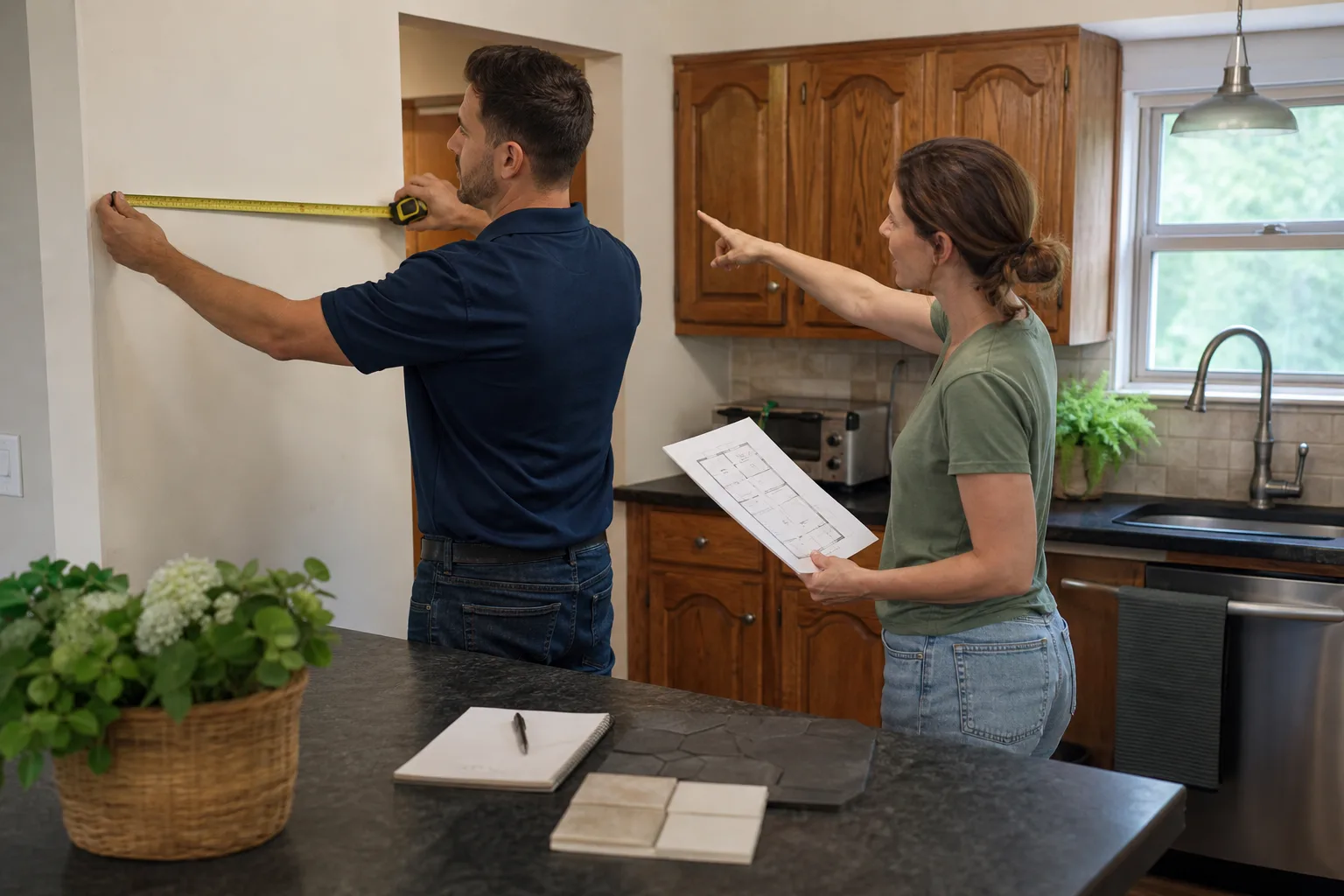
- What a written scope of work actually buys you
- The work you should never attempt, DIY or otherwise
- How to vet a Grand Prairie contractor in one afternoon
- When to call a professional
Where Grand Prairie Draws the Permit Line
The City of Grand Prairie’s building code separates work into categories like for like. Swapping a faucet is one thing. Replacing a section of gas line behind a range is another entirely. Texas law requires licensed tradespeople for the work that carries genuine risk, not because the city is trying to keep homeowners out of their own homes but because an inspector can’t sign off on work that wasn’t performed by someone accountable to a licensing body.
The categories that require a licensed contractor in Grand Prairie by statute, not preference:
- Electrical work over 50 amps, including any new service panel work, subpanel installations, or circuit additions above that threshold. A licensed electrician has to pull the electrical permit and sign the inspection.
- Gas line work of any kind – new runs, extensions, repiping – requires a licensed plumber or gas fitter. This includes moving a range or adding a tankless water heater.
- Structural modifications that affect load-bearing walls, floor systems, or roof framing require engineered drawings and a licensed general contractor. Removing a wall in a Grand Prairie home without verified engineering is one of the fastest ways to hit an inspection failure.
- Full plumbing rough-in or relocation, including draining changes for a bathroom addition, requires a licensed plumber and a permit.
What you can typically do yourself: cosmetic finishes, painting, tile work that covers existing surfaces, interior trim carpentry, drywall patching, and demolition that doesn’t disturb structural or utility rough-ins. When the scope gets blurry, call the city’s permit office and ask. They’ll tell you plainly. For anything beyond cosmetic, running the project through a licensed General Contractor in Grand Prairie takes the permit process off your plate entirely – the contractor pulls, manages, and closes the permits.
DIY versus Contractor: Three Projects Priced Out
Here’s what the math looks like in the current Grand Prairie market for three common projects. The DIY numbers include materials, tools you probably don’t own yet, and an honest estimate of your own time at a conservative $40 an hour. The contractor numbers reflect a fixed written bid.
| Project | DIY (materials + tools + time) | Contractor Fixed Bid |
|---|---|---|
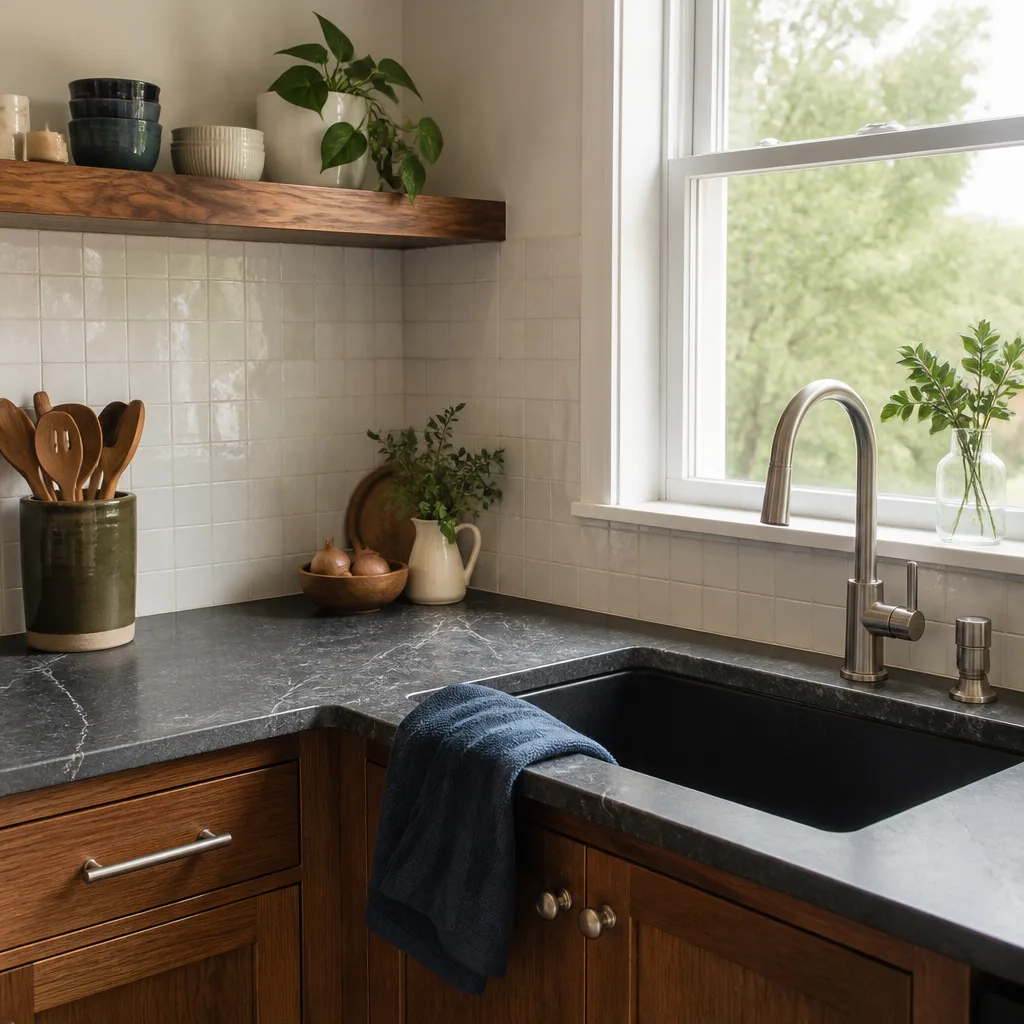
| Tile backsplash, 30 sq ft kitchen | $450 – $700 (tile, thinset, grout, tile saw rental or purchase, weekend of labor) | $900 – $1,600 |
| Deck build, 12×16 pressure-treated | $3,800 – $5,200 (lumber, hardware, decking, permit fee, weekend × 3 – 4, plus your time) | $9,500 – $14,000 including permit and inspection |
| Hall bathroom remodel, tub-to-shower conversion | Not advisable as DIY – permit and plumbing rough-in require licensed trades | $11,000 – $18,000 including permit, plumbing, tile, and finish |
The backsplash is a real win for a careful DIYer. It’s below the permit threshold, failure is cheap to fix, and a homeowner with patience and a wet saw can match contractor quality on a flat wall. The deck is where the math flips. Add up your weekends, the tools you buy once, the inspection risk on the ledger attachment, and the fact that a reject at final inspection means tearing back into finished work – the contractor bid looks expensive until you price the second pass. The bathroom is not a DIY project in Grand Prairie unless you’re a licensed plumber and tile setter with a permit pulled under your name.
For context on what a fixed bid covers in the kitchen, our Kitchen Remodeling in Grand Prairie page lays out the line items – cabinetry, surfaces, fixtures – so you can compare a written number against your own material list. The honest comparison isn’t DIY cost versus contractor cost. It’s DIY cost, plus your time, plus the redo, versus contractor cost with a written warranty.
How Unpermitted Work Hits Your Insurance and Your Title
This is the part that surfaces years later, usually at the worst possible moment. A Grand Prairie homeowner who finished out a garage conversion or moved a load-bearing wall without a permit is walking around with a house that an insurance adjuster might not fully cover and a title a buyer’s attorney will flag.
Three specific exposures:
- Insurance coverage gaps. Most homeowner policies exclude damage caused by unpermitted modifications. If a fire originates in an unpermitted subpanel, the adjuster will investigate the permit history. A claim that should be covered can become a denial.
- Resale disclosure obligations. Texas Property Code requires the seller to disclose known defects and unpermitted work in the seller’s disclosure notice. A homeowner who “doesn’t remember” the permit status of a bonus room conversion is still on the hook if the buyer discovers it after closing – the buyer’s remedy is a lawsuit, and the seller’s defense is weak.
- Title encumbrance. When a buyer’s title search finds unpermitted structural work, a city can place a notice on the property until the work is brought into compliance. That notice halts the closing. The buyer can’t get a clean title policy, the lender won’t fund, and the seller pays either to retroactively permit and correct the work or to discount the price by the amount it costs to redo. In many cases that resolution costs more than the original contractor’s bid – plus the years in between.
We’ve seen this play out in Grand Prairie more than once. The homeowner saved $6,000 on a load-bearing wall removal in 2019. Six years later, the closing was held up for 45 days while an engineer re-verified the framing, the city inspected, and the seller paid for remediation. The original save was erased several times over. A written scope of work from a licensed contractor – the kind of document that records the permit, the inspection, and the sign-off – is what protects a title, not the price you got in the beginning.
The Middle Path: Phases You Can Legitimately Own
You don’t have to choose between full DIY and full-service contractor. In Grand Prairie, the most economical approach that doesn’t trigger permit or liability issues is to split the work by phase: you handle the labor that has no permit threshold, the licensed contractor pulls the permit and owns the work that does.
Phases you can take on yourself:
- Demolition. Tearing out old cabinets, tile, and drywall is grunt work that legitimately saves money. Confirm the wall you’re opening isn’t structural before you swing a sledgehammer. This one step alone can cut a contractor’s bid by $1,500 – $3,000 on a kitchen remodel.
- Painting. Walls, ceilings, trim, doors. Paint has no permit requirement and takes patience more than skill. A careful homeowner can match a pro finish on flat walls.
- Interior finish work that covers existing surfaces: trim carpentry, baseboards, door casings, shelving, tile that lays over existing substrate without subfloor modification.
- Landscape and site prep outside the building envelope, subject to any HOA or city restrictions.
Phases that a licensed contractor needs to own:
- Any permit-pulling work – structural, electrical over 50 amps, gas, plumbing rough-in.
- Framing and substrate prep under tile that requires a moisture barrier or backer board.
- Final inspection sign-off on any permitted scope.
When you split the work this way, spell out in the contract which phase belongs to whom. A written scope that clearly delineates homeowner labor from contractor labor prevents the finger-pointing that happens when a tile failure is blamed on the substrate prep the contractor was supposed to do. A related read: our take on Bathroom Remodeling in Grand Prairie covers substrate and rough-in sequencing, which is where mixed-DIY projects fail.
What a Written Scope of Work Actually Buys You
A written scope is the contract that makes a remodel enforceable. It’s also the one thing a DIY project cannot replicate, and not because you can’t write one. You can. What you can’t replicate is the legal teeth behind it: a lien waiver and a warranty.
A written scope of work from a licensed contractor in Grand Prairie should include:
- Itemized line items with dollar amounts. Materials, labor, permits, and contingency, separated. If the number moves at the door, the scope wasn’t written tight enough.
- Permit responsibility. Who pulls, who pays the fee, who schedules the inspection, who closes it out.
- Warranty terms in writing. The 365-Day Done Right Promise at Bradford Remodeling Co Grand Prairie puts this on paper before work starts: if the work fails inside 12 months, the crew returns and corrects it at no charge. That’s a writing commitment. There’s no equivalent in a DIY project – you’re the warranty, and you can’t sue yourself.
- Lien waiver. Documented release of mechanic’s lien rights when the contractor is paid. This protects your title from a subcontractor’s claim if the general contractor ignores a bill. On a DIY project, you’re the general contractor and there’s nobody to waive a lien against you because the subs are your responsibility.
- Insurance and licensure documentation. The contractor’s general liability coverage and license information acknowledged in the written scope. The local professional we connect you with is licensed and insured as their state requires, and that documentation is what makes the scope legally actionable.
That list is what “squared away” looks like at job close: clean site, documented scope, signed written guarantee in the homeowner’s hand. If you’re weighing the DIY decision on anything above cosmetic, that document is the piece of paper worth paying for. For the larger remodeling work that requires this protection, Bradford Remodeling offers a free estimate and puts the number in writing before any tool comes out.
The Work You Should Never Attempt, DIY or Otherwise
A note we won’t soften: some work is genuinely dangerous, not just a good idea to permit. High-voltage electrical work, gas line connections, and structural modifications are the three areas where a DIY mistake can kill someone or burn a house down, and no amount of saved money is worth it. Electrical panels and service upgrades carry live current. Gas lines carry explosion risk. Load-bearing fram
See the difference
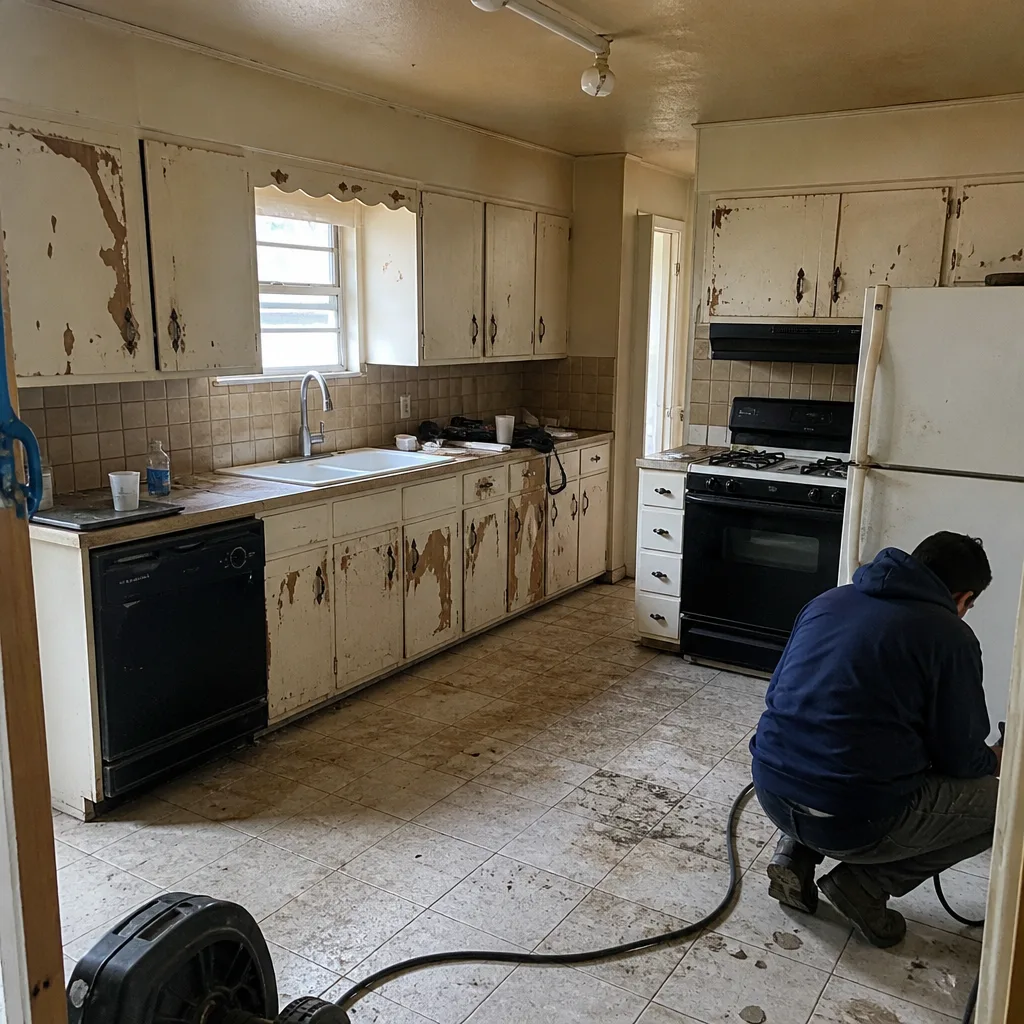 Before
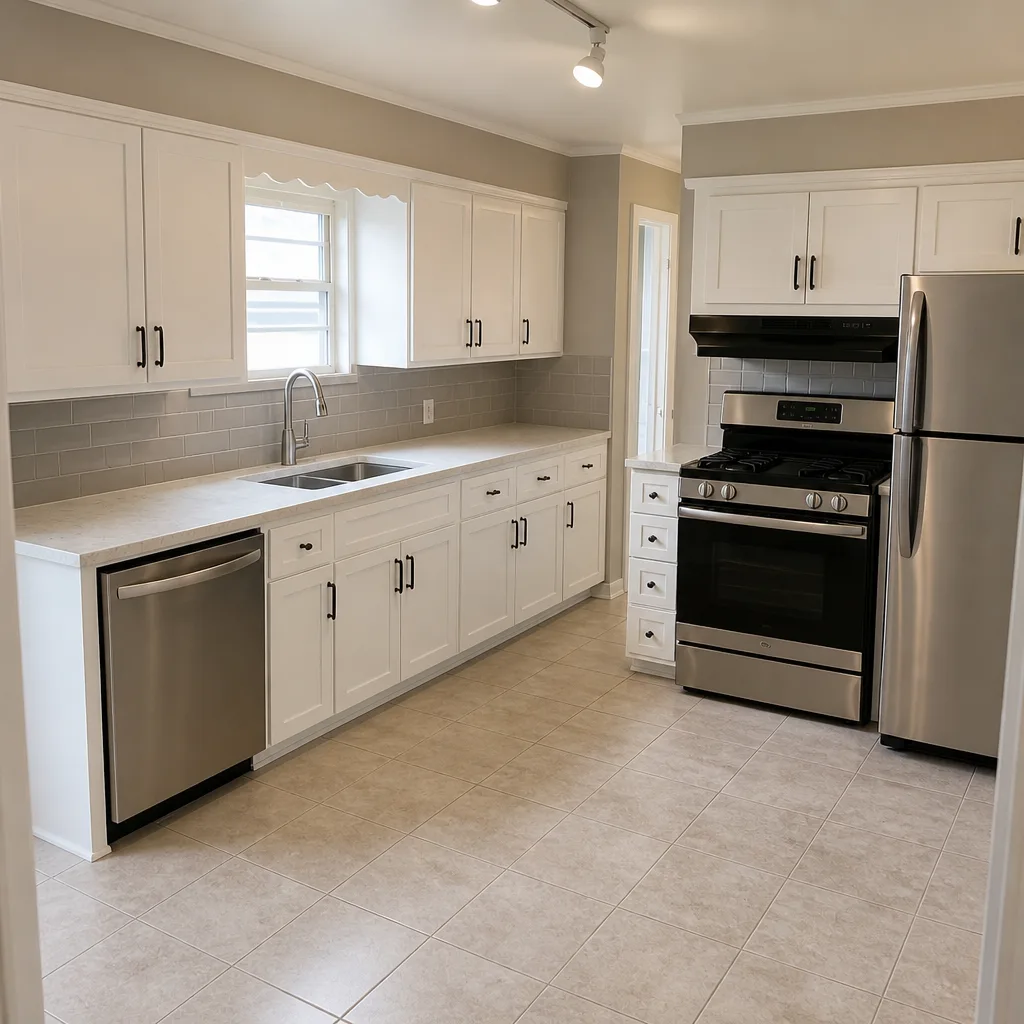 After
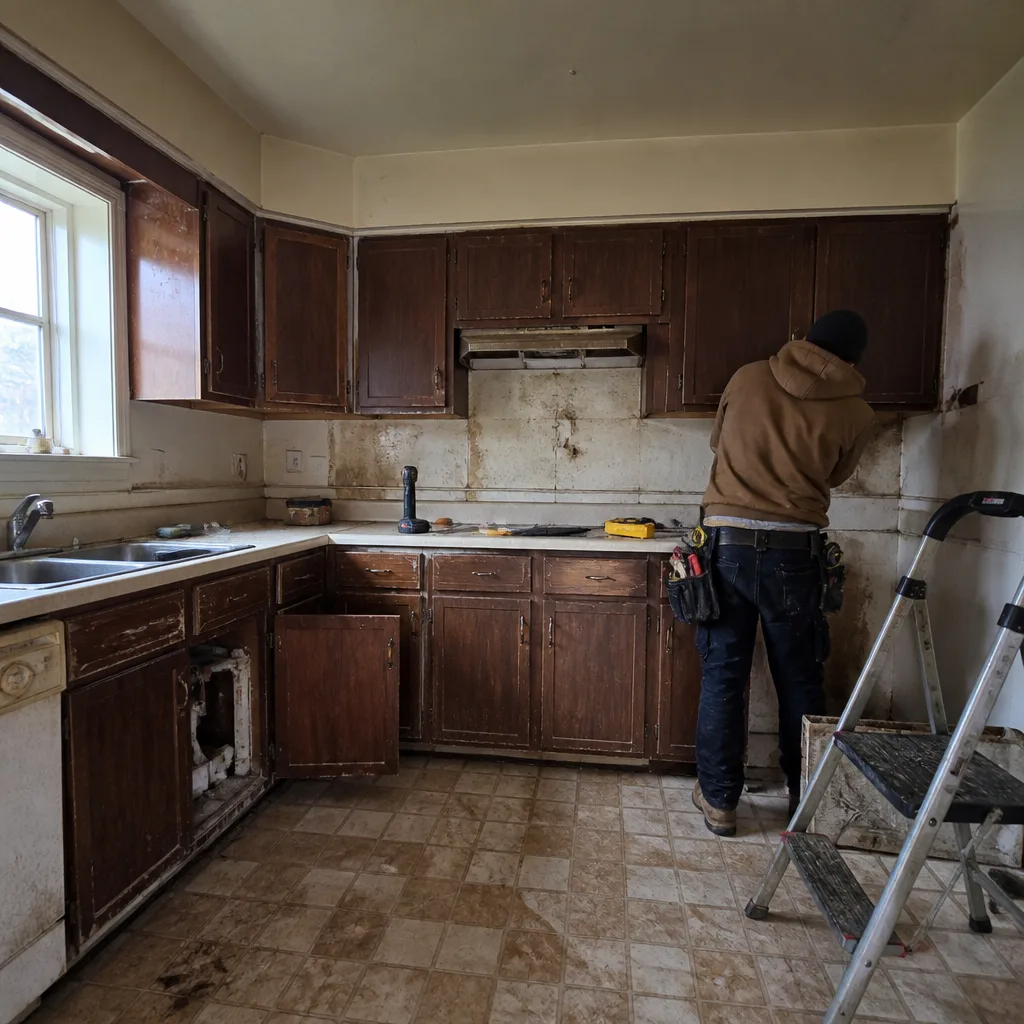 Before
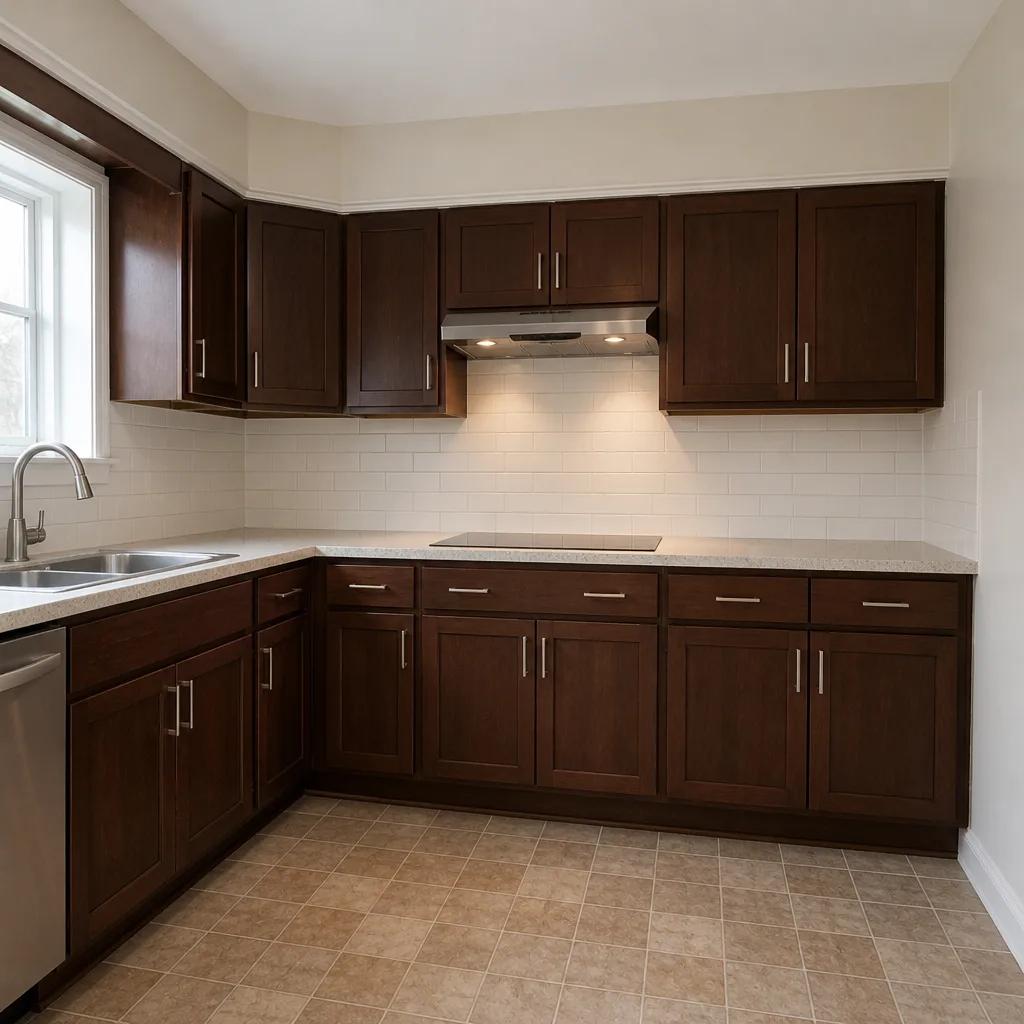 After
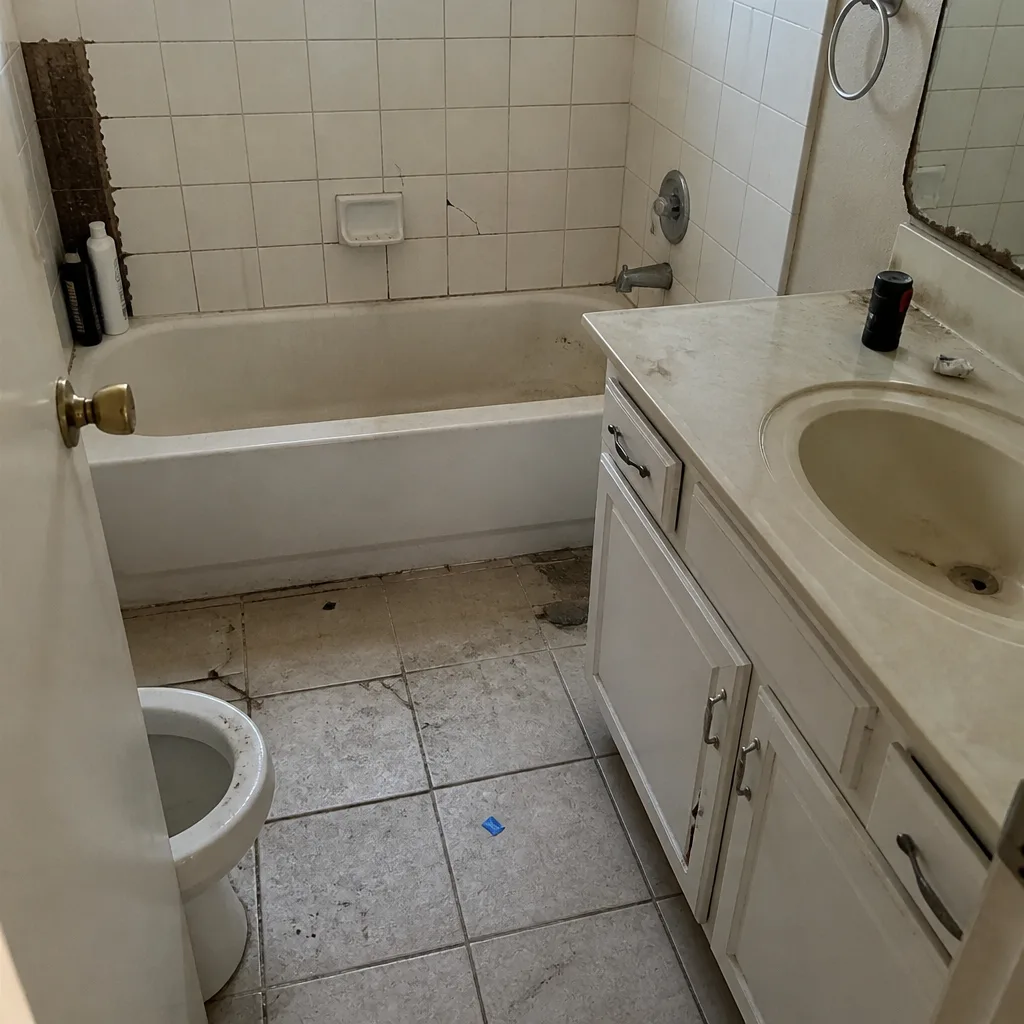 Before
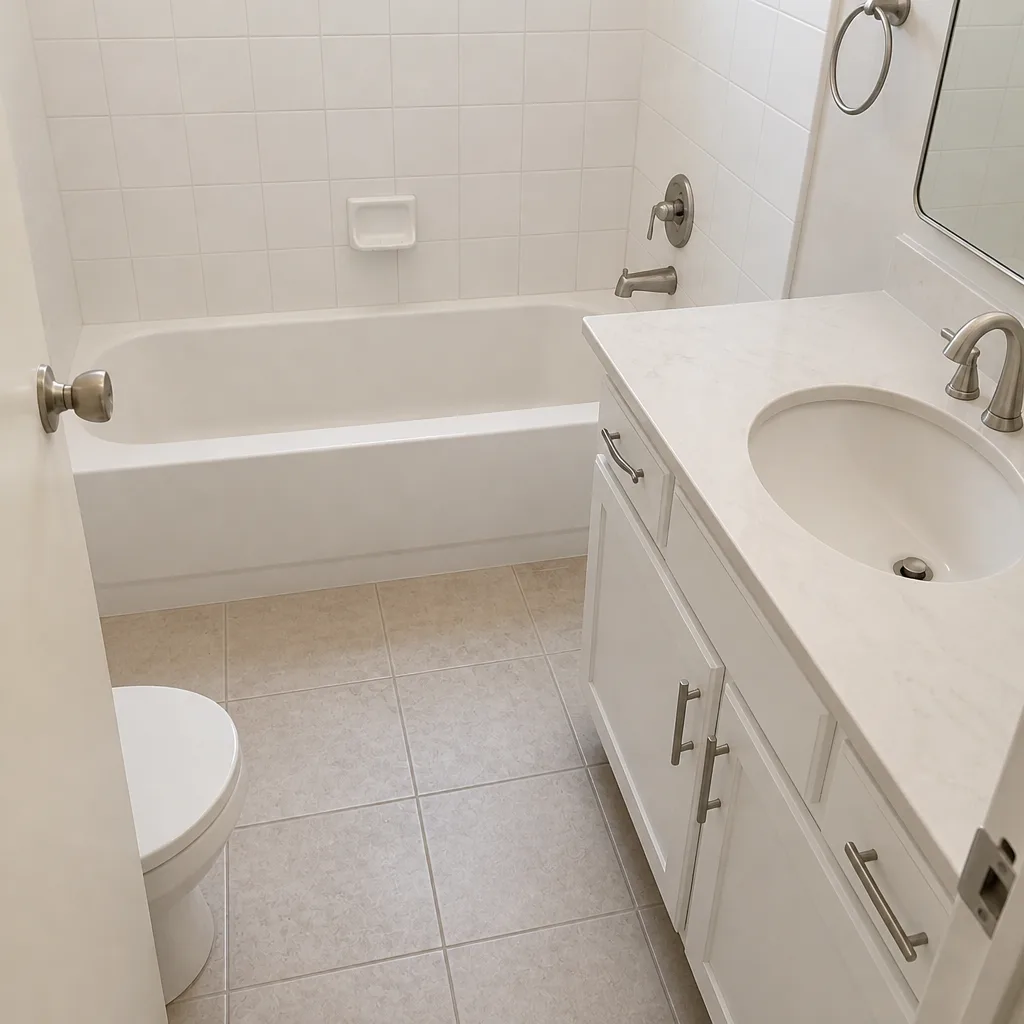 After