Last updated November 18, 2026








Free written scope consultation - allowances, timeline, and change-order rules on paper before a single trade is scheduled
Construction Warning Signs: A Grand Prairie Homeowner’s Reference Guide
The contractor who showed up on time, answered every call, and still left a Grand Prairie homeowner with $22,000 in unfinished work didn’t fail on personality. He failed on paper: no written scope, no payment schedule, no lien waivers. Most “red flag contractor” advice stops at behavior. It tells you to watch for ghosting, cash-only demands, and thin reviews. Useful, but it misses the warning signs that actually drain bank accounts. Those live in the documents and in the work itself, and they’re readable long before a project goes sideways. This guide teaches you to read both the contractor and the contract as technical documents, the way a project manager would, so you can catch trouble while it’s still a line item instead of a lawsuit.
Quick Answer
The most costly construction warning signs are contractual and structural, not personal. Look for vague or missing written scope, “time and materials” billing with no cap, absent change-order language, no lien waiver clauses, and work sequenced to hide earlier defects. A Grand Prairie homeowner who reads the contract as carefully as the crew reads the plans catches these problems before money changes hands.
Styles & brands we work with
- Kitchen remodeling
- Bathroom remodeling
- Home additions & ADU
- Roofing
- Windows & doors
- Driveway & pavers
- Fence
Table of Contents
- Read the Contract Like a Technical Document
- Time and Materials vs. Fixed Price: What the Billing Language Reveals
- Change-Order Language: The Clause That Decides Who Pays
- Lien Waivers: The Page Most Homeowners Never Read
- On-Site Warning Signs During Active Work
- How to Spot Bid Manipulation Against Grand Prairie Material Costs
- The Mid-Project Questions That Separate Pros From Pretenders
- What a Written Guarantee Must Say to Be Enforceable
- Common Mistakes to Avoid
- When to Call a Professional
- Frequently Asked Questions
Read the Contract Like a Technical Document
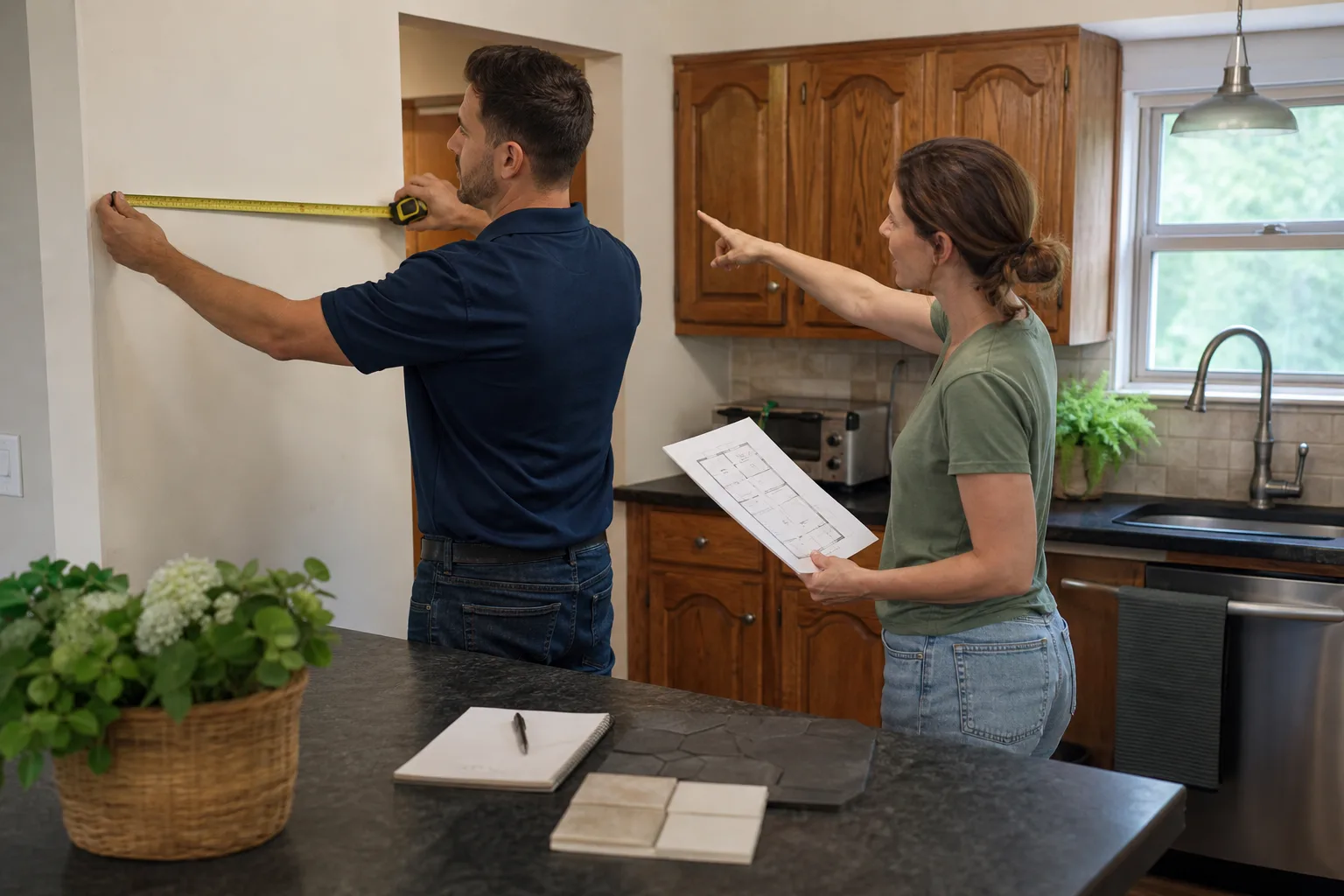
A remodeling contract is a construction document, not a formality. It defines scope, price, sequence, and remedy. When any of those four is missing or loose, the contractor gets to fill the gap later, usually in their favor. In Grand Prairie, where the housing stock spans mid-century ranch homes near downtown and newer builds out toward Lake Ridge, the scope language has to match the specific house. A generic “remodel kitchen” line covers almost nothing.
Here’s what a contract you can actually hold someone to contains:
- A line-item scope. Not “install flooring” but “remove existing tile, install 3/4-inch plywood substrate, install specified tile over cement backer board.” The substrate is the surface the finished material sits on, and naming it prevents the cheapest possible substitution.
- Named materials with model numbers. “Moen faucet” is a range. “Moen Arbor model 7594” is a commitment.
- A payment schedule tied to milestones, not dates. Money should follow completed, inspectable work.
- A written change-order process. More on this below.
- A stated guarantee term. Duration, what it covers, and how you file a claim.
- Permit responsibility. Who pulls it, who pays for it, who meets the inspector.
If you’re weighing contractors and the documents look thin, it’s worth understanding how a general contractor in Grand Prairie structures scope before you compare bids. Two bids on the same house are only comparable if the underlying documents describe the same work.
Time and Materials vs. Fixed Price: What the Billing Language Reveals
“Time and materials” (T&M) means you pay for hours worked plus the cost of materials, usually with a markup. It’s a legitimate model on projects where scope genuinely can’t be known up front, like opening a wall to find water damage. The warning sign isn’t T&M itself. It’s T&M with no cap, no hourly rate stated, and no materials markup disclosed.
Watch for these specific phrases in a contract:
- “Plus materials and labor at prevailing rates” with no rate listed. Prevailing rate to whom?
- “Additional work billed as needed” with no authorization step. That’s an open tab.
- No markup percentage stated. A 15% materials markup and a 40% markup read identically on the invoice.
Fixed-price, also called lump-sum, means the contractor commits to a number for a defined scope. The number can still move, but only through the change-order process described below, which requires your signature. For most Grand Prairie remodels, kitchen and bath included, a written fixed price with a named change-order mechanism is the structure that protects you. That’s the thinking behind The Garrison Standard we operate under: a written price before any work starts, every time, with nothing that shifts at the door.
Change-Order Language: The Clause That Decides Who Pays
A change order is a written amendment that authorizes a scope or price change mid-project. The clause that governs it is the single most consequential paragraph in a remodeling contract, because most overruns don’t happen at the bid. They happen in the changes.
A defensible change-order clause specifies:
- Nothing proceeds without a signed change order. No verbal approvals, no “we’ll sort it out later.”
- The change is priced before work starts. You see the number first.
- Schedule impact is stated. If the change adds four days, the document says so.
- A dispute path exists. Who arbitrates if you and the contractor disagree.
When a contract has no change-order language, the contractor effectively has unilateral authority to bill additions. You’ll hear phrases like “while we were in there” and “that wasn’t in the original.” Sometimes that’s true and legitimate. The test is whether it was priced and authorized before the work, or invoiced after. Bradford Remodeling puts the change order in writing before any tool comes out, and that’s a standard, not a courtesy.
Lien Waivers: The Page Most Homeowners Never Read
A mechanics lien is a legal claim against your property filed by someone who wasn’t paid for work on it. In Texas, a subcontractor or material supplier who went unpaid can file a lien against your home even if you already paid the general contractor in full. The lien waiver is the document that closes that door, and it’s the page almost nobody reads.
The waiver comes in two flavors you need to know:
- Conditional waiver. Takes effect once payment actually clears.
- Unconditional waiver. Takes effect on signing, so only sign it after the check has cleared.
Ask for a waiver from every subcontractor and supplier on the job, not just the general. On larger projects, collect them at each payment milestone. If a contractor resists providing lien waivers or says they’re “not necessary on a job this size,” treat that as a warning sign. This is exactly the failure mode behind that $22,000 story: the paperwork at close matters as much as the paperwork at signing. Squared away at close means a clean site, a documented scope, and a signed written guarantee in your hand.
On-Site Warning Signs During Active Work
Behavior during the project tells you as much as the contract did before it. These are the structural tells, not the personality ones.
- Product substitution without a change order. You specified Caesarstone and a lower-grade surface showed up. Any substitution, even an upgrade, should be authorized in writing first.
- Uninspected rough-in covered up. Rough-in is the plumbing, electrical, and framing tucked behind walls before finishes go on. If drywall closes over it before the city inspector signs off, the defect is sealed inside the wall.
- Work sequenced to hide earlier mistakes. Watch for crews installing finish material over a rough surface, or hanging cabinets before the substrate is level. It’s faster and it fails sooner.
- No documented material brands. Vague answers about which brand of cabinetry or fixture is going in signals specs you can’t trace later.
- A site that stays dirty. Debris management is a leading indicator of whether the contractor runs a disciplined operation.
We’ve seen Grand Prairie kitchens go sideways because a well-rated crew skipped the rough-in inspection to keep the schedule. The homeowner had no way to know until the first plumbing leak. Documented brand rosters, like KraftMaid and Wellborn cabinetry or Kohler and Moen fixtures, matter here: manufacturer specs and warranties are traceable, so quality isn’t left to guesswork.
How to Spot Bid Manipulation Against Grand Prairie Material Costs
Bid manipulation is a low opening number padded with predictable change orders. It works because most homeowners can’t tell an aggressive bid from a low one. You can, by cross-referencing the bid against published material costs.
Here’s the process:
- Break the bid into line items yourself. Ask for a line-item bid if you don’t have one, and treat a single lump sum as a yellow flag on any project over the size of a bathroom.
- Look up published retail costs for the named brands. If the bid names Silestone or Caesarstone surfaces, price them at retail. If the bid number for that line is below published cost, the change order is coming.
- Compare the labor line to market labor rates. A labor line that’s a third of what a competent crew would charge on a Texas project of that scope is a placeholder, not a price.
- Ask what’s excluded. A legitimate bid states exclusions: permits, demo, disposal, inspections. A manipulated bid often leaves them silent so it can add them later.
- Watch for unusually short timelines. A timeline that beats every other bid by two weeks is often the bid that wins the job and then reprices on day one.
If the bid is materially below the others and the contractor can’t explain why line by line, the number is a bid-management tool, not a construction budget.
The Mid-Project Questions That Separate Pros From Pretenders
A qualified contractor answers these without hesitation. A manipulator deflects, gets irritated, or gives you a variation of “don’t worry about that.” The questions themselves are diagnostic.
- “Can I see the signed change order for the work you just started?” A pro has it ready. A manipulator says the change order is “on the way.”
- “Which inspector signed off on the rough-in, and can I see the sticker or the report?” A pro hands it over. A manipulator changes the subject.
- “Is this material the specified brand and model?” A pro points at the box. A manipulator points at “it’s a better one.”
- “Where are we on the payment schedule, and what milestone does the next payment attach to?” A pro gives you a page reference. A manipulator wants the money now.
- “What’s the process if this fails inside the guarantee window?” A pro describes the claim path. A manipulator gives you “we stand behind our work.”
The pattern is simple. A disciplined contractor documents, and documentation is easy to show. Deflection usually means the document doesn’t exist.
What a Written Guarantee Must Say to Be Enforceable
“We stand behind our work” is not a guarantee. It’s a slogan. An enforceable written guarantee specifies four things:
- What’s covered. Materials, labor, or both. Named scope, not a general promise.
- How long it lasts. A stated duration. Ours is one year: the 365-Day Done Right Promise on every completed project.
- The claim process. How you file, who responds, and how fast.
- The remedy. Repair, replacement, or refund. And at whose cost.
At Bradford Remodeling, if the work fails inside that window, we come back and correct it at no charge. That’s the standard, and it’s in writing on every project, not offered as a verbal courtesy. A contractor who can’t produce a written guarantee with those four elements has no mechanism to make you whole, only their word.
Common Mistakes to Avoid
- Treating a verbal promise as a clause. If it isn’t in the document you signed, it doesn’t bind anyone. Get it in writing or assume it doesn’t exist.
- Accepting a single lump-sum bid on a multi-room project. Without line items, you can’t verify the price against published material costs or compare bids fairly.
- Skipping the lien waiver question. A Texas homeowner who paid in full can still face a subcontractor’s lien. Ask for waivers at every payment.
- Approving changes “to keep things moving.” Verbal change approvals are the fastest route to a surprise invoice. Wait for the paper.
- Letting drywall close over uninspected rough-in. Confirm the inspection passed before walls go up, especially on Grand Prairie kitchens and baths where plumbing is being relocated.
- Reading reviews instead of the contract. Reviews reflect past behavior. The contract reflects this project. Read the document.
- Assuming a named brand means a specified product. “Kohler faucet” is a range. Get the model number in writing.
When to Call a Professional
Call a professional when you’re facing any of these: a contractor who won’t provide line-item scope or a written change-order clause; a project where work has started without a signed change order or an inspection sticker on the rough-in; any sign of product substitution you didn’t authorize; or a home where you suspect a prior remodel covered structural or plumbing defects. If you’re ready to start fresh with a contractor who puts every price and every guarantee in writing before a tool comes out, Bradford Remodeling Co Grand Prairie offers free estimates in Grand Prairie. Call (888) 255-7593. Our technicians have up to 22 years of experience, and we work with a documented roster of brand-name materials so the specs are traceable. A live person answers, 24 hours a day, seven days a week. The Bradford Remodeling Co Grand Prairie home page lays out how we run a project, and the bathroom remodeling in Grand Prairie page shows the same structure applied to a full remodel.
Frequently Asked Questions
The biggest red flags are contractual, not behavioral: no line-item written scope, “time and materials” billing with no rate or cap, no change-order clause, and no lien waiver commitment. A contractor who can’t produce those documents before work starts is a risk regardless of how personable they are. If you’re comparing bids, ask each one for those four items in writing, then compare. For a free line-item estimate, call Bradford Remodeling Co Grand Prairie at (888) 255-7593.
A bid is too low when the line items don’t add up to published material costs plus realistic labor. Price the named brands at retail, check the labor line against market rates, and ask what’s excluded. A bid that undercuts every other bid by a wide margin and can’t explain the gap line by line is usually padded with change orders. Call (888) 255-7593 for a written line-item estimate you can compare against.
A written guarantee must state what’s covered (materials, labor, or both), how long it lasts, the claim process, and the remedy. Our 365-Day Done Right Promise covers every completed project for one year: if the work fails inside that window, we come back and correct it at no charge. “We stand behind our work” with no duration or claim path is not a guarantee. Call (888) 255-7593 with any questions about coverage.
Yes, you should collect a lien waiver from every subcontractor and material supplier on a Texas project. An unpaid sub can file a lien against your home even after you’ve paid the general contractor. Sign unconditional waivers only after payment clears. If a contractor refuses to provide waivers, that’s a warning sign worth acting on. Call Bradford Remodeling Co Grand Prairie at (888) 255-7593 to talk through how we handle them.
Rough-in means the plumbing, electrical, and framing installed behind the walls before finishes go on. The city inspector must sign off on the rough-in before drywall closes over it, because once the wall is up, a defect is sealed inside. A crew that skips the inspection to protect a schedule is a structural red flag. If you suspect uncovered or uninspected work, call (888) 255-7593 for a free estimate on making it right.
Yes. We assess what’s built, what’s documented, and what the guarantee should have covered, then put a written scope and price in front of you before any work restarts. That means line-item scope, a payment schedule tied to milestones, and the 365-Day Done Right Promise written into the agreement. Call Bradford Remodeling Co Grand Prairie at (888) 255-7593 to schedule a free estimate.
The Bottom Line

Read the contractor and the contract the same way: as technical documents. The warning signs that cost real money are rarely about personality. They’re missing scopes, loose billing language, absent change-order clauses, and lien waivers nobody asked for. Cross-reference the bid against material costs, confirm the rough-in was inspected before the walls closed, and demand a written guarantee that names what’s covered, how long, and how a claim works. Those checks take an afternoon. They’re the difference between a finished Grand Prairie remodel and a $22,000 lesson. When you’re ready, we put every price and every guarantee in writing first.
For detailed cost breakdowns and to plan your kitchen, see our kitchen remodeling in Grand Prairie guide.
Ready to start with a contractor who puts it all in writing? Call Bradford Remodeling Co Grand Prairie at (888) 255-7593 for a free estimate. A live person answers, 24 hours a day, seven days a week.
Written by the team at Bradford Remodeling Co Grand Prairie.
See the difference
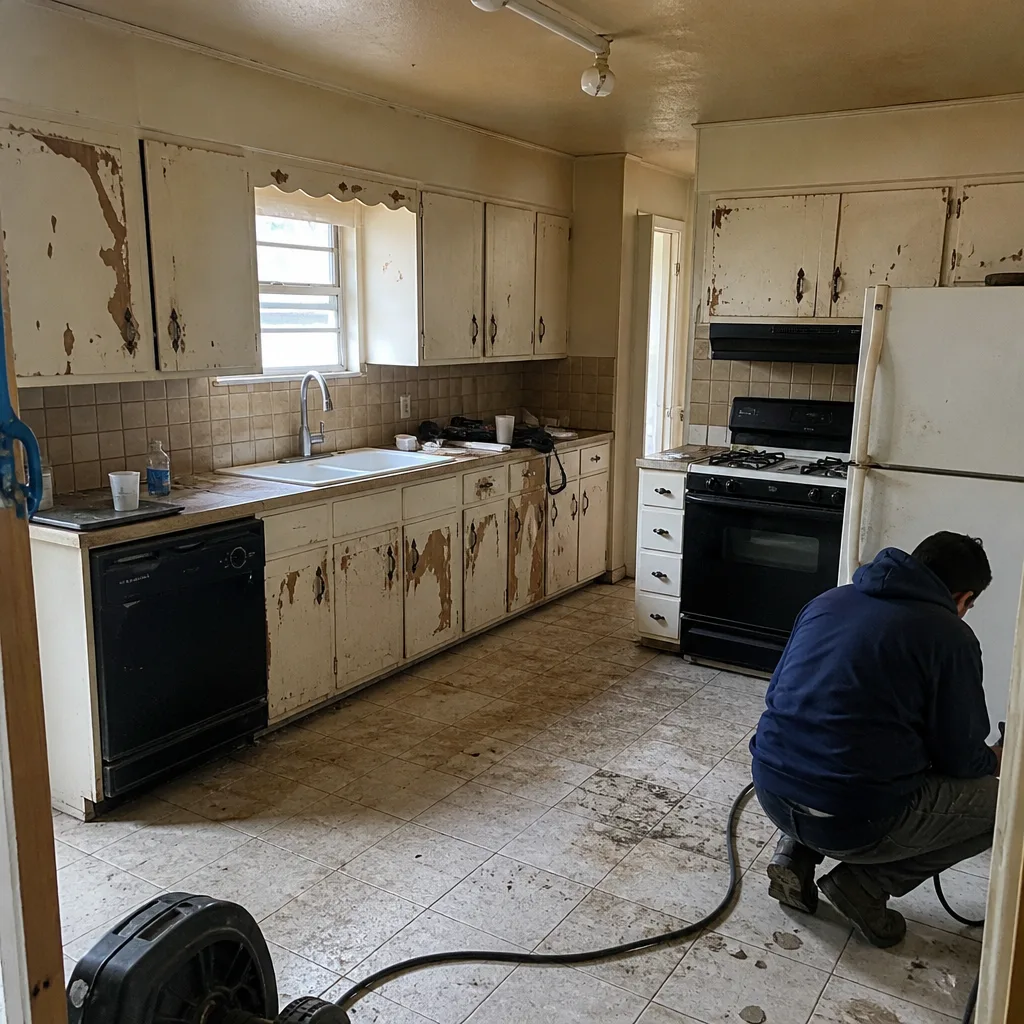 Before
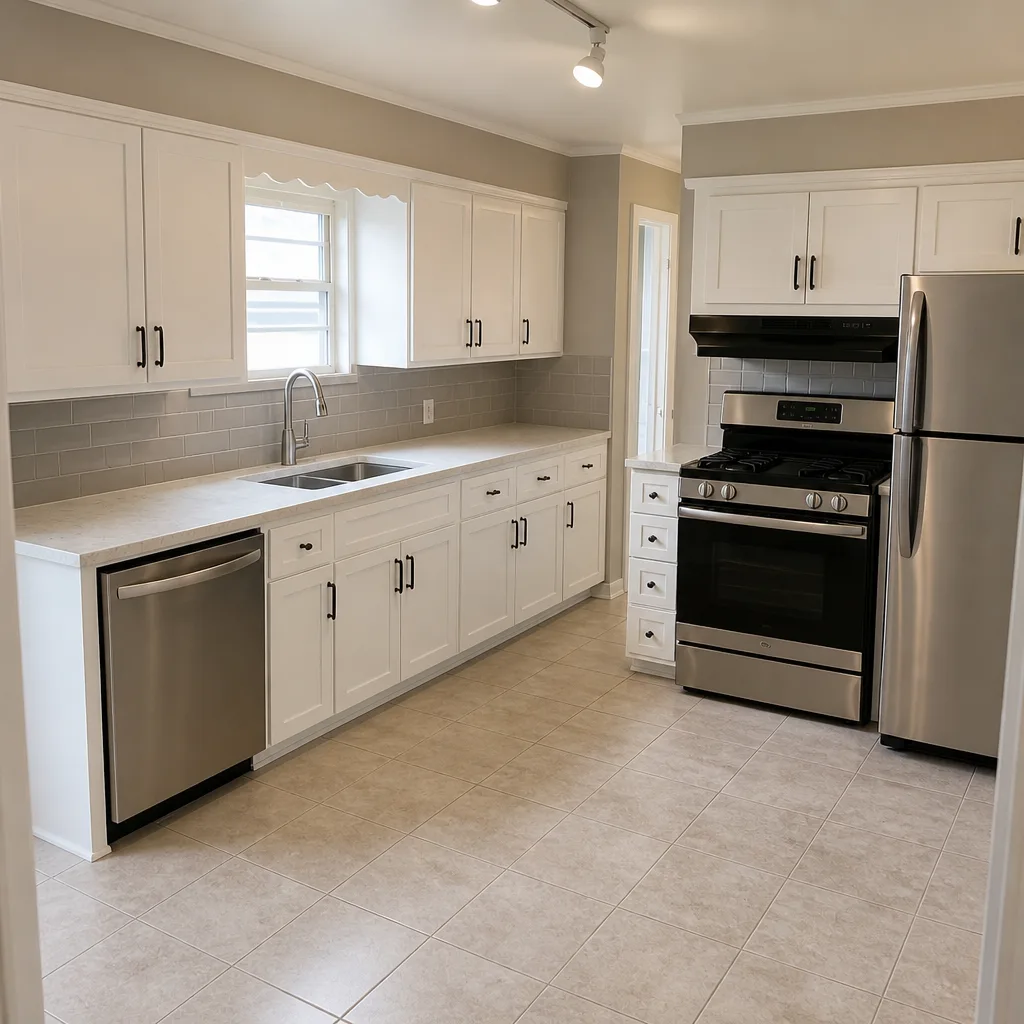 After
 Before
 After
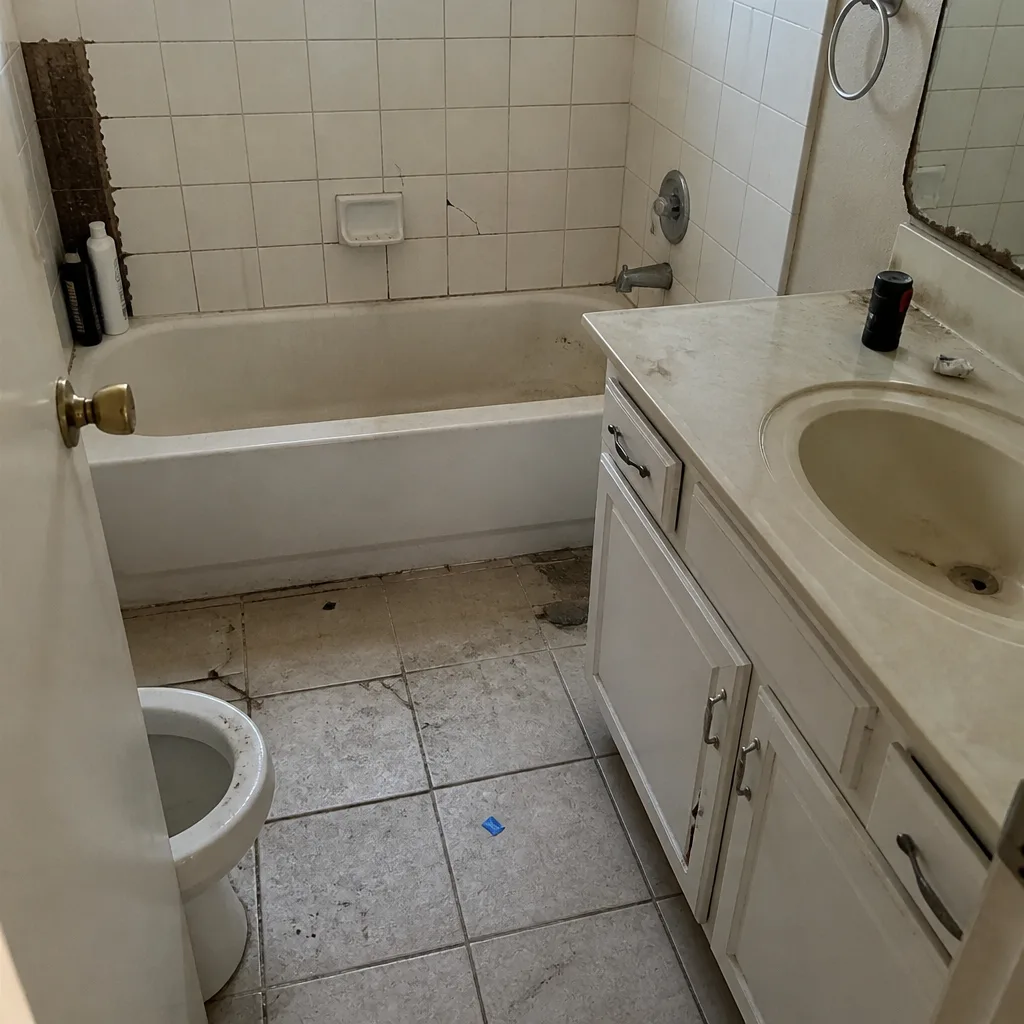 Before
 After