Last updated November 18, 2026

Free written scope consultation - allowances, timeline, and change-order rules on paper before a single trade is scheduled
DIY vs Professional Bathroom Remodeling: What’s Safe to Do Yourself
Tiling a bathroom floor is genuinely DIY-able. Moving a drain two feet to the left is not. The difference between those two jobs isn’t skill level, it’s what happens when it goes wrong. A crooked tile looks bad and costs you a weekend. A drain that leaks inside a wall costs you drywall, subfloor, a vanity, and possibly the ceiling below. In Grand Prairie, where slab-on-grade foundations are standard and moving plumbing means breaking concrete, that gap between “cosmetic” and “catastrophic” gets wider. This guide sorts bathroom work by real failure risk, not contractor protectionism, so you can decide what’s worth your time and what belongs to a licensed trade.
Quick Answer
Cosmetic work is usually safe to DIY: paint, tile on sound substrate, vanity swaps where plumbing connections don’t move, fixtures, and trim. Anything that touches the plumbing rough-in, electrical circuits, or the waterproofing layer behind the tile is a different category. Texas law requires licensed tradespeople for plumbing and electrical work beyond minor homeowner repairs, and a failed waterproofing job can cost thousands to remediate. Finish work you can often do yourself. Mechanical and water-management work you usually shouldn’t.
Styles & brands we work with
- Kitchen remodeling
- Bathroom remodeling
- Home additions & ADU
- Roofing
- Windows & doors
- Driveway & pavers
- Fence
Table of Contents
- The Four Risk Tiers of Bathroom Work
- What Texas Law Actually Lets You Do Yourself
- Why Waterproofing Is the Highest-Stakes DIY Call
- Permits and Inspections: The Part Nobody Warns You About
- Calculating the Real Cost of DIY vs Hiring Out
- What We See on Bathroom Remodels in Grand Prairie
- Common Mistakes to Avoid
- When to Call a Professional
The Four Risk Tiers of Bathroom Work
Most “should I DIY this?” arguments fail because they treat a bathroom as one job. It’s really four jobs stacked in the same room, and each carries a different failure mode. Sort your task list into these tiers before you pick up a tool.
Tier 1 – Cosmetic (safe DIY). Paint, trim, caulk refresh, swapping a mirror or light fixture on an existing circuit, replacing a toilet seat, hanging hardware. If it goes wrong, it looks bad. It doesn’t leak, trip a breaker, or rot a joist.
Tier 2 – Finish work (DIY reasonable with proper prep). Tiling a floor or wall over a sound, flat substrate. Installing a vanity where the existing supply lines and drain already line up. Setting a pre-hung door. These are skill jobs, not licensed jobs, and the failure mode is usually cosmetic or a call-back, not a rebuild. Prep is where most DIY tile jobs fail: an uneven substrate telegraphs through the tile, and thinset over a dirty or flexible surface won’t hold.
Tier 3 – Waterproofing (DIY possible, high consequence). Shower pans, curb details, membrane installation, slope-to-drain. This is the tier where a homeowner can technically do it and still lose thousands. More on that below.
Tier 4 – Mechanical rough-in (licensed trade required in Texas). Moving or adding a drain, relocating a toilet, running new electrical circuits, adding a GFCI receptacle in a wet location, converting a tub to a walk-in shower with a new drain location. These aren’t about skill. They’re about law and about what happens when the work is buried in a wall or under a slab.
Sort your project into these tiers and the DIY question usually answers itself.
What Texas Law Actually Lets You Do Yourself
Texas has a specific line between homeowner work and licensed-trade work, and it matters here in Grand Prairie because code enforcement and inspectors follow state rules, not a contractor’s preference.
Plumbing. The Texas State Board of Plumbing Examiners (TDLR now oversees plumbing licensing) requires a licensed plumber for plumbing work performed for compensation. A homeowner may perform plumbing work on their own homestead. That’s the legal allowance. The practical reality is different: if the work requires a permit and inspection, the inspector is going to look at it, and if it fails, you’re the one correcting it. Most homeowners don’t have the tools or the code knowledge for a slab break and drain relocation in Grand Prairie’s clay soil and slab foundations.
Electrical. Texas does not license electricians at the state level, but most municipalities, including Grand Prairie, require permits for electrical work and will inspect it. Adding a circuit for a heated towel bar or a GFCI near a shower is a permit-and-inspection job. The failure mode – a wet-location receptacle without proper GFCI protection – is a shock hazard, not a cosmetic issue.
What’s clearly yours. Cosmetic work, finish work, and non-permitted replacements that don’t change the rough-in. Repainting, re-tiling over existing substrate if it’s sound, swapping a faucet on existing supply lines, replacing a vanity where plumbing connections are unchanged.
If you’re unclear where your job falls, that’s the moment to call the city’s permit office and ask, before you start. A two-minute phone call is cheaper than a failed inspection.
Why Waterproofing Is the Highest-Stakes DIY Call
We’ve pulled tile off dozens of shower walls in Grand Prairie, and the failure pattern is nearly always the same: the membrane was installed by someone with good intentions and no training, and the leak showed up two years later as a soft spot in the subfloor or a stain on the ceiling below.
Three details break waterproofing jobs, and each one is invisible until it fails:
- Membrane coverage. The waterproofing layer has to be continuous under the entire wet area, including the wall behind the tile up to shower-head height. Gaps at the seams or around the valve body defeat the whole job. A single missed corner is a leak point.
- Corner and curb details. Corners need pre-formed fabric or proper banding with the correct overlaps. Curbs need to be built and wrapped so the membrane runs over the top and down both sides without a puncture or a gap. This is where most DIY showers leak first.
- Slope to drain. The pre-slope under the membrane has to direct water to the drain, not away from it. A flat pan holds water under the tile, and the mud bed stays wet, which feeds mold and rots the framing.
What a failed waterproof job costs to remediate: in Grand Prairie, a failed shower pan usually means demo of tile, substrate, and pan; possible replacement of a section of subfloor; inspection of framing for rot; and then rebuilding all of it correctly. The bill is frequently in the several-thousand-dollar range, and the original tile is not reusable. A properly installed waterproof system costs far less than fixing one that failed.
This is the tier where a homeowner’s capability and a homeowner’s risk tolerance are not the same question. You may be able to do it. The cost of getting it wrong is what should drive the decision.
Permits and Inspections: The Part Nobody Warns You About
Here’s the piece that surprises homeowners in Grand Prairie: if you pull a permit as a homeowner-builder, the inspector inspects the work regardless of who did it, and the permit holder is the one on the hook when it fails.
That means a DIY tile-and-shower project that required a plumbing permit and failed the rough-in inspection doesn’t just need a correction. It may need a re-inspection fee, possibly a re-permit, and the work opened up again for the inspector to see. If the failure involves something now buried under tile or under the slab, correcting it means undoing the layers you already finished.
A few practical realities in Grand Prairie:
- Permits are project-specific. A cosmetic refresh generally doesn’t need one. Moving a drain, adding a circuit, or changing the footprint of a shower usually does.
- Inspections happen in stages. Rough-in plumbing and electrical are inspected before the walls close. Waterproofing may be inspected before tile. If you miss a stage, the inspector can require the work be opened back up.
- The permit follows the property. A failed or unclosed permit can complicate a future sale or refinance. The city’s records attach to the address.
- Unpermitted work doesn’t disappear. If a later contractor or inspector finds it, you’re the one absorbing the correction cost.
The clean way to handle this: confirm permit requirements with the city before starting, keep the inspection stages in sequence, and don’t close a wall before the rough-in is signed off. If a stage is above your confidence level, that’s the specific job to hand to a professional, not the whole remodel.
Calculating the Real Cost of DIY vs Hiring Out
The fair comparison isn’t “materials vs. contractor quote.” It’s the all-in cost of doing it yourself, including your time and the risk premium for what you’ll pay if it fails.
Here’s the framework we’d use if we were doing this for our own house:
True DIY cost = Materials + your time (at a realistic hourly rate) + tools you don’t own + permit and inspection fees + risk premium.
The risk premium is the part most people skip. It’s the expected cost of a failure, weighted by how likely that failure is for someone at your skill level on this specific task. For a paint refresh, the risk premium is near zero. For a shower pan, it’s the remediation cost multiplied by a meaningful probability. That product is the number that makes the “cheap” DIY job expensive.
Run the math on a simple example:
- DIY tile floor: Materials maybe $600-$1,200 depending on tile; tools (wet saw, trowels, mixing) $200-$400 or a rental; 20-30 hours of your time; risk premium low (a bad tile is a redo, not a rebuild). Total headroom is real.
- DIY shower pan and tile: Materials $1,500-$3,000; risk premium substantial if the waterproofing fails; possible permit and inspection exposure. The failure number can exceed the total materials cost by a wide margin, and that’s the number that matters.
The rule of thumb we’d draw: DIY where the worst case is cosmetic and recoverable. Hire where the worst case is structural, hidden, or a re-inspection nightmare. For a full bathroom remodel in Grand Prairie, the finish trades and cosmetic tiers can stay with you; the rough-in, plumbing, electrical, and waterproofing tiers are where the math usually stops working.
If you want a straight number to compare against, we’ll give you a written price before any work starts. Call (888) 255-7593.
What We See on Bathroom Remodels in Grand Prairie
Grand Prairie has a few local realities that shape which DIY calls go wrong here more than elsewhere. The soil is expansive clay that moves with the seasons, and most homes sit on slab foundations. Moving a drain isn’t a matter of crawling under a joist bay. It’s a concrete break, and the plumbing has to be set and supported correctly so the slab patch and the drain meet flush.
The climate matters for waterproofing too. North Texas summers are hot and humid enough that a shower that doesn’t dry properly between uses stays damp longer. A correctly sloped pan and a real membrane handle it. A flat pan with a marginal curb detail gives mold a head start, and that shows up in the wall cavity, not on the surface tile.
We’ve also seen the permit-inspection reality play out more than a few times in Grand Prairie. A homeowner converts a tub to a walk-in shower, pulls the permit, does the rough-in, and fails the inspection because the drain relocation wasn’t set to the required slope or the substrate wasn’t correct for the pan. The correction isn’t just the drain. It’s the demo around it, the re-pour, and the re-inspection. By the time it’s fixed, the “do it myself” budget is gone and the shower still isn’t done.
Our technicians have up to 22 years of experience and have torn out enough failed DIY showers to know exactly which detail caused the leak. When we work through a bathroom remodeling in Grand Prairie, we spec the waterproofing system, the rough-in, and the finish materials together so the hidden layers are correct before the visible layers go on. We pull the permits, we hold the inspections, and we document the scope. If the work fails within a year, the 365-Day Done Right Promise means we come back and correct it at no charge. The written guarantee is in your hand at close, not a verbal promise at the bid.
We do the same on the kitchen remodeling in Grand Prairie side, where a wet wall behind a sink or a dishwasher connection has the same failure mode as one in a bathroom. And when a bathroom is part of a larger project, our general contractor in Grand Prairie team coordinates the trades so the plumbing and electrical stages line up with the tile stage and nobody closes a wall in the wrong order.
Common Mistakes to Avoid
- Treating the bathroom as one project. Sorting the work into cosmetic, finish, waterproofing, and rough-in tiers is the single most useful step. Most DIY disasters come from a homeowner starting on the wrong tier.
- Skipping the permit to keep it simple. In Grand Prairie, unpermitted work stays attached to the property. A failed or unclosed permit can complicate a future sale, and the correction cost lands on the person who owns the house when it’s discovered.
- Waterproofing with paint-on sealer instead of a tested system. Surface sealers are not a substitute for a continuous membrane with banded corners and a proper slope. The tile looks fine; the pan doesn’t.
- Closing the wall before the rough-in inspection. Once the tile and substrate cover a rough-in, a failed inspection means demo to open it back up. Inspect before you finish, not after.
- Buying a vanity before checking the plumbing alignment. A new vanity only works as a DIY swap if the supply lines and drain line up. If they don’t, it’s a rough-in job, and the vanity sits in the garage until the plumber is done.
- Setting tile on a substrate that isn’t flat or isn’t secured. A floor that moves underfoot telegraphs through the tile and cracks grout lines. Fix the substrate before the first tile goes down.
- Not counting the risk premium. Comparing a $900 DIY material list to a contractor’s quote and calling the difference savings ignores the chance of a several-thousand-dollar failure. Put the failure number on the page before you decide.
When to Call a Professional
Call a professional when the work touches the plumbing rough-in, adds or moves an electrical circuit in a wet location, replaces a shower pan or waterproofing system, requires a permit and inspection stage, or involves moving a drain in a slab foundation. Those jobs are not about your capability, they’re about the legal licensing requirement in Texas and the cost of a hidden failure. Call us earlier if you want to skip the guessing: we’ll give you a written price before any work starts, we pull the permits and hold the inspections, and the whole scope is documented before a tool comes out. Bradford Remodeling Co Grand Prairie offers free estimates in Grand Prairie. Call (888) 255-7593 and a live person will pick up, day or night.
See the difference
 Before
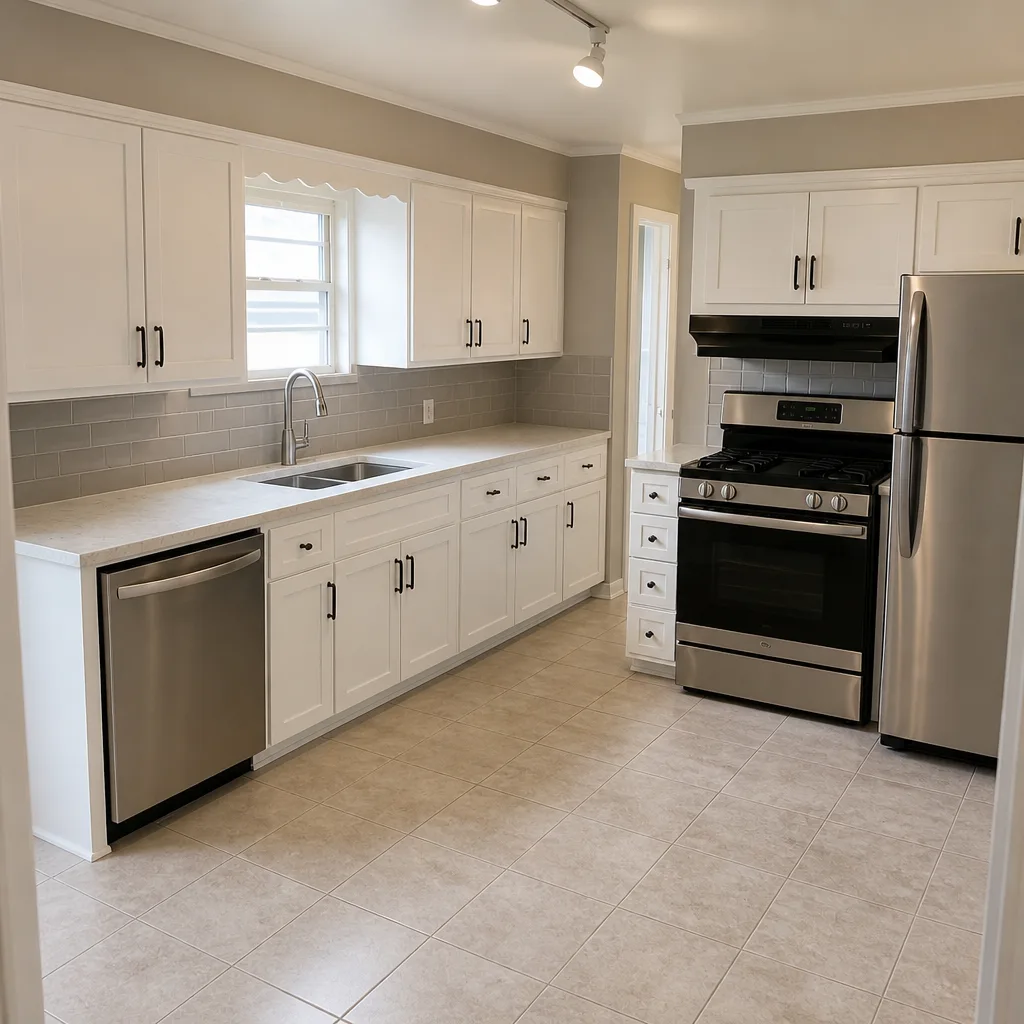 After
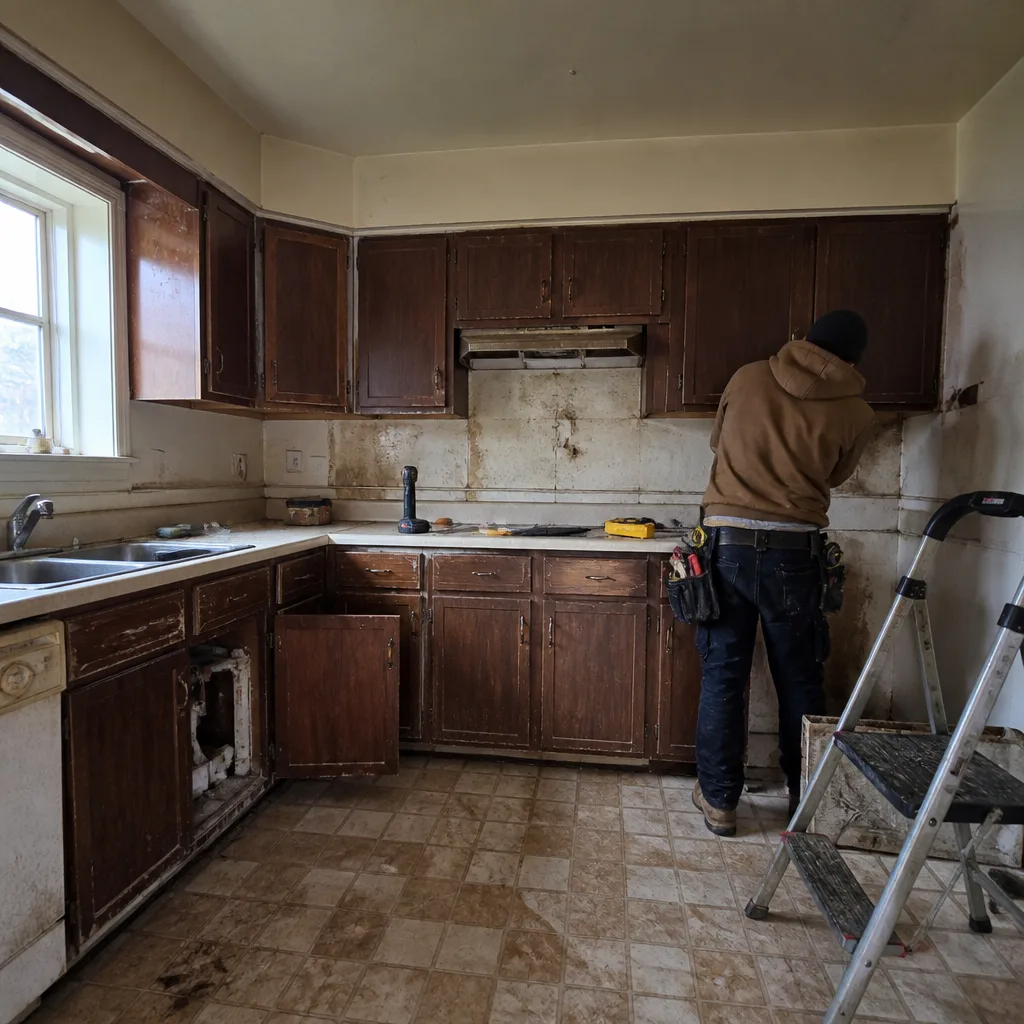 Before
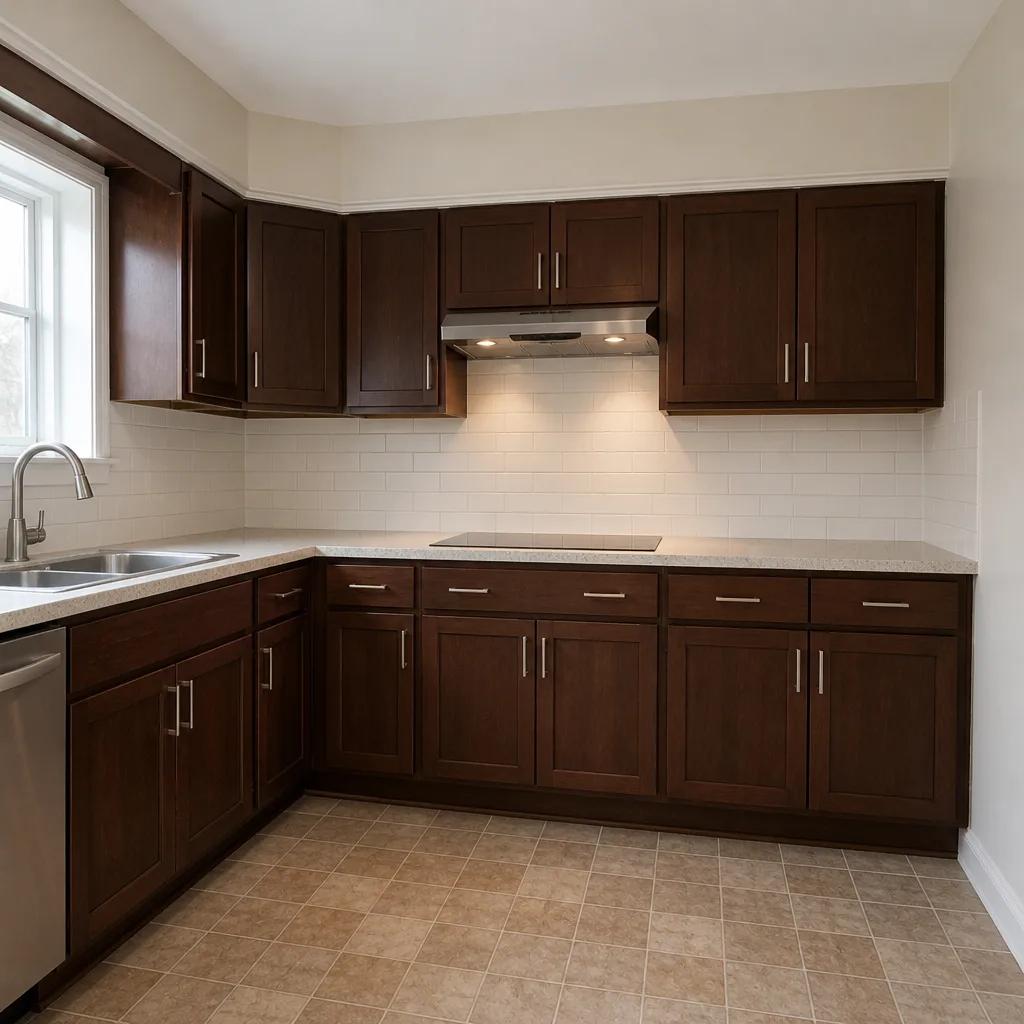 After
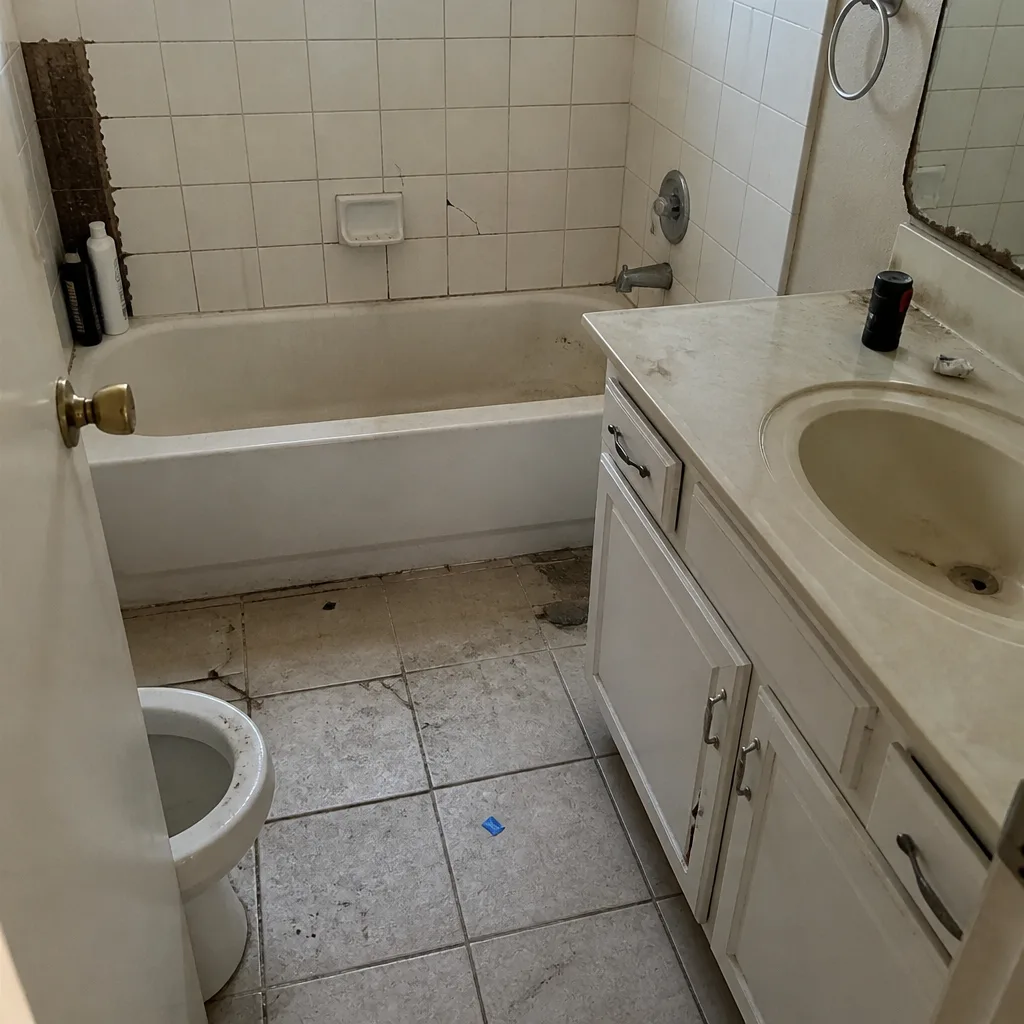 Before
 After
Frequently Asked Questions
A Texas homeowner may perform plumbing work on their own homestead, but work that requires a permit and inspection still has to pass that inspection, and the permit holder is the one who corrects a failure. For anything involving a drain relocation, a new fixture supply line, or a slab break in Grand Prairie, most homeowners are better served by a licensed plumber, because the correction cost for a failed inspection is higher than the original job. Call (888) 255-7593 for a free written estimate if you want a number to compare against.
Yes, because the failure is invisible until it’s expensive. Membrane gaps, missed corner banding, and a flat shower pan all look fine with tile on them and fail months or years later as rot, mold, or ceiling stains below. A failed shower pan in Grand Prairie typically costs several thousand dollars to remediate once you factor demo, subfloor repair, and rebuild. That’s the risk premium that makes professional waterproofing worth the cost.
The permit holder is responsible for the correction, and because the work is attached to the property, the failed inspection follows the address. Grand Prairie inspections are staged – rough-in plumbing and electrical before the walls close, waterproofing before tile – so a failure at one stage can mean opening up work you already finished. Correction plus re-inspection (and possible re-permit) can add significant cost and delay. If you want the permit and inspection stages handled for you, call (888) 255-7593.
It depends on the tier of work you’re actually doing. A cosmetic refresh with paint, fixtures, and a tile floor is materially cheaper than a full remodel that moves plumbing and replaces a shower pan. We give a written price range on the scope you describe before any work starts, with no numbers that move at the door, and that’s the number to compare against your DIY all-in cost including time and risk. Call (888) 255-7593 for a free estimate on your specific bathroom.
No, not on the scope we priced. The written price is set before any work starts, and if we find something in the wall or under the slab that wasn’t visible at the bid, we document it and price the change in writing before doing it. The Garrison Standard exists because “the number moved at the door” is the most common complaint homeowners bring to us, and it’s the thing we’re built to avoid. Call (888) 255-7593 to schedule your free estimate.
Yes. We pull the permits and hold the inspections as part of the project, and the inspection schedule is part of the plan so rough-in and waterproofing stages don’t get closed over before they’re signed off. That’s the piece most DIY projects run into trouble with, because the homeowner-builder holds the permit and the correction cost. Call (888) 255-7593 for a free estimate and we’ll walk through what your bathroom needs.
The Bottom Line
DIY is the right call where the worst case is cosmetic and recoverable: paint, trim, tile on sound substrate, fixture swaps that don’t touch the rough-in. It’s the wrong call where the failure is hidden, licensed, or structural: drain relocations, new electrical circuits in wet locations, shower pans and waterproofing, and anything that requires a permit inspection stage. In Grand Prairie, slab foundations and expansive clay make that line sharper than it is elsewhere. Sort your project into the four tiers, add the risk premium to your DIY math, and let the numbers make the decision. If you’d rather have a written price and a real guarantee behind the work, call (888) 255-7593. One number, a live person, an estimate you can compare against. If you want to see how we approach a full remodel before you decide, start with our Bradford Remodeling Co Grand Prairie home and we’ll take it from there.
Written by the team at Bradford Remodeling Co Grand Prairie.