Last updated November 18, 2026






Free written scope consultation - allowances, timeline, and change-order rules on paper before a single trade is scheduled
How to Hire a Construction Contractor in Grand Prairie: A Step-by-Step Guide
Three Grand Prairie homeowners in five who get burned by a contractor told someone they “had a good feeling about him.” A good feeling is not a scope of work. In our experience across Grand Prairie remodels, the failure almost never happens at the reference check. It happens at the contract: the line nobody read closely, the change-order language nobody asked about, the lien exposure nobody explained. This guide reverses the usual hiring sequence. We put document review at the center and treat the handshake as the last step, not the first. You’ll learn how to verify a Texas contractor in under ten minutes, which five clauses your Grand Prairie contract must contain, and how to read a bid for what it leaves out.
Quick Answer
To hire a construction contractor in Grand Prairie, verify the contractor’s registration and insurance through the Texas Department of Licensing and Regulation (TDLR) and the Texas Department of Insurance, then review the written contract before you review references. The contract, not the referral, is where no-shows, surprise invoices, and scope creep originate. Insist on a written price, a defined scope, a lien waiver clause, and a written workmanship guarantee before any work starts.
Styles & brands we work with
- Kitchen remodeling
- Bathroom remodeling
- Home additions & ADU
- Roofing
- Windows & doors
- Driveway & pavers
- Fence
Table of Contents
- Step 1: Verify the Contractor in Under Ten Minutes
- The Five Clauses Every Grand Prairie Contract Must Contain
- Why the Lowest Bid Is the Highest Risk
- The Pre-Hire Call Script That Separates Contractors
- Written Guarantees vs. Verbal Promises Under Texas Law
- Permits, Inspections, and Who Pulls Them
- What “Squared Away” Looks Like at Job Close
Step 1: Verify the Contractor in Under Ten Minutes
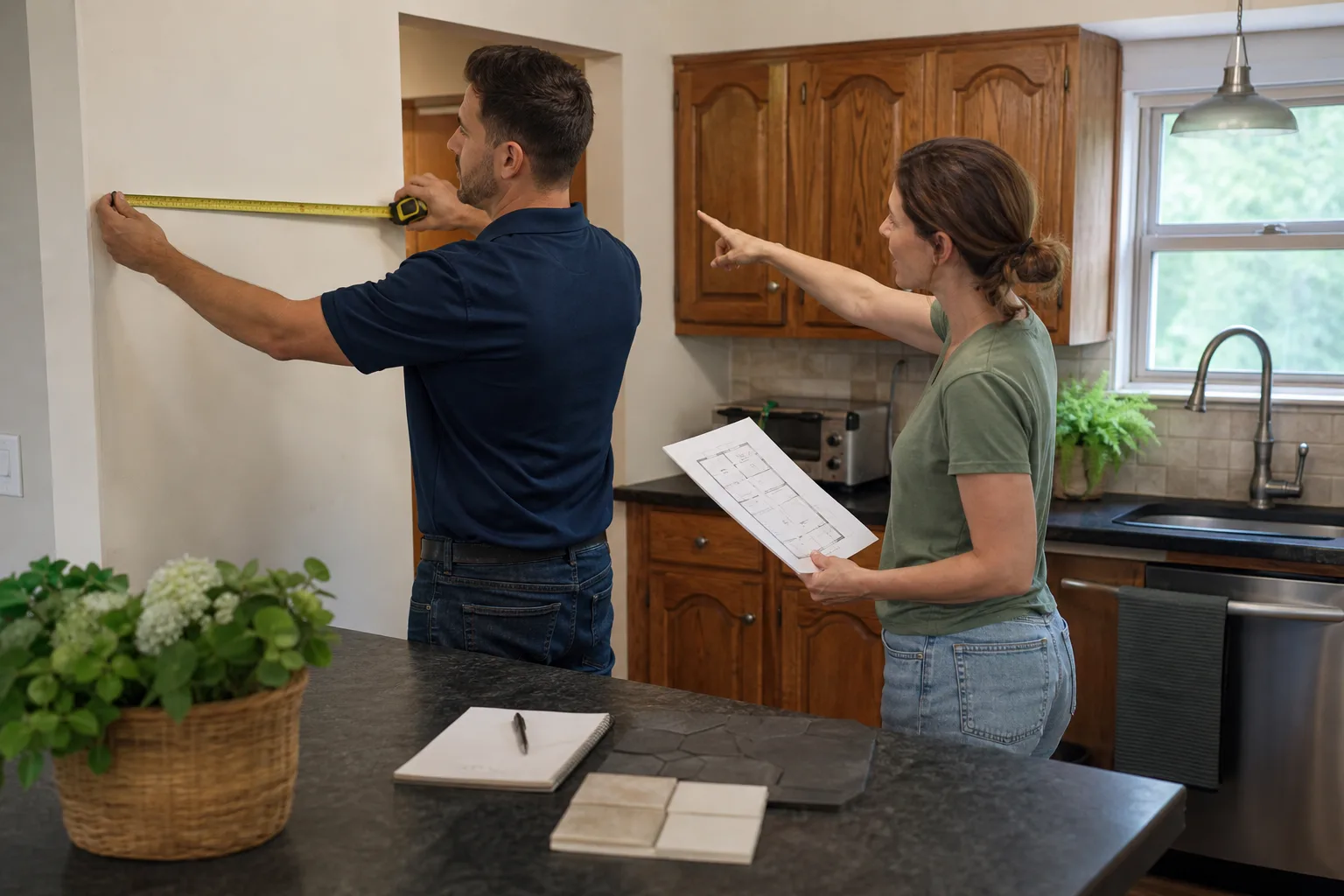
Most homeowners spend forty minutes reading reviews and four minutes verifying credentials. Flip that ratio. Texas makes verification fast if you know the search paths.
- TDLR registration check. Go to the Texas Department of Licensing and Regulation site (tdlr.texas.gov) and use the license search. Enter the contractor’s business name or the individual’s name. Texas does not require a single statewide general contractor license, but it does require registration for specific trades (electrical, plumbing, HVAC, and others). If your contractor claims a specialty credential, verify it here.
- Insurance verification through TDI. Ask for a certificate of insurance and call the insurer’s number printed on it – not the number your contractor hands you. The Texas Department of Insurance (tdi.texas.gov) maintains a license lookup for agents and companies so you can confirm the policy is real and active.
- Workers’ compensation check. Ask whether the crew is covered. If the contractor has no workers’ comp, an injury on your property can become your liability. Request a certificate naming the coverage.
- Address cross-check. Confirm the business address matches the address on the insurance certificate and the contract. Mismatches are a red flag.
- Bond check (where applicable). For specialty trades, confirm any required surety bond is current.
If a Grand Prairie contractor hesitates on any of these, that hesitation is your answer. A by-the-book contractor expects the question and has the documents ready. At Bradford Remodeling, our standard is that the paperwork gets pulled before the conversation gets long – background-checked technicians and documented materials are part of the package. You can start at our Bradford Remodeling Co Grand Prairie home page to see how we frame it.
The Five Clauses Every Grand Prairie Contract Must Contain
This is the section most Grand Prairie homeowners skip, and it’s the section that decides whether the job goes well. Five clauses belong in every remodeling contract in Texas. Before you sign, confirm each one is present and specific.
- 1. Fixed written scope with brand and model named. Not “premium cabinets” – the actual brand and line. If cabinetry is in scope, the contract names the manufacturer (for example, KraftMaid or Wellborn). If surfaces are in scope, it names Caesarstone or Silestone. If fixtures are in scope, it names Kohler or Moen. Vague scope is where change orders are born.
- 2. Written price with a change-order clause. The contract states the price in dollars and defines how any change is priced, approved in writing, and added. No verbal adjustments. No “we’ll settle up at the end.”
- 3. Payment schedule tied to milestones, not dates. Money should follow completed work, not calendar days. A reasonable schedule protects you from funding work that hasn’t happened.
- 4. Lien waiver language per the Texas Property Code. Texas has specific statutory mechanics-lien rules, including the requirement that certain notices and waivers be in writing and in the statutory form. Your contract should require the contractor to provide lien waivers from subcontractors and suppliers as work is paid. Without them, a supplier who isn’t paid can file a lien against your property even if you paid the general contractor in full. Ask your contractor to explain the waiver process in plain terms – if they can’t, slow down.
- 5. Written workmanship guarantee. The contract states what the guarantee covers, for how long, and what happens if the work fails. A verbal “we stand behind our work” is not a clause. A written term is. At Bradford, every completed project carries the 365-Day Done Right Promise in writing – if the work doesn’t hold within that window, we return and correct it at no charge.
If your project touches kitchens or baths, the scope clause above is the one that matters most. Our Kitchen Remodeling in Grand Prairie page spells out how a real scope gets written brand by brand, and the same logic applies to any general scope through our General Contractor in Grand Prairie service.
Why the Lowest Bid Is the Highest Risk
The lowest bid in Grand Prairie’s current labor market is usually the bid that omits the most. Subcontractors face real cost pressure on labor and materials, and a low number has to come from somewhere. It comes from the line items nobody asked about: the permit fee, the demo haul-away, the substrate prep, the trim, the paint, the backup in the schedule.
Read a bid for what it leaves out, not what it includes. Ask yourself:
- Is the permit fee in the number, or is it “by owner”?
- Is debris removal included, or is that a separate charge?
- Are materials specified by brand and model, or left as “builder grade”?
- Is the labor number tied to a realistic schedule, or does it assume a crew that doesn’t exist?
- Is the price fixed, or will it “adjust” once walls are open?
Two bids $8,000 apart on a $40,000 kitchen don’t reflect an $8,000 difference in work – they reflect an $8,000 difference in scope. The low bid is not a discount; it’s a promise to negotiate the gap later, usually at your most vulnerable moment, with your kitchen torn apart. A written, fixed price with a defined change-order clause is the antidote. That’s the whole point of a written price before work starts: the numbers don’t move at the door.
The Pre-Hire Call Script That Separates Contractors
You can sort most Grand Prairie contractors with one call if you ask the right questions. Use this script. The answers matter less than how quickly and how specifically they come back to you.
- “Who pulls the permit for this job – you, or me?” A by-the-book contractor pulls their own permits. If they tell you to pull it as the homeowner, ask why. In Grand Prairie, the city’s permitting process expects the contractor to carry the permit on jobs that require one, and “you pull it” often means the contractor isn’t registered to pull it. That’s a risk transfer you don’t want.
- “Can you put the price in writing before any work starts?” If the answer is “we’ll need to see the space first,” fine – the estimate visit happens, then the number is written. If the answer is “we’ll work it out as we go,” end the call.
- “What brands and models are in the bid?” A specific answer (KraftMaid, Wellborn, Cambria, Kohler) is a good sign. “Premium” with no name is a warning.
- “What does your written guarantee cover, and for how long?” Listen for specifics. “Our work is guaranteed” is not an answer. A defined period and coverage is.
- “Who will be in my home, and are they background-checked?” Vague answers here matter. You are letting people into your house for weeks. Know who they are before the crew arrives.
- “Can I see the certificate of insurance and the lien waiver process in writing?”
Ask these questions before you sign anything. If a contractor answers all six cleanly and puts them in the contract, you’re talking to a professional. If they get defensive or vague, keep calling. Our General Contractor in Grand Prairie page walks through how we answer each of these.
Written Guarantees vs. Verbal Promises Under Texas Law
Texas law holds written agreements to a different standard than casual conversation. Verbal assurances can be difficult to enforce, hard to prove, and often fail the “what exactly did they promise” test when something goes wrong. A written guarantee fixes all three problems: it defines what’s covered, it defines the remedy, and it survives the day the contractor drives away.
Ask any Grand Prairie contractor to state three things in writing:
- What is covered. Workmanship? Materials? Both? Exclusions named?
- For how long. The exact period matters – “for a year” and “365 days from substantial completion” are not the same sentence in a dispute.
- What happens if it fails. Does the contractor return and fix it at no charge? Is travel covered? Is the fix scheduled within a stated window?
This is the model behind The Garrison Standard, the framework Bradford operates under. The point isn’t a clever slogan – it’s that every promise is a pre-written term, not a verbal reassurance. That’s what protects you against the contractor who “remembers it differently.” When you sign a contract with a written guarantee, you’re holding something you can use on the day the work fails. That’s the difference between a handshake and a document you can produce a year later.
Permits, Inspections, and Who Pulls Them
In Grand Prairie, the permit is the paper trail that proves the work was done to code and inspected. It also matters at resale: a buyer’s inspector will look for permit records on major work, and an unpermitted addition or remodel can complicate the sale or force a costly retroactive permit process.
Here’s what a clean permit process looks like on a Grand Prairie job:
- The contractor pulls the permit in their name and posts it on site.
- The scope in the permit matches the scope in your contract.
- Required inspections (rough-in, framing, final) are scheduled by the contractor, not left to you.
- Final inspection passes, and the signed-off permit is handed to you at close.
If a contractor suggests skipping the permit to “save time,” that’s a contractor telling you they don’t want their work inspected. Don’t work with them. The permit exists to protect you, and on any job that requires one, a by-the-book contractor is the only kind worth hiring.
What “Squared Away” Looks Like at Job Close
The last ten percent of a job is where most contractors lose discipline and where most homeowners’ frustration starts. A clean close-out is not a courtesy – it’s evidence that the whole job was run correctly.
At close, you should be holding all of the following:
- A clean site – debris hauled, floors clean, no surprises left behind.
- Every line item in the contract completed and verified against the scope.
- The signed written guarantee in your hand, with coverage term and remedy defined.
- Final inspection pass, if the job required one.
- Lien waivers from subcontractors and suppliers confirming they’ve been paid.
- Manufacturer documentation and warranties for brand-name materials (KraftMaid, Wellborn, GAF, James Hardie, Therma-Tru, and the rest of what’s specified in your scope).
- A punch list with each item signed off, not a list of “we’ll get to it.”
Squared away means you don’t have to call back. If you do, someone answers the phone – not voicemail, not a callback queue. That’s a small standard, but on a remodel it’s the difference between a job closed clean and a job that lingers in your driveway for weeks. Our Bathroom Remodeling in Grand Prairie page shows how a smaller scope runs to the same close-out standard.
Common Mistakes to Avoid
- Vetting references before vetting the contract. A reference tells you someone else’s job went well. The contract tells you whether yours will. Read the contract first.
- Accepting a verbal price. In Grand Prairie, verbal prices shift at the door. Insist on a written number before any tool comes out.
- Skipping the lien waiver clause. Under Texas Property Code, a supplier you never met can file a lien against your house if they weren’t paid. The waiver prevents that.
- Choosing the lowest bid without reading the omissions. The low number is usually a promise to negotiate later, at your most vulnerable moment.
- Letting the contractor tell you to pull the permit. If the contractor can’t pull their own permit, that’s information. Believe it.
- Accepting “we guarantee our work” instead of a written term. A verbal guarantee doesn’t survive the drive away. A written term does.
- Skipping the background-check question. Your crew is in your home for weeks. Know who they are before the first day.
See the difference
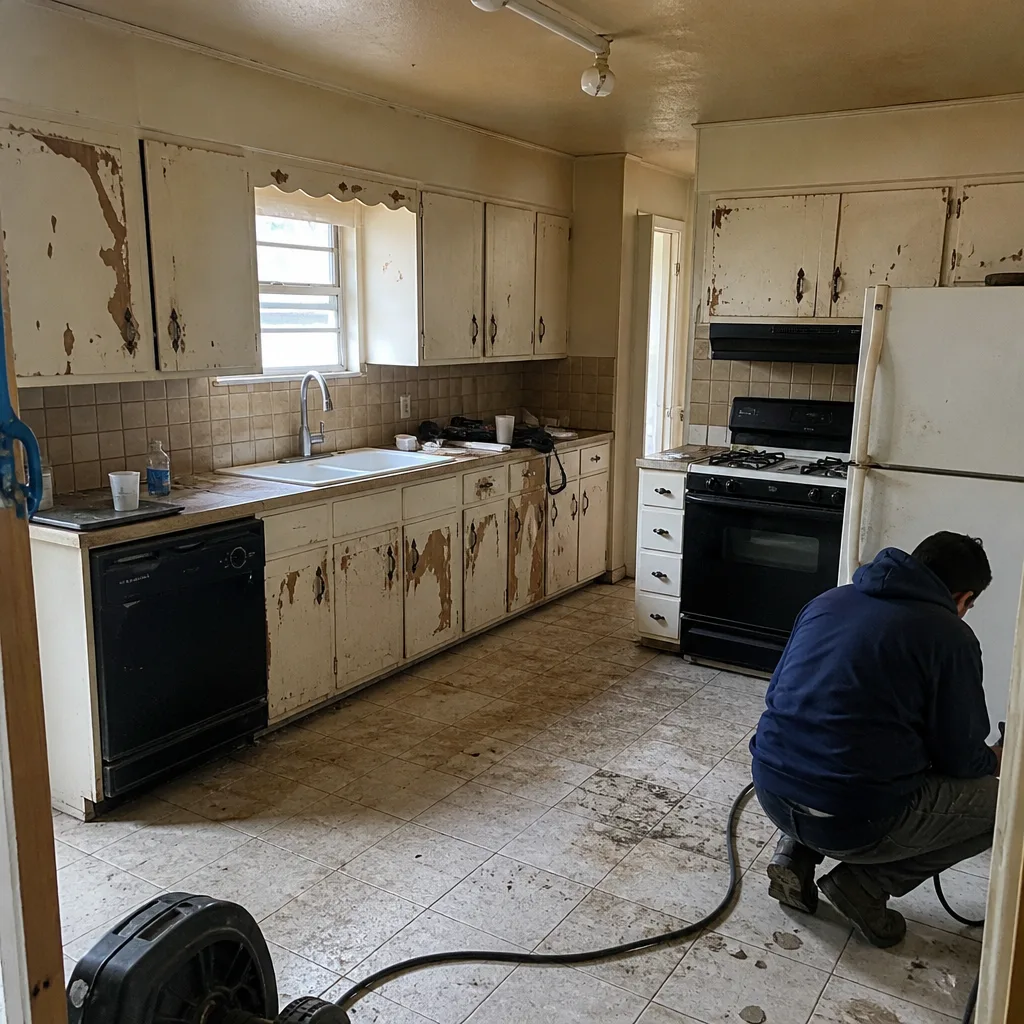 Before
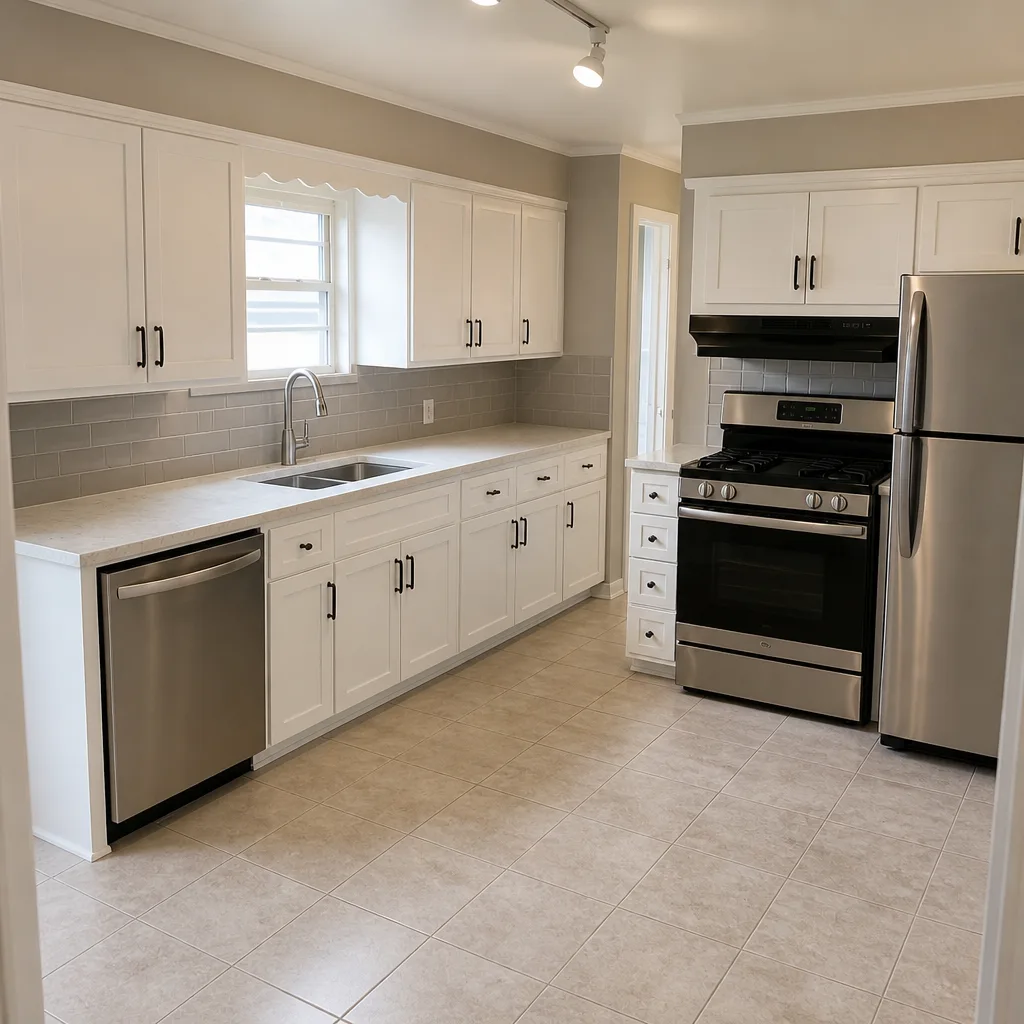 After
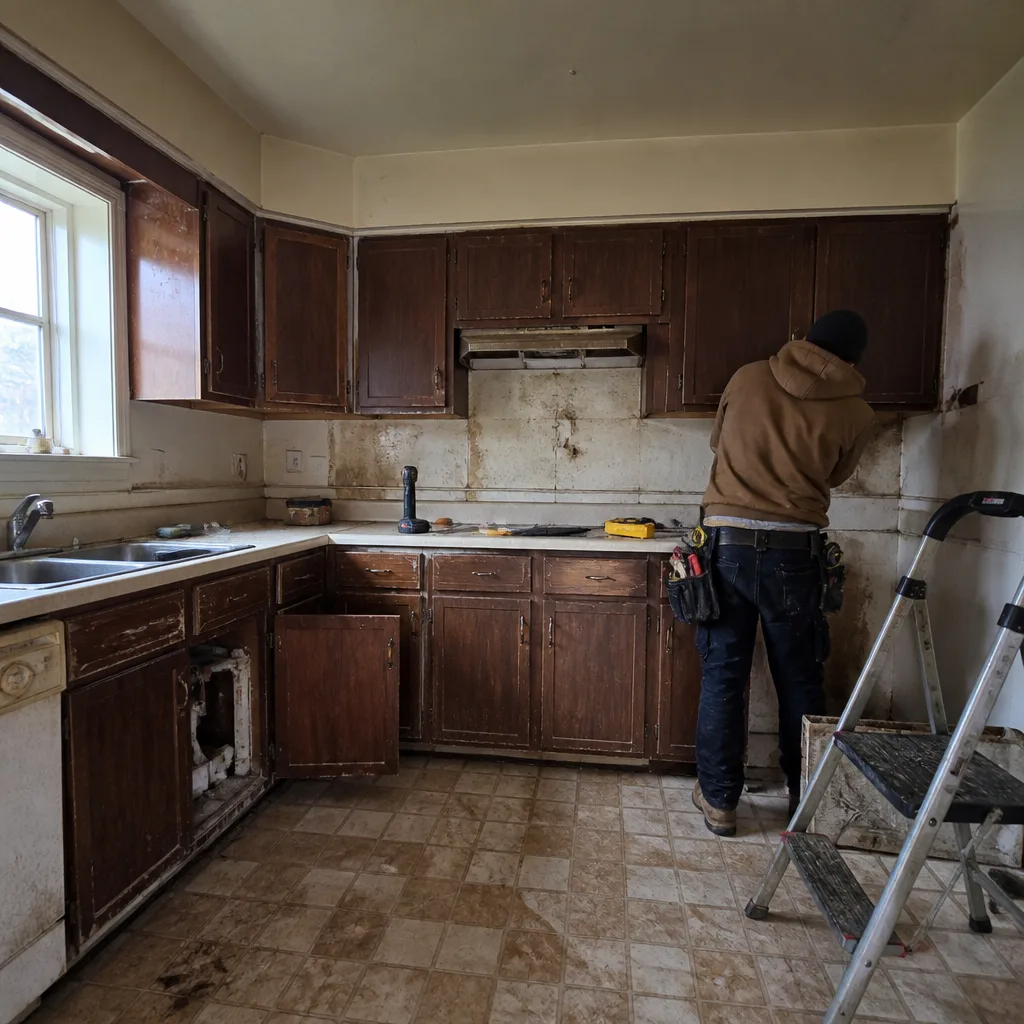 Before
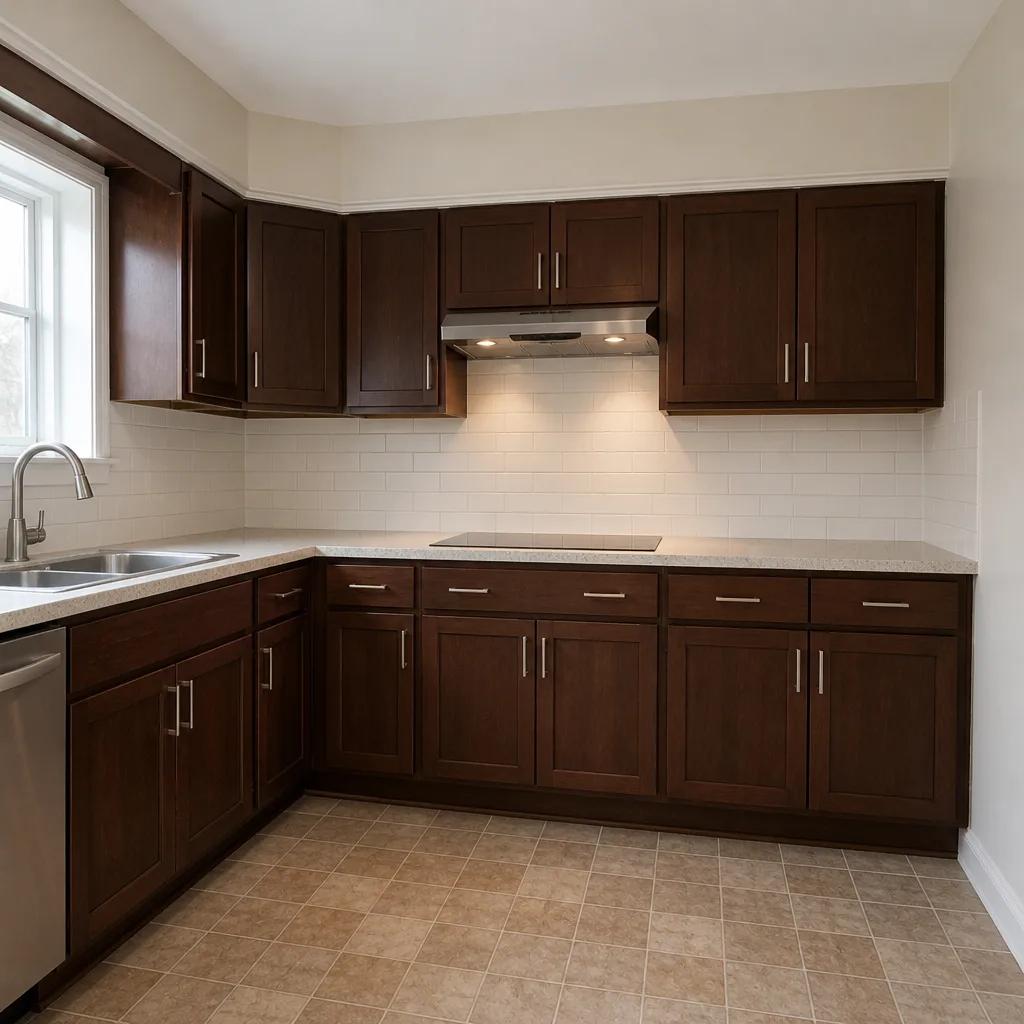 After
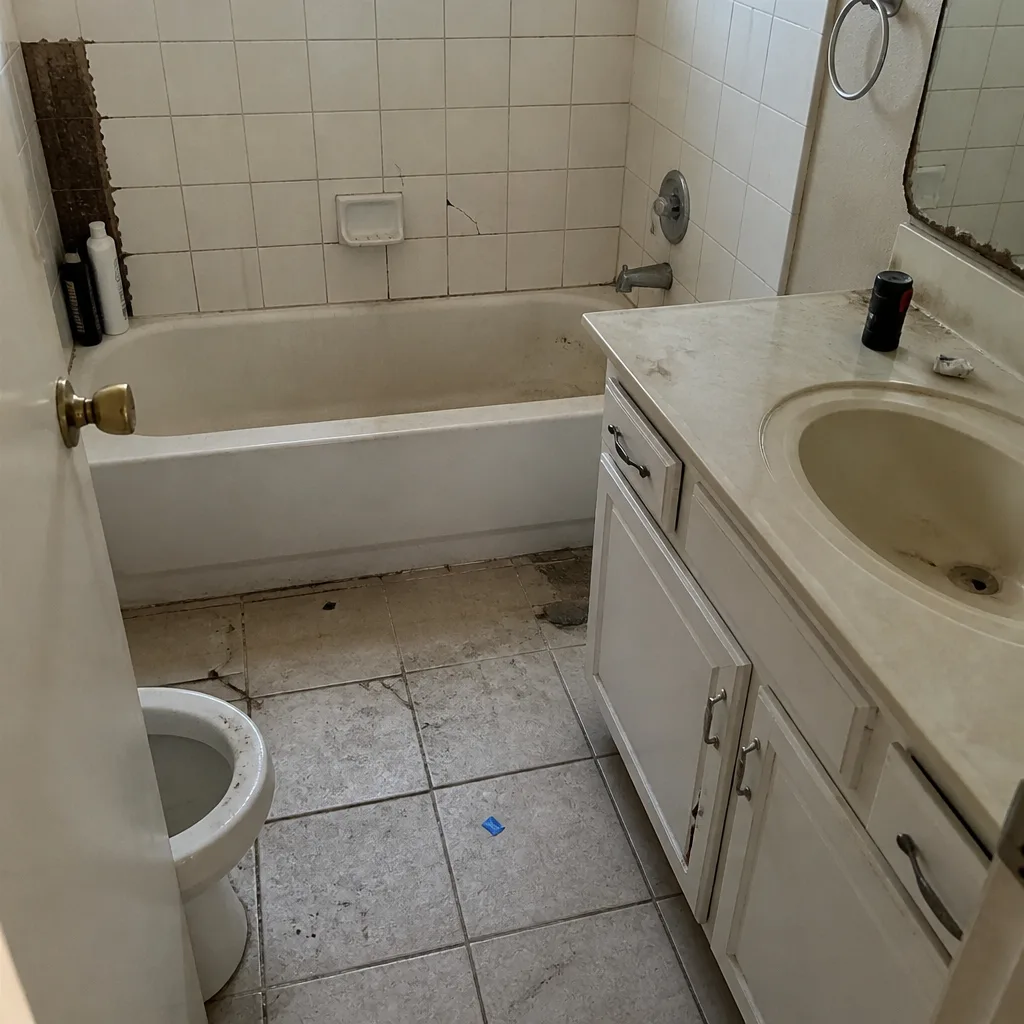 Before
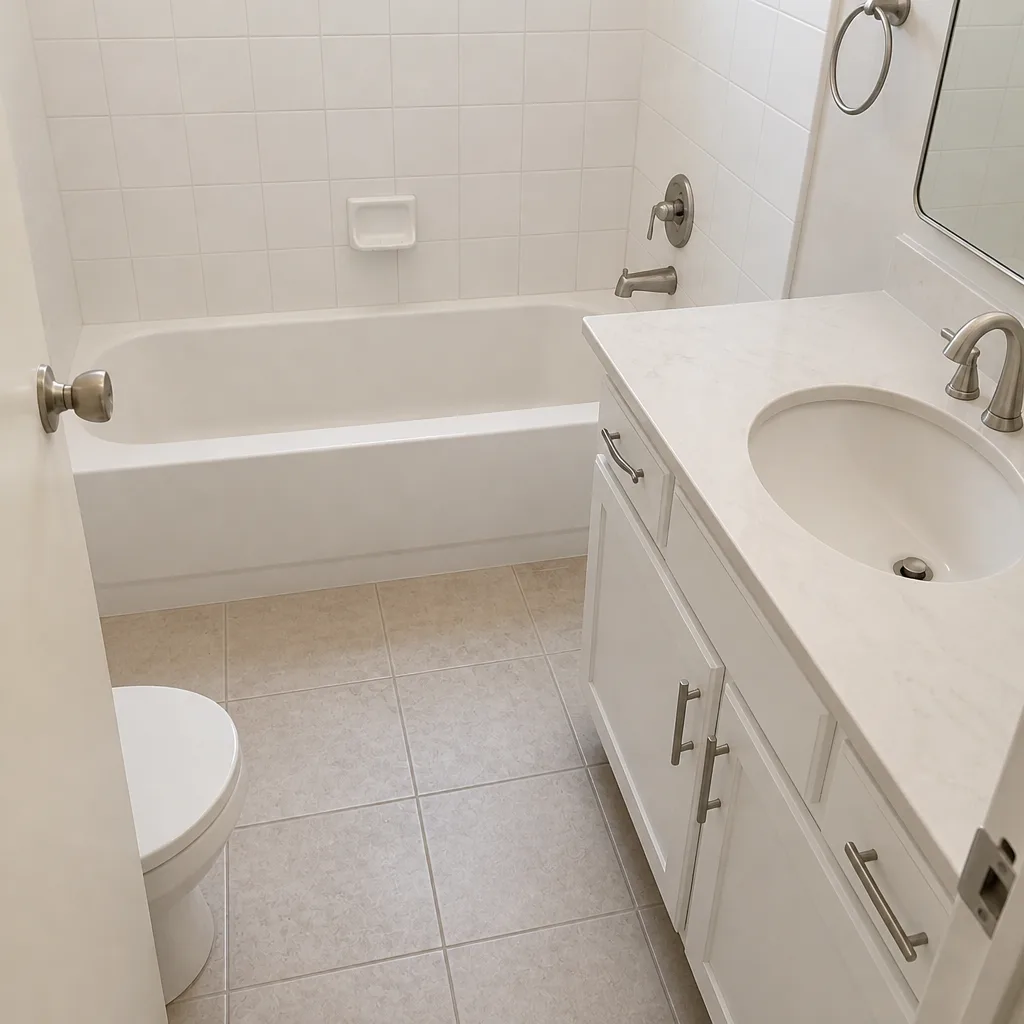 After
When to Call a Professional
Some decisions are yours to make. Others belong in the hands of a professional. Call a licensed and insured contractor in Grand Prairie when the work touches structural elements, electrical panels, gas lines, plumbing rough-in, or any scope that requires a permit – those are not DIY territory, and the safety and permit exposure is real. Call when the bid you’re holding looks too good to be true and you want a second opinion on the scope. Call when you’ve been burned before and want a written price, a written guarantee, and a crew whose identity is verified before they arrive. Bradford Remodeling Co Grand Prairie offers free estimates in Grand Prairie – call (888) 255-7593 to schedule yours.
Frequently Asked Questions

Texas does not issue a single statewide general contractor license, but it does regulate specific trades through TDLR – electrical, plumbing, HVAC, and others. Ask your contractor which specialty licenses apply to your job and verify them at tdlr.texas.gov. For insurance, verify the certificate by calling the insurer’s number printed on the document, not a number the contractor provides. Call (888) 255-7593 for a free estimate from a contractor that will produce those documents before you sign.
A Grand Prairie remodeling contract should include a fixed written scope naming brands and models, a written dollar price with a defined change-order clause, a payment schedule tied to milestones, lien waiver language that reflects the Texas Property Code, and a written workmanship guarantee with a defined coverage period. If any of those five are missing or vague, don’t sign until they’re added. Call (888) 255-7593 – estimates are free and the written price comes before any work.
The lowest bid is usually the bid that omits the most: permit fees, debris removal, substrate prep, trim, paint, and backup in the schedule. The gap between a low bid and a realistic one isn’t a discount – it’s a promise to negotiate the difference later, with your kitchen open and your options limited. Read the bid for what it leaves out, not what it includes. Call (888) 255-7593 for a written, fixed-price estimate.
Yes – if a subcontractor or supplier wasn’t paid, they can file a mechanics lien against your property under Texas law even if you paid the general contractor in full. The fix is a lien waiver clause in the contract requiring signed waivers from subs and suppliers as work is paid. Ask your contractor to explain the waiver process before you sign. Call (888) 255-7593 for a free estimate and a written lien waiver commitment.
A written guarantee defines what’s covered, for how long, and what the contractor will do if the work fails – and it survives the day the crew drives away. A verbal guarantee is difficult to enforce and usually fails the “what exactly did they promise” test when something goes wrong. Ask for the term in writing before you sign. Bradford’s 365-Day Done Right Promise is a written term – call (888) 255-7593 to schedule a free estimate.
Ask the direct question: “Who pulls the permit on this job?” A by-the-book contractor pulls their own permit and posts it on site. If a contractor tells you to pull it as the homeowner, ask why – that’s often a sign they aren’t registered to pull it, and it transfers the risk onto you. Confirm the answer in writing in the contract before signing. Call (888) 255-7593 for a free estimate and a written permit commitment.
The Bottom Line
Hiring a Grand Prairie contractor comes down to one thing: the documents. Verify credentials through TDLR and the Texas Department of Insurance in ten minutes. Demand five clauses in the contract – fixed scope, written price, milestone payments, lien waivers under Texas law, and a written workmanship guarantee. Read the low bid for what it omits. Run the pre-hire call script. And at close, hold a clean site, a passed inspection, signed waivers, and a written guarantee in your hand. Everything else is a handshake – and a handshake doesn’t survive the drive away.
Bradford Remodeling Co Grand Prairie offers free estimates in Grand Prairie. Every price is written before any work starts, every project carries the 365-Day Done Right Promise in writing, and every job is staffed by background-checked, uniformed technicians. A live person answers the phone 24/7. Call (888) 255-7593 to schedule your free estimate.
Written by the team at Bradford Remodeling Co Grand Prairie.