Last updated November 18, 2026








Free written scope consultation - allowances, timeline, and change-order rules on paper before a single trade is scheduled
Kitchen Remodeling Warning Signs Every Homeowner Should Know
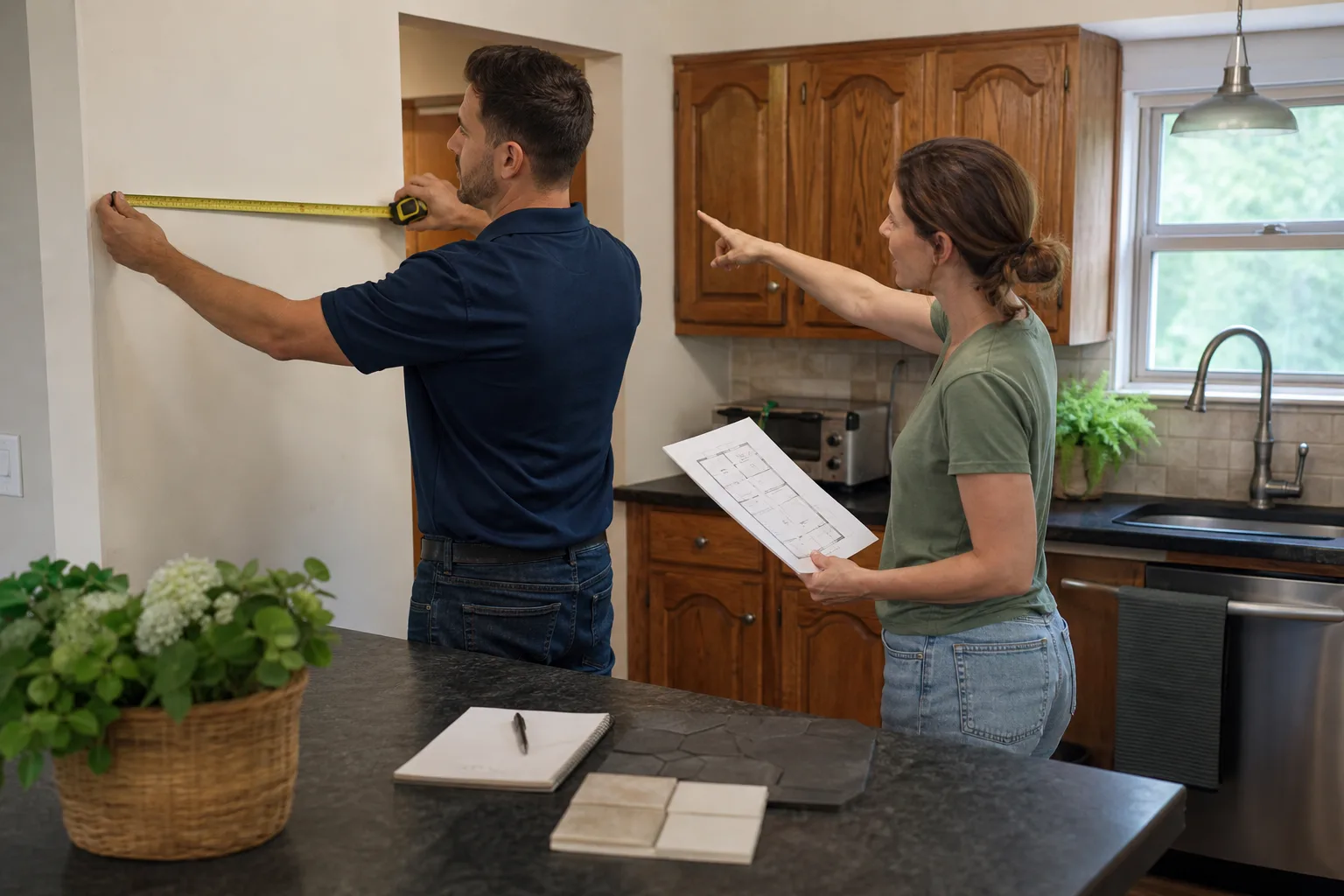
Most kitchen remodels go wrong long before the first cabinet comes off the wall. They go wrong in the first conversation, when a contractor answers “will you pull the permit yourself?” with a shrug and a change of subject. That hesitation is data. In our experience across Grand Prairie, the problems homeowners describe to us after a bad job – the mystery line items, the cash request ahead of schedule, the crew that vanishes at 80 percent complete – were all visible in the estimate and the contract they signed months earlier. This guide teaches you to read those early signals. You’ll learn what a compliant permit covers, how a real change order works, and the contract language that prevents the “almost done” stall.
Quick Answer
The biggest warning signs of a bad kitchen remodeling contractor are a verbal-only scope of work, an estimate with vague lump-sum pricing, a request for more than 50 percent upfront, and reluctance to name the permit holder or the licensed trade subcontractors. If a contractor resists putting the price, the scope, and the guarantee in writing before work starts, that resistance tells you more than any reference list will. Screen the contractor in the first conversation, not after demolition.
Styles & brands we work with
- Kitchen remodeling
- Bathroom remodeling
- Home additions & ADU
- Roofing
- Windows & doors
- Driveway & pavers
- Fence
Table of Contents
- Why the First Conversation Tells You Everything
- Warning Sign #1: The Verbal-Only Scope
- Warning Sign #2: Vague Line-Item Estimates
- Warning Sign #3: Requests for More Than 50% Upfront
- What a Compliant Grand Prairie Kitchen Permit Actually Covers
- Mid-Project Warning Signs You Can Still Catch
- What a Legitimate Written Change-Order Process Looks Like
- The “Almost Done” Stall and the Contract Language That Prevents It
Why the First Conversation Tells You Everything
A kitchen remodel is a chain of decisions made under pressure, and the first conversation sets the pattern for every one of them. The contractor who answers your questions plainly, in writing, and without friction is the same contractor who will hand you a documented change order when a wall turns out to be out of plumb. The one who dodges a permit question will dodge the next one too.
We’ve seen how this plays out in Grand Prairie kitchens specifically. Housing stock here runs from 1970s and 1980s builds near Dalworth and the older core to newer construction out toward Lake Ridge and the Grand Peninsula area. In the older homes, a “simple cabinet swap” often exposes aluminum branch wiring or cast iron drain lines that have to be brought up to current code. A contractor who can’t calmly explain how they’ll handle that discovery, and what it costs, has not thought about your house.
So the first conversation is a screening interview. You’re not looking for the lowest number. You’re looking for a contractor who treats your questions as normal and answers them in writing.
What to listen for:
- Do they ask about your home’s age and wiring before quoting a price?
- Do they name the permit holder (themselves) without prompting?
- Do they hand you a written scope with line items, or a single round number?
- Do they describe who does the electrical, plumbing, and mechanical work?
If you want to see how a by-the-book process is structured from the first visit, our page on Kitchen Remodeling in Grand Prairie lays out the sequence we follow.
Warning Sign #1: The Verbal-Only Scope
A verbal-only scope is the single most expensive habit in remodeling. It means the contractor described the job out loud, you agreed out loud, and nothing was written down. When the finished product doesn’t match what you pictured, there’s no record to compare. You lose that argument every time, because the only evidence is memory.
Here’s the test. Ask for the scope in writing and count what’s missing. A complete kitchen scope names the specific cabinet line and door style, the countertop material and edge profile, the backsplash square footage, the fixture brands and models, and the disposal of old materials. It also states what is not included, which matters just as much. A scope that says “cabinets and counters, turnkey” is not a scope. It’s a mood.
In Grand Prairie, we’ve had homeowners bring us a one-page estimate from another contractor and ask us to price the same thing. Half the time, key items are absent: no allowance for the range hood ducting, no line for under-cabinet lighting, nothing about patching and painting after the countertop template. Those gaps aren’t accidents. They’re how a bid stays artificially low and then grows once the work starts.
A documented scope should read like a set of instructions a subcontractor could follow without calling the office. When Bradford writes a scope, the material roster is named specifically – KraftMaid or Wellborn cabinetry, Cambria or Caesarstone surfaces, Kohler or Moen fixtures – so the specification is traceable and nobody is guessing at the countertop grade after the fact. That’s part of what The Garrison Standard means in practice.
- Ask for brands and model numbers, not “premium” or “high-end.”
- Confirm what’s excluded: painting, drywall repair, haul-away.
- Get the scope in the contract, not in a text message.
Warning Sign #2: Vague Line-Item Estimates
A lump-sum estimate with no line items is a warning sign because it transfers all the risk of price movement onto you. When the number is one big figure, there’s no way to see where the money goes, which means there’s no way to hold the contractor to any part of it. In our experience, the vaguer the estimate, the more likely the door number changes once the work begins.
A usable estimate is broken out. It separates labor from materials, gives square footage and quantities, and names allowances with a dollar cap (for example, a lighting allowance of $1,200 with anything over that billed as a change). That structure protects both sides. You know what you’re buying; the contractor knows what they committed to.
In the Grand Prairie market, kitchen costs vary with the vintage of the home and the scope. A cosmetic refresh on a 1990s kitchen runs a fraction of a full reconfiguration that moves plumbing and adds an island. The point isn’t the exact number. The point is that a contractor should be able to show you where the number comes from without hesitation.
What a line-item estimate lets you do:
- Compare two bids on the same scope instead of comparing marketing.
- See allowances and know what triggers a change order.
- Spot items that are missing and will surface later.
- Hold the contractor to the written price before work starts.
Our General Contractor in Grand Prairie page explains how we price a project from the first walkthrough, including the materials decided up front.
Warning Sign #3: Requests for More Than 50% Upfront
A request for more than half the project cost before any work begins is a warning sign, and often a serious one. A legitimate payment schedule is tied to progress milestones, not to the calendar. Large upfront draws can leave you exposed if the contractor walks or runs short on cash flow for your job. A disciplined crew funds its own materials deposit and collects as it delivers.
A reasonable schedule on a typical kitchen looks something like this: a modest deposit to lock the schedule and order materials, then draws tied to milestones you can verify – rough-in complete and inspected, cabinets set, counters templated and installed, final punch list signed off. Every draw should be payable against something you can see with your own eyes.
Watch for these schedule patterns:
- 45 to 50 percent due the day the contract is signed.
- Cash-only payment requests or “we prefer checks made out personally.”
- Pressure to pay the next draw before the previous milestone is finished.
- No written payment schedule at all – just “we’ll let you know.”
We put the price and the payment schedule in writing before any work starts. That’s non-negotiable, not a courtesy. When a homeowner in Grand Prairie calls us after a bad situation, the first thing we do is establish what was actually agreed to in writing.
What a Compliant Grand Prairie Kitchen Permit Actually Covers
In Grand Prairie, a kitchen remodel that involves electrical, plumbing, or mechanical work generally requires permits and inspections, and “we don’t need a permit for that” is almost always false when any of those systems are touched. A compliant permit covers the trades doing the work: new or relocated circuits, the range hood and exhaust ducting, any gas line changes to a range or cooktop, plumbing relocations for a sink or dishwasher, and the inspections that confirm each one meets code.
When you ask a contractor “will you pull the permit yourself?” you are really asking three things at once. First: are you the kind of operation that pulls permits in your own name, which means the inspections are on your record. Second: do you know which trades require a licensed subcontractor to perform the work, and will you name them. Third: are you comfortable with a city inspector walking your job at the rough-in stage. A contractor who hesitates on that question has told you which category they fall into.
This matters more in older Grand Prairie neighborhoods than in new construction. Aluminum branch wiring, undersized panels, and aging drain lines are common in homes built decades ago, and code compliance isn’t optional. A permitted job protects you at resale, too. Unpermitted work that a home inspector later flags can delay a sale and force a retroactive permit at your expense.
What a written permit commitment should specify:
- The permit holder’s name (the contractor’s company, in its own name).
- Which trades are being permitted: electrical, plumbing, mechanical.
- Who performs each trade and their licensed status.
- Who schedules the inspections and who is on site for them.
For the broader sequence of a whole-home renovation, see our Bathroom Remodeling in Grand Prairie guide, which walks through the permit and inspection flow on a comparable project.
Mid-Project Warning Signs You Can Still Catch
Even with a solid contract, problems can surface mid-project. The most common is scope creep framed as “we found something.” Sometimes that’s real – a hidden water leak, a rotted subfloor under the sink. But the framing is the tell. A disciplined contractor documents the discovery with photos and a written change order and prices it separately. An undisciplined one says “we found something, it’ll be a couple thousand extra,” and expects you to nod.
The second mid-project warning sign is a subcontractor who doesn’t know the original scope. If the electrician arrives and starts asking you what you want, rather than having read the plan, communication has broken down at the contractor level. You should never have to re-explain your layout to a trade who was supposed to be briefed before they arrived. In our experience, a crew that shows up knowing the plan is the clearest sign of a contractor who runs the job rather than reacting to it.
Watch for these mid-project patterns:
- “We found something” without photos or a written change order.
- A trade asking you to make layout decisions on the spot.
- Payment requests that arrive before the milestone is complete.
- Pattern of small schedule slips with no explanation and no revised date.
- Materials substituted without written approval.
The fix for most of these is the same: put everything in writing as it happens. A documented change order is the mid-project safety net.
What a Legitimate Written Change-Order Process Looks Like
A legitimate change order is a written document, signed before the extra work begins, that states exactly what’s changing, what it costs, and how it affects the schedule. It is not a verbal “we’ll add that in.” It is not a text message. It’s a signed piece of paper with a fixed price and a completion date, and it becomes part of the contract.
The absence of a change-order process is the warning sign. If a contractor tells you “we’ll just work it out at the end,” they’ve told you the price you’ll be held to is the one that arrives after you have no leverage. A written change order protects you because you approve the cost before the work happens, and you can say no.
Here’s the sequence a real change order follows:
- The contractor documents the discovery – photos, a written description of what was found.
- They price the correction in writing, with line items, before touching it.
- You review and sign, or you decline and discuss alternatives.
- The signed change order is added to the contract and reflected in the schedule.
That’s the process on every project we run. It’s also what The Garrison Code means by squared away: no number moves without a signature, and no signature happens without a written number. If you want to understand how we structure pricing from the start, our Bradford Remodeling Co Grand Prairie home page is the place to begin.
The “Almost Done” Stall and the Contract Language That Prevents It
The “almost done” stall is the pattern where a contractor gets a kitchen to about 80 percent and then slows to a crawl, taking on other jobs while yours sits unfinished. The cabinets are in, the counters are set, and then the punch list – the trim, the outlet covers, the caulk line, the final paint touch-up – drags for weeks or months. It’s frustrating because the job looks nearly finished, and it’s dangerous because the final payments and the final walkthrough get indefinitely deferred while the contractor works elsewhere.
The contract language that prevents this is a completion date tied to a holdback. A well-written contract names a substantial completion date, defines what “complete” means (a written punch list signed off by you), and holds a portion of the final payment until that punch list is cleared. When the last draw is contingent on actual completion, the contractor has a financial reason to finish your kitchen before starting the next.
In our experience, the stall is rarely about the work. It’s about cash flow and scheduling discipline. A contractor who runs multiple jobs at once without a completion protocol will leave someone’s kitchen stalled, and it may as well be yours. The written schedule and the holdback are the two contract terms that prevent it.
A reasonable completion clause should specify:
- A substantial completion date and a punch-list definition.
- A final payment held back until the punch list is signed off.
- A process for handling weather or material delays in writing.
- A written warranty that begins at final walkthrough.
Every Bradford project closes with a clean site, a documented scope completed, and a signed written guarantee in your hand – the 365-Day Done Right Promise. If any part of the finished kitchen fails inside that first year, we return and correct it at no charge.
Common Mistakes to Avoid
- Signing before the scope is written. Once the ink is dry on a vague contract, the price is yours to absorb. Require a written scope with named brands and quantities before you sign anything.
- Accepting a lump-sum bid because it’s the lowest. In the Grand Prairie market, the lowest number often hides missing line items that reappear later. Compare bids on the same written scope, not on the total.
- Paying more than 50% upfront. A large leading draw exposes you if the contractor walks. Tie every payment to a milestone you can verify.
- Letting a contractor say “no permit needed.” In a kitchen touching electrical, plumbing, or gas, a permit is almost always required. Ask who pulls it and get the answer in writing.
- Approving a verbal change order. “We found something” is not a change order. Require a written document with a price before the work begins.
- Skipping the punch-list holdback. Without a final payment held back until the punch list is cleared, the last 20 percent of the job can stall indefinitely.
- Choosing a contractor who can’t name their subs. If the electrical and plumbing trades aren’t identified and licensed up front, you have no way to know who is working inside your walls.
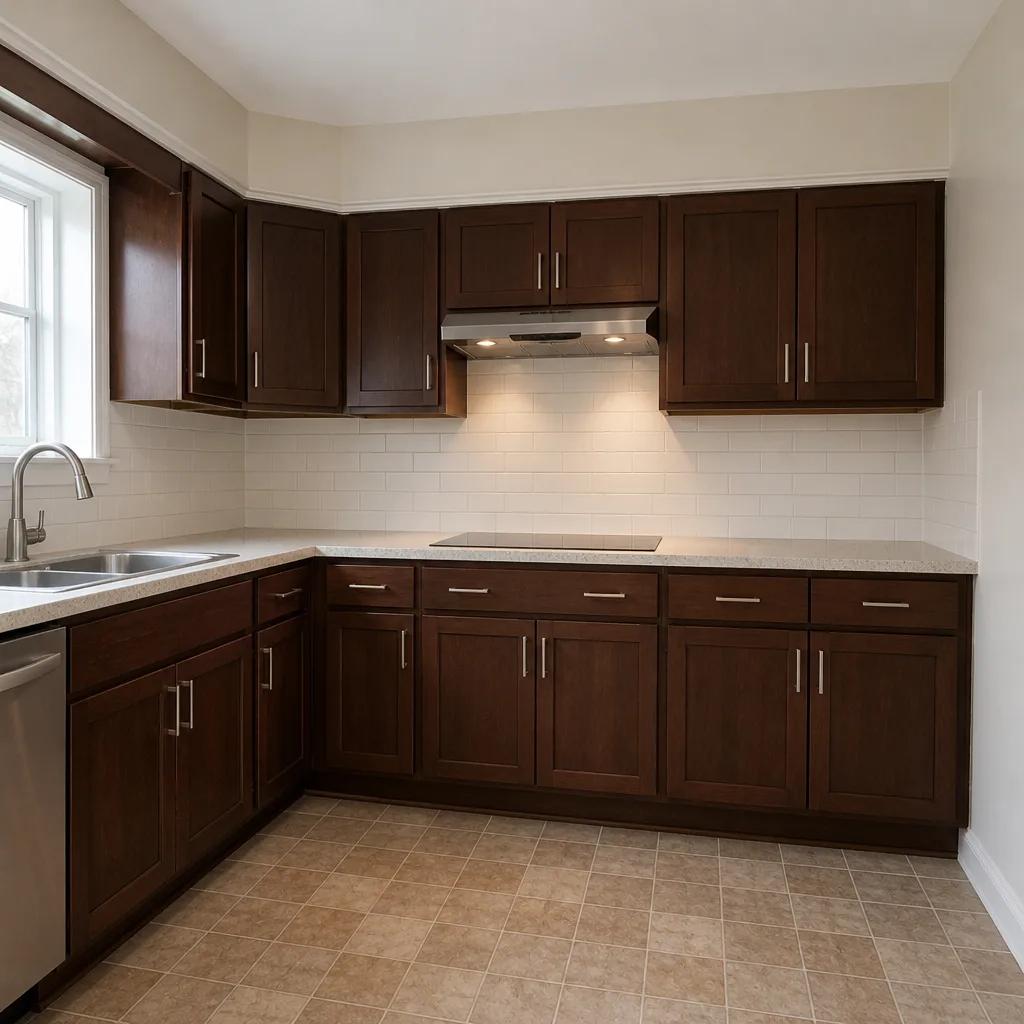
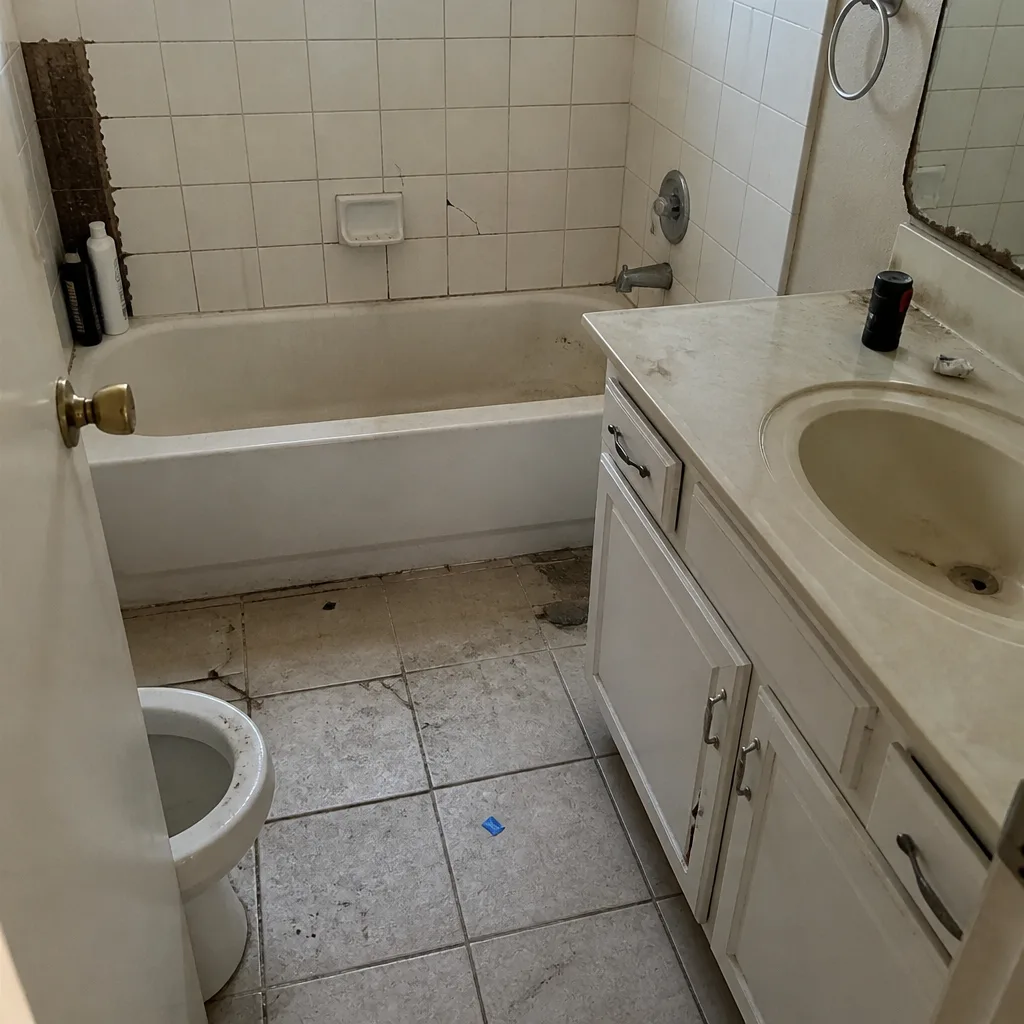
See the difference
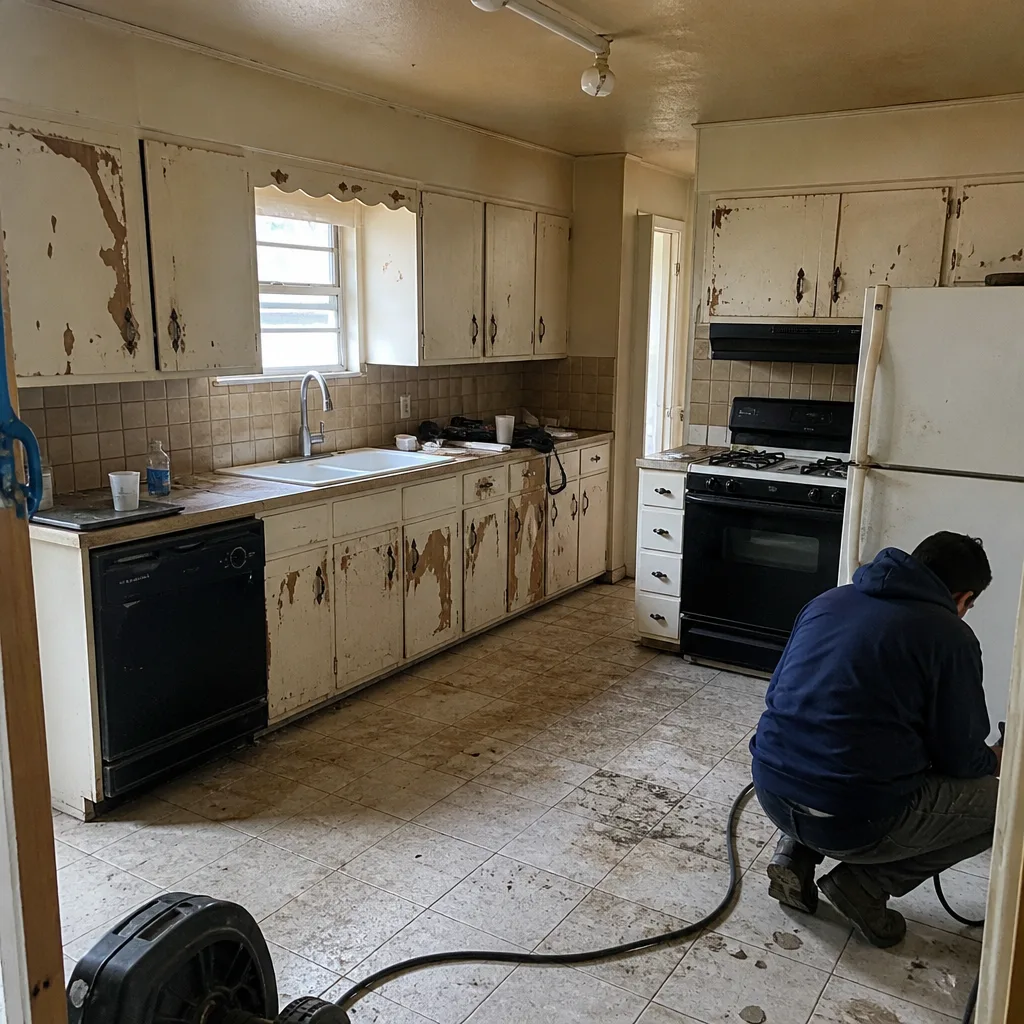 Before
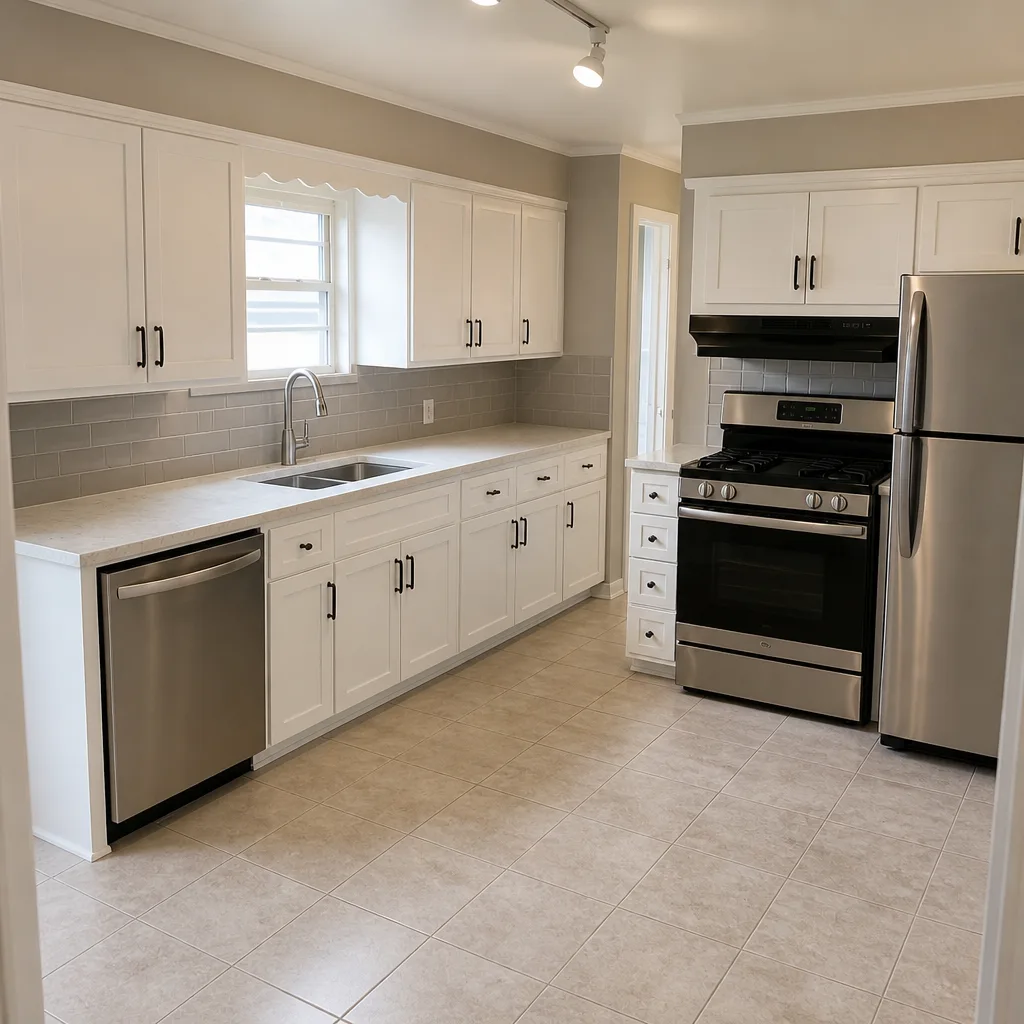 After
 Before
 After
 Before
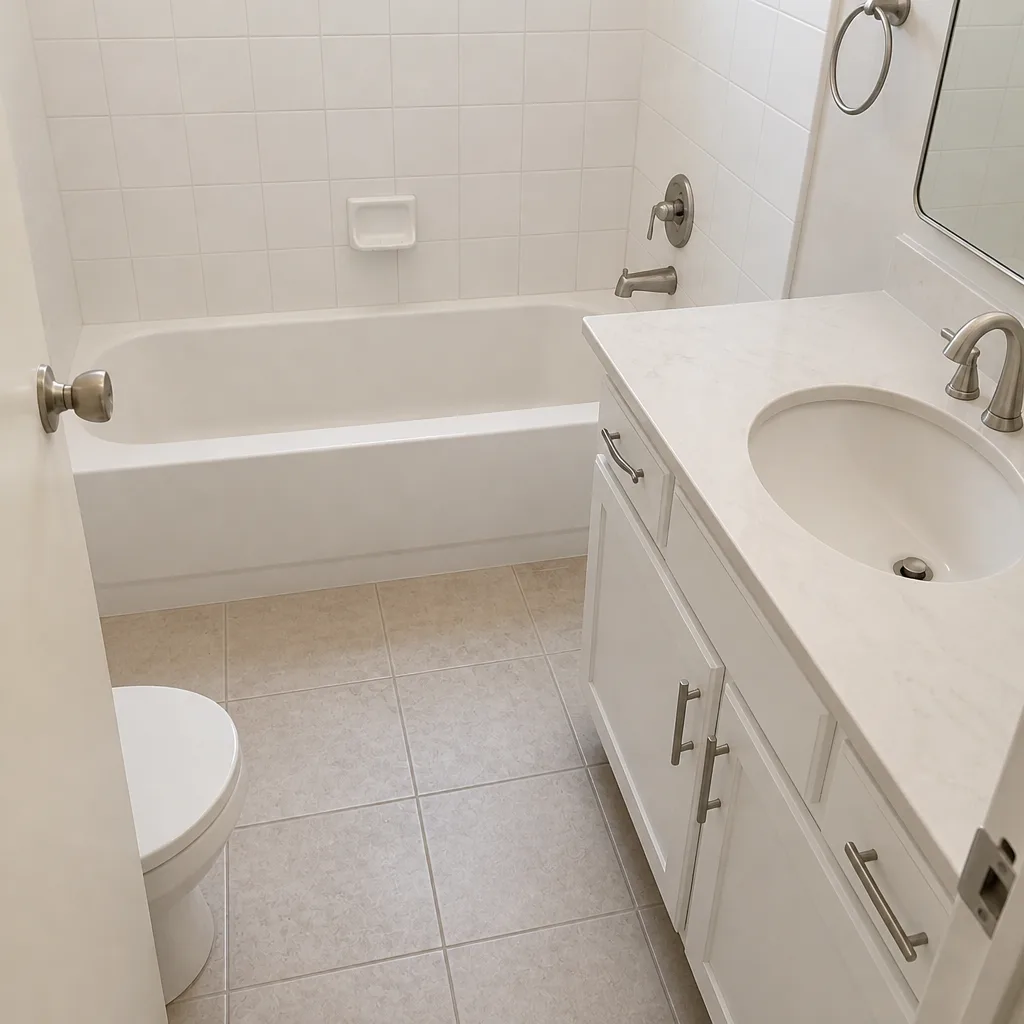 After
When to Call a Professional
Bring in a professional early, before the first bid, in a few specific situations: your home predates 1990 and you suspect aluminum wiring or aging plumbing; your project moves plumbing, gas, or the electrical panel; or a prior remodel was done without permits and you need to understand what’s exposed. In our experience, these are the projects where an initial conversation saves the most money, because the biggest costs hide behind walls and beneath floors. A free estimate that maps those risks in writing before demo starts is worth more than a dozen verbal promises. Bradford Remodeling Co Grand Prairie offers free estimates in Grand Prairie – call (888) 255-7593 to schedule yours, and bring your questions about permits, payment, and change orders.
Frequently Asked Questions

The biggest warning sign is a contractor who won’t put the price, scope, and guarantee in writing before work starts. Verbal-only agreements, vague lump-sum bids, and resistance to naming the permit holder are all versions of the same problem: no accountability on paper. Call (888) 255-7593 for a free estimate with a written scope – the price before work begins is standard, not an exception.
Yes, in most cases. A kitchen remodel that touches electrical, plumbing, mechanical, or gas work requires permits and inspections in Grand Prairie, and the contractor should pull them in the company’s name. “We don’t need a permit for that” is almost always false when any of those systems is involved. Ask who pulls the permit and get the answer in writing before signing.
A reasonable deposit is modest and tied to scheduling and material ordering, with the remaining payments drawn against milestones you can verify. A request for more than 50 percent upfront is a warning sign. Call (888) 255-7593 to see how a written payment schedule is structured – we put the price before any work starts and tie every draw to a milestone.
A written change order should state exactly what is changing, a fixed line-item price, the schedule impact, and a signature from you before the work begins. If a contractor says “we’ll work it out at the end,” that’s the warning sign – the price arrives when you have no leverage. Require the document in writing, every time.
Prevent the stall with contract language: a defined substantial completion date, a written punch-list sign-off, and a portion of the final payment held back until the punch list is cleared. The holdback gives the contractor a financial reason to finish your kitchen before starting the next one. Ask for these terms at the bidding stage.
Every completed project carries a full-year written guarantee: if the work fails within the first 365 days, Bradford returns and corrects it at no charge. The guarantee is written into the contract, not promised verbally. Call (888) 255-7593 to see the written terms before you sign.
The Bottom Line
The warning signs of a kitchen remodel about to go wrong show up in the first conversation, not the last. A contractor who resists putting the scope, the price, the permit responsibility, and the guarantee in writing has told you exactly how the job will run. Screen for a written scope with named brands, a line-item estimate, a payment schedule tied to milestones, a permit pulled in the contractor’s own name, and a written change-order process. Add a completion date with a punch-list holdback and you’ve closed the door on the “almost done” stall. Bring those questions to the first call. It’s the cheapest part of the project and the one that protects you most.
Bradford Remodeling Co Grand Prairie offers free estimates with a written price before any work starts. Call (888) 255-7593 to schedule yours, and bring your questions about permits, payment, and change orders to the first conversation.
Written by the team at Bradford Remodeling Co Grand Prairie.