Last updated November 18, 2026

Free written scope consultation - allowances, timeline, and change-order rules on paper before a single trade is scheduled
The Complete Guide to Construction in Grand Prairie
Two Grand Prairie homeowners can live two streets apart and face completely different permit offices, inspection schedules, and fee structures. That’s not a guess. Grand Prairie straddles the line between Dallas County and Tarrant County, and depending on which side of that line your house sits, your remodel routes through a different set of jurisdictions, timelines, and rules. Most contractors won’t tell you this until your project is already stalled waiting on an inspection. This guide maps every stage of a Grand Prairie construction project to that dual-county reality: permits, inspections, soil, drainage, timelines, and what a contract should actually say before anyone picks up a hammer.
Quick Answer
Construction in Grand Prairie runs through a split jurisdiction: part of the city falls under Dallas County and part under Tarrant County, which changes which offices handle your permits, how inspections get scheduled, and how long each phase takes. A realistic Grand Prairie remodel takes several weeks to several months from design to final inspection, and the largest cost surprises come from the permit path, the Blackland Prairie clay under your foundation, and scope that was never put in writing. Get your permit routing and your written scope settled first, and the rest of the project falls into line.
Styles & brands we work with
- Kitchen remodeling
- Bathroom remodeling
- Home additions & ADU
- Roofing
- Windows & doors
- Driveway & pavers
- Fence
Table of Contents
- Why Grand Prairie’s Dual-County Split Changes Your Project
- The City Departments You’ll Actually Deal With
- Blackland Prairie Clay and What It Means for Your Foundation
- A Realistic Grand Prairie Project Timeline
- What “Written Scope Before Tools Come Out” Actually Looks Like
- Permits, Inspections, and Contractor Requirements
- Grand Prairie Neighborhoods and What Each One Asks of You
- Common Mistakes to Avoid
Why Grand Prairie’s Dual-County Split Changes Your Project
Grand Prairie is one of the few Texas cities that sits in two counties at once. The eastern portion is in Dallas County; the western portion reaches into Tarrant County. For a homeowner, that boundary is invisible on the ground. For a construction project, it’s the single most important fact to establish before you sign anything.
Here’s why it matters. County-level recording, some inspection routing, and certain contractor registration requirements can differ across the line. When a contractor pulls your permit, the city’s Development Services office will route it based on your address, and if there’s any question about which county jurisdiction a parcel falls under, the permit can sit in review longer than expected. A crew that hasn’t checked your county before quoting you is guessing at your timeline.
In our experience working Grand Prairie jobs, the practical difference shows up in three places:
- Permit routing: Your address determines which office handles plan review and which county records the work.
- Inspection scheduling: Routes are assigned by geography, and a remote crew that doesn’t know the local inspection rotation will misjudge when your rough-in gets seen.
- Contractor registration: Some trades carry registration requirements that vary by jurisdiction, and a pro who works across the metro needs to know which set applies to your project.
None of this is a reason to avoid building in Grand Prairie. It’s a reason to work with someone who knows the split before they quote you. When you’re comparing bids, ask a direct question: “Which county is my address in, and which permit office are you pulling from?” A contractor who can answer that on the spot has done the homework. One who can’t hasn’t started yet.
The City Departments You’ll Actually Deal With
Grand Prairie’s construction process runs through a handful of city departments. Knowing which one controls what saves you from calling the wrong office and losing a week. Here’s the plain-language map.
Development Services
This is your main contact for permitting and inspection. Development Services handles plan review, issues building permits, and coordinates the inspection schedule for most residential construction. If you’re remodeling a kitchen, adding on, or finishing a whole-home renovation, this is the department that stamps the approval. When a project stalls at permit, this is where to look first.
Public Works
Public Works governs the street-side and utility side of your project. That means driveway approaches, right-of-way, drainage tied to storm sewers, and any work that touches the public infrastructure around your property. If your remodel involves moving a driveway, regrading, or tying drainage into the city system, Public Works is in the loop. Foundation and drainage decisions that spill beyond your lot line land here.
Planning and Zoning
Planning handles land use, setbacks, and any variance your project might need. A straightforward interior remodel rarely touches this department. An addition, a second story, or anything that changes your footprint may. Knowing which of your changes triggers a zoning look is part of scoping the job honestly up front.
Your contractor should be able to name which department owns each piece of your project before the first estimate arrives. That’s not a courtesy; it’s how a schedule gets built that you can actually trust.
Blackland Prairie Clay and What It Means for Your Foundation
Grand Prairie sits on Blackland Prairie soil, and that clay-heavy ground is the second-biggest driver of cost surprises on local projects. Blackland clay expands when wet and shrinks when dry, and it does it seasonally across every Grand Prairie season. That movement puts stress on foundations and drainage in ways that differ from neighboring cities like Arlington or Irving, which carry somewhat different soil profiles.
What this means in practice:
- Foundation decisions: A slab that works fine on sandy ground can develop cracking on Blackland clay if drainage isn’t managed. Any new slab or addition needs a foundation detail that accounts for movement, not a generic spec pulled from a different market.
- Drainage grading: Water needs to move away from the structure. Grading, gutters, and downspout routing are part of the structural plan here, not an afterthought. Poor drainage is the most common way Grand Prairie foundations fail early.
- Roof and exterior: Roofing systems and exterior products that handle seasonal movement better hold up longer. We install documented name-brand exterior materials like GAF roofing so the specification is traceable and the manufacturer warranty backs the work.
If a bid doesn’t mention your soil type or your drainage plan at all, it’s a cookie-cutter quote. Ask specifically how the contractor is accounting for Blackland clay at your address. The answer tells you whether they’ve built in Grand Prairie before.
A Realistic Grand Prairie Project Timeline
Timelines vary by scope, but every project moves through the same four phases. Here’s what a Grand Prairie build looks like phase by phase, including where the county split and city processing add time.
- Design (typically 2 – 4 weeks). You settle the scope, pick materials, and finalize drawings. The better the design phase, the fewer surprises later. This is where you choose cabinetry, surfaces, and fixtures and get a written price attached to them.
- Permit (varies, often several weeks). Your contractor submits to Development Services, and plan review runs its course. The county split matters here: routing depends on your address, and review windows can stretch if the parcel needs clarification on jurisdiction. Factor real time for this rather than assuming a fast pass.
- Build (the bulk of the schedule, weeks to months depending on scope). Demolition, rough-in for plumbing and electrical, framing, finishes. This is where quality shows and where a crew that keeps a clean, organized site makes the whole experience bearable.
- Inspection and close-out (1 – 2 weeks). City inspections sign off on the work in stages, and the project closes with a final walkthrough and documentation.
The permit phase is where Grand Prairie projects most often run long, and it’s the phase least under your contractor’s direct control. A contractor who budgets realistic time for plan review instead of promising a magic-fast approval is being honest with you. That honesty is worth more than a rosy schedule.
What “Written Scope Before Tools Come Out” Actually Looks Like
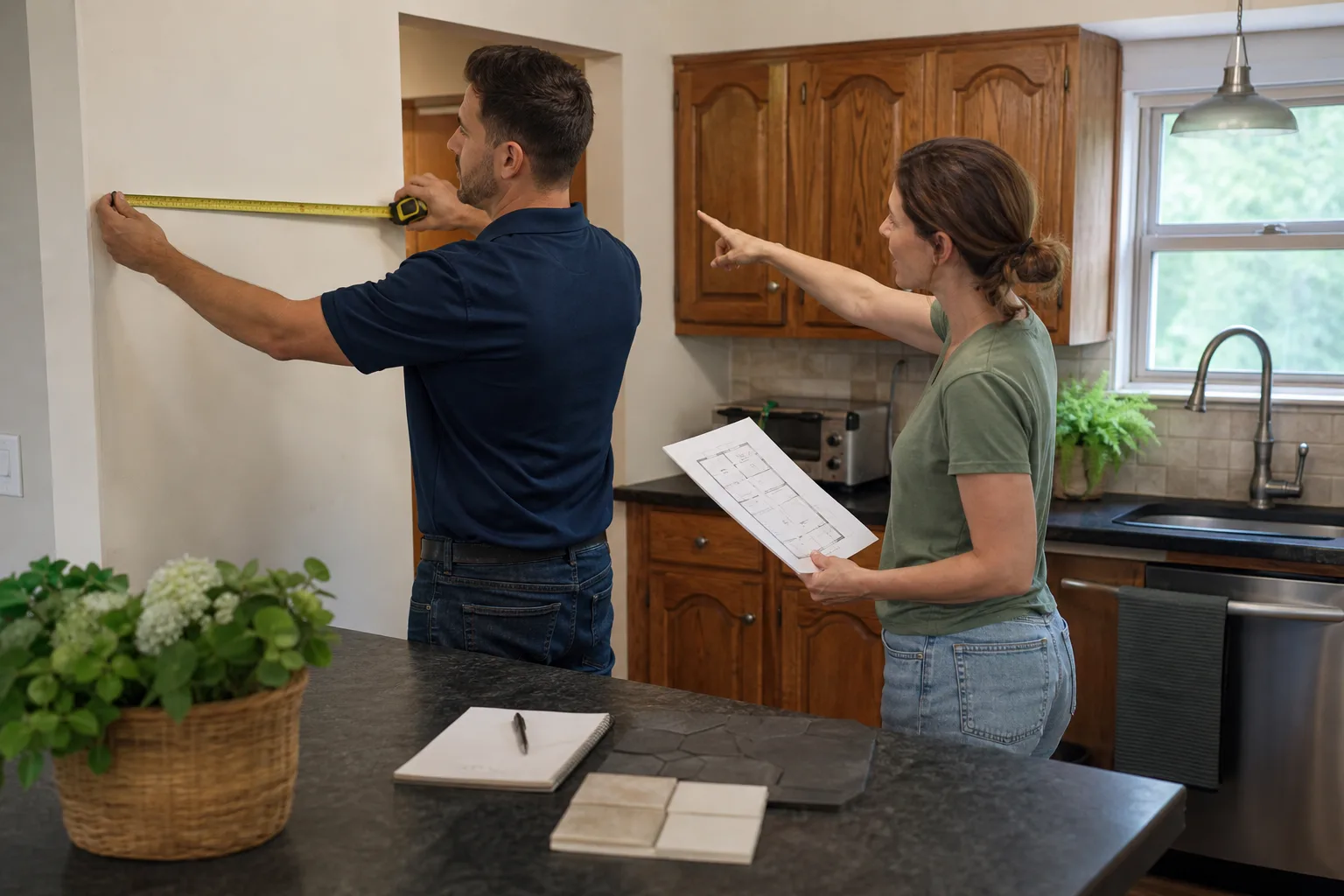
The most common source of Grand Prairie construction disputes isn’t bad work. It’s work nobody defined. Verbal agreements, ballpark bids, and “we’ll figure it out on site” are how a job drifts from what you pictured into a surprise invoice. A written scope fixes that before anyone starts.
Here’s what a real written scope contains, and what to check for in any Grand Prairie contract you’re handed:
- A line-item price with dollar ranges. Not “call for a quote.” A real number for each phase, in writing, before work begins.
- Specific materials by brand. “Premium cabinets” means nothing; a documented brand does. Our own projects use names like KraftMaid and Wellborn cabinetry, Cambria and Caesarstone surfaces, and Kohler and Moen fixtures, so the specification is traceable and quality isn’t left to guesswork.
- Clear inclusions and exclusions. What’s covered (and what isn’t) written out, so scope doesn’t quietly expand on site.
- A guarantee term. Every completed project we finish carries the 365-Day Done Right Promise: a full-year written guarantee, and if the work fails inside that window, we come back and correct it at no charge.
- Payment schedule tied to milestones. Payments should track completed, inspected work, not just a start date.
- Who’s on the job. Background-checked, uniformed technicians, so you know exactly who’s walking through your door.
If a bid is verbal or has numbers that move at the door, you don’t have a scope. You have a hope. Ask for the written version. A disciplined contractor will hand it to you without being asked twice.
Permits, Inspections, and Contractor Requirements
Permits are the part of a project homeowners most want to skip and least should. In Grand Prairie, pulling the right permit protects your resale, keeps your insurance valid, and forces the inspections that catch problems while they’re still cheap to fix.
A straightforward sequence for a permitted Grand Prairie remodel:
- Confirm your address’s county jurisdiction and route the application to the correct Development Services office.
- Submit plans and material specs for plan review; address any comments and resubmit if needed.
- Pull the permit and begin work; schedule inspections in stages (rough-in, framing, final).
- Pass inspections, close the permit, and collect your signed guarantee and documentation at the final walkthrough.
On the contractor side, the local professional performing your work is licensed and insured as the state requires, and carries the registration a project needs for both counties. Before you hire, ask to see proof of licensing and insurance in writing. Any legitimate pro will hand it over without resistance. One who won’t is telling you something.
Grand Prairie Neighborhoods and What Each One Asks of You
Grand Prairie spans a lot of ground, and the neighborhood you’re in shapes the project in practical ways. Older established blocks often carry the tightest drainage and foundation considerations because the Blackland clay has had more seasons to move; newer sections may run closer to the county line, which is exactly where the permit-routing question tends to surface. Homes near the eastern side lean toward Dallas County review; homes toward the west are likelier to hit Tarrant County. Confirm your address either way.
Two things hold true across the city. First, driveways, drainage, and right-of-way work run through Public Works no matter where you are, so any project touching the street edge needs that department in the plan. Second, the local material palette and the way homes are built here mean exterior decisions should account for our seasonal clay movement and our summer heat. Roofing choices matter; we install documented roofing systems like GAF, CertainTeed, and Owens Corning because those manufacturer specs and warranties back the work we do. For the full scope of what a general contractor handles across these neighborhoods, our guide to the General Contractor in Grand Prairie breaks down the trades involved. If you’re planning a kitchen, start with our Kitchen Remodeling in Grand Prairie page; if a bath is the priority, see Bathroom Remodeling in Grand Prairie. And to see how we run jobs across the city, our Bradford Remodeling Co Grand Prairie home page lays out our approach.
Common Mistakes to Avoid
- Not confirming your county. Two Grand Prairie homes a block apart can face different permit offices. Check your address’s jurisdiction before anything else, or your project may sit in the wrong review queue.
- Accepting a verbal bid. A number that isn’t written down is a number that moves. Insist on a written, line-item scope before work starts.
- Ignoring Blackland clay. Skipping a real drainage and foundation plan on Grand Prairie soil is how foundations crack years down the road. Build it into the plan from day one.
- Assuming a fast permit. Plan review takes time, and the county split can add to it. A schedule that ignores this will disappoint you. Budget realistic time.
- Hiring an uninsured crew. A pro who won’t show proof of license and insurance in writing puts your project and your resale at risk. Ask, and don’t waive the question.
- Choosing on price alone. The lowest bid often hides undefined scope and materials that fail early. Compare written scopes, brand specifications, and guarantee terms, not just the bottom line.
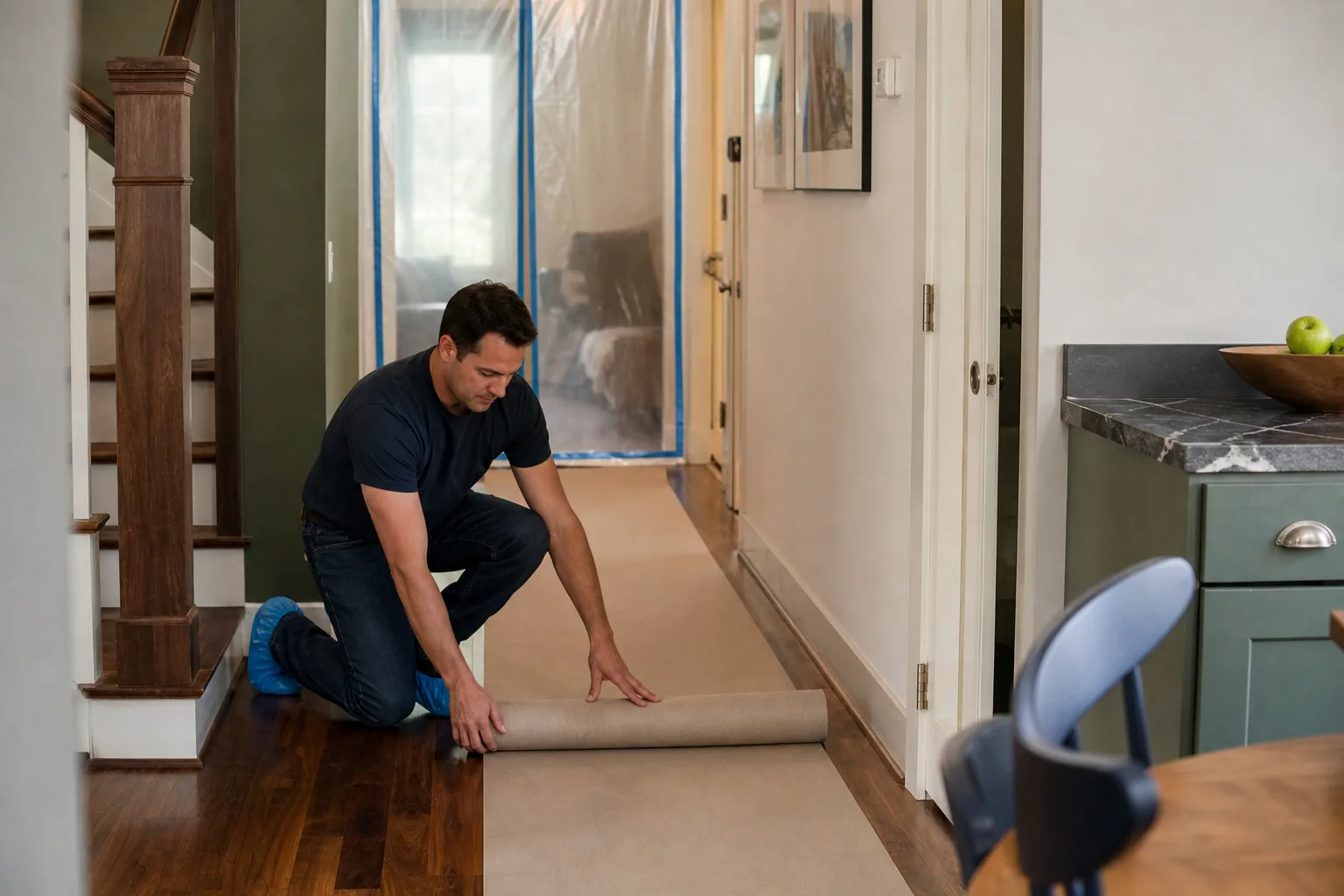
- Forgetting the close-out. A clean site, full documentation, and a signed guarantee in your hand are part of a finished job. If a crew leaves without them, the job isn’t squared away.
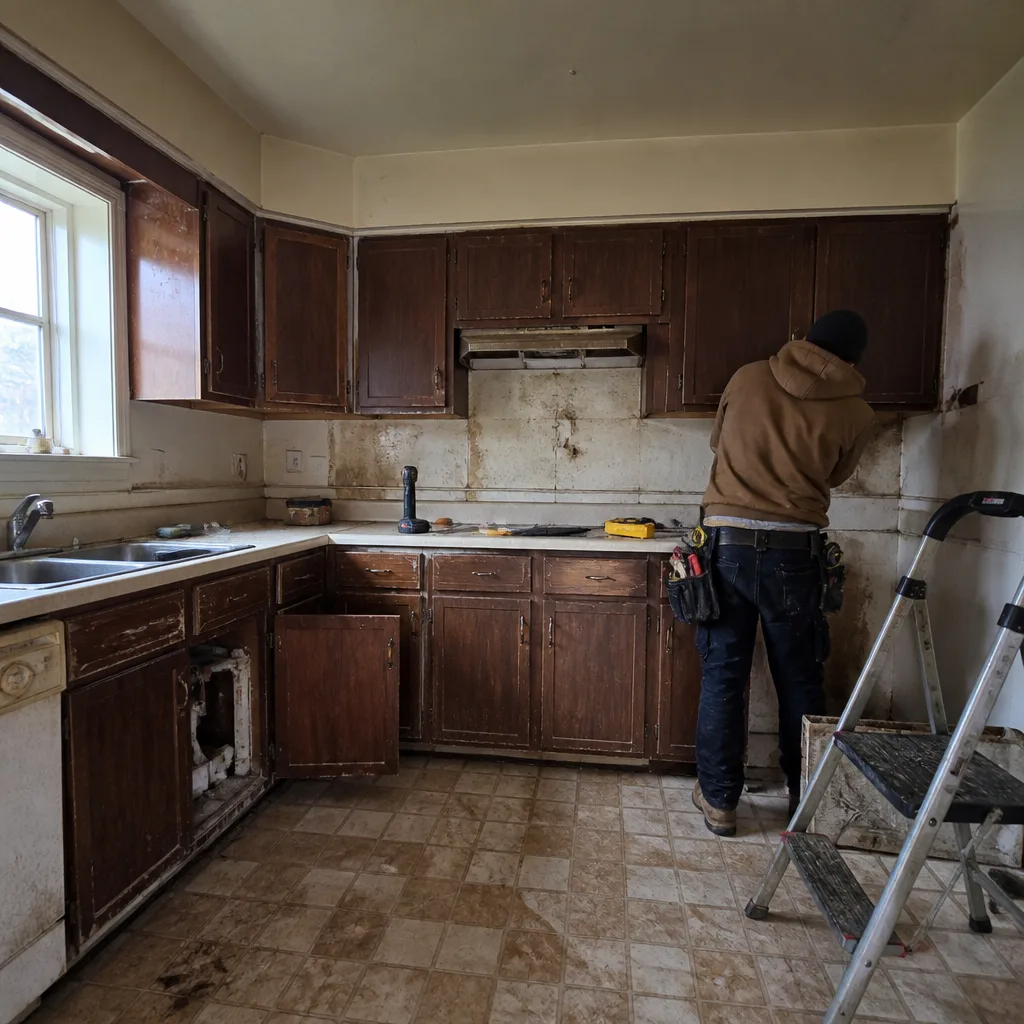
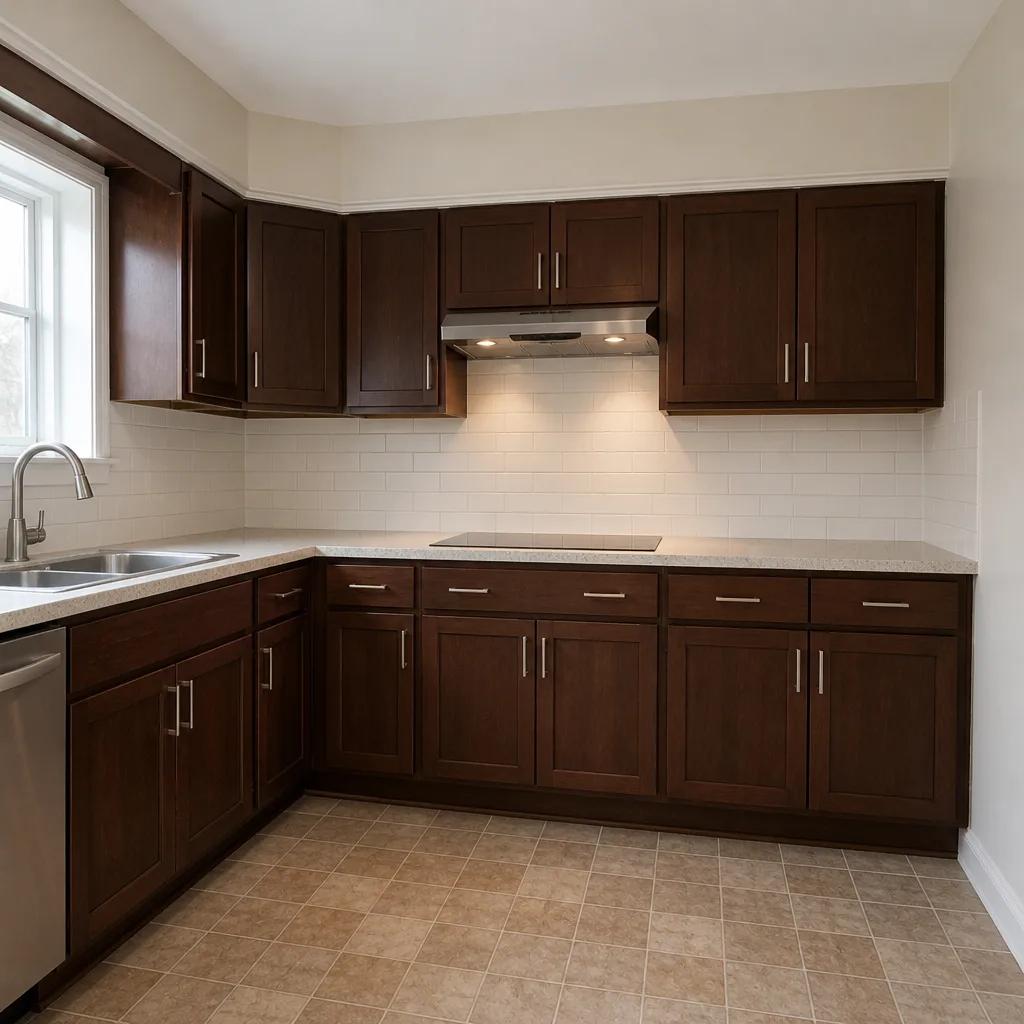
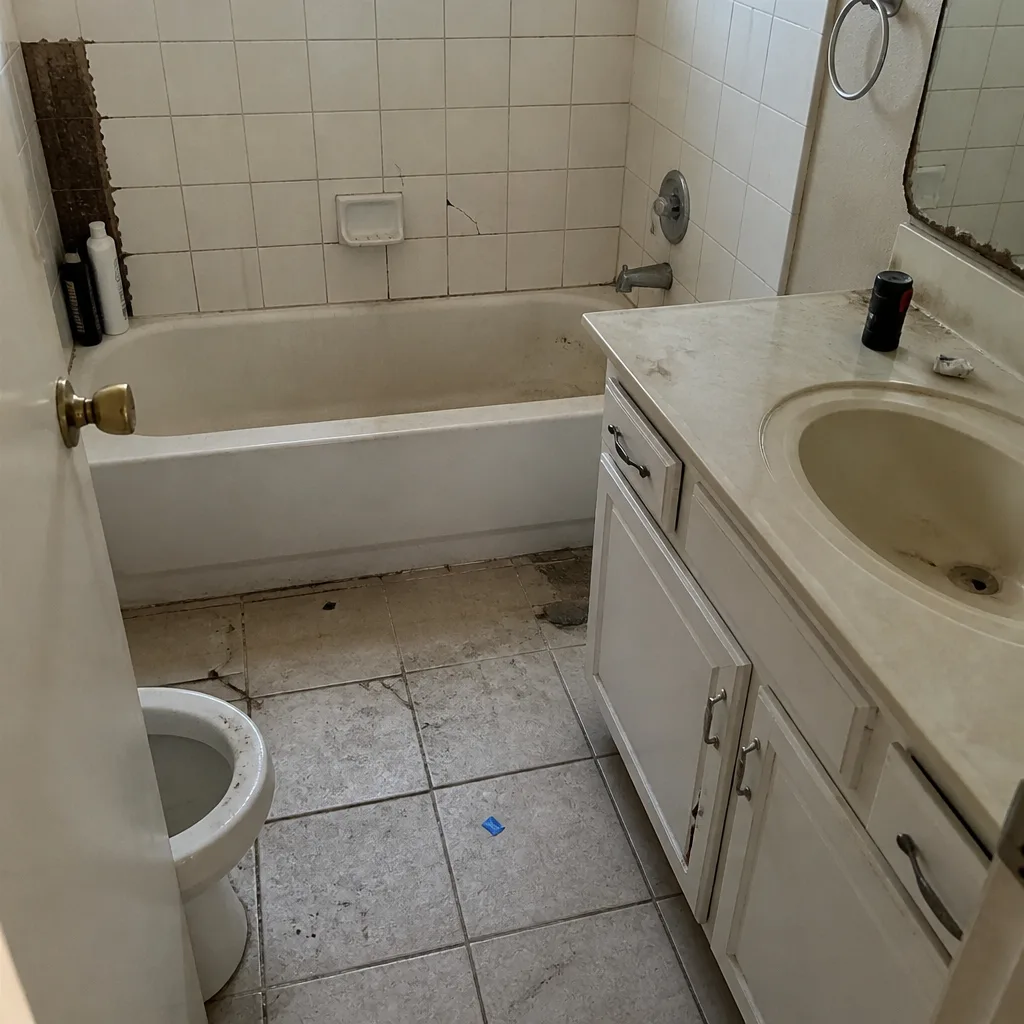
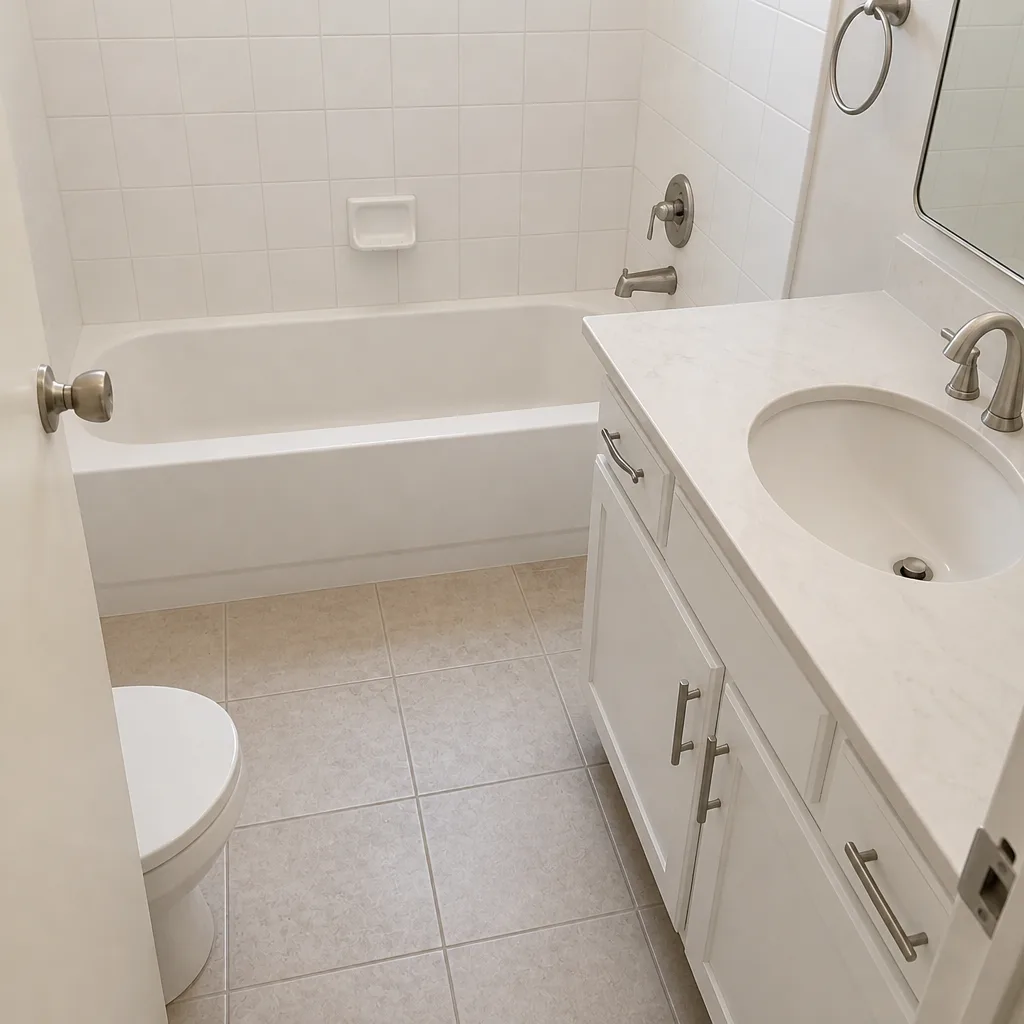
See the difference
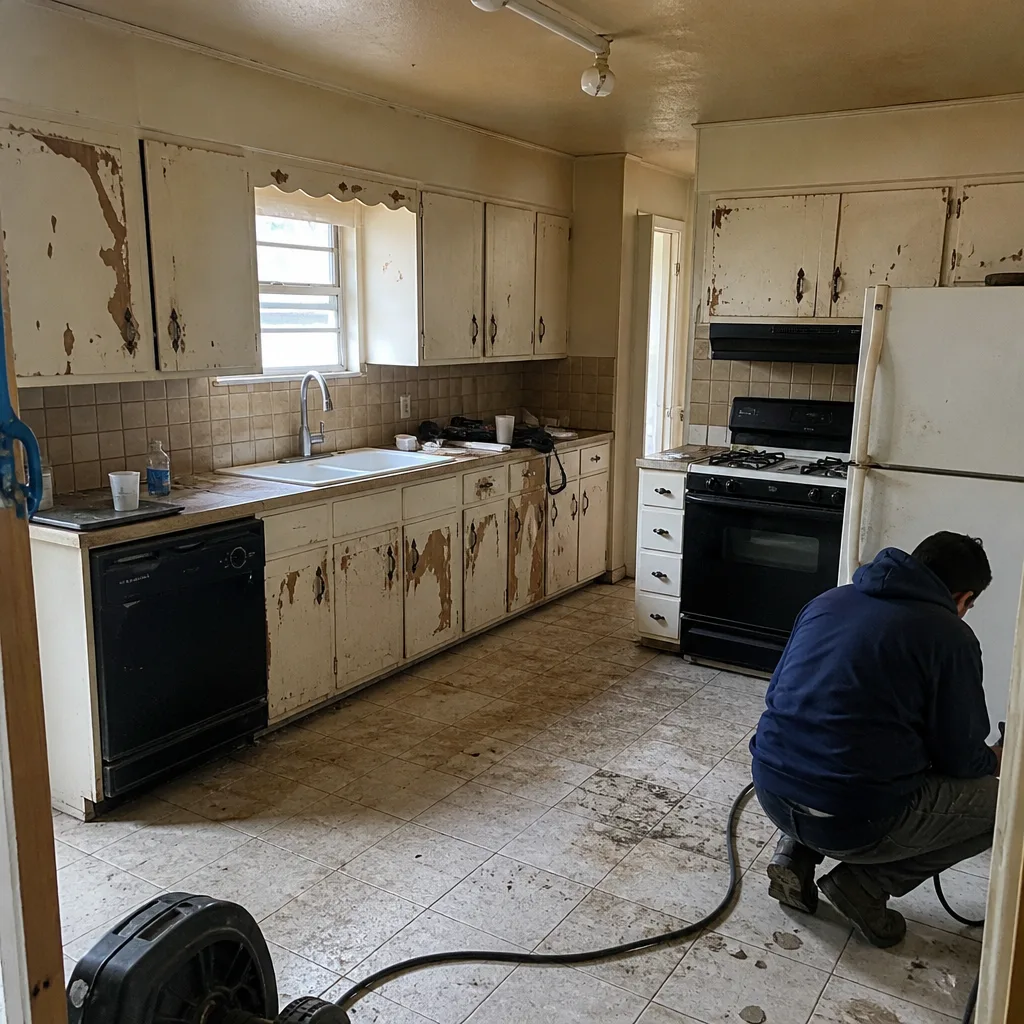 Before
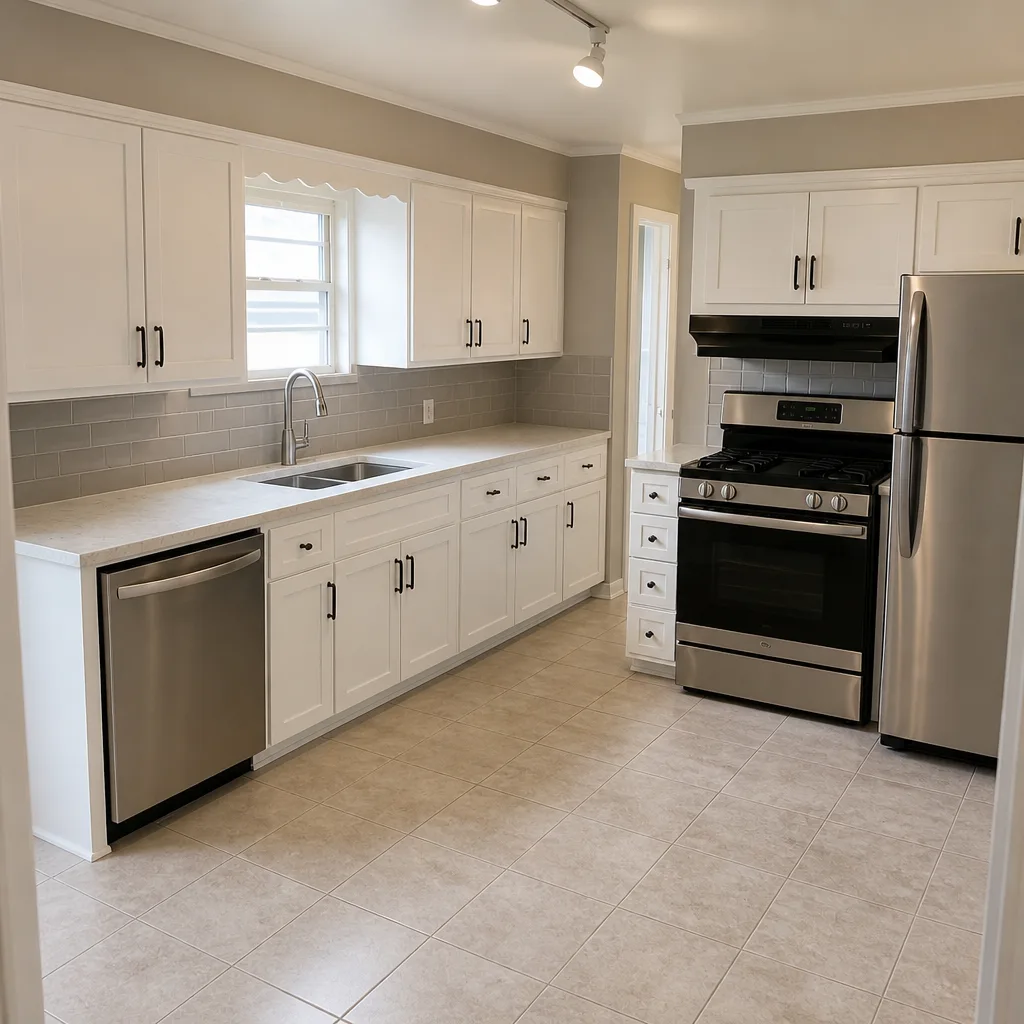 After
 Before
 After
 Before
 After
When to Call a Professional
Some Grand Prairie projects are within reach of a careful homeowner. Others aren’t, and pushing past the line costs more than hiring right. Call a professional when your work touches anything structural, when it moves plumbing or electrical rough-in behind walls, when a permit is required, or when the scope involves foundation, drainage, or roofing tied to Blackland clay. Call when the job spans multiple trades and needs coordination, or when you’ve been burned before and want a written price and a guarantee before tools come out. Bradford Remodeling Co Grand Prairie offers free estimates in Grand Prairie. Call (888) 255-7593 to schedule yours.
Frequently Asked Questions
Grand Prairie sits in both Dallas County and Tarrant County, and which one covers your address matters for permit routing, inspection scheduling, and some contractor registration requirements. Confirm your jurisdiction through Development Services before you quote the job. Call (888) 255-7593 for a free estimate that starts with the right county check.
A Grand Prairie remodel typically runs from several weeks to several months, split across design, permit, build, and inspection phases. The permit phase is often the longest stretch neither you nor the contractor fully controls, so build in realistic review time. Call (888) 255-7593 to get a written schedule for your specific project.
Yes, most Grand Prairie remodels that touch structure, electrical, plumbing, or the building envelope require a permit through Development Services. Pulling it protects your resale and keeps insurance valid. Call (888) 255-7593 for a free estimate that includes the permit path for your project.
Grand Prairie’s Blackland Prairie clay swells when wet and shrinks when dry, which stresses foundations and makes drainage a structural issue rather than an afterthought. Any foundation or addition plan here needs a drainage detail built in. Call (888) 255-7593 for a free estimate that accounts for local soil.
Every completed project we finish carries a full-year written guarantee: if the work fails inside that window, we come back and correct it at no charge. It’s in writing before work begins, not an afterthought. Call (888) 255-7593 to schedule a free estimate and see the terms.
No. We put a written, line-item price in front of you before any work starts, with no numbers that move at the door. That’s the whole point of a written scope. Call (888) 255-7593 for a free estimate with the price in writing.
The Bottom Line
Construction in Grand Prairie is shaped by two things most guides ignore: the Dallas-Tarrant County split that routes your permits and inspections, and the Blackland Prairie clay that dictates how foundations and drainage get built. Get the county right, budget real time for plan review, build drainage into the plan, and insist on a written scope and a written guarantee before tools come out. That’s how a Grand Prairie project stays squared away from first estimate to final walkthrough. Bradford Remodeling Co Grand Prairie offers free estimates across the city. Call (888) 255-7593 to schedule yours.
Written by the team at Bradford Remodeling Co Grand Prairie.