Last updated November 18, 2026






Free written scope consultation - allowances, timeline, and change-order rules on paper before a single trade is scheduled
The Complete Home Remodeling Guide for Grand Prairie Homeowners
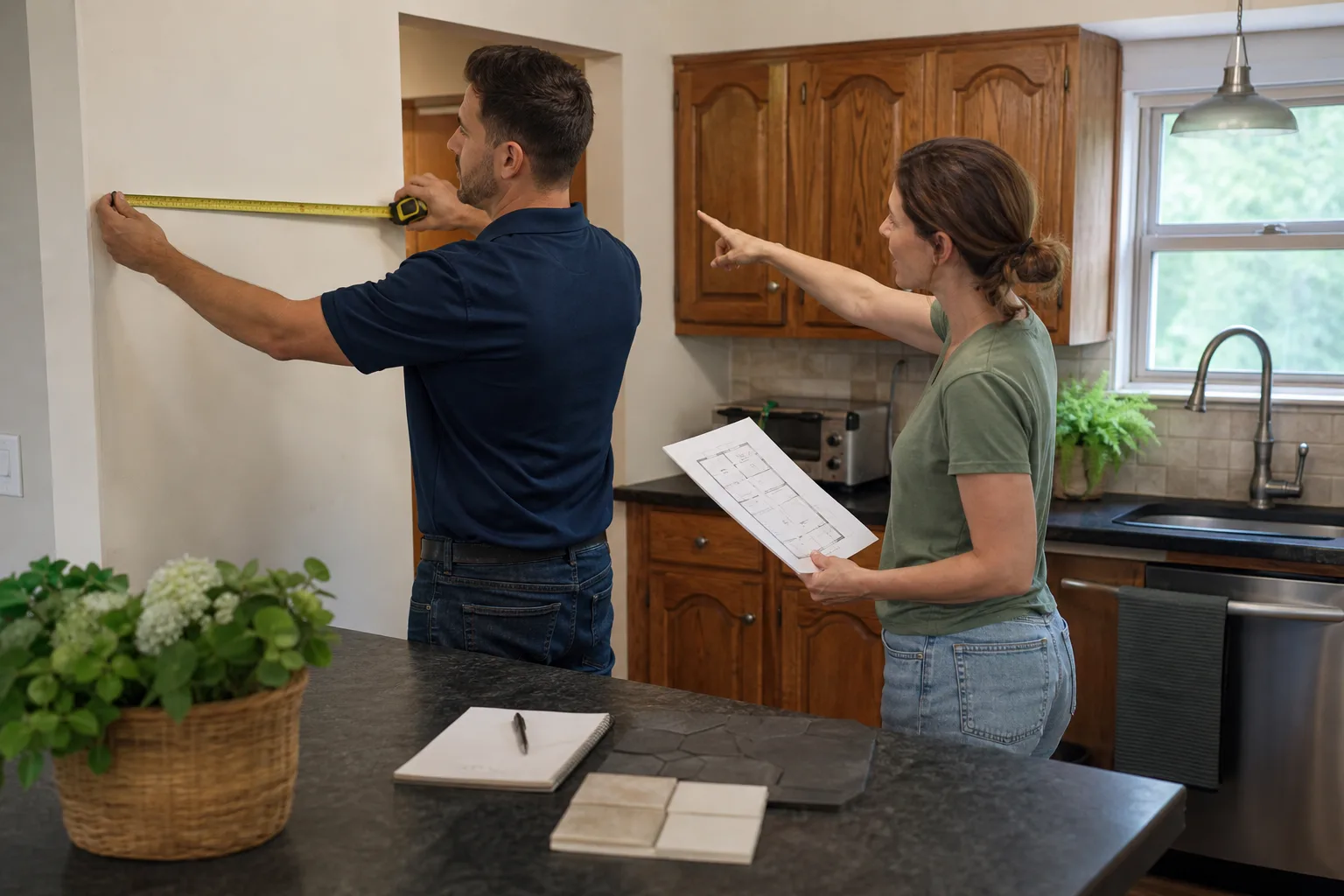
Here’s the number that catches people off guard: in a whole-home remodel, the single biggest line item on the final invoice is rarely a cabinet package or a slab of Cambria. It’s the cost of trades standing around waiting on each other. The most expensive mistake isn’t one bad decision. It’s signing five separate contracts with nobody holding the calendar for all five. When the electrician finishes rough-in before the plumber has moved a drain, somebody pays to open that wall twice. That somebody is you. This guide is a sequencing manual for Grand Prairie homeowners – who pulls which permit, when materials need to hit the driveway, how to phase payments so no dollar gets ahead of the work, and whether you can live in the house while it happens.
Quick Answer
Whole-home remodeling in Grand Prairie works cleanly when one general contractor owns the master schedule and every trade is sequenced against it, with written milestone payments, permits on file before demolition, and long-lead materials ordered weeks ahead of their phase. The homeowner who hands five contracts to five separate trades and tries to coordinate them personally usually ends up paying twice for rework and idle crews. Get the price and the schedule in writing first, and the rest of the project becomes an exercise in following the plan.
Styles & brands we work with
- Kitchen remodeling
- Bathroom remodeling
- Home additions & ADU
- Roofing
- Windows & doors
- Driveway & pavers
- Fence
Table of Contents
- General contractor vs. homeowner-as-GC
- What uncoordinated trades actually cost
- The Grand Prairie permit picture for multi-scope projects
- Material procurement and the long-lead problem
- Structuring payments to protect your money
- Occupancy planning: stay or move out?
- Building the master schedule
- Common mistakes to avoid
General Contractor vs. Homeowner-as-GC: The Core Decision
A general contractor is the person who owns the sequence. They hold the schedule, call the trades in the right order, inspect the work between phases, and answer when a wall opens up and something unexpected is behind it. When you act as your own GC, you take on that job personally. Some homeowners are built for it. Most aren’t, and the ones who try it without trade experience usually learn the hard way why it’s a full-time role.
Here’s the practical difference. A GC running a kitchen and bath gut in Grand Prairie is coordinating a demo crew, a plumber for the rough-in, an electrician for the new circuit layout, a drywall hanger, a tile setter, a cabinet installer, and a countertop fabricator – and lining each one up so the next arrives the day the last finishes. That’s a job of its own. When we run that schedule for a homeowner, we do it across multiple rooms at once, and the sequencing rules don’t change just because there are more rooms in play.
- You as GC: you call every trade, you hold the schedule, you inspect between phases, you handle rework, you eat the cost of idle time and mistakes.
- GC as GC: one point of accountability, one written schedule, one party responsible when a trade doesn’t show or a phase runs long.
- Cost of doing it yourself: usually shows up as a lower line-item bid but a higher final invoice once rework and delays land.
If you’re weighing a smaller-scope version of this decision on one room, our general contractor page for Grand Prairie lays out how we run scoped projects from first walk-through to final inspection. The sequencing logic is the same.
What Uncoordinated Trades Actually Cost
The bill from poor coordination is rarely a single big number. It’s a series of small ones that all land on the homeowner at the end. Plumbers and electricians who arrive on the same day in the same small bath fight for wall space. Drywall gets hung before the inspection sticker is on the wall, then has to come down. Cabinet boxes show up before the tile setter is done, and they sit in the garage absorbing the June heat while the homeowner pays storage and delay fees to the cabinet shop.
In our experience running multi-trade projects around Grand Prairie, the three most common cost blocks are:
- Rework. A trade finishes, the next trade needs it redone. Drywall cut open twice for a missed drain line is a real line item, and it lands on whoever holds the contract.
- Idle time. A crew shows up, can’t start, bills a half-day minimum, and leaves. Three of those in a month and you’ve paid for a full day of nothing.
- Inspection failures. If the rough-in isn’t done when the inspector arrives, the project loses a week minimum to the reschedule. Multiply that across MEP and you’ve lost a month of schedule to administrative rebooking.
The pattern we see most is that the homeowner who hires five trades separately saves 5 to 10 percent on individual bids and loses 15 to 25 percent to rework and idle time. The math almost never favors going it alone unless you genuinely have the time and the trade experience to run the calendar.
The Grand Prairie Permit Picture for Multi-Scope Projects
Grand Prairie sits in three counties – Dallas, Tarrant, and Ellis – and permitting depends on which part of the city your home is in. Multi-scope remodels almost always need more than one permit. The key distinction that trips people up is between a single combined permit and separate trade permits for mechanical, electrical, and plumbing (MEP).
In practical terms, the split usually runs like this:
- Structural and framing: separate permit, inspection required before drywall closes the wall.
- Electrical: separate permit if you’re adding circuits, moving the panel, or rewiring. Cosmetic swaps like-for-like sometimes don’t need one, but check before assuming.
- Plumbing: separate permit if you’re moving supply or drain lines, adding a fixture, or relocating a rough-in.
- Mechanical (HVAC): separate permit for duct changes, equipment swaps, or venting changes.
- Finish work (cabinet install, tile, paint, trim): usually covered under the primary remodel permit, not a separate one.
Here’s the part homeowners get wrong. When you hold five separate contracts with five trades, each trade pulls their own permit, and the inspections don’t align to a single calendar. Rough-in inspections can’t pass until each trade has finished its slice. That’s how projects hit a dead week in the middle while everyone waits on one inspection. When one GC runs the project, the permit pulls are sequenced to the schedule, not the other way around. Our crews have been through the Grand Prairie inspection process on kitchens, baths, and full-home remodels often enough to know which inspections the city wants to see separately and which can be combined under the primary permit.
The other Grand Prairie factor worth knowing: the area’s expansive clay soils move seasonally, and slab or foundation work on an older home sometimes surfaces during demo. If your project includes a room addition or a load-bearing wall change, keep a contingency in the schedule for a foundation inspection and any required engineering – it’s rarely the phase that gets planned for and it’s often the one that stalls everything behind it.
Material Procurement and the Long-Lead Problem
This is where the schedule gets real. Cabinets, windows, and specialty tile are ordered weeks before they’re installed, and the installation can’t move forward until they arrive. If you sign the cabinet contract in week two of a twelve-week project and the cabinets are quoted at eight weeks, you’ve already built in a delay if your install phase falls before week ten.
The long-lead categories that commonly drive the master schedule:
- Custom cabinetry: KraftMaid and Wellborn both run weeks from order to delivery depending on finish and door style. Frameless vs. framed, finish options, and specialty pulls all add time.
- Windows and doors: Therma-Tru and similar exterior doors are usually shorter-lead, but custom sizes and non-standard finishes stretch. Windows can run long, especially for archived profiles.
- Specialty tile: hand-made, imported, or large-format tile can carry 6 to 10 week leads. Order early and confirm the delivery window in writing.
- Stone surfaces: Cambria and Caesarstone slabs are usually in-stock at the slab yard, but templating happens after cabinets are set, which means the countertop install is always weeks after cabinet install, not the same week.
- Fixtures: Kohler, Moen, Delta, Toto, and American Standard items are usually in stock or short-lead, but tile-in shower drains (Schluter systems, for example) should be specified early to avoid a re-fit.
The master schedule has to be built backward from the install phase, not forward from the contract date. That’s the fundamental planning inversion that separates a smooth project from a stalled one. We have seen projects lose two full weeks because the tile selected was backordered and nobody checked until the setter showed up. The pre-purchase audit is worth the hour it takes.
Structuring Payments to Protect Your Money
Milestone payments protect the homeowner in one direction – payment only moves when work moves. But when you have five separate contracts with five separate payment schedules, the overlap is where people get in trouble. You can easily end up with the electrical invoice due before the drywall invoice is even out, and the plumbing draw demanding payment for rough-in that isn’t finished. It’s not fraud, it’s just that nobody is coordinating the draws against the calendar.
Milestone-based payment structure we use:
- Deposit at contract signing – covers material order placement, not labor. Typically 10 to 25 percent depending on material value.
- Rough-in milestone – demo done, MEP roughed, inspection passed, drywall hung. Second draw.
- Set milestone – cabinets set, tile complete, stone templated, floor installed. Third draw.
- Finish milestone – fixtures, trim, paint, punch list cleared. Final draw.
Every draw is tied to a documented, inspected phase. That’s the protection. The homeowner never has money out on work not yet inspected, and the contractor never has to front the labor on a phase the homeowner hasn’t signed off. It’s the same reason we put a written price on the project before any work starts: it removes the ambiguity that causes disputes later.
The single most common payment mistake is progress billing ahead of progress. When a single-trade contractor asks for a draw before the corresponding work is done, that’s a red flag. When five contractors are each drawing ahead, that’s five small red flags in one project. One written schedule with drawn milestones eliminates the problem in one move. For a kitchen-specific example of this structure, our kitchen remodeling page for Grand Prairie walks through the milestone sequence for a typical kitchen.
Occupancy Planning: Stay or Move Out?
Whole-home rehabs in Grand Prairie tend to be phased by floor, by wing, or by scope. Which approach you take determines whether you stay in the house or move out. In our experience, most homeowners can stay in the home through a phased remodel if the schedule is built correctly. But not all scopes phase equally.
- Scopes that usually allow staying: kitchen if a temporary alternative is set up, single bathroom if a second bath is intact, exterior work, paint and trim, one-floor-at-a-time interior phases.
- Scopes that require relocation: full kitchen and adjacent bath tear-out at the same time, full mechanical (HVAC) replacement, full electrical panel replacement, gut-level whole-home remodels where dust and utility shutdowns overlap.
- Gray-zone scopes: water heater and furnace replacements (usually 1-day shutoffs, stay is fine); bathroom tile work if a shower is out of commission for 3 to 5 days.
The phased approach that works: split the project into a west wing and east wing (or main floor vs. bedroom wing), run the master bath and one bedroom on the phased schedule while the kitchen and living area stay functional, then flip. That’s a two-phase project with a clear mid-project crossover. The math only works if the master schedule confirms both phases hit their material milestones independently – which is why a single contractor holding the schedule matters. When two crews are running different phases with no coordination, you get crossover chaos in the middle of the project instead of the clean handoff you planned for.
For a bathroom-specific look at how phased sequencing plays out on a smaller scope, see our bathroom remodeling page for Grand Prairie.
Building the Master Schedule
The master schedule is the single document that most determines whether a whole-home remodel finishes on time. It lists each phase, its duration, its predecessors, its inspection requirement, and its material order date. If any of those are missing, the phase will slip. There are three rules we run our schedules by:
- Every phase has a predecessor. Cabinets don’t set until drywall is painted. Drywall doesn’t hang until rough-in passes inspection. Rough-in doesn’t start until demo clears the wall. Walk any phase backward to the first one and it either links cleanly or reveals a gap.
- Every long-lead item has an order date and an arrival date. Windows, cabinets, specialty tile, and stone slabs all have their own lead time. The order date is derived from the install date, not picked at random.
- Every inspection has a buffer. Inspection reschedules eat a week minimum. A fifty-day schedule without buffer for two inspections is a sixty-five-day schedule hiding in plain sight.
The trades most likely to become bottlenecks in a multi-trade project: the plumber, then the electrician, then the drywall hanger. Each one has to finish before the next can start, and each can hold up the whole sequence if they run long. Sequencing around worst-case duration on those three trades is the move. Everything after the drywall depends on the rough-in being inspected and signed off, so any slippage there ripples through to the end.
Grand Prairie-specific schedule reality: summer ac units and duct work are being touched in more projects here than in colder markets because the HVAC is running hard through the hotter months and often gets replaced in the same scope. Plan the mechanical phase to land outside the warmest stretch if you can, or plan a temporary cooling solution, because a two-day HVAC shutdown in August is not a small inconvenience in a home with occupants.
Common Mistakes to Avoid
- Signing five separate contracts with no owner of the schedule. The trades won’t coordinate on their own. Someone has to hold the calendar, and it needs to be one party, not five.
- Ordering cabinets after signing the contract, not before. Long-lead materials drive the install date, not the other way around. The order happens before demo if the schedule is real.
- Drawing against progress that hasn’t been inspected. Milestone payments only protect you if they’re tied to documented, inspected phases. Otherwise the milestone is decoration.
- Assuming all permits can be combined. Grand Prairie splits MEP permits from the primary remodel permit in most cases, and the inspections don’t line up automatically. Confirm the permit structure before demolition.
- Forgetting the foundation. Expansive clay soils in Grand Prairie move seasonally. If you’re opening a load-bearing wall or adding a room, put engineering time and foundation inspection into the contingency line.
- Underestimating occupancy overlap. If you plan to live in the house during a full kitchen and adjacent bath reno at the same time, plan the temp kitchen and relocation of one bathroom function in writing before demo starts.
- Choosing the lowest bid without checking the schedule assumption. Bids that don’t include idle-time, contingency, and inspection buffer are not comparable to bids that do. Compare the full schedule, not the line-item total.
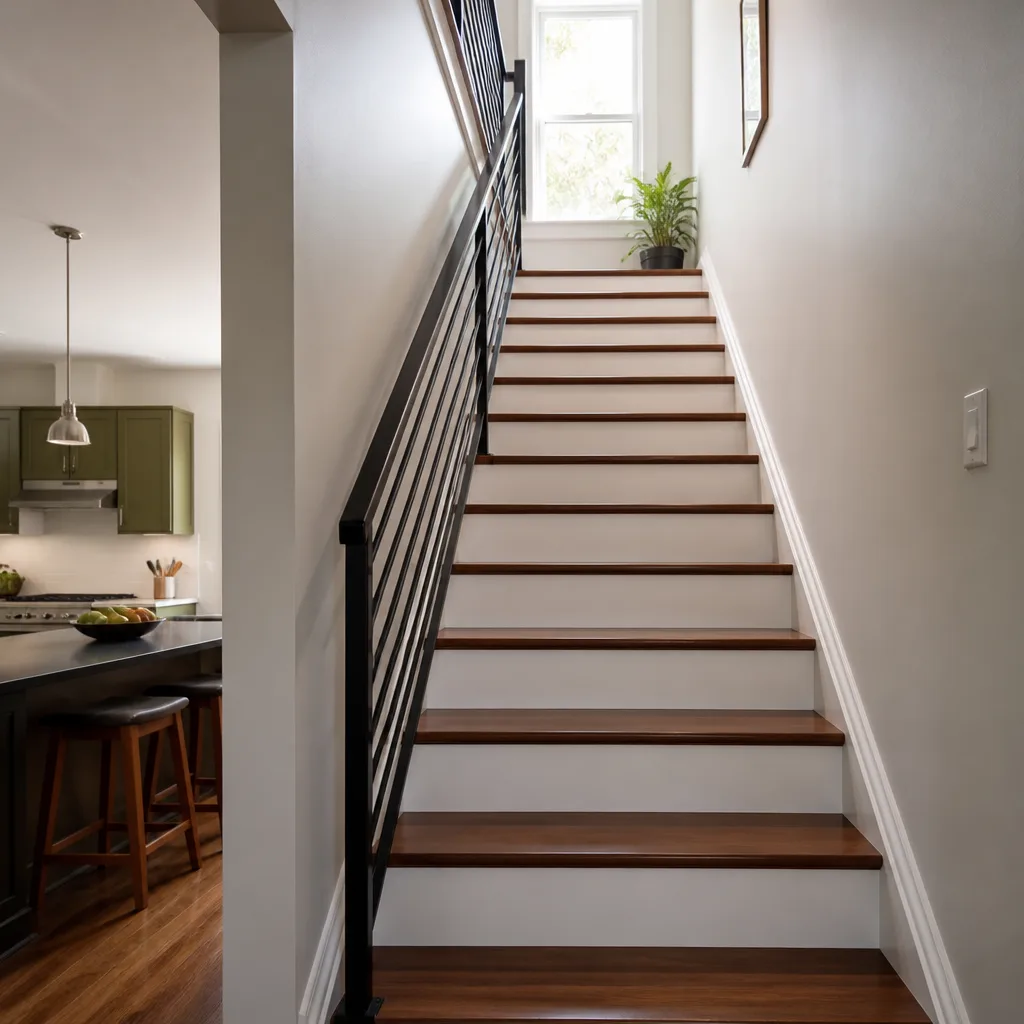
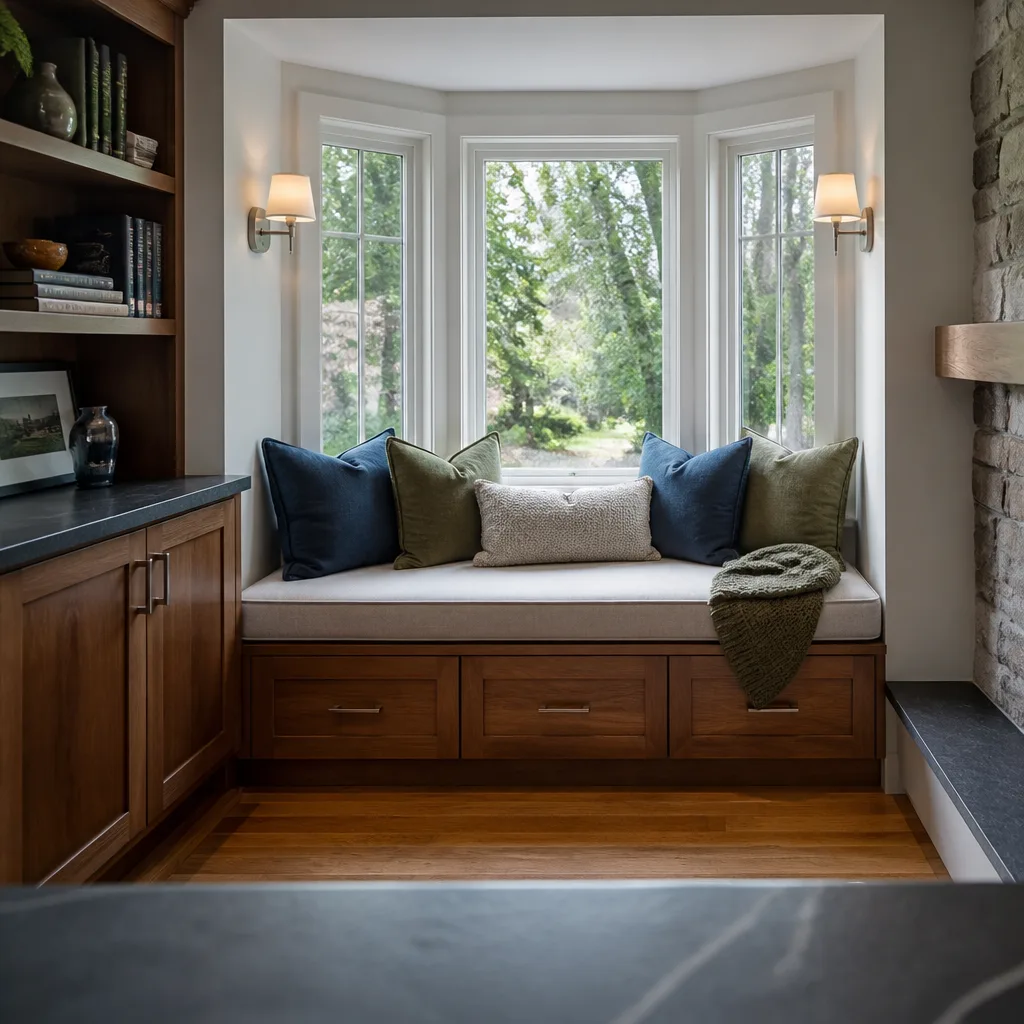
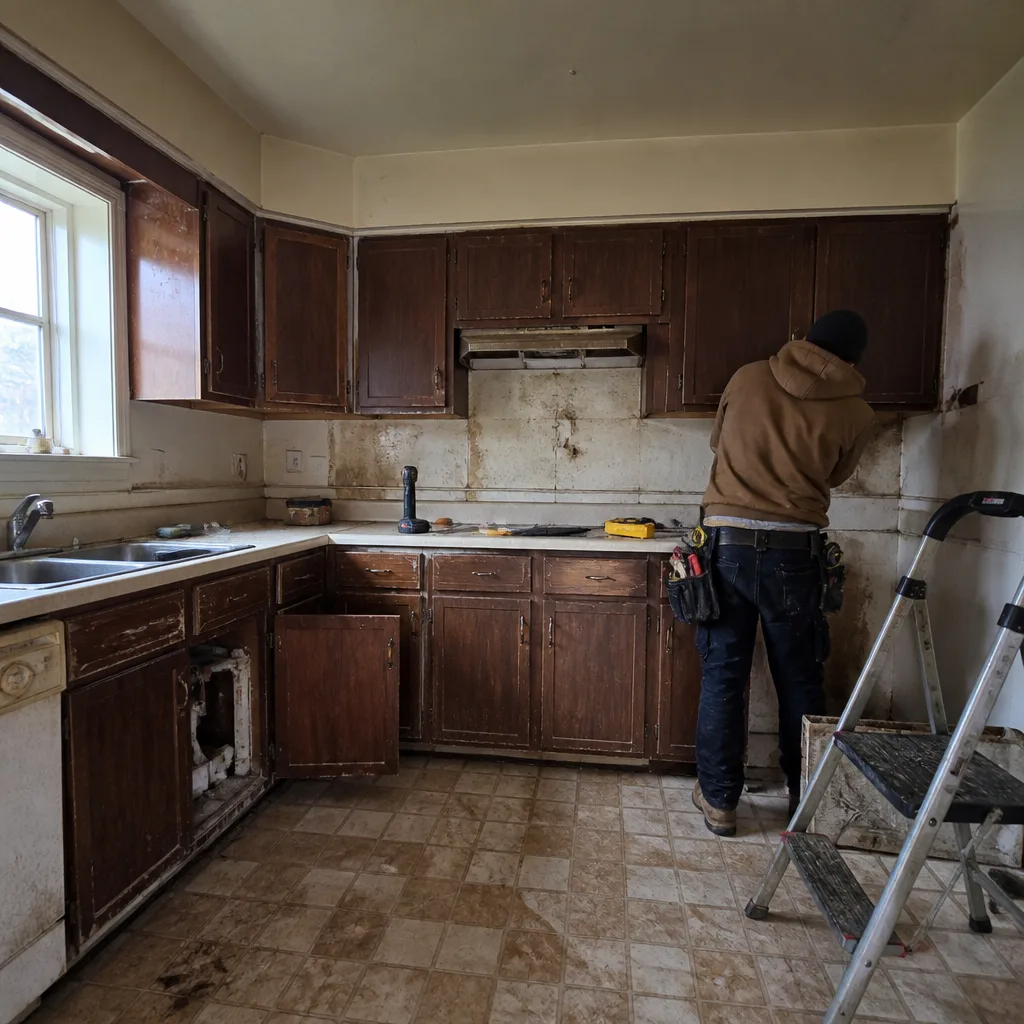
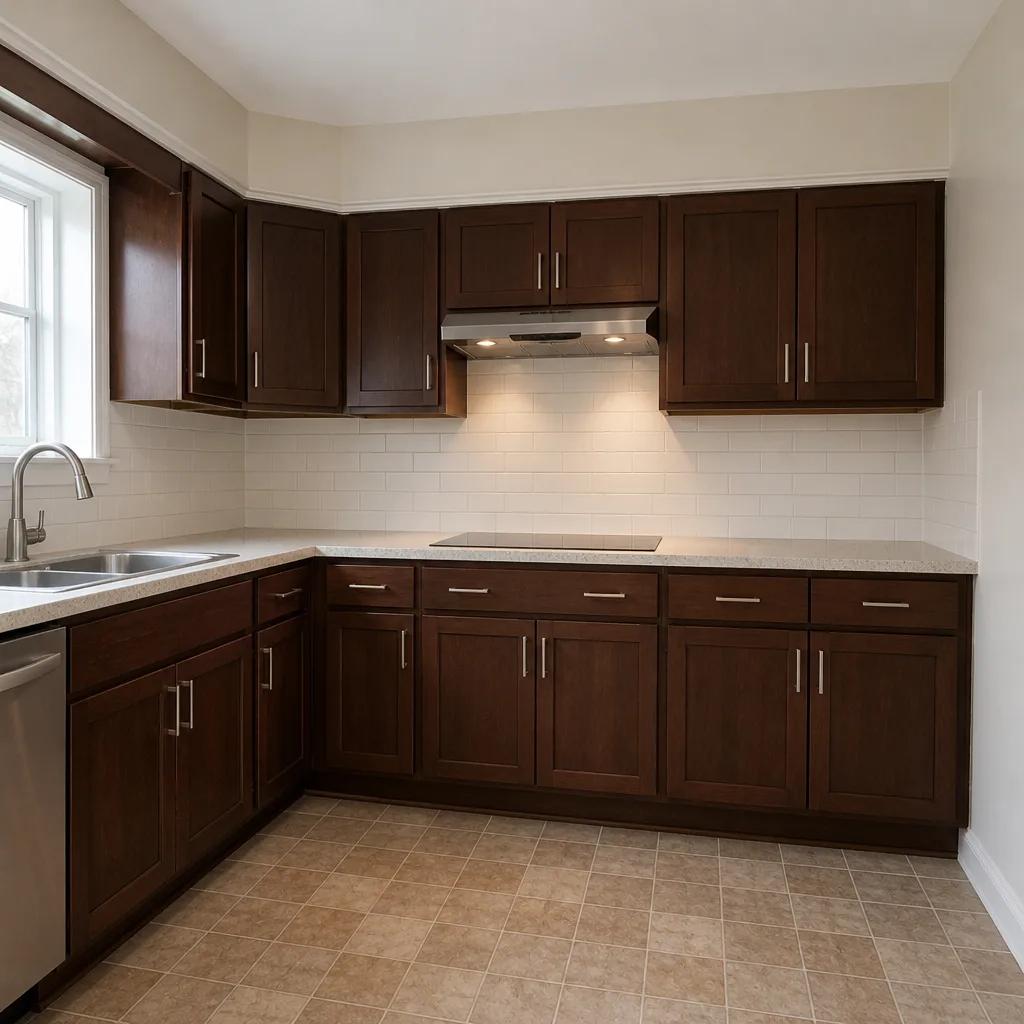
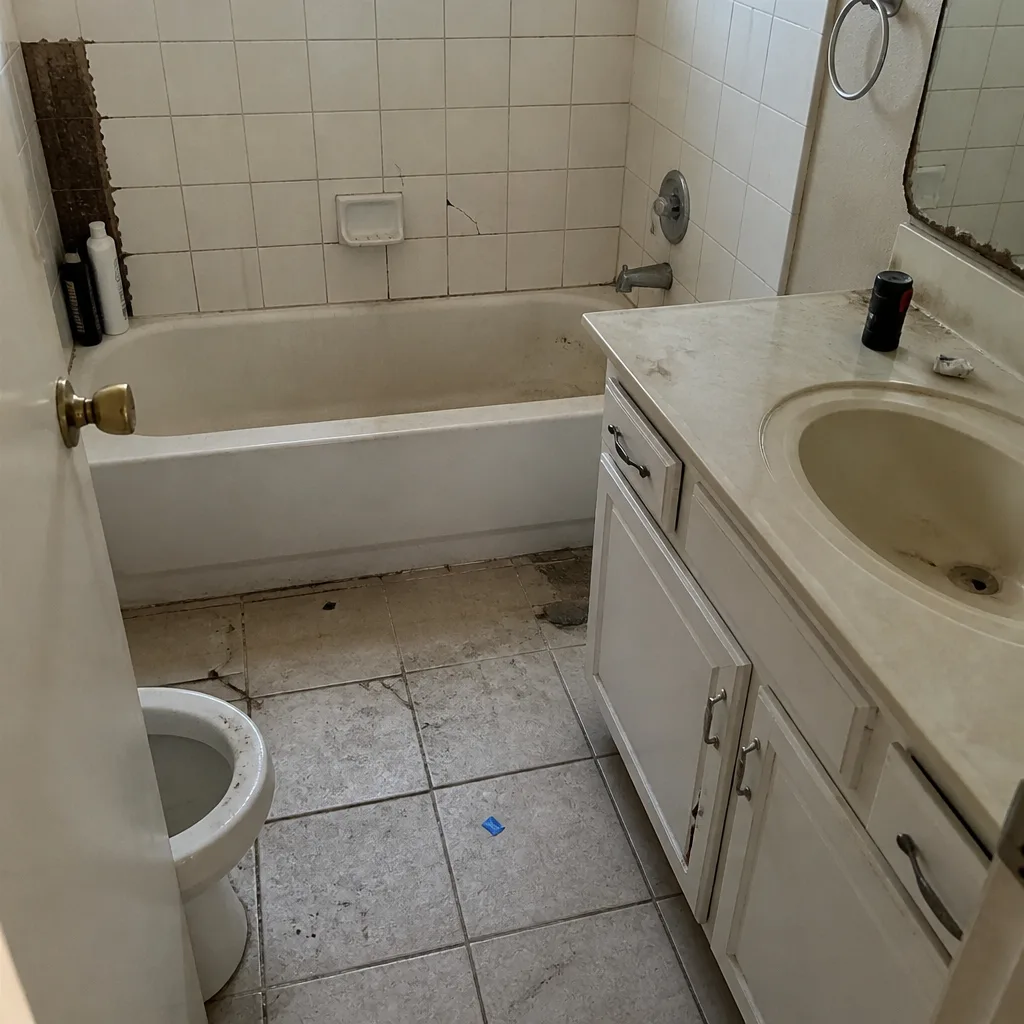
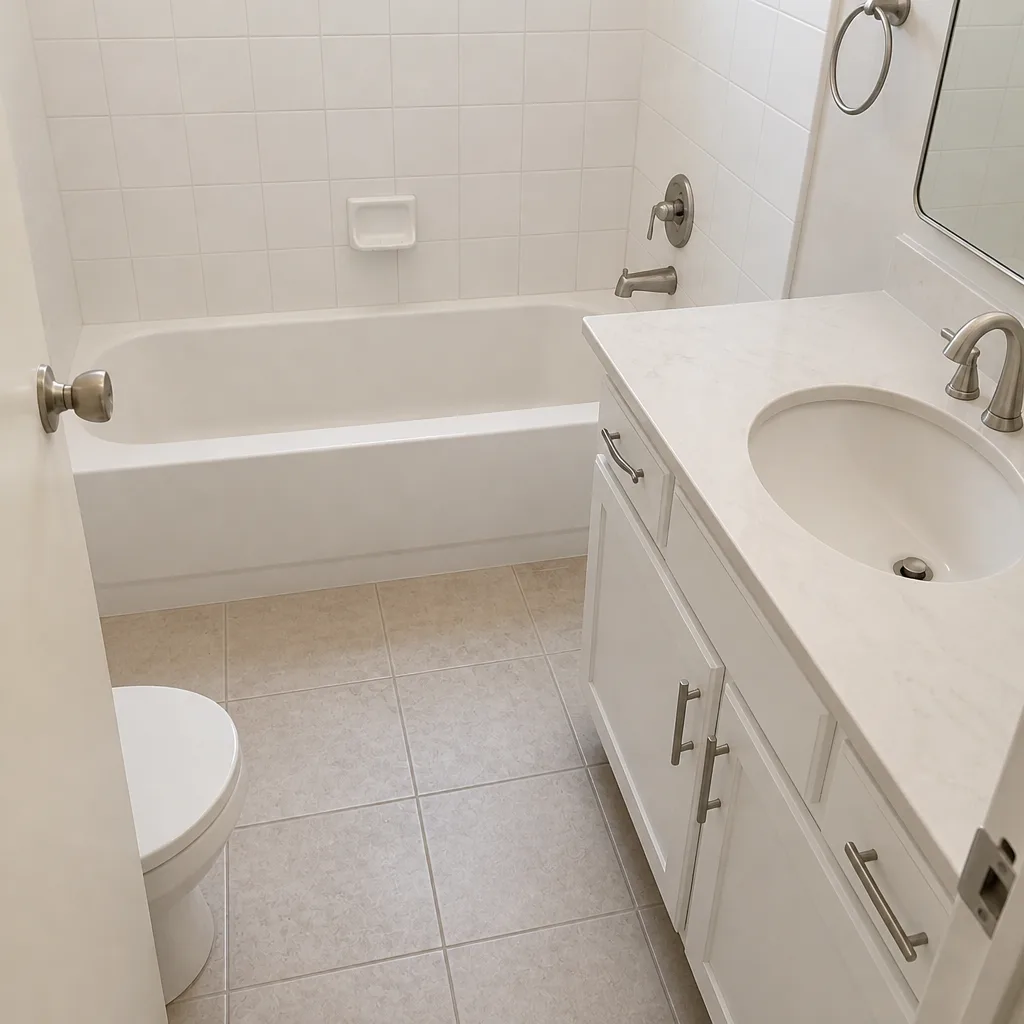
See the difference
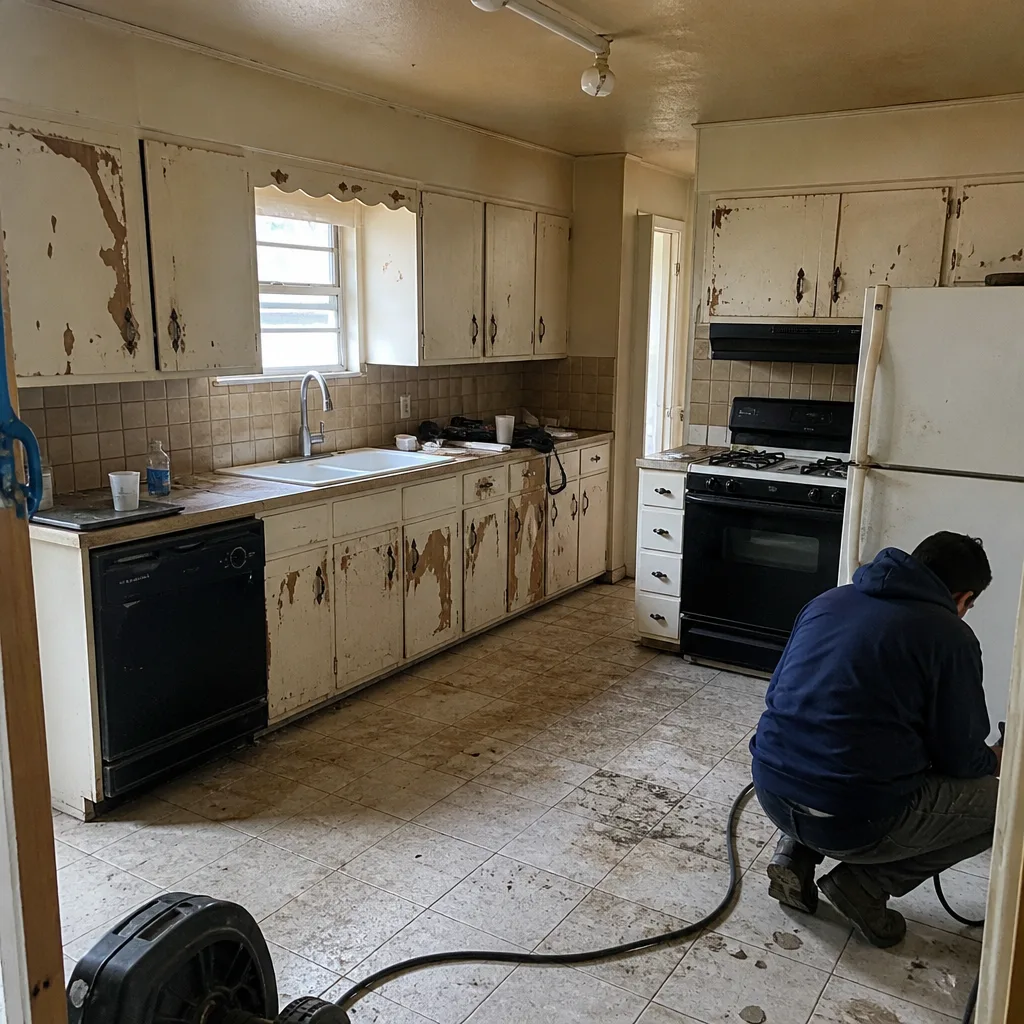 Before
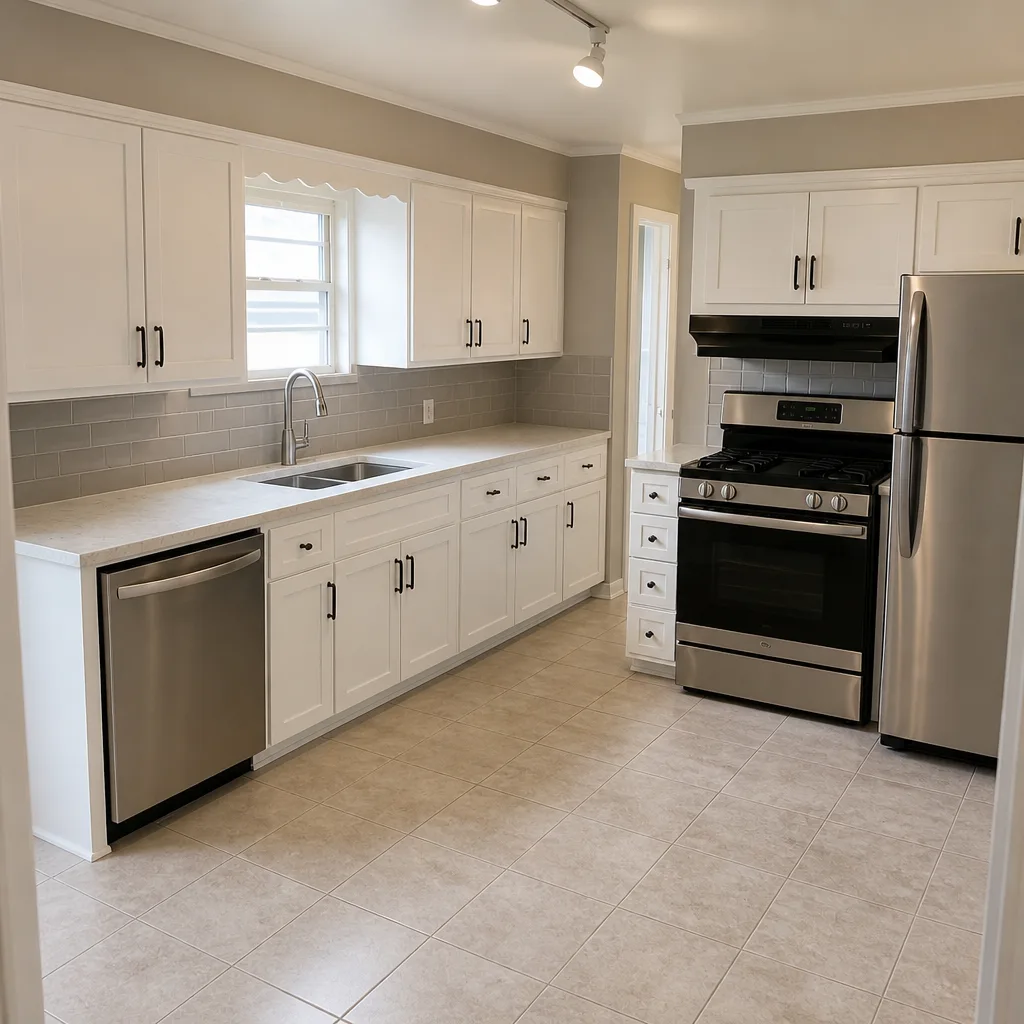 After
 Before
 After
 Before
 After
When to Call a Professional
The circumstances that most call for one party holding the schedule in Grand Prairie: a whole-home remodel across two or more rooms, any project involving mechanical, electrical, and plumbing work that touches the same walls, a load-bearing wall change or room addition, a phased remodel where the homeowners plan to stay in the house, and any project where long-lead materials need to arrive on a specified date. If any of those describe your project, the general contractor role is not one to fill yourself. Bradford Remodeling Co Grand Prairie offers free estimates in Grand Prairie – call (888) 255-7593. Every estimate comes with a written price before work begins, and every completed project carries the 365-Day Done Right Promise: if the work fails within the guarantee period, we return and correct it at no charge. Our technicians bring up to 22 years of experience, and every one is background-checked and uniformed so you know who’s arriving. You can start at our Bradford Remodeling Co Grand Prairie home page to see the full scope of what we do.
Frequently Asked Questions
In most cases yes – mechanical, electrical, and plumbing work each carry their own permit that runs separately from the primary remodel permit, and each has its own inspection. When one general contractor runs the project, those permit pulls are sequenced to the master schedule so the inspections line up. When five separate trades pull their own permits, the inspections rarely align, and the project loses time between them. Confirm the permit structure for your specific address before demo, since Grand Prairie’s permitting runs through three counties.
Whole-home remodel costs in Grand Prairie typically range from $65,000 to $200,000 or more depending on scope, but the number that actually matters on your project is the line-item written price before work begins. A written price with no change orders at the door is the difference between a controlled project and a surprise at close. Call (888) 255-7593 for an exact quote – estimates are free.
Usually yes if the project is phased correctly. A phased remodel that splits the home into two wings lets homeowners stay in one section while the other is torn out and rebuilt. A whole-home gut with overlapping HVAC, electrical, and plumbing shutdowns usually requires temporary relocation. Plan the phasing into the master schedule before signing anything – it changes the schedule and the budget.
Long-lead materials arriving late because they were ordered at the wrong time in the sequence. Cabinets, windows, and specialty tile carry weeks of lead time and must be ordered against the install phase, not the contract date. The second most common cause is uncoordinated trades waiting on each other, which is exactly what a single GC holding the master schedule prevents.
Not if the contract is written correctly. Bradford Remodeling puts every price in writing before any work starts – that written price is the price. The situations that legitimately move the number are documented conditions hidden behind the wall (rot, foundation movement, out-of-code wiring) that no honest contractor can see on a walk-through. Anything else that moves the price without your written sign-off is a change order you didn’t sign, and that’s not how we operate.
We pull the permits for the work we run. That keeps the inspection calendar tied to a single schedule instead of scattered across trades. The homeowner’s only permit-related responsibility is confirming with the city that the permits are on file before demolition begins – which we do as a documented step. Call (888) 255-7593 to schedule your free estimate in Grand Prairie.
The Bottom Line

Whole-home remodeling in Grand Prairie is a project management problem more than a materials problem. The builds that finish cleanly share the same four rules: one party holds the master schedule, every long-lead material has an order date tied to its install phase, every payment milestone is tied to inspected work, and the occupancy plan gets written down before demo starts. The builds that run over cost share the opposite – five separate contracts, no shared calendar, materials ordered late, payments drawn ahead of progress. Get the schedule and the price in writing, and the rest is discipline. Bradford Remodeling Co Grand Prairie puts both on paper before a single tool comes out. Call (888) 255-7593 for your free estimate – written price, written schedule, 365-Day Done Right Promise on the finished work. A live person answers the phone, every time.
Written by the team at Bradford Remodeling Co Grand Prairie.