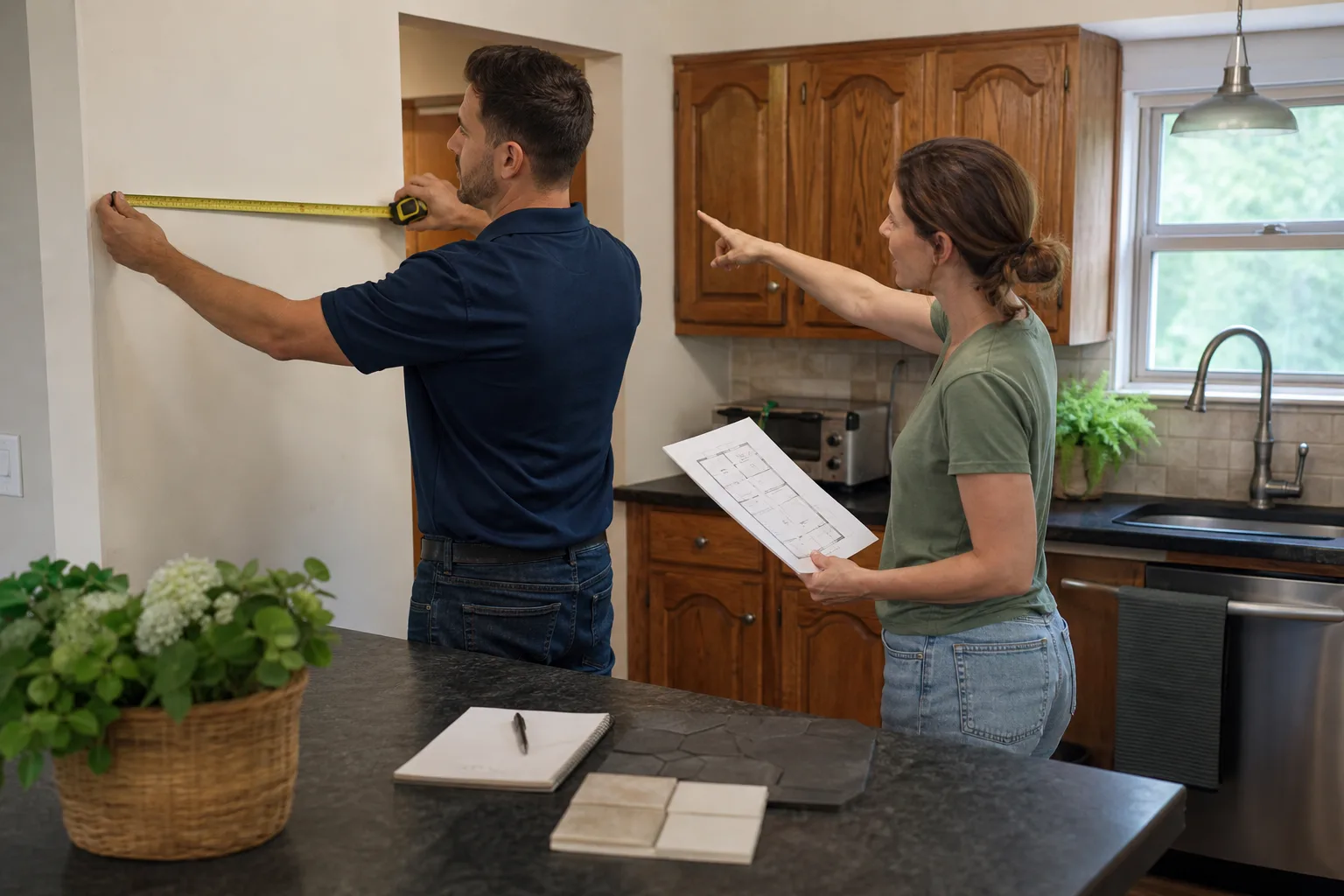
Last updated November 18, 2026







Free written scope consultation - allowances, timeline, and change-order rules on paper before a single trade is scheduled
General Contractor Troubleshooting: Common Problems and How to Fix Them
The most expensive general contractor problem homeowners face isn’t a botched tile job. It’s a contractor who disappears after the second draw payment, leaving you with a half-demo’d kitchen and a lien from a sub you’ve never met. That scenario plays out across Grand Prairie more often than most people realize, and it almost never starts as a surprise. It starts as a missing clause, a vague scope line, or a handshake where a signature should have been. Most remodeling failures are predictable. They surface at the same four stages of nearly every project, and knowing which stage you’re standing in tells you exactly how much leverage you still have. This guide maps those stages to the contract terms that either protect you or leave you exposed, with the Texas rules that matter when things go sideways.
Quick Answer
Mid-project general contractor problems usually fall into one of three buckets: a change order dispute, a scope gap, or a schedule or quality failure. Your first move is to document everything in writing, then identify which bucket you’re in, because each one has a different fix. Texas gives homeowners real leverage through the Residential Construction Liability Act (RCLA) and the Texas Department of Licensing and Regulation (TDLR), but only if you’ve kept a paper trail and given the contractor proper written notice before you escalate.
Styles & brands we work with
- Kitchen remodeling
- Bathroom remodeling
- Home additions & ADU
- Roofing
- Windows & doors
- Driveway & pavers
- Fence
Table of Contents
- The Four Phases Where Problems Actually Surface
- How to Document a Project So You Have Standing Later
- Change Order Dispute vs. Scope Gap: Why the Fix Is Different
- What “Substantial Completion” Means in Texas, and Why It Matters
- How to Cure a Lien From a Sub Your GC Didn’t Pay
- When and How to Escalate in Texas
- Contract Clauses That Protect You Before Work Starts
The Four Phases Where Problems Actually Surface
Every remodel moves through four phases, and each one has a signature failure mode. Knowing the phase tells you what’s likely going wrong and what you can still fix cheaply.
Phase 1: Demo. This is where hidden conditions get discovered. A wall comes down and there’s old galvanized plumbing, or water damage behind the tile. In Grand Prairie, homes built in the 1970s and 1980s around Dalworth and Turner Park frequently carry outdated plumbing and undersized electrical service that only show up once walls open. The problem at this stage is almost always a surprise change order. The fix starts with the discovery clause in your contract.
Phase 2: Rough-in. Framing, electrical, plumbing, and HVAC rough-in get inspected before drywall goes up. This is where code failures surface. Grand Prairie follows the International Residential Code with local amendments, and inspectors are looking closely at things like receptacle spacing and venting. If your contractor fails rough-in inspection twice, that’s a schedule problem you need to address now, not at punch list.
Phase 3: Finish work. Cabinetry, countertops, tile, fixtures, paint. This is where quality failures show up – visible seams, misaligned doors, uneven grout. If a spec on a Cambria or Silestone surface came out wrong, the manufacturer warranty may or may not cover the install. That’s why documented brand specs matter.
Phase 4: Punch list. The final walkthrough. Here the dispute moves from quality to completion. Contractors often want final payment before punch items are done. Don’t do that, and understand why they’re asking. That’s the substantial completion question we get into below.
The general contractor you choose should be built for exactly this discipline. If you’re still vetting, the General Contractor in Grand Prairie page lays out what a squared-away written scope actually contains before any phase begins.
How to Document a Project So You Have Standing Later
Texas law rewards documentation. The RCLA requires homeowners to give written notice to the contractor before filing suit, and the contractor gets a chance to inspect and offer to repair. If you can’t produce photos, dates, and emails, that notice is much weaker than it should be. Documentation isn’t paranoia. It’s the paper trail that turns a bad situation into a fixable one.
What to capture, in order:
- Dated photos of every phase. Rough-in photos are the most valuable, because once drywall covers the electrical and plumbing, you have no proof of what was actually done. Keep a phone album labeled by room and date.
- Written change orders for every deviation. A text message saying “we found rotted subfloor, extra $600” is not a change order. You want a signed document with the scope, price, and schedule impact. Email works if both parties reply confirming.
- A daily or weekly written log. A short email every Friday stating what was completed, what’s next, and any open questions is enough. It establishes a record without turning you into the contractor’s project manager.
- Inspection records. Keep the TDLR and city inspection slips. Grand Prairie uses its own permitting portal, and having every inspection number in one folder makes any later dispute faster to resolve.
- All payment receipts, with method documented. Checks are better than cash here. A cleared check with a memo line creates an undeniable record of what was paid and when.
- A copy of the written price and signed guaranteed scope. This is the document that started the whole project. It is the single most important piece of paper you hold.
In our experience, the homeowners who get resolved cleanly are the ones who built this record in the first two weeks, not the ones who started documenting the day things went wrong. If your project is a kitchen, the specific things to shoot during demo are covered in Kitchen Remodeling in Grand Prairie.
Change Order Dispute vs. Scope Gap: Why the Fix Is Different
Homeowners often use these terms interchangeably. They’re not the same, and treating one like the other is how small disagreements become expensive ones.
A change order is a written amendment to the contract. The scope changes, the price changes, and both parties sign before work proceeds. A change order dispute happens when the contractor claims a change was approved but you don’t have the paperwork, or when the price of the change is out of line with what the original contract implied. The fix is documentation: pull the change order, pull the pre-change quote, and get to a written agreement before that phase of work proceeds. If the contractor won’t put the change in writing, don’t authorize it.
A scope gap is different. It’s something the contract never addressed, and both parties assumed the other would cover. Common examples:
- Disposal of the old cabinets and countertops that were demo’d
- Drywall repair after electrical work was rerouted
- Painting the new door jambs after a Therma-Tru exterior door swap
- Finishing the floor transition between the new tile and the existing hardwood
Scope gaps cause more friction than change orders because neither party is technically wrong. The cheapest fix is to sit down and re-negotiate the gap in writing. The most expensive fix is to argue about it until the project stalls. In Grand Prairie remodels, the most common scope gap we see is the floor-to-tile transition after a bathroom rough-in, especially in homes around historic Dalworth where the subfloor isn’t level.
For that bathroom-specific issue, the exact sequence to spell out in the contract is covered in Bathroom Remodeling in Grand Prairie.
What “Substantial Completion” Means in Texas, and Why It Matters
Texas uses “substantial completion” as the legal trigger for several important things: final payment, warranty start dates, and in some contracts, the start of the owner’s right to occupy the space. Substantial completion doesn’t mean “fully complete.” It means the work is complete enough that the owner can use the space for its intended purpose, with only minor punch-list items outstanding.
This matters because contractors frequently ask for the final draw at substantial completion, before punch items are done. That’s legal in most contract structures. The problem is that once the contractor walks with the final payment, your leverage to get punch items done evaporates.
Protect yourself with one clause and one habit:
- A retainage clause. Standard is 5% to 10% held back until the punch list is signed off. If a contract doesn’t include retainage language, ask for it as a written amendment before work starts. It’s not an insult to the contractor. It’s the same mechanism most commercial jobs use.
- A written punch list signed by both parties. Physically walk the space together before final payment. Note every item, agree on a fix and timeline, and sign. Keep the final draw pending until that list is cleared.
Substantial completion also matters for the warranty window. If your contract has a warranty term, find out exactly when that clock starts. On Bradford projects, the 365-Day Done Right Promise starts from project close, and the written guarantee is in the homeowner’s hand at that final walk-through, not buried in a folder. That’s the model to hold a contract against.
How to Cure a Lien From a Sub Your GC Didn’t Pay
A mechanics lien is a claim against the property, filed by a party who wasn’t paid for work or materials on that property. In Texas, subcontractors and material suppliers have lien rights, and those rights are separate from your relationship with the general contractor. The nightmare scenario: you paid the GC in full, the GC didn’t pay the cabinet sub, and now the sub has filed a lien against your home.
The fix, in order:
- Confirm the lien is valid and filed correctly. Texas requires a specific form and timing. A lien filed late or without proper notice can be invalid. Have a Texas construction attorney review it before you pay anyone under pressure.
- Request a lien release in exchange for payment. If you decide to pay the sub directly, get a signed conditional lien release first, and a final unconditional release once the check clears. Never pay twice for the same work without a release.
- Pursue the GC for what you paid. If the GC accepted money and didn’t pay the sub, that’s a straight-up claim against the GC and possibly the bond or licensing complaint through TDLR.
- Consider the Texas Property Code affidavit process. In some cases, you can file an affidavit that shifts liability back to the GC. Talk to an attorney about whether it applies.
- File a TDLR complaint. If the GC was licensed for the work, TDLR has a complaint process. Document everything before filing.
The preventive move is the same as everything else in this guide: get lien releases as a condition of every draw payment, before the check is handed over. A GC who runs a disciplined job has no problem providing them.
When and How to Escalate in Texas
Most mid-project problems don’t need a lawyer. They need a written notice and a clear deadline. Texas gives you a specific process, and skipping steps can cost you legal standing later. The order matters.
- Written demand to the contractor. State the problem, the fix you want, and a deadline. Send it by certified mail and by email. This is required under the RCLA before most legal action.
- Offer to inspect and repair. The RCLA requires the contractor to be given the chance to inspect and offer a repair. Don’t skip this. If you do, the contractor can use it against you later.
- Formal complaint to TDLR. If the contractor is licensed for the work, TDLR has a complaint portal and a defined process. It’s not fast, but it creates a formal record and can produce real pressure.
- Texas Attorney General’s consumer complaint. Useful when the issue involves deceptive trade practices. Also on the record.
- Litigation or arbitration. Check your contract. Most have an arbitration clause that limits your ability to sue. If you’re headed here, get an attorney who handles Texas construction disputes.
In Grand Prairie, small claims court is an option for some disputes, and the county has a structured process for construction-related cases. Timing matters: Texas has a two-year statute of limitations for many construction defect claims, and a four-year window on some written contract claims. Don’t wait.
Contract Clauses That Protect You Before Work Starts
The cheapest time to solve a problem is before the contract is signed. The clauses below are the ones that turn a bad contractor into a bad contractor you can actually hold accountable.
- Written line-item price. Every phase priced separately. Not a lump sum. “Kitchen remodel, $48,000” is a recipe for a scope dispute. “Demo $3,200, rough-in $8,400, cabinetry $14,000, surfaces $9,200, labor assigned per phase” is a real contract.
- Discovery clause for hidden conditions. Spell out how hidden conditions get handled, what the contractor’s markup on change orders can be, and what triggers a written change before work proceeds.
- Retainage clause. 5% to 10% held until punch list is signed off. Not negotiable for most homeowners.
- Lien release requirement on every draw. Written into the payment schedule, not a side promise.
- Substantial completion definition. Define it, in writing, and tie it to the punch list sign-off.
- Warranty term with start date. Written down, in the contract, with the exact start trigger. A 365-day written guarantee is the standard to hold any contractor to.
- Permit responsibility clause. State clearly who pulls permits and who carries the inspection cost. In Grand Prairie, pulling a permit for a kitchen or bathroom overhaul is not optional. A contractor who won’t pull permits is telling you something.
- Documented brand specifications. If your contract specifies Cambria or Silestone surfaces, Kohler or Moen fixtures, GAF roofing, or James Hardie siding, those brand names and product numbers should be written into the scope. A generic “high-quality countertop” clause gives you no recourse if the install is wrong.
That’s the framework behind The Garrison Standard, and it’s the standard we hold Bradford projects to in Grand Prairie. If you want to see what a squared-away written price looks like on the kind of projects we run, start at Bradford Remodeling Co Grand Prairie home.
Common Mistakes to Avoid
- Paying the second draw before seeing progress. A draw payment is earned by completed work, not by a promise. In our experience, homeowners who pay the second draw on reputation alone are the ones who discover the GC is overextended on three other jobs in Grand Prairie.
- Accepting verbal change orders. If it’s not in writing, it didn’t happen. A text saying “$800 extra, no problem” is much weaker than a signed change order when the dispute turns legal.
- Skipping retainage. Homeowners skip this to seem easy to work with. Then punch-list leverage disappears the day the final draw is paid.
- Not pulling permits because the contractor says “we don’t need one.” In Grand Prairie, most kitchen, bath, and structural work needs a permit. No permit means no inspection record, and no inspection record means a much harder insurance claim if something fails later.
- Treating scope gaps like change orders. Arguing a scope gap as if the contractor is violating the contract just slows the project. A scope gap needs renegotiation, in writing, with a deadline.
- Documenting only after the fight starts. By the time you need photos, they’re three months old and the drywall is already up. Build the record from day one.
- Ignoring the lien warning signs. A sub calling you directly asking about payment is a red flag. That’s a cue to call the GC that day, not next week.
See the difference
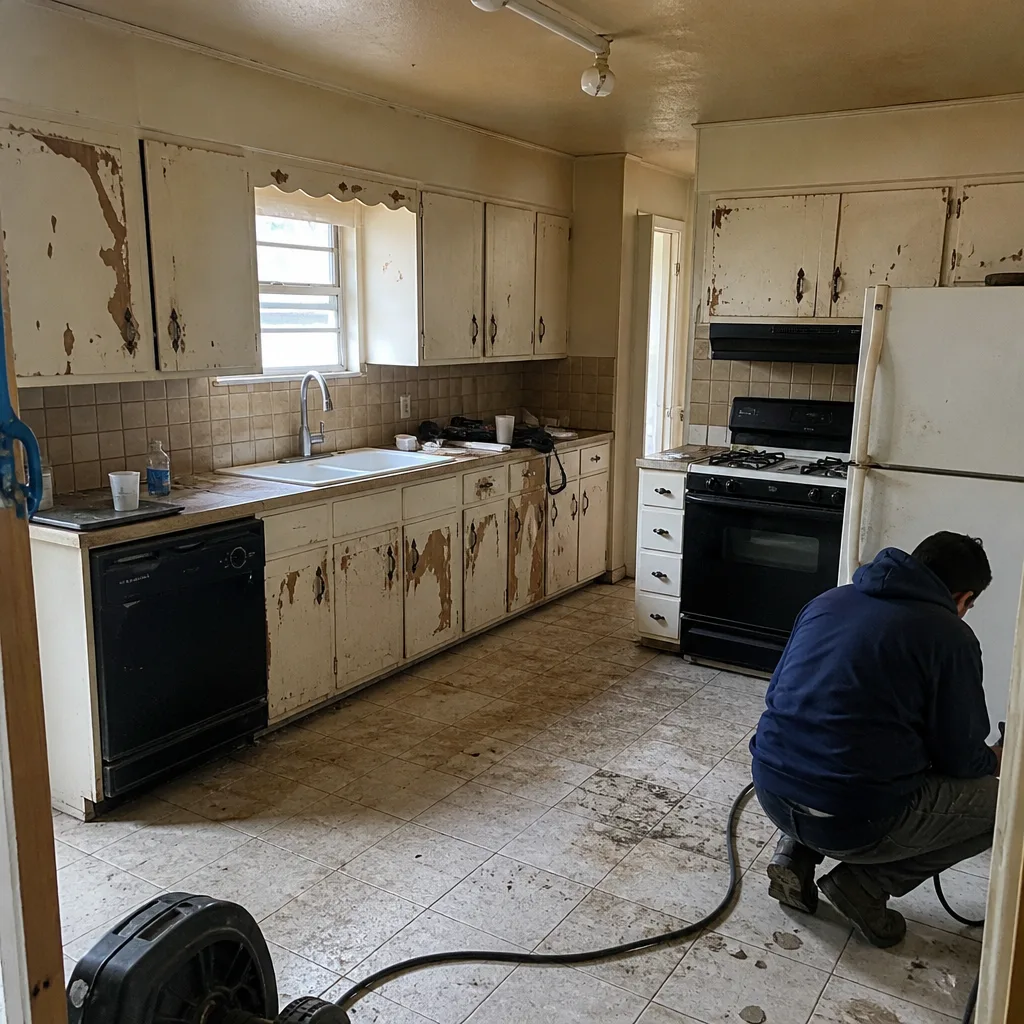 Before
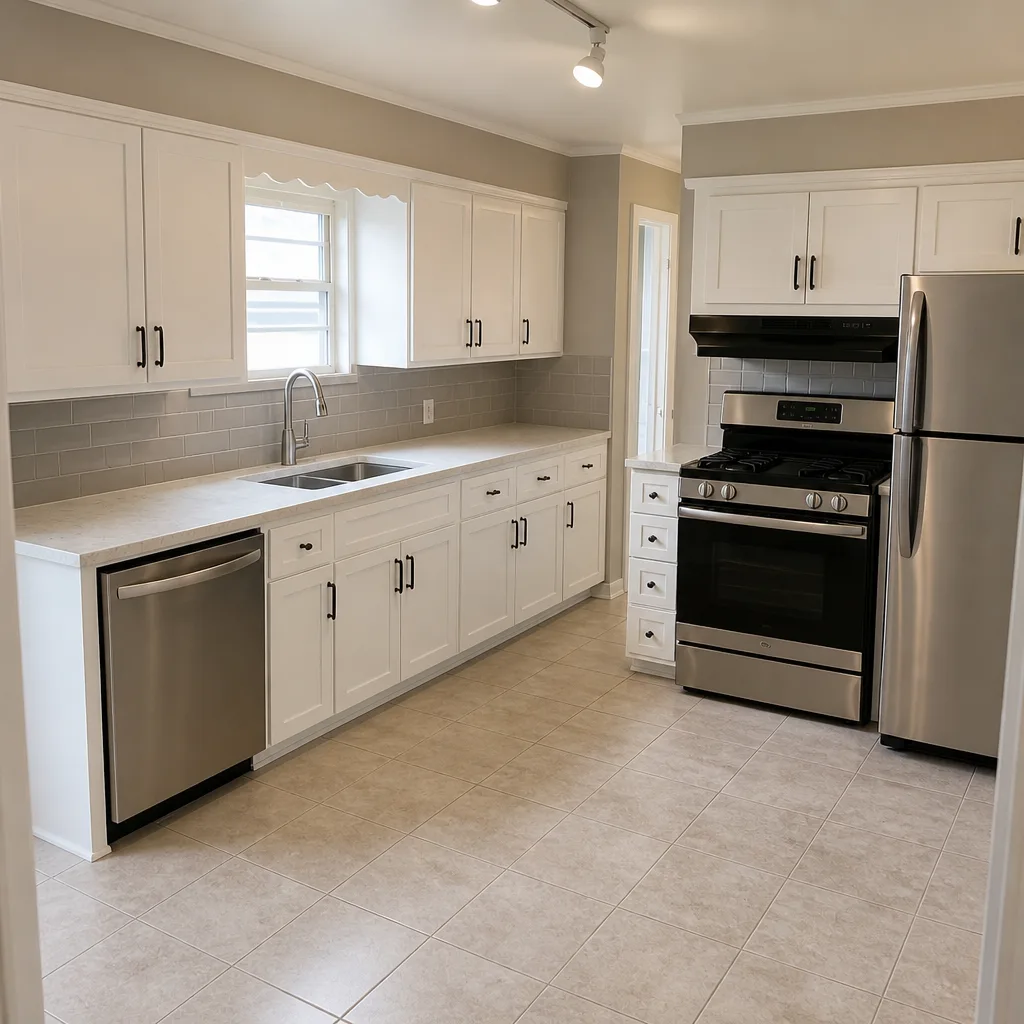 After
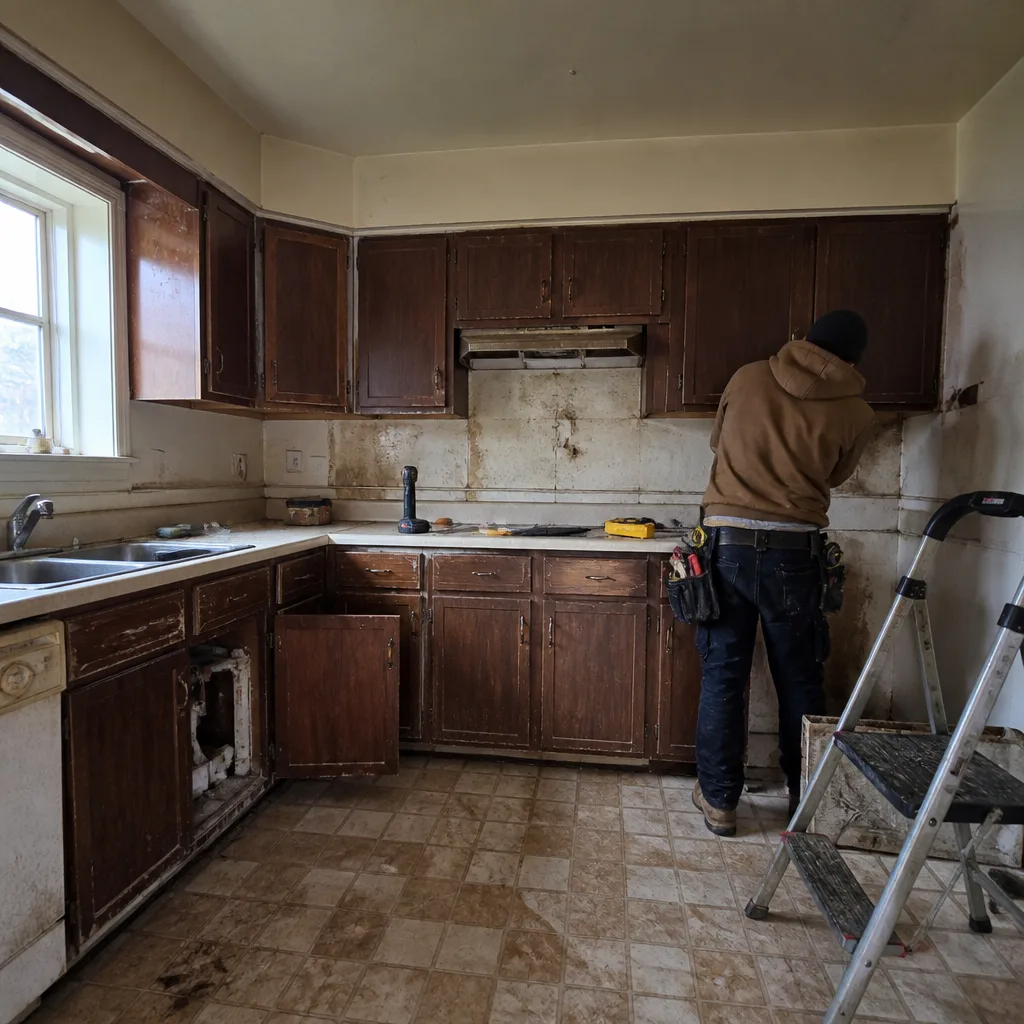 Before
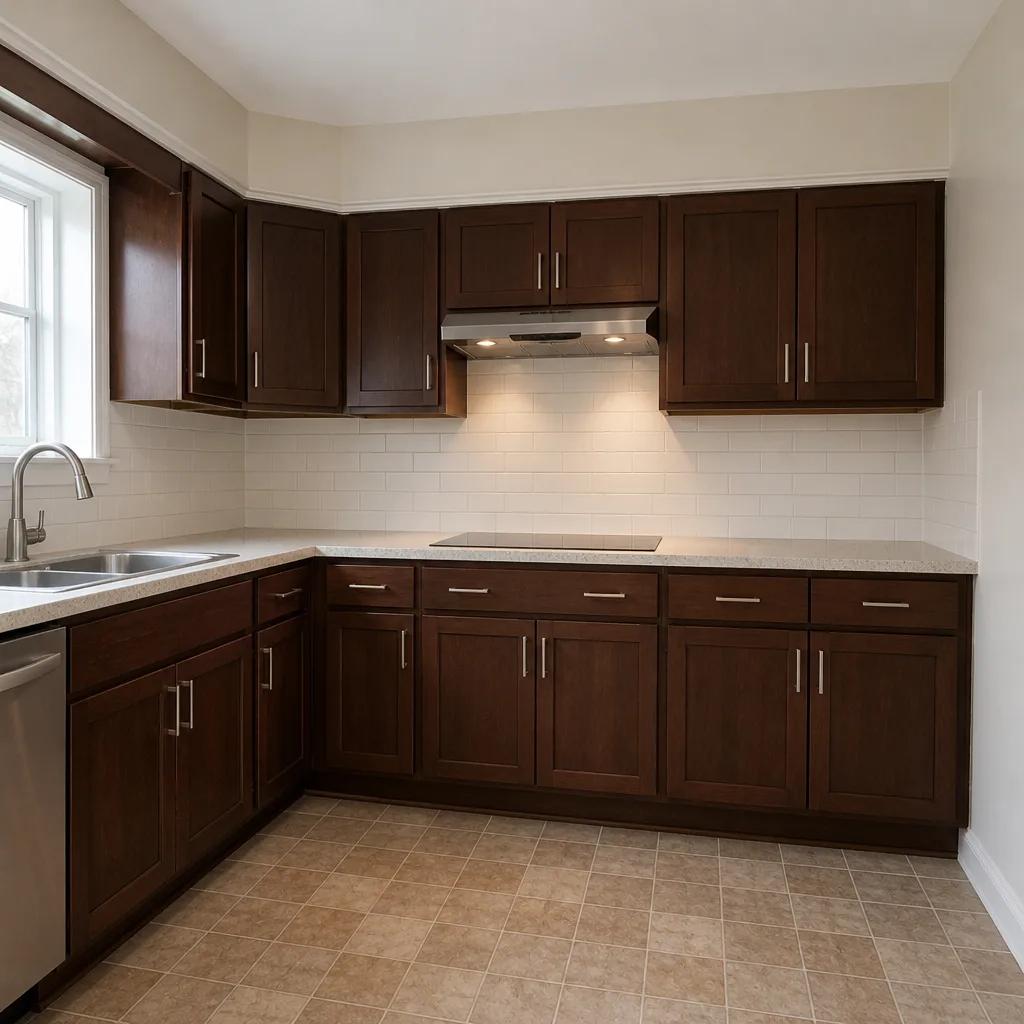 After
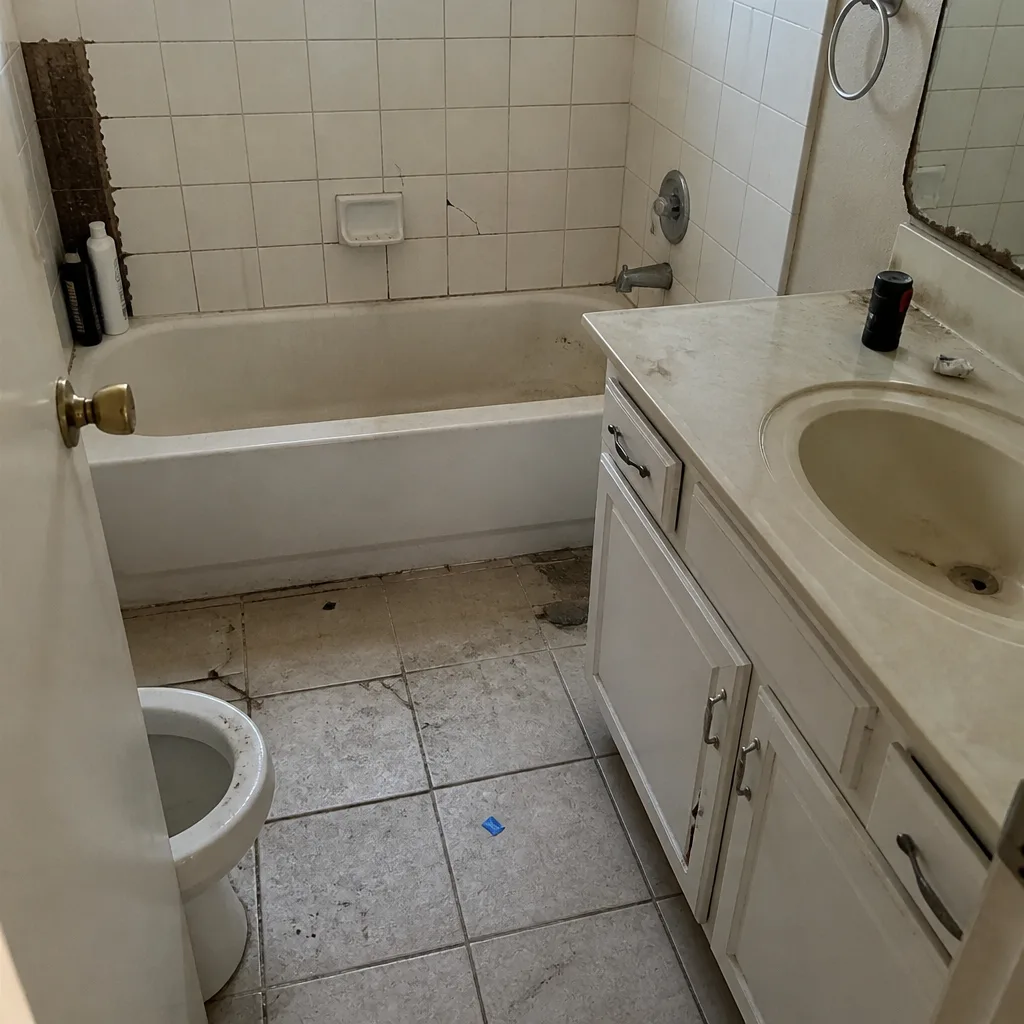 Before
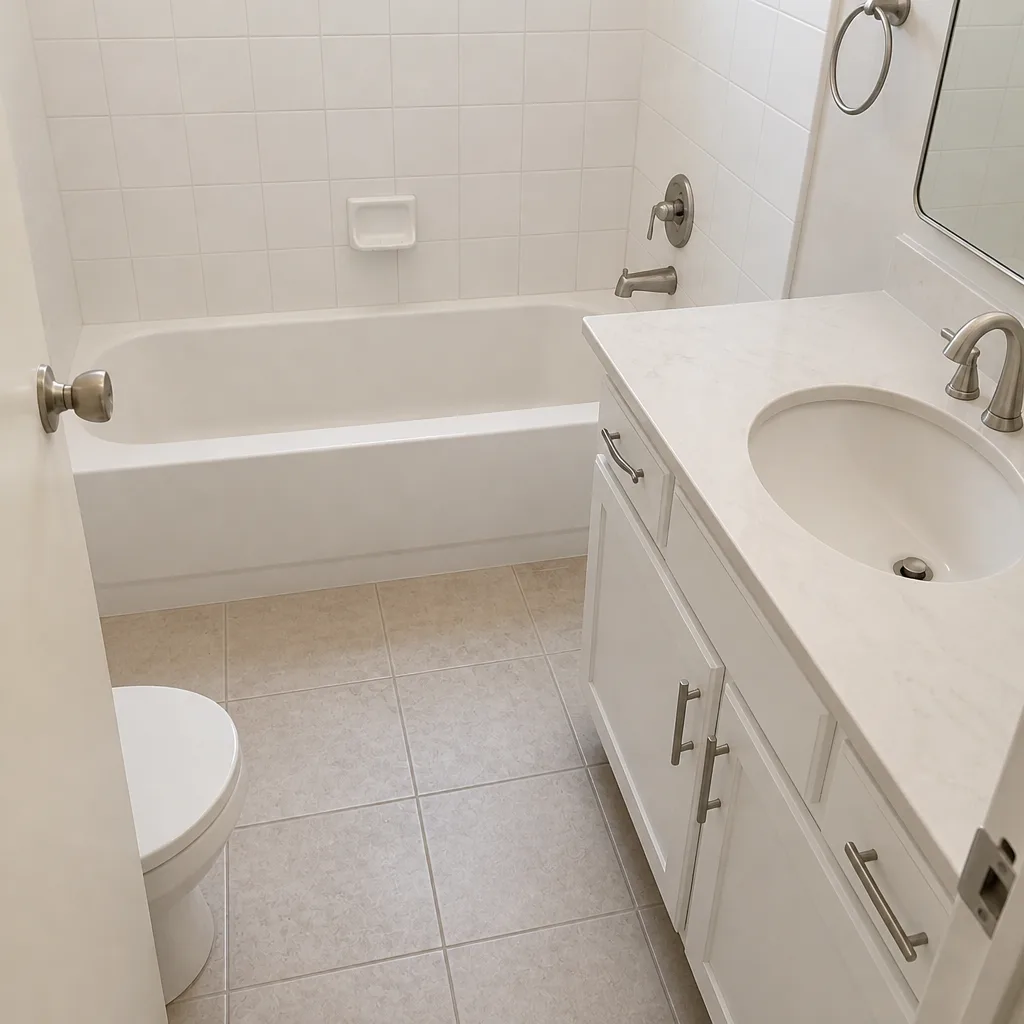 After
When to Call a Professional
Most mid-project problems can be handled with documentation and a written notice. A few can’t. Call a professional – an attorney or a licensed contractor for an independent assessment – if any of the following apply: the GC has stopped showing up for a week or more with active draws outstanding; a lien has been filed against your property; you’re seeing structural framing defects, undersized electrical service, or plumbing that fails inspection twice; the job is more than 90 days behind its written schedule with no recovery plan; or the contractor is asking for payment outside the contract terms. In Grand Prairie, Bradford Remodeling Co Grand Prairie offers free estimates for homeowners who need to reset a stalled or failed project, and can put a written price and guarantee framework in front of you before any tool is picked up. Call (888) 255-7593 to schedule a free estimate.
Frequently Asked Questions

First, document everything: photos, payment records, every text and email. Then send a written demand by certified mail with a deadline (usually 10 to 14 days) stating what work is outstanding and what payment is being held. If the contractor has a TDLR license, file a complaint the day the deadline passes. If a lien has been filed, call a Texas construction attorney immediately – do not pay the sub without a signed lien release in hand. Call (888) 255-7593 for a free estimate on getting the project squared away.
It shouldn’t, if the contract is written correctly. Hidden conditions are the one legitimate reason a price changes, and those should be covered by a discovery clause with a written change order before work proceeds. Any price change without a signed change order is a red flag. On Bradford projects, the written price is fixed before work starts, and any change requires a signed change order first. Call (888) 255-7593 to schedule a free estimate.
Yes. Most kitchen, bath, and structural work in Grand Prairie requires a permit, and the homeowner should see the inspection records for every permitted phase. A contractor who suggests skipping permits is telling you that your inspection record, and by extension your insurance claim record, doesn’t matter to them. Call (888) 255-7593 for a free estimate that includes the permit plan.
Substantial completion means the work is completed enough that the owner can use the space for its intended purpose, with only minor punch-list items outstanding. It triggers final payment in most contracts, which is why you need a retainage clause holding 5% to 10% until the punch list is signed off. Without retainage, your leverage to get punch items finished disappears the day the final draw is paid.
Most full kitchen remodels run 6 to 10 weeks from demo to punch list, depending on the scope and whether hidden plumbing or electrical work surfaces at rough-in. Homes around Dalworth and Turner Park, built in the 1970s and 1980s, frequently need plumbing and electrical upgrades that add a week or two. The written schedule in your contract should reflect that, with a recovery plan for the hidden-conditions scenario. Call (888) 255-7593 for a free estimate with a written schedule.
In many cases, yes. We assess the existing work phase-by-phase, put the remaining scope in writing with a fixed price, and provide the 365-Day Done Right Promise on our completed work. We don’t take over the abandoned contractor’s obligations, but we can restart the project cleanly with a documented plan. Call (888) 255-7593 to schedule a free estimate.
The Bottom Line
Almost every general contractor problem comes back to one thing: whether the paperwork was squared away before work started. Change order disputes get resolved with documentation. Scope gaps get resolved with renegotiation. Lien problems get prevented with release requirements at every draw. Substantial completion disputes get prevented with retainage. And every one of those protections belongs in the written contract, not in a promise at the kitchen table. If you’re choosing a general contractor in Grand Prairie now, hold the bids you’re comparing to the standard: written line-item price, retainage, lien release on every draw, permit responsibility spelled out, and a written 365-day guarantee on the completed work. Bradford Remodeling Co Grand Prairie builds every project to that standard under The Garrison Standard. Call (888) 255-7593 for a free estimate before your next phase begins.
Written by the team at Bradford Remodeling Co Grand Prairie.