Last updated November 18, 2026






Free written scope consultation - allowances, timeline, and change-order rules on paper before a single trade is scheduled
Choosing the Right Construction Brand: A Buyer’s Guide for Grand Prairie
Every remodeling company in Grand Prairie calls itself experienced and reliable. The useful question isn’t what they claim, it’s what they’ll put in writing before you hand over a deposit. Logos and taglines tell you nothing about what happens when a cabinet door sags in month seven or a shower pan leaks in month nine. What tells you everything is the warranty structure, the contract terms, and the claim process. This guide gives you a decision framework built on document review, not reputation scoring. You’ll learn how to compare contractor types by what they document, the five contract elements that separate a real guarantee from a slogan, and how to verify Texas licensing and permits yourself.
Quick Answer
Choose a remodeling contractor in Grand Prairie by reviewing their paperwork, not their marketing: ask for a written, line-item price before any work starts, a guarantee that states its coverage scope, claim process, duration, transferability, and exclusions, and proof of TDLR licensing, pulled permits, and lien waivers. A brand that hesitates to put those five elements in writing before you sign is telling you what the job will feel like after you’ve paid.
Styles & brands we work with
- Kitchen remodeling
- Bathroom remodeling
- Home additions & ADU
- Roofing
- Windows & doors
- Driveway & pavers
- Fence
Table of Contents
- Why the Documents Matter More Than the Brand Name
- Contractor Types: What Each One Actually Puts in Writing
- The Five Contract Elements That Reveal a Real Guarantee
- How to Evaluate Subcontractor Relationships
- What “By-the-Book” Means in Texas Remodeling
- How The Garrison Standard Differs From the Industry Norm
- How to Verify Everything Independently
- Common Mistakes to Avoid
Why the Documents Matter More Than the Brand Name
A remodeling brand is a promise. A contract is the only part of that promise a court, an inspector, or a homeowner can actually hold anyone to. In Grand Prairie, where new subdivisions off Lake Ridge Parkway sit a few miles from 1970s brick ranches near Dalworth, the same brand can produce wildly different results depending on which crew, which subcontractor, and which written terms apply to your address. The sign on the truck is identical. The paperwork is not.
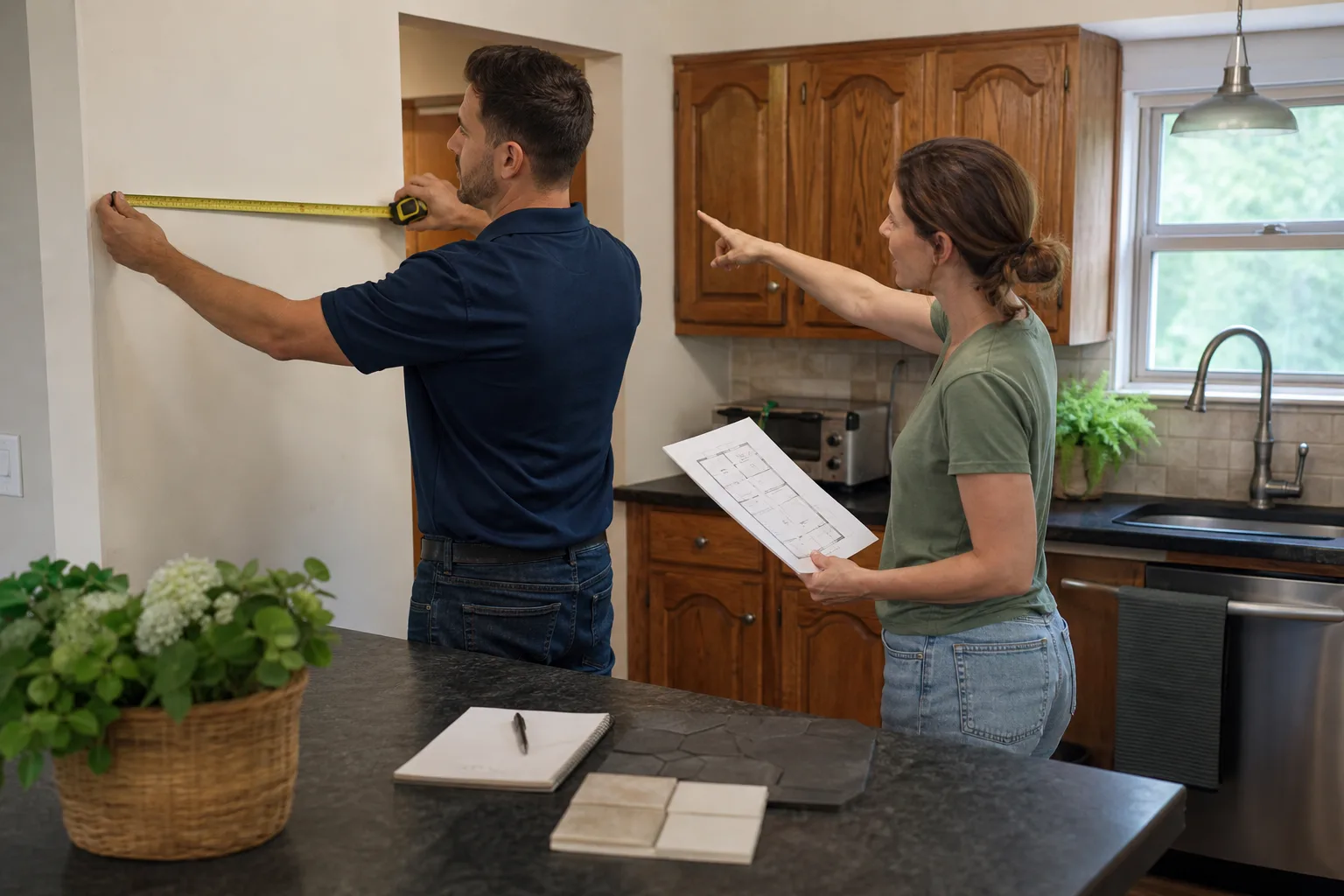
We’ve sat at kitchen tables in Grand Prairie where a homeowner pulled out a one-page proposal with a single line item reading “kitchen remodel – $34,500.” No scope. No brand names. No start date, no completion clause, no reference to what happens if the work fails. That document is not a contract, it’s an estimate of a feeling.
The comparison you actually need to run is between documents. Ask each contractor for the same four things and read them side by side:
- The written price, broken into line items, with a defined scope
- The guarantee or warranty language, in full, not summarized
- The payment schedule and what triggers each draw
- The process for change orders and who authorizes them
A national franchise, a regional firm, and an independent crew will answer these four questions very differently, and the differences are where the real decision lives. If you want to see what a disciplined version looks like, the Bradford Remodeling Co Grand Prairie home page outlines their model, but read the rest of this guide first so you know what to compare it against.
Contractor Types: What Each One Actually Puts in Writing
Grand Prairie homeowners typically choose between three contractor types, and each has a different documentation habit. None of these is universally good or bad. What matters is knowing what to expect so you can ask for what’s missing.
National franchises
Franchises tend to have the most polished contracts and the most standardized warranty language, but the local operator is independently owned. That means the guarantee is only as good as the local franchisee’s solvency and willingness. Read the fine print for who the warranty is actually issued by – the national brand or the local entity – because that’s who you’d have to pursue if the work fails. Ask directly: “If this goes bad in year one, whose name is on the guarantee?”
Regional firms
Regional remodelers often have the strongest trade relationships and the deepest local sub rosters. They also tend to document less thoroughly because they rely on repeat relationships and verbal trust. That works until it doesn’t. Your job is to convert their verbal commitments into contract language before signing. If they push back on a written price or a detailed scope, that’s information.
Independent crews
Independents can offer the best value and the most direct communication, but they carry the widest variance in paperwork. Some run tight, documented operations with real guarantees. Others work off a handshake and a text thread. Neither is disqualifying – but if there’s no written price, no permit, and no warranty document, the risk is entirely yours. In Grand Prairie, where hail and summer heat stress exteriors more than in many Texas metros, that risk shows up as failed roofing, faded siding, and cracking caulk lines within a couple of seasons.
Whichever type you’re considering, the general contractor you hire is responsible for the whole project, not just the parts they touch. Our General Contractor in Grand Prairie page explains how that responsibility works on a real job.
The Five Contract Elements That Reveal a Real Guarantee
“Satisfaction guaranteed” means nothing. A real guarantee states five things in writing, and if any one is missing, the guarantee is decorative. Print this list and hold it up to every warranty document you’re handed in Grand Prairie.
- Coverage scope. Exactly what work is covered, and what isn’t. A guarantee that covers “workmanship” but excludes “materials” tells you nothing about the $8,000 of cabinetry you just bought. The best documents name the scope in plain terms: framing, drywall, finish carpentry, plumbing rough-in, electrical rough-in, and so on.
- Claim process. How you file a claim, who you call, and how quickly you should expect a response. A guarantee without a claim process is a wish. Look for a live number and a defined response window.
- Duration. One year is the common standard for workmanship. Anything less than twelve months on a full remodel is short. Ask what happens at day 366 – that’s where the difference between a real guarantee and a marketing line becomes visible.
- Transferability. If you sell the home inside the guarantee window, does the guarantee transfer to the buyer? A transferable warranty adds real value at resale, especially in Grand Prairie where homes near Joe Pool Lake turn over regularly.
- Exclusions. Every guarantee excludes something. The question is whether the exclusions are reasonable or so broad they swallow the coverage. “Damage caused by misuse” is reasonable. “Damage caused by settling, moisture, humidity, temperature variation, or normal wear” is a guarantee that covers almost no real-world failure in North Texas.
A homeowner who can point to those five elements in a written document is in a fundamentally better position than one who’s relying on a verbal “we stand behind our work.” If the contractor won’t put all five in writing, you’ve found the answer to your question.
How to Evaluate Subcontractor Relationships
Most remodeling work involves subcontractors. The plumber, the electrician, the HVAC tech, the tile setter, and often the framer and the painter are all subs. The general contractor’s contract with you must address how sub performance is covered, because in most disputes the homeowner’s recourse runs against the GC, not the sub. If the GC’s warranty says “subcontractor work is excluded,” you’ve just found the part of your project that’s actually unprotected.
Ask these questions before signing, and write the answers into the contract:
- Who carries the warranty on subcontracted work, the GC or the sub?
- If a sub fails or disappears mid-job, who finishes the work and at whose cost?
- Are subs bonded and insured, and will you provide proof before they start?
- Does the GC have a documented sub roster, or do they hire off the sidewalk?
In our experience, the difference between a good Grand Prairie remodel and a bad one is usually the sub schedule and the sub supervision, not the brand on the truck. A GC who can name their subs, describe how they’re vetted, and put sub performance under their own warranty is running a real operation. A GC who says “don’t worry about the subs” is asking you to take on risk they won’t document. That’s a tell.
What “By-the-Book” Means in Texas Remodeling
By-the-book in Texas means four specific things, and each one is independently verifiable. Grand Prairie sits in Dallas, Tarrant, and Ellis counties, and permit requirements vary by jurisdiction and by scope, so ask which authority is issuing your permit and confirm the inspection schedule before work starts.
1. TDLR licensing
Texas doesn’t license general contractors statewide the way some states do, but it does require licensing for specific trades – electricians (TDLR), plumbers (TSBPE), and HVAC (TDLR). A GC who uses unlicensed trades is a GC who’s cutting the corner that leads to insurance problems and failed inspections. Ask for the license number of the electrician and plumber on your job and verify them directly on the TDLR and TSBPE lookup tools.
2. Pulled permits
A pulled permit means the work will be inspected. An unpermitted remodel is work nobody will check, and it can stall a future home sale in Grand Prairie. The permit should be pulled by the GC before the first nail goes in, and the permit number should be on the contract.
3. Documented inspections
Ask the GC to show you the inspection record when the job closes. Rough-in inspections, framing inspections, and final inspections are documented events. If those documents don’t exist, the work wasn’t inspected, and the guarantee is covering work of unknown quality.
4. Lien waivers
In Texas, a subcontractor or supplier who isn’t paid can file a mechanic’s lien against your home – even if you paid the GC in full. The fix is a conditional and unconditional lien waiver at each draw, plus a final waiver at close. Your contract should require them. A GC who resists lien waivers is telling you they don’t want you to see the payment trail.
If a contractor can’t walk you through all four, they’re not by-the-book. They’re a different kind of book. Our Kitchen Remodeling in Grand Prairie page shows how those four elements look on an actual scope.
How The Garrison Standard Differs From the Industry Norm
The industry norm is verbal commitment first, documentation after the fact. The Garrison Standard, which is the framework Bradford Remodeling operates under as a member of the Garrison Partners family, inverts that order. The written price and the written guarantee come before any work starts, not after the deposit clears.
What that looks like in practice on a Bradford job in Grand Prairie:
- Written price before work starts. A line-item number before the first tool comes out, with the scope defined. No numbers that move at the door. This is non-negotiable on every project.
- 365-Day Done Right Promise. A full-year written guarantee on every completed project. If the work fails within that window, Bradford returns and corrects it at no charge. The scope, the claim process, the duration, and the exclusions are in the document, not just on a webpage.
- Background-checked, uniformed technicians. You know who’s walking through your door before the crew arrives, not after.
- A live person on the phone, 24 hours a day, 7 days a week. Not a voicemail, not a callback queue. A real person answers.
- Documented brand roster. KraftMaid and Wellborn cabinetry, Cambria and Silestone surfaces, Kohler and Moen fixtures, GAF and James Hardie exterior products, Therma-Tru doors, and Belgard hardscaping, among others. Specifications are traceable, so quality isn’t left to guesswork.
Where most remodelers ask you to trust them, the Garrison Standard gives you that trust in writing. Bradford’s technicians have up to 22 years of experience, and each Garrison Partners location is independently owned and operated and held to the same standard. That’s a different structural model than a franchise warranty that runs to a national entity or a handshake from an independent crew. Whether it’s the right fit for your project is your call to make after comparing documents, but it’s a comparison you can actually run.
How to Verify Everything Independently
Don’t take any contractor’s word for licensing, insurance, or permits, including Bradford’s. Verify. Here’s the process, in order:
- Check TDLR license lookup for the electricians and HVAC contractors on your job. Look up the plumber on the TSBPE site. Note the license status and any disciplinary record.
- Call the city or county permitting office for your Grand Prairie address and confirm the permit number is active and the inspections are scheduled.
- Request a certificate of insurance for general liability and workers’ compensation, and call the carrier to confirm the policy is current. A PDF certificate can be forged; a carrier phone call can’t.
- Ask for the last three completed projects in Grand Prairie and call those homeowners. Two questions: did the work hold, and did the guarantee get honored when something went wrong?
- Read the entire contract before signing. Every line. If any of the five guarantee elements from earlier in this guide is missing, ask them to add it, and see how they respond.
This takes an afternoon. It’s the highest-return afternoon you’ll spend on the project. For bathroom scopes specifically, our Bathroom Remodeling in Grand Prairie page walks through how waterproofing and tile guarantees usually get written.
Common Mistakes to Avoid
- Comparing quotes without comparing scopes. A $32,000 bid and a $44,000 bid are not the same job if the first excludes cabinetry and the second includes KraftMaid. Put the scopes side by side before comparing numbers.
- Accepting a verbal “satisfaction guarantee.” If the guarantee isn’t in writing, with the five elements covered earlier, it doesn’t exist. Ask for it in the contract or walk away.
- Skipping the lien waiver conversation. In Texas, subs can lien your home if the GC doesn’t pay them. Require conditional lien waivers at each draw and an unconditional final waiver at close.
- Assuming the permit was pulled. Ask for the permit number in writing. In Grand Prairie, unpermitted work can complicate a sale years later, long after the contractor has moved on.
- Signing a contract without a start date and a substantial completion clause. A date matters. A date plus a defined remedy for missing it matters more.
- Choosing on price alone. The cheapest bid is often the one with the least documentation, and the least documentation is what you’ll be arguing about when something fails.
- Not checking the sub roster. Ask who the plumber, electrician, and tile setter are, and confirm they’re licensed and covered by the GC’s warranty. If the GC doesn’t know the answer, that’s the answer.
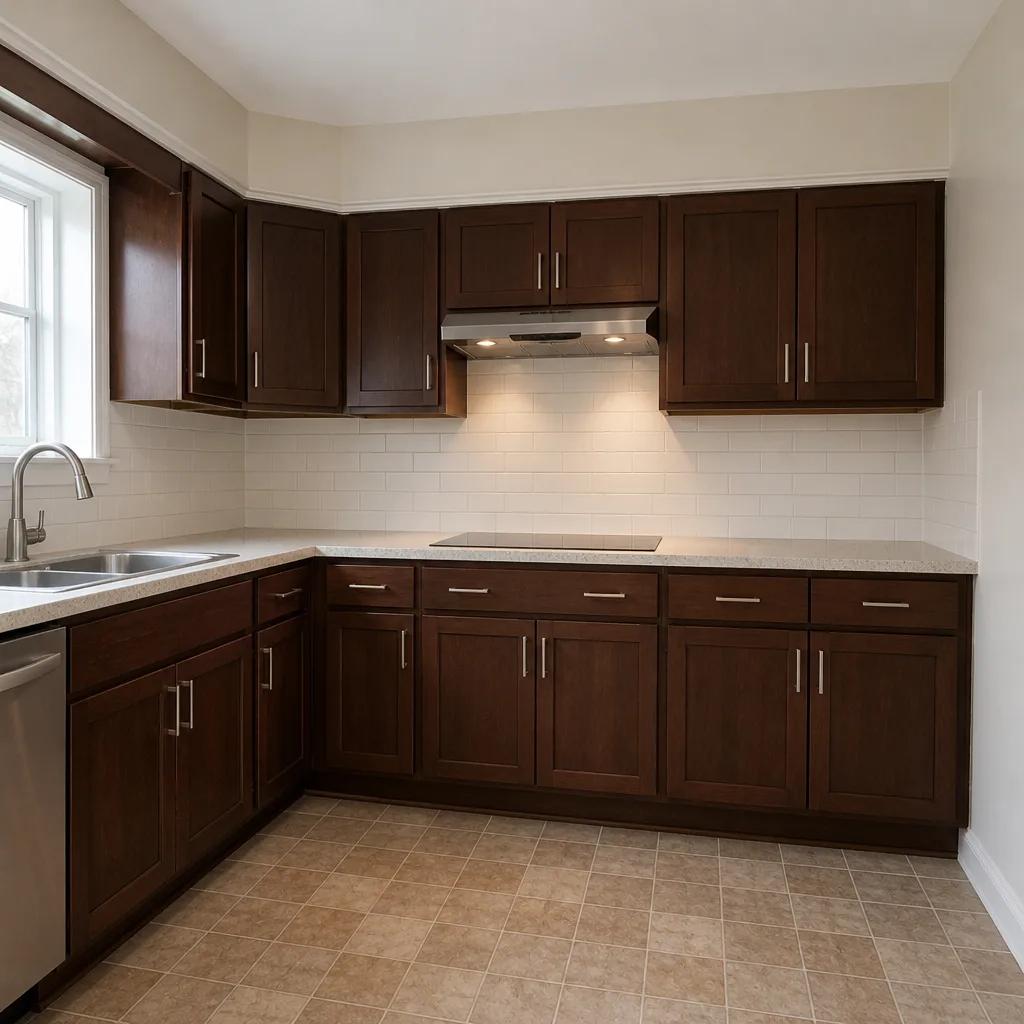
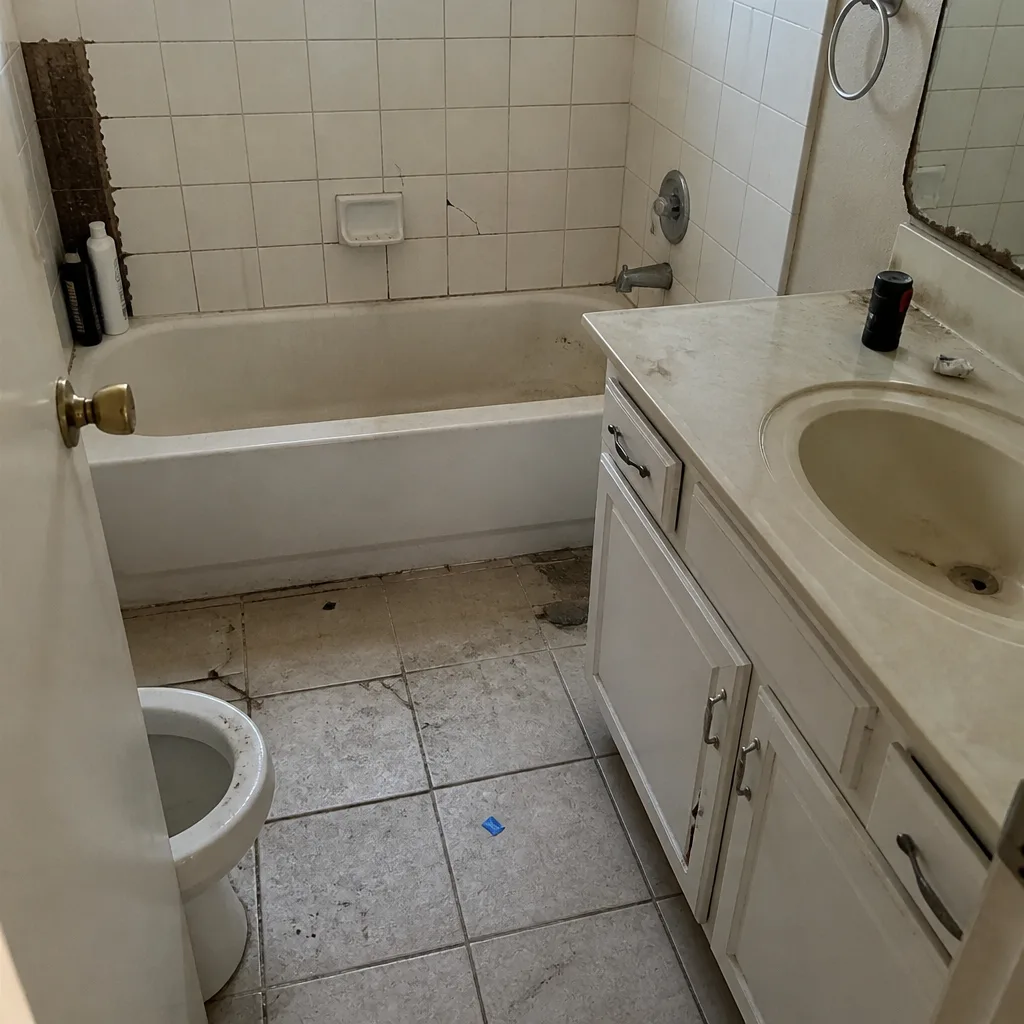
See the difference
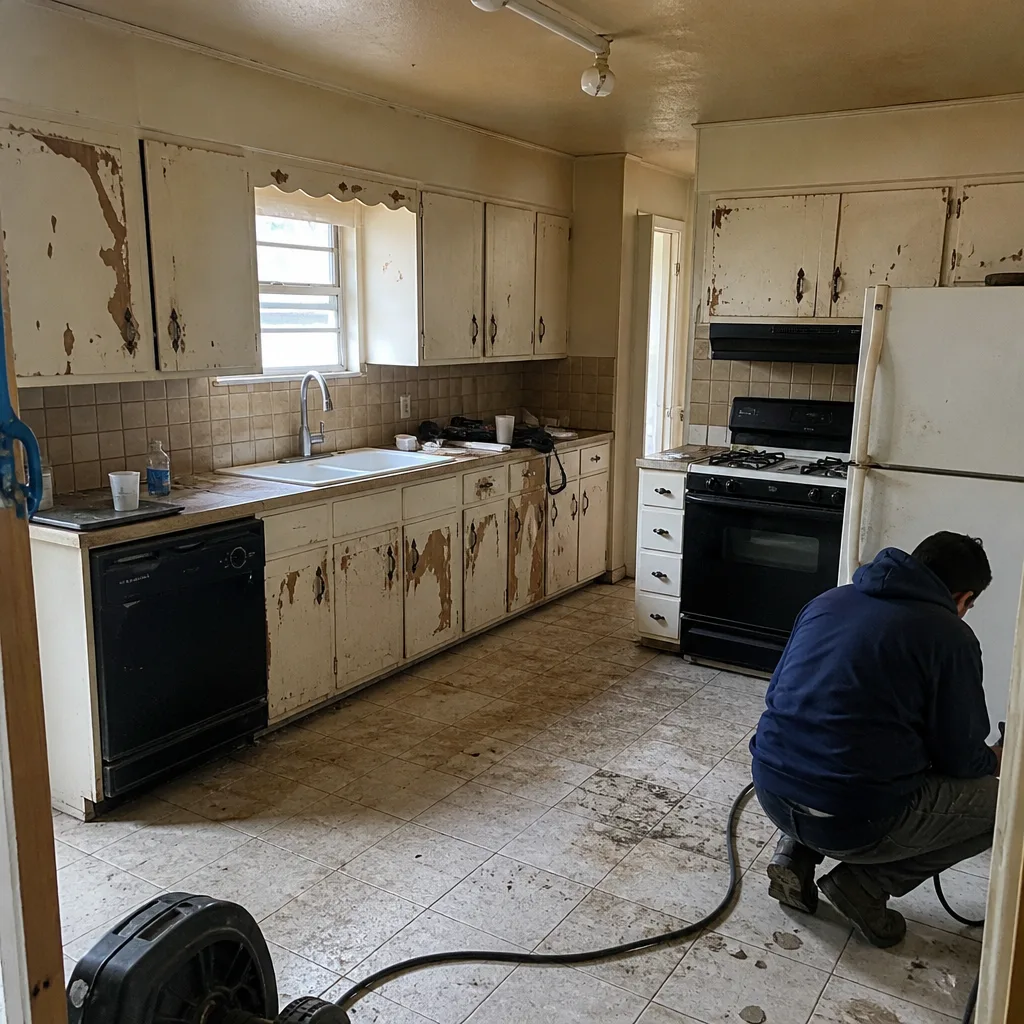 Before
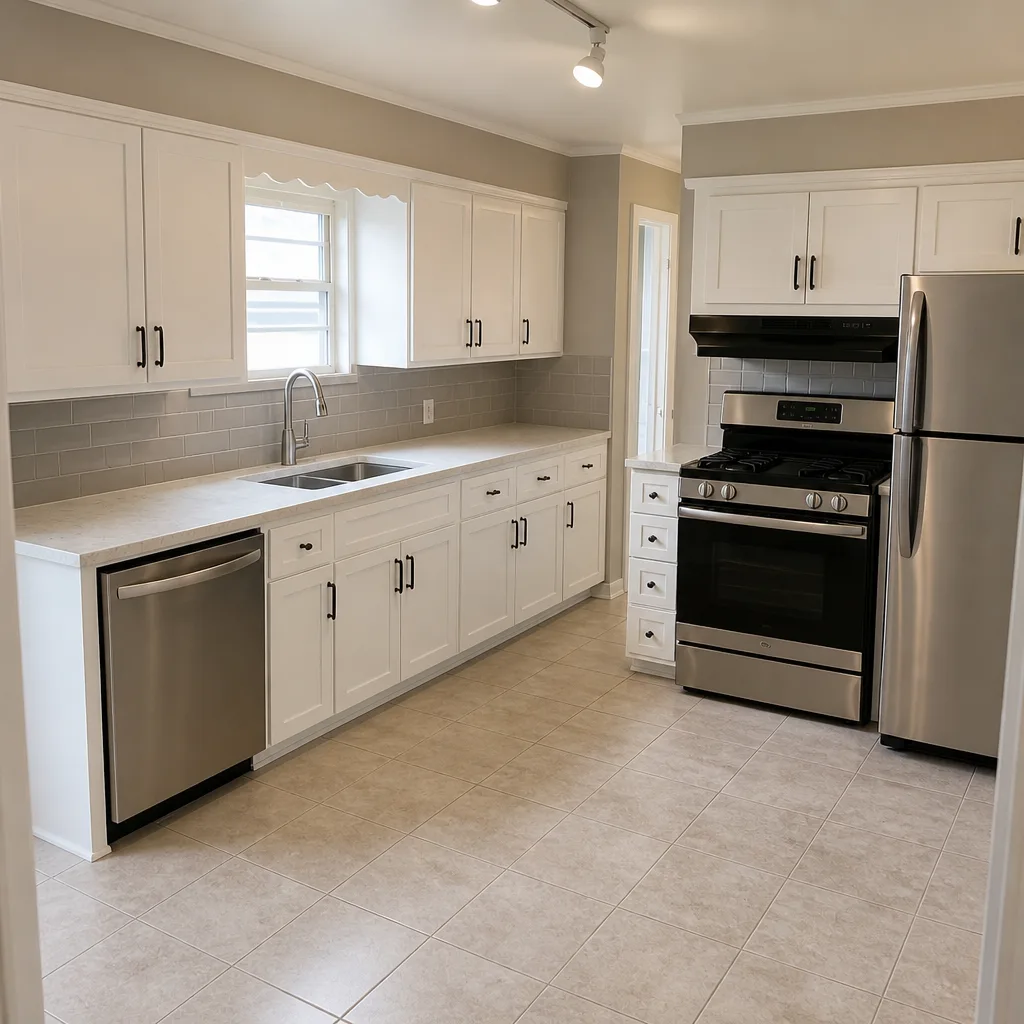 After
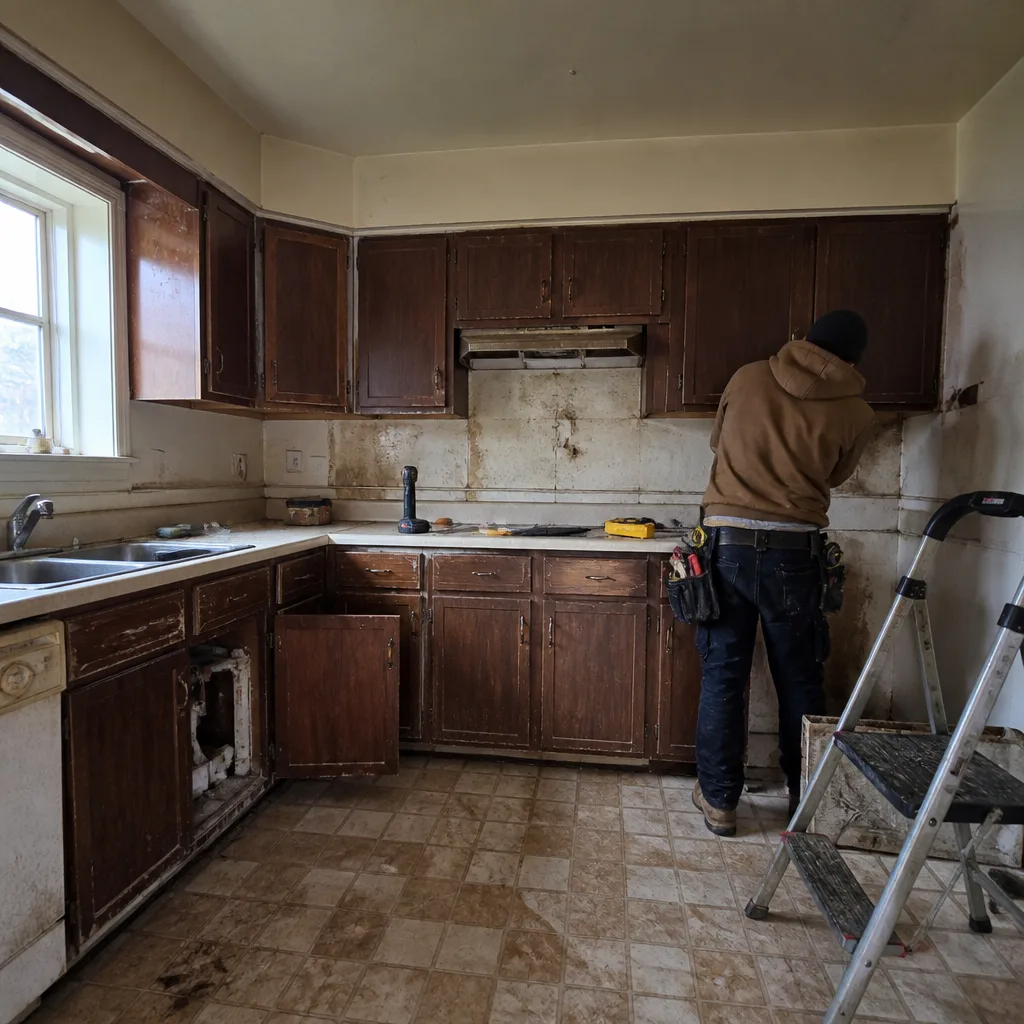 Before
 After
 Before
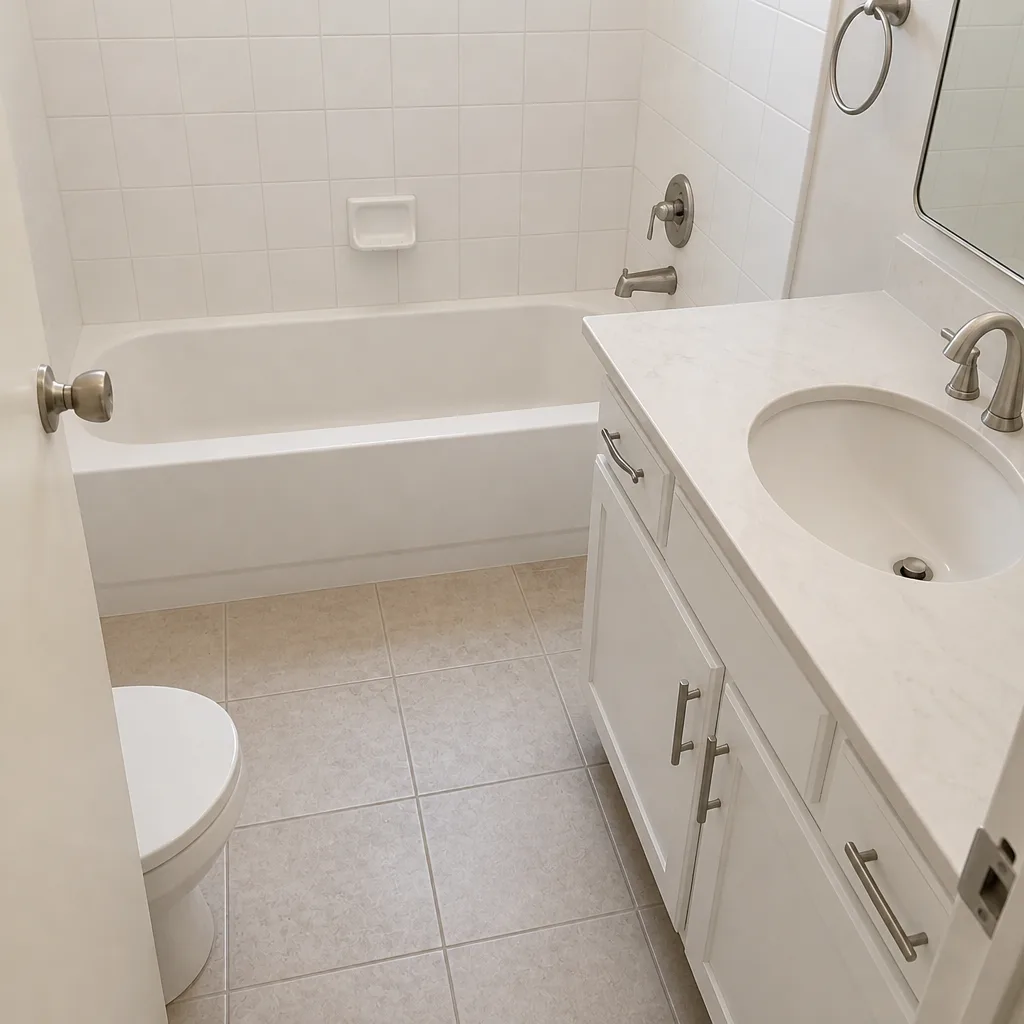 After
When to Call a Professional
Some work on a Grand Prairie home is fine for a homeowner: painting, caulking, swapping a faucet, hanging drywall in a closet. Some work is not. Call a professional for anything involving electrical panel changes, gas line work, plumbing rough-in, structural framing, roof-level work, or anything that requires a permit under Texas code. Those are the areas where a mistake can hurt someone, fail an inspection, or void your homeowner’s insurance. If you’re planning a kitchen, bathroom, or whole-home remodel in Grand Prairie, start the process with a documented estimate rather than a verbal one. Bradford Remodeling Co Grand Prairie offers free estimates in Grand Prairie – call (888) 255-7593 to schedule yours and get a written price in hand before you sign anything.
Frequently Asked Questions
A typical full kitchen remodel in Grand Prairie runs from roughly $28,000 for a mid-range scope with refaced cabinetry up to $85,000 or more for a gut renovation with custom cabinetry and stone surfaces. The single biggest driver is cabinet and surface selection – a KraftMaid or Wellborn cabinet line with a Cambria or Silestone top sits at the upper end, while a refacing scope sits at the lower. The only way to get a number that applies to your home is a written, line-item estimate. Call (888) 255-7593 for an exact quote – estimates are free.
Yes, for most structural, electrical, plumbing, and mechanical work, and for any scope that changes the footprint or adds fixtures. Grand Prairie spans Dallas, Tarrant, and Ellis counties, and the permit authority depends on your address. Ask your contractor for the permit number in writing before work starts, and confirm the inspection schedule with the issuing office. If a contractor tells you a permit isn’t needed for a full kitchen gut, get that in writing before you sign.
It covers workmanship on the completed project for a full year. If the work fails within that window, Bradford returns and corrects it at no charge. The written document states the scope, the claim process, the duration, and the exclusions, so you’re not relying on a verbal summary. That’s a materially different arrangement than “we stand behind our work.” Call (888) 255-7593 and ask for the guarantee language in writing before you sign anything – the estimate is free.
Not on a Bradford job, unless you authorize a change order. The written price is set before work begins and doesn’t move at the door. If something unforeseen turns up – rot behind a wall, a failed subfloor – you’ll see the change order in writing before any additional work is done. Ask every contractor you interview what their change-order process looks like. The answer tells you more than the bid amount.
Ask for the license numbers of the electrician, plumber, and HVAC contractor on your job, then verify them on the TDLR and TSBPE lookup tools. For insurance, request a certificate from each sub and call the carrier to confirm the policy is current. The general contractor should be able to produce all of this before the first sub shows up. If they can’t, the risk of unpermitted, unlicensed work sits with you. Call (888) 255-7593 to ask how Bradford documents its sub roster – the estimate is free.
Most whole-home remodels in Grand Prairie run four to eight months, depending on the number of systems being touched, the permit inspection schedule, and material lead times. Cabinet and stone suppliers like KraftMaid and Cambria carry the longest lead times. Ask each contractor for a written start date and substantial completion date, and ask what their remedy is if they miss it. A schedule without a remedy is a suggestion. Call (888) 255-7593 for an estimate with a schedule attached – no charge.
The Bottom Line

Choosing a remodeling brand in Grand Prairie is a document review, not a popularity contest. The useful comparison is between written prices, written warranties with all five elements intact, written subcontractor coverage, and independently verifiable licensing and permit records. A brand that puts all of that in writing before the deposit clears is telling you what the job will look like after it’s squared away – a clean site, a documented scope, and a signed guarantee in your hand. A brand that won’t is telling you what the argument will look like if something fails. Run the comparison. Read the paperwork. Then decide.
If you’d like to see how that paperwork looks on a Bradford project, our Bradford Remodeling Co Grand Prairie home page is the place to start, and you can call (888) 255-7593 for a free written estimate.
Written by the team at Bradford Remodeling Co Grand Prairie.