Last updated November 18, 2026




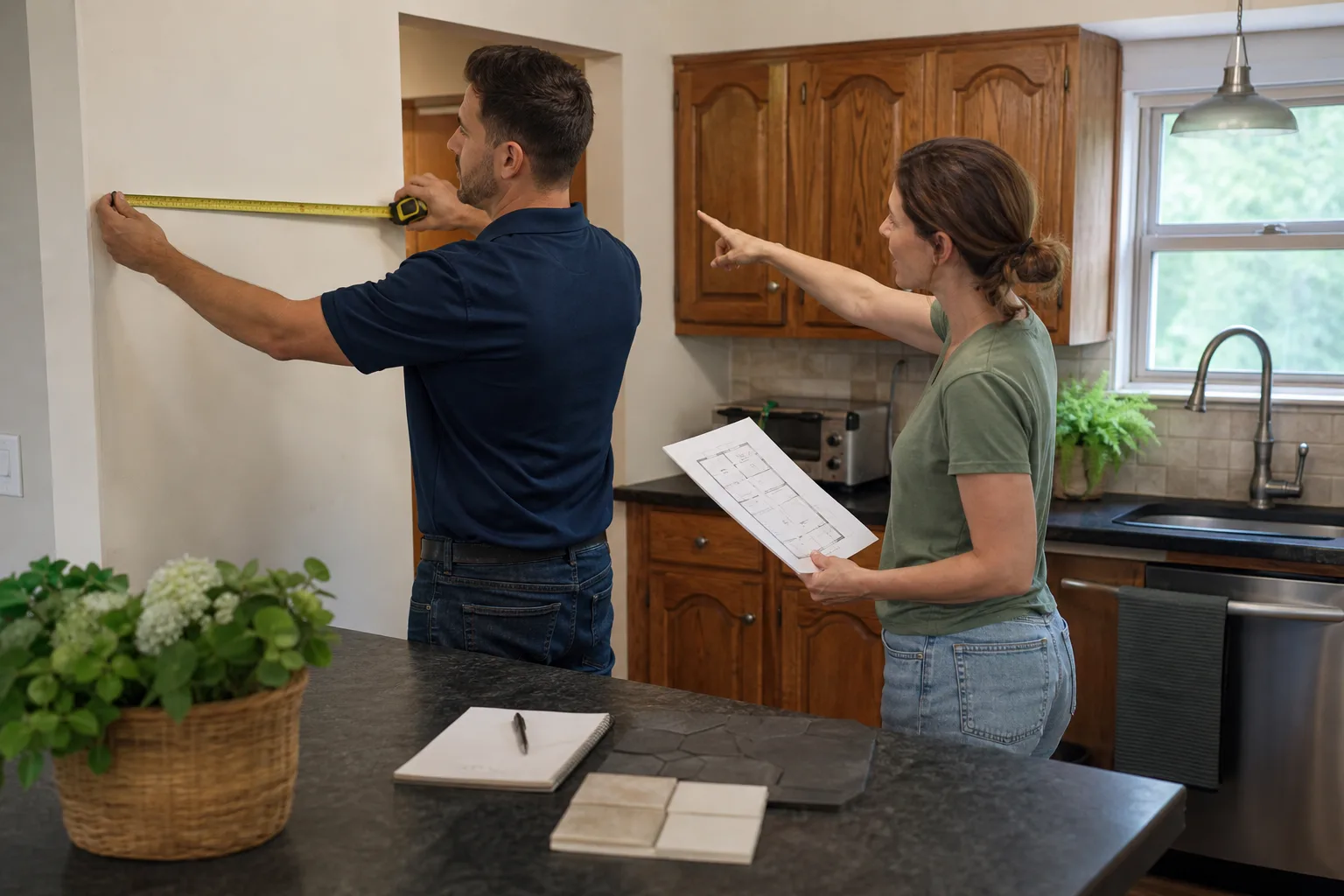
Free written scope consultation - allowances, timeline, and change-order rules on paper before a single trade is scheduled
Seasonal Construction Care for Grand Prairie: Year-Round Homeowner’s Guide
Grand Prairie averages 14 days per year above 100°F and has experienced three significant ice events in the past five years. Those two numbers sit at opposite ends of the thermometer, and they define how a house here actually ages. The standard spring-summer-fall-winter maintenance template was written for places with mild summers and predictable frost. Grand Prairie runs a stress cycle instead: five months of punishing heat, a short ice window that arrives with little warning, and two shoulder seasons where the smart money gets spent.
This guide breaks the year down the way the climate actually behaves, so you can plan construction and maintenance around real conditions rather than a calendar borrowed from somewhere else.
Quick Answer
Seasonal home maintenance in Grand Prairie should follow a stress-cycle calendar: prep the cooling system and exterior caulk in April before continuous summer operation, inspect roofing and flatwork after the September heat breaks, harden pipes and exterior fittings in November before the December-February freeze window, and schedule major remodeling in the two shoulder seasons (March-April and October-November), when material performance, crew availability, and permit throughput line up best.
Styles & brands we work with
- Kitchen remodeling
- Bathroom remodeling
- Home additions & ADU
- Roofing
- Windows & doors
- Driveway & pavers
- Fence
Table of Contents
- Why the Standard Four-Season Model Fails Here
- The April Pre-Heat Checklist
- What the Summer Heat Cycle Does to Your Home
- Ice-Storm Prep Most Homeowners Skip
- The Two Optimal Construction Windows
- Building a Written Maintenance Log
- The Post-Summer Inspection That Pays for Itself
- Common Mistakes to Avoid
Why the Standard Four-Season Model Fails Here
Most published maintenance calendars assume four roughly equal seasons with a gradual warm-up and a gradual cool-down. Grand Prairie doesn’t work that way. The cooling season runs continuously from roughly May through September, and the heating system sits idle until a hard freeze rolls in, usually between December and February.
That pattern creates two distinct problems. First, your HVAC system doesn’t get a gentle ramp-up; it goes from off to running every day for five straight months. Second, your plumbing and exterior fittings spend nine months in warm weather and then face a sudden, deep freeze with almost no acclimation. The materials and systems in a Grand Prairie house experience sharp transitions, not gradual ones.
Thermal expansion is the quiet culprit behind a lot of North Texas repair work. Roofing panels, wood trim, and concrete flatwork expand in the heat and contract when it breaks. Repeated over many cycles, that movement opens seams, cracks caulk joints, and works fasteners loose. The maintenance calendar that works here is the one that addresses those cycles before they turn into failures.
The April Pre-Heat Checklist
April is the last comfortable month before the cooling system takes over. Everything on this list is cheaper to do now than to fix in July.
- Service the HVAC system before the first 95°F day. A tune-up catches refrigerant and capacitor issues while the system is still idle. Waiting until it fails means a repair in the middle of a heat wave, when every HVAC tech in the metro is booked.
- Check attic insulation and ventilation. In our experience, attic insulation is the single most overlooked item in Grand Prairie homes. A hot attic radiates down into living space all summer. If the insulation has settled or the soffit vents are blocked, your cooling bill climbs every month.
- Re-caulk exterior joints. Walk the perimeter and check caulk around windows, doors, and where siding meets trim. Our crews work with James Hardie siding and Therma-Tru doors frequently, and the failure point is almost never the product; it’s the seal around it. Re-caulking in April beats dealing with water intrusion in August.
- Clear the roof and gutters. Spring storms drop debris. Clear gutters so the first big rain doesn’t back up under the roof edge.
- Test the irrigation and exterior shutoffs. Confirm every hose bib and sprinkler zone works now, not when you need it.
This is also the right month to schedule any exterior work you’ve been putting off. More on that in the construction-windows section below.
What the Summer Heat Cycle Does to Your Home
Five months of continuous heat and intense UV do measurable damage to exterior materials. It helps to know what’s happening so you can spot problems early.
Roofing. Asphalt shingles soften in the heat and take on the full UV load. Brands like Tamko and GAF make shingles rated for this climate, but no shingle escapes thermal cycling entirely. Watch for granule loss, curling edges, and lifted tabs after the season ends.
Wood trim and siding. Paint and stain fail faster under North Texas sun than almost anywhere else. Trim that faces west takes the worst of it. Check for peeling and exposed wood before the fall rains.
Concrete flatwork. Driveways, patios, and walkways expand in the heat and crack at control joints. Small cracks are normal; widening cracks or heaving is not. Catch them early and they’re a patch. Ignore them and they become a replacement.
Doors and windows. Wood and composite doors swell and stick in summer heat. A Therma-Tru door installed correctly should still swing clean, but if it’s binding, the frame or hinges need attention.
Ice-Storm Prep Most Homeowners Skip
Here’s the pattern we see: because hard freezes feel rare in Grand Prairie, homeowners skip freeze prep entirely, until the year the pipes burst. Pipe repairs after a freeze event start around $1,800 and climb fast once water is inside walls or under floors. The prep is cheap. The repair isn’t.
- Insulate exposed pipes in the attic, garage, and crawl space. These are the pipes that freeze first because they sit in unconditioned space. Foam sleeves cost a fraction of a repair.
- Know your main water shutoff location. If a pipe bursts, the first thing you do is shut off the water. Find it before you need it. Write down where it is.
- Disconnect hoses and drain exterior bibs. A hose left connected traps water that freezes and splits the pipe behind the wall.
- Seal gaps around exterior penetrations. Cracks around pipes entering the house let cold air straight onto the plumbing.
- Set the thermostat, don’t turn it off. During a freeze, keep the heat running even if you leave. A little heat in the house keeps the whole system above freezing.
The December-February freeze window is short, but it’s the one that generates the biggest single repair bills. Do the prep in November.
The Two Optimal Construction Windows
If you’re planning a remodel or a significant exterior repair, timing matters more in Grand Prairie than in most places. Two windows line up three things that rarely align at once: material performance, crew availability, and permit throughput.
March-April. Temperatures are moderate, which matters for exterior work like roofing, siding, and paint. Adhesives, sealants, and stains all cure within their rated temperature bands. Crews aren’t yet committed to summer emergency calls, and permit offices are processing at normal pace.
October-November. The heat has broken, which means roofing crews can work safely and shingle sealant strips set correctly. Interior work also benefits, because you’re not fighting the AC load or dealing with crews tracking in summer heat. This is our busiest window for kitchen and bathroom projects for exactly this reason.
What about summer and deep winter? They’re not impossible, but they’re harder. Summer pushes crews to early starts, and interior projects can disrupt cooling. Deep winter slows travel and makes exterior work risky. Plan around the shoulders when you can.
Building a Written Maintenance Log
This is the single most useful habit we can suggest, and almost no homeowner keeps one. A maintenance log is a written record of what was done, when, by whom, and what was found. It changes how contractors bid your projects.
- Keep one binder or one shared digital file. Every receipt, service ticket, and inspection report goes in it with a date.
- Note every service call and its findings. If the HVAC tech noted a weak capacitor, write it down. That note is a warning for next summer.
- Record material names and model numbers. Knowing your shingles are a specific Tamko line, or your siding is James Hardie with a specific warranty, means a contractor can price a repair against the actual product rather than guessing.
- Photograph problems when you spot them. A photo of a hairline crack in April shows a contractor whether it grew by October.
- Log past repairs by address and date. When a contractor sees the repair history, they can give a fixed bid instead of an exploratory estimate that has room to grow.
A documented log is what makes a written, fixed price possible. Without it, any honest contractor has to price uncertainty in.
The Post-Summer Inspection That Pays for Itself
Once the heat breaks in late September, walk the house with a notepad. The list is short, but each item catches failures while they’re still small.
- Inspect the roof from the ground for lifted, curled, or missing shingles and granule loss. Have a roofer check anything you can’t see safely.
- Check exterior caulk and paint on the west- and south-facing walls, where UV load is highest.
- Walk the driveway and patio for new cracks or widened joints.
- Look for water stains on ceilings and along exterior walls.
- Check that doors and windows open cleanly once the heat subsides; binding now means a frame issue.
September is also a good month to schedule any work you’ve identified before the shoulder season fills.
Common Mistakes to Avoid
- Treating a mild winter as proof that freeze prep is unnecessary. The freeze window is short, but it’s the one that generates the biggest repair bills. Prep every November.
- Waiting for the AC to fail in July before servicing it. Spring service is cheap; an emergency repair during a heat wave is not, and every tech in the metro is booked.
- Scheduling exterior projects in the dead of summer. Crews can work, but materials and safety margins suffer. Use the shoulders.
- Ignoring small concrete cracks. North Texas thermal cycling widens them faster than most homeowners expect.
- Skipping the maintenance log. Without a written history, contractors price uncertainty, and you pay for it.
- Assuming caulk and paint are cosmetic. They’re the first line of defense against water intrusion. When they fail, the repair is inside the wall.
- Skipping the September inspection. The post-summer walk is the cheapest hour you’ll spend all year.
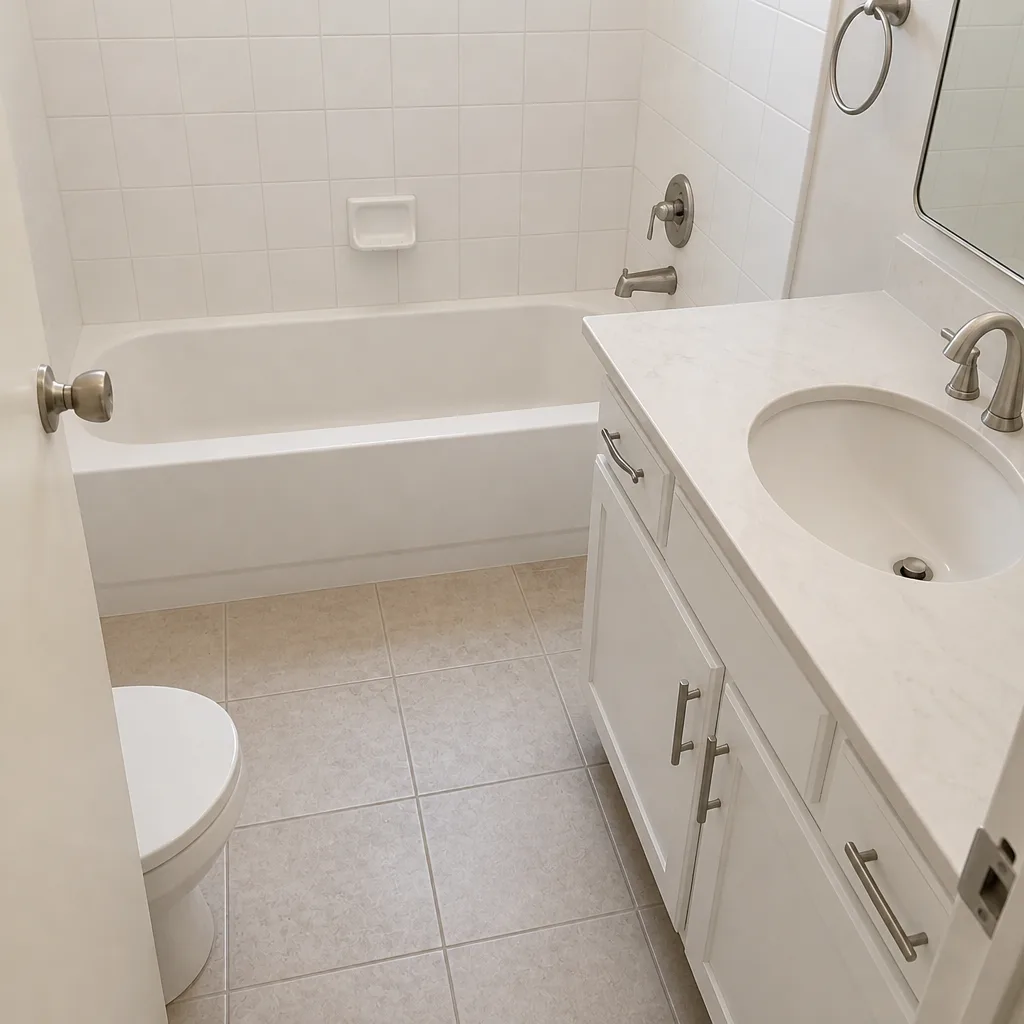
See the difference
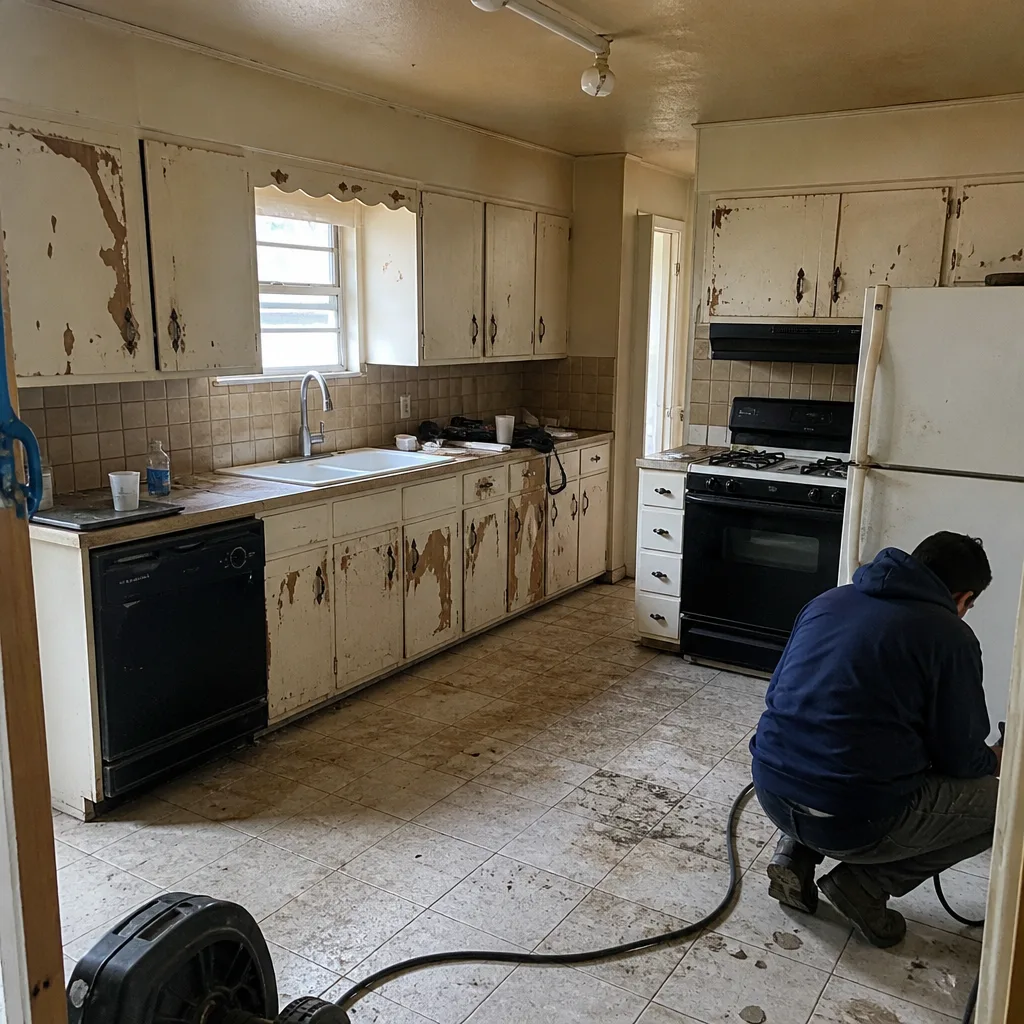 Before
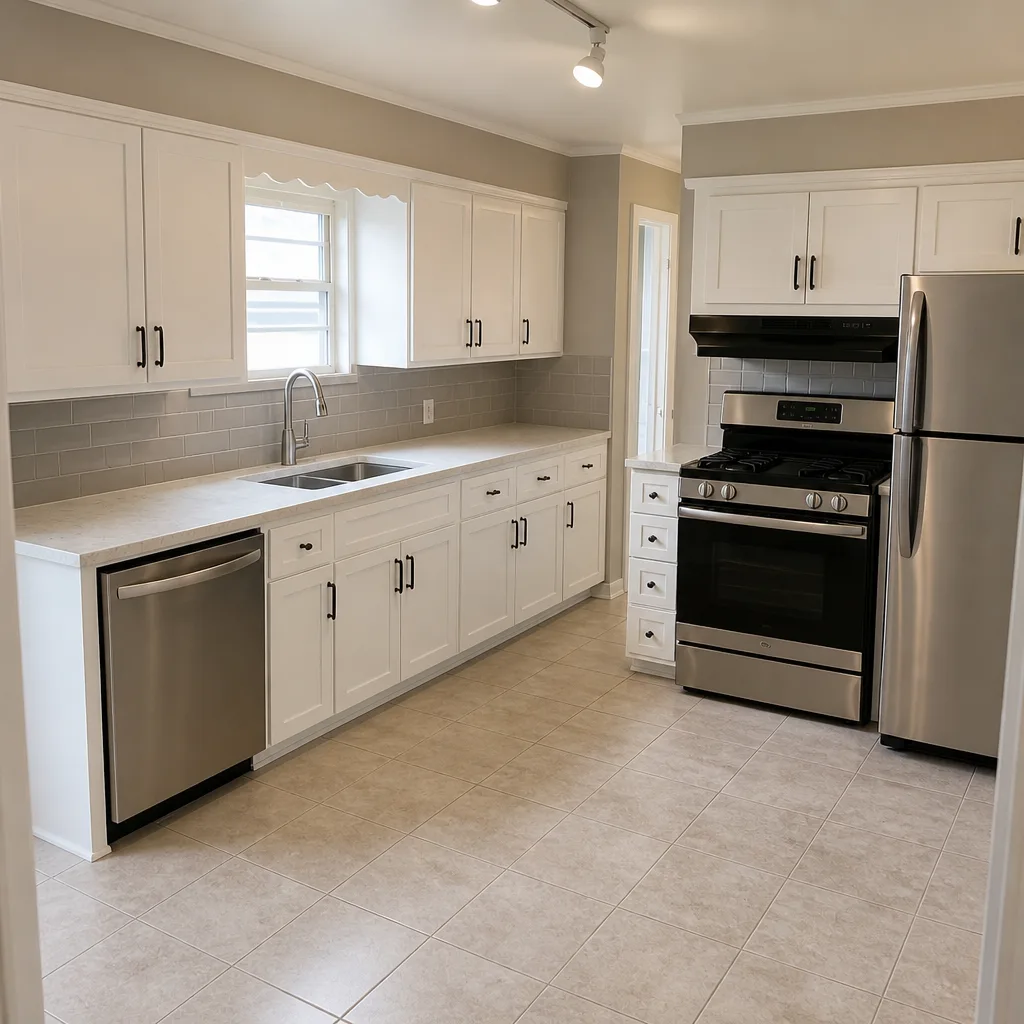 After
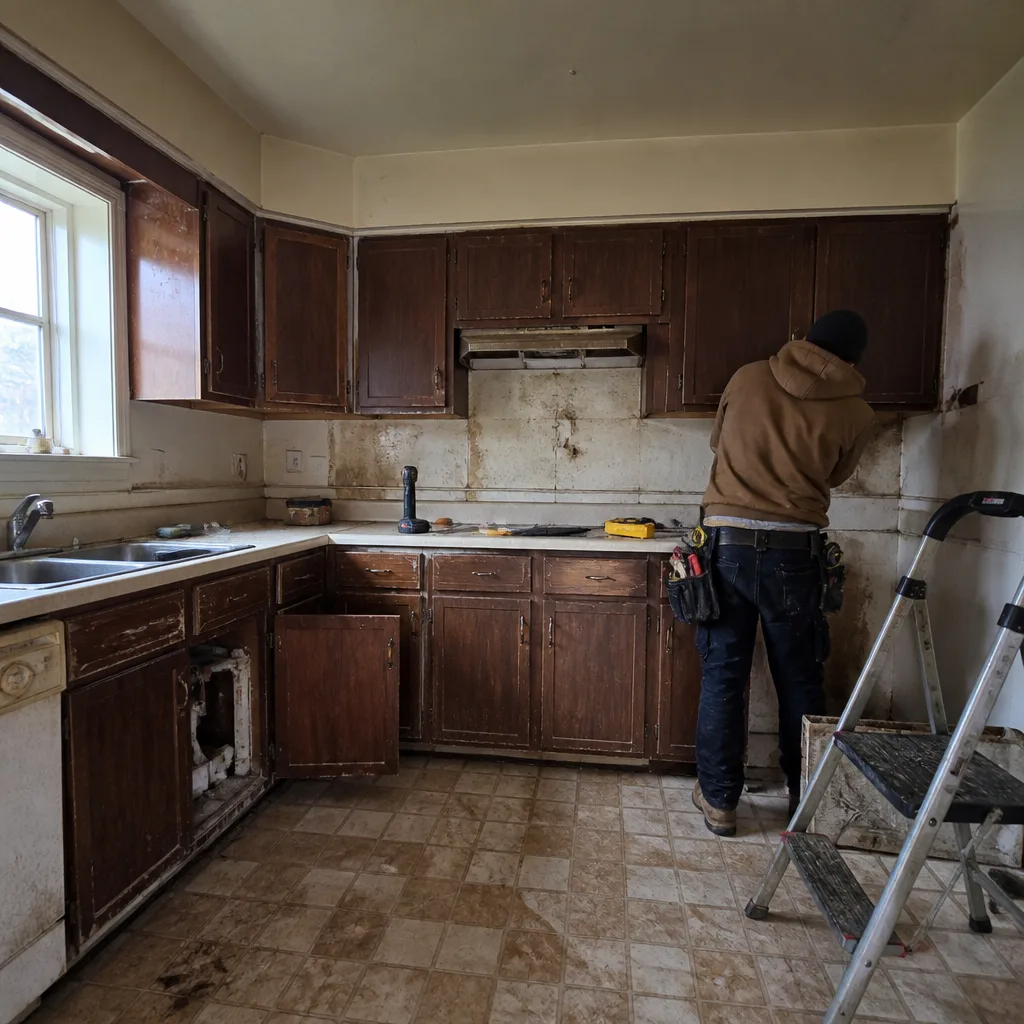 Before
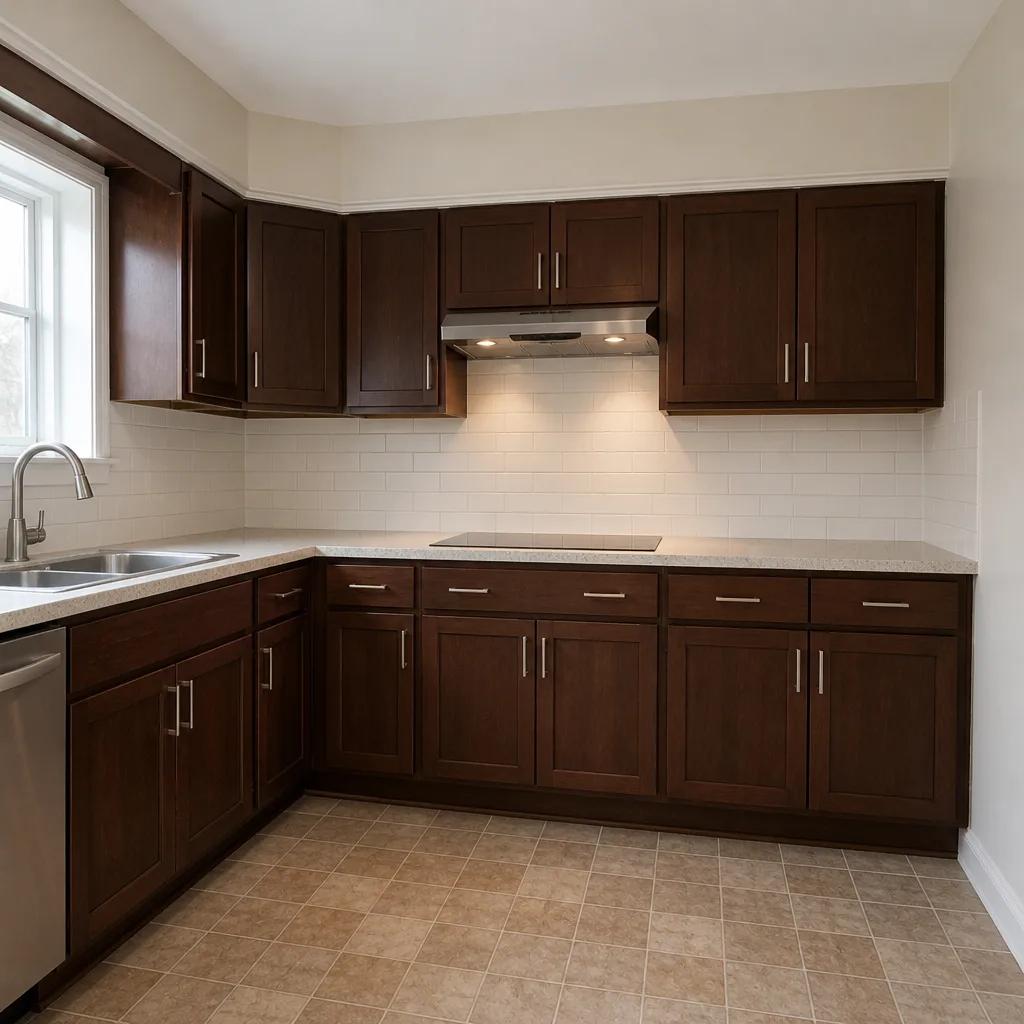 After
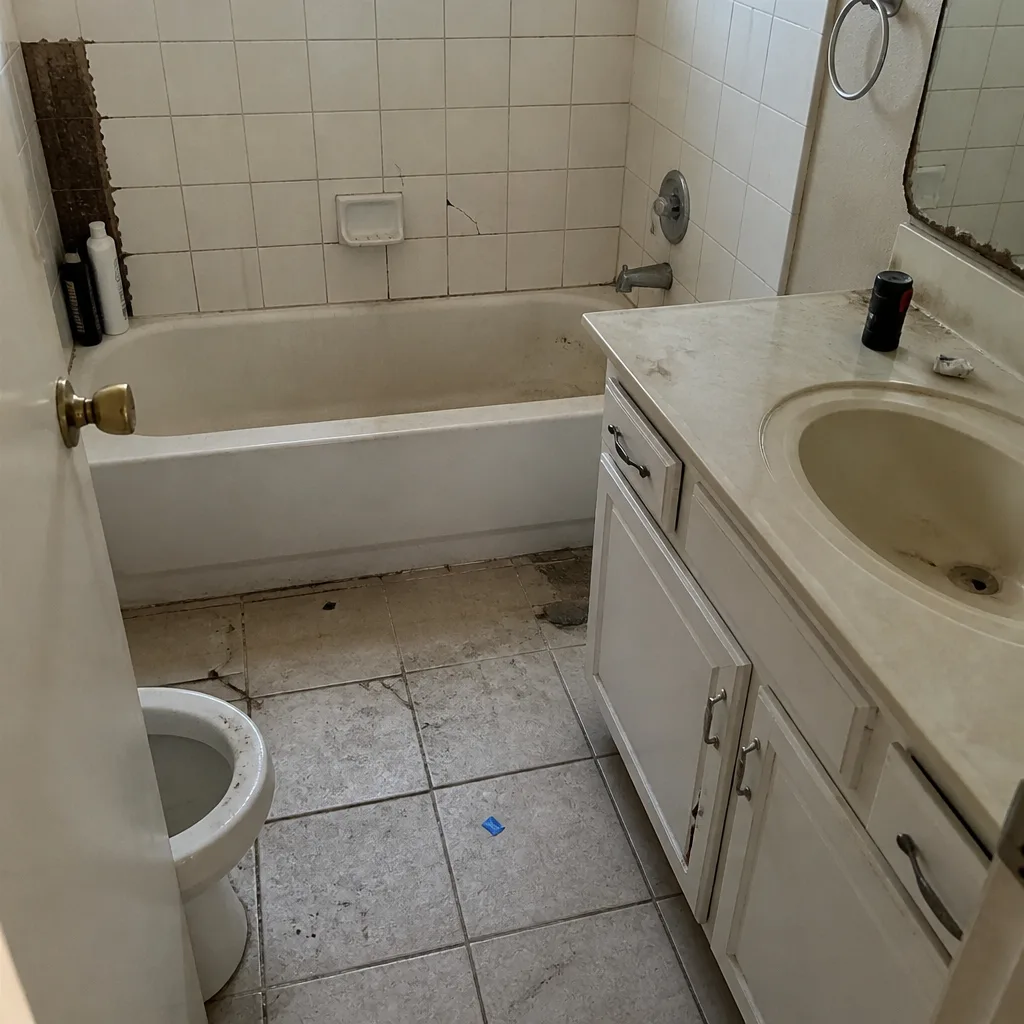 Before
 After
When to Call a Professional

Some of this work you can do yourself: clearing gutters, checking caulk, keeping the log. Others are not worth the risk. Roof work involves heights and shingle systems where a bad repair fails quietly. Electrical and HVAC work carry real danger and need licensed hands. Anything involving your home’s structure or a failed component near water or power should go to a trained professional.
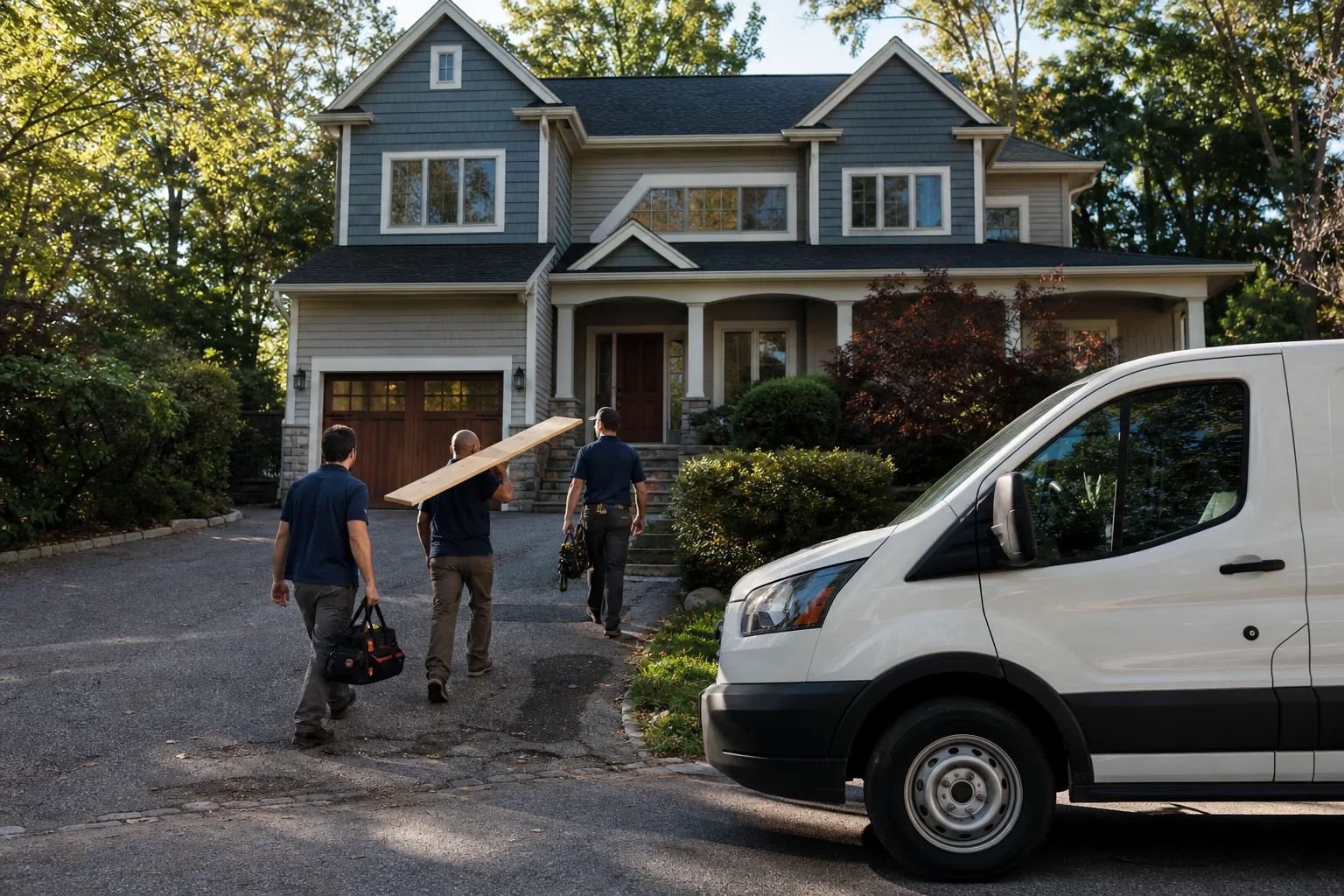
For bigger projects, the timing and the written price matter as much as the trade. This is where a disciplined contractor earns their keep, and where the difference between a fixed bid and an open-ended estimate shows up at the end. Bradford Remodeling Co offers free estimates in Grand Prairie – call (888) 255-7593. If you’re weighing a larger project, our team can walk you through general contracting services and what a written scope actually covers.
Frequently Asked Questions
Re-caulking exterior joints and servicing the HVAC system in April, before the five-month cooling season starts. Those two tasks prevent the most expensive summer failures. Call (888) 255-7593 for a free estimate if you want a pro to walk the exterior.
March-April or October-November are the best windows, because mild temperatures, crew availability, and permit throughput line up. Summer and deep winter are workable but harder on crews and materials. Our kitchen remodeling in Grand Prairie and bathroom remodeling in Grand Prairie teams book the shoulders first.
Freezes are infrequent but real, and they arrive in a short December-February window. Prepare every November. Pipe repairs from a burst start around $1,800, and the prep costs a fraction of that.
It lets a contractor price a fixed bid from documented history instead of an exploratory estimate. Without it, any honest contractor has to price uncertainty in. Keep receipts, material names, and photos in one place.
It can, but shingle sealant strips and exterior caulk behave better in moderate temperatures. We schedule exterior projects in the March-April and October-November windows whenever possible.
Ask for a written guarantee before work starts. At Bradford Remodeling Co, every completed project carries our 365-Day Done Right Promise: if the work fails within a year, we return and correct it at no charge. Call (888) 255-7593 for a free estimate – the price and the guarantee are both in writing before any work begins.
The Bottom Line
Grand Prairie doesn’t run a four-season calendar. It runs a stress cycle: five brutal summer months, a short but expensive freeze window, and two shoulder seasons where the smart money gets spent. Build your maintenance around those cycles and you stop chasing emergencies. Prep the system in April, inspect after September, harden the pipes in November, and schedule big projects in the shoulders. Keep a written log, and you’ll get fixed bids instead of open-ended estimates. For a whole-home project or a complete maintenance walk-through, Bradford Remodeling Co Grand Prairie is here to give you a number in writing. Explore our full service list and call (888) 255-7593 for a free estimate.
Written by the team at Bradford Remodeling Co Grand Prairie.