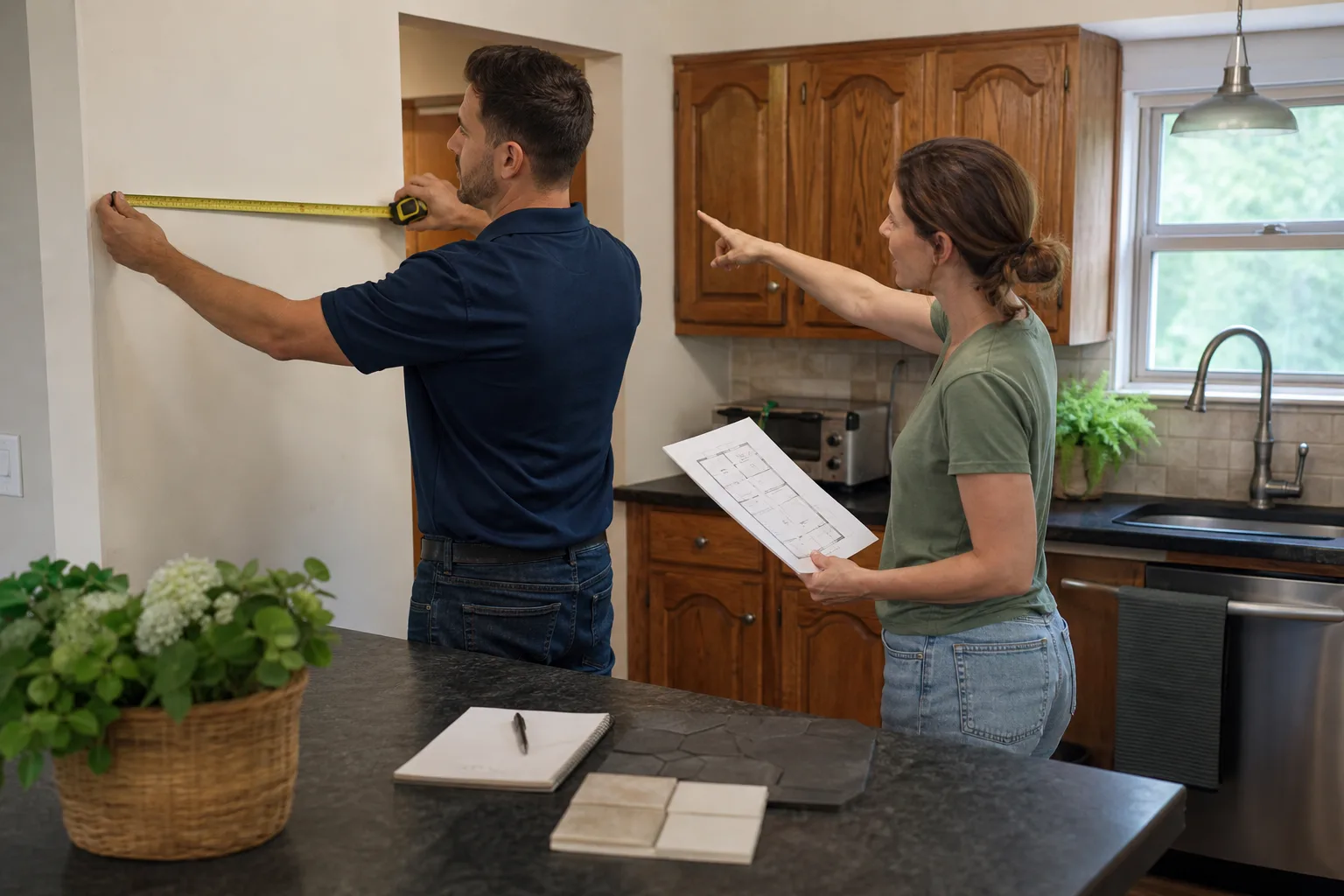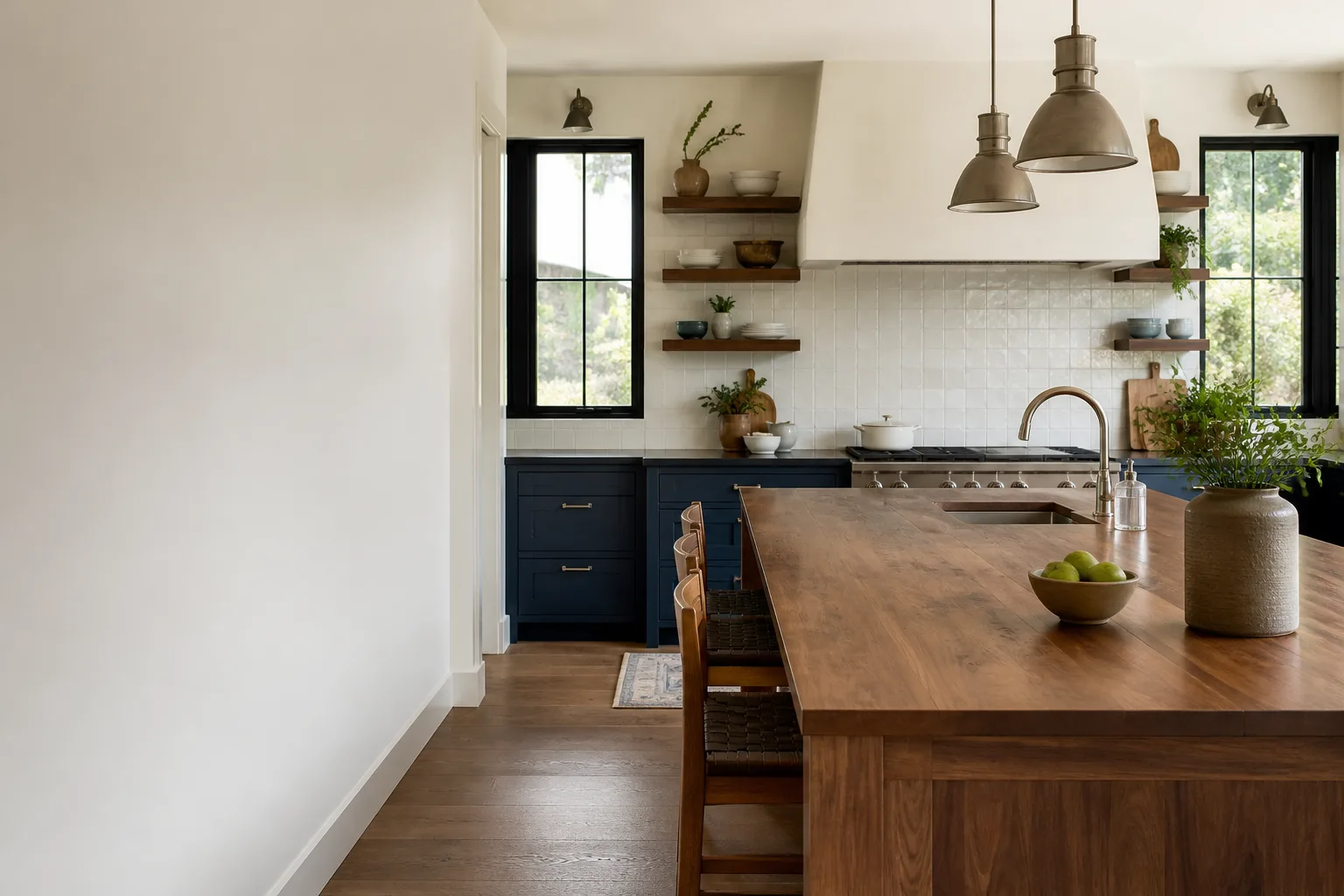
Free written scope consultation - allowances, timeline, and change-order rules on paper before a single trade is scheduled
Styles & brands we work with
- Kitchen remodeling
- Bathroom remodeling
- Home additions & ADU
- Roofing
- Windows & doors
- Driveway & pavers
- Fence
See the difference
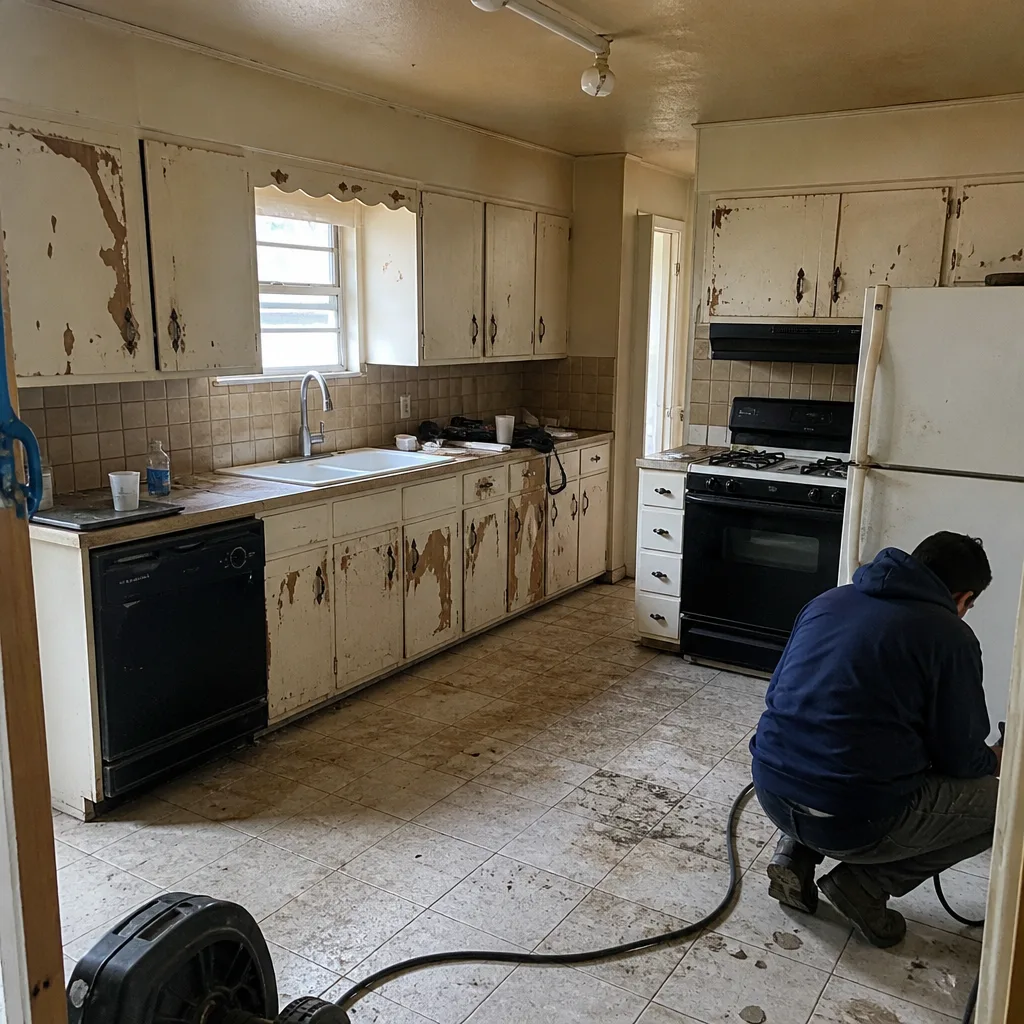 Before
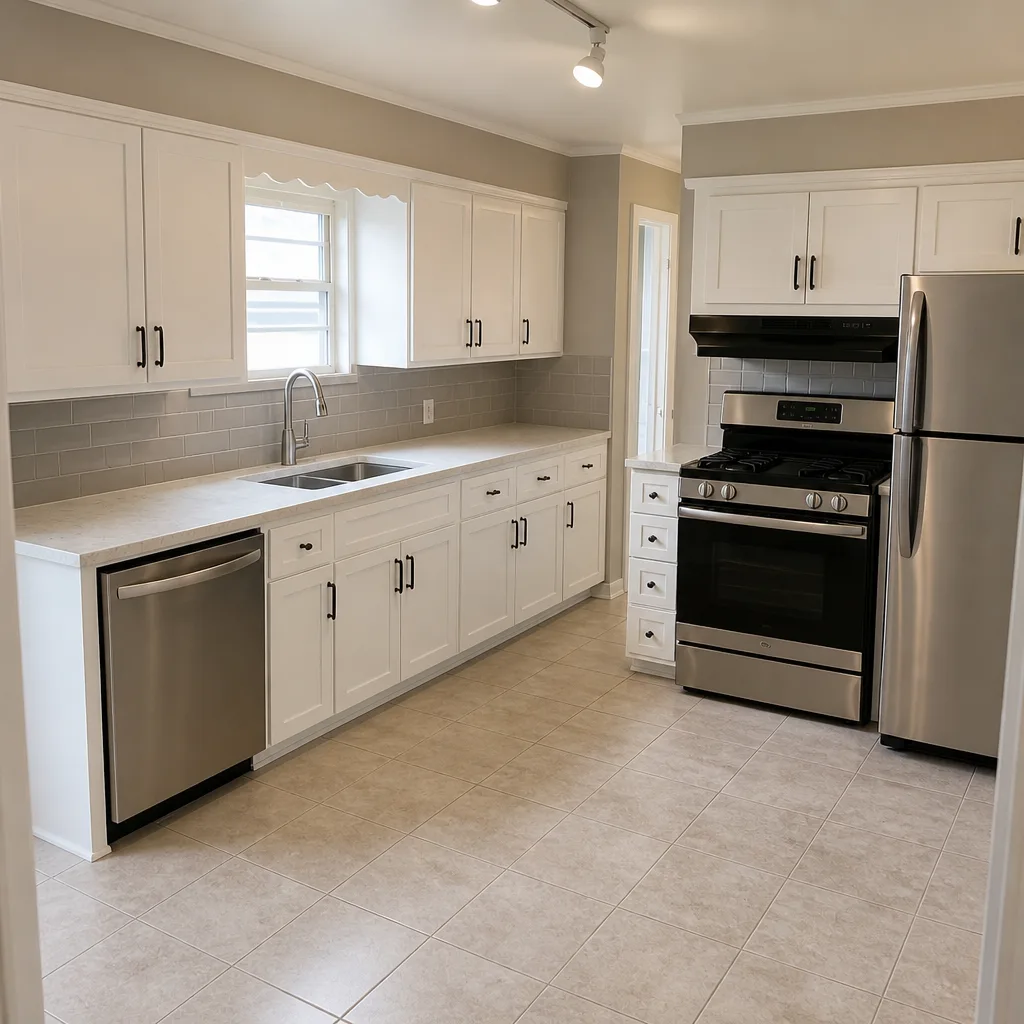 After
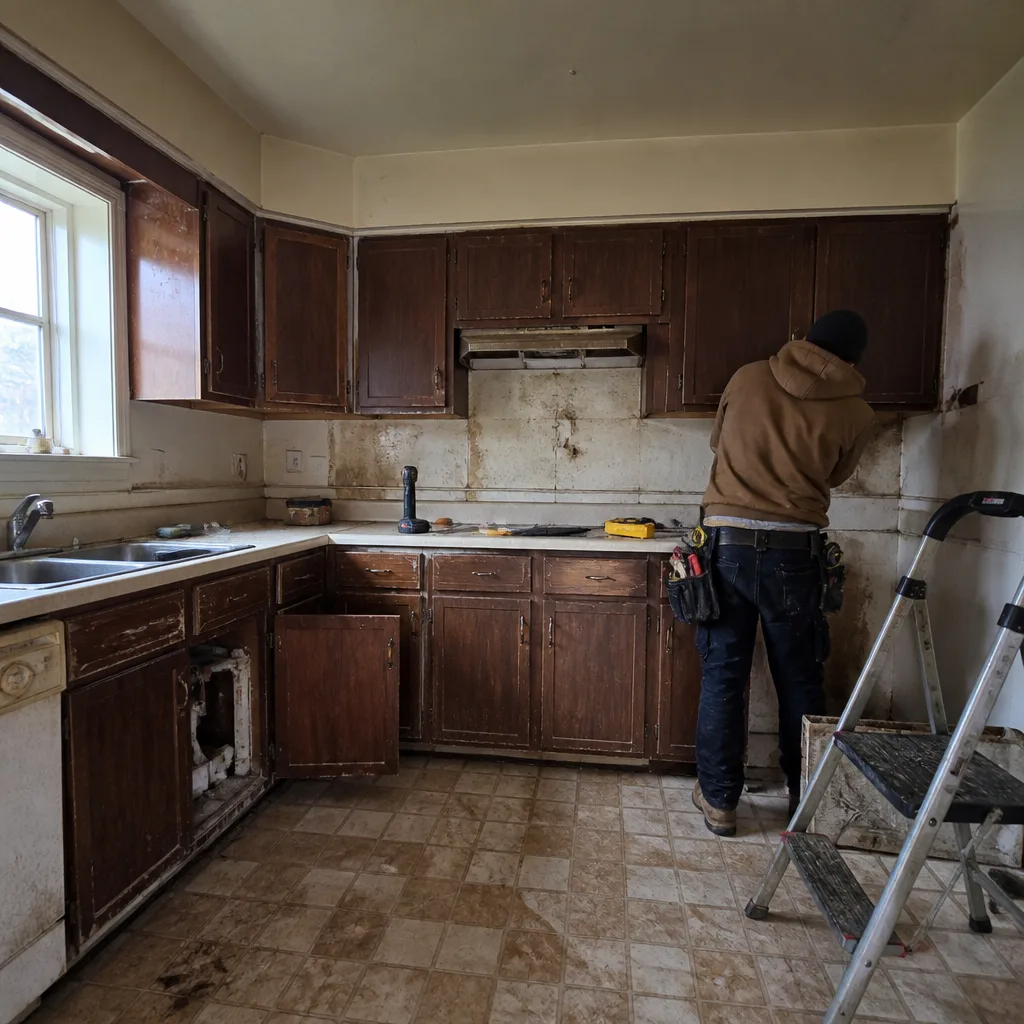 Before
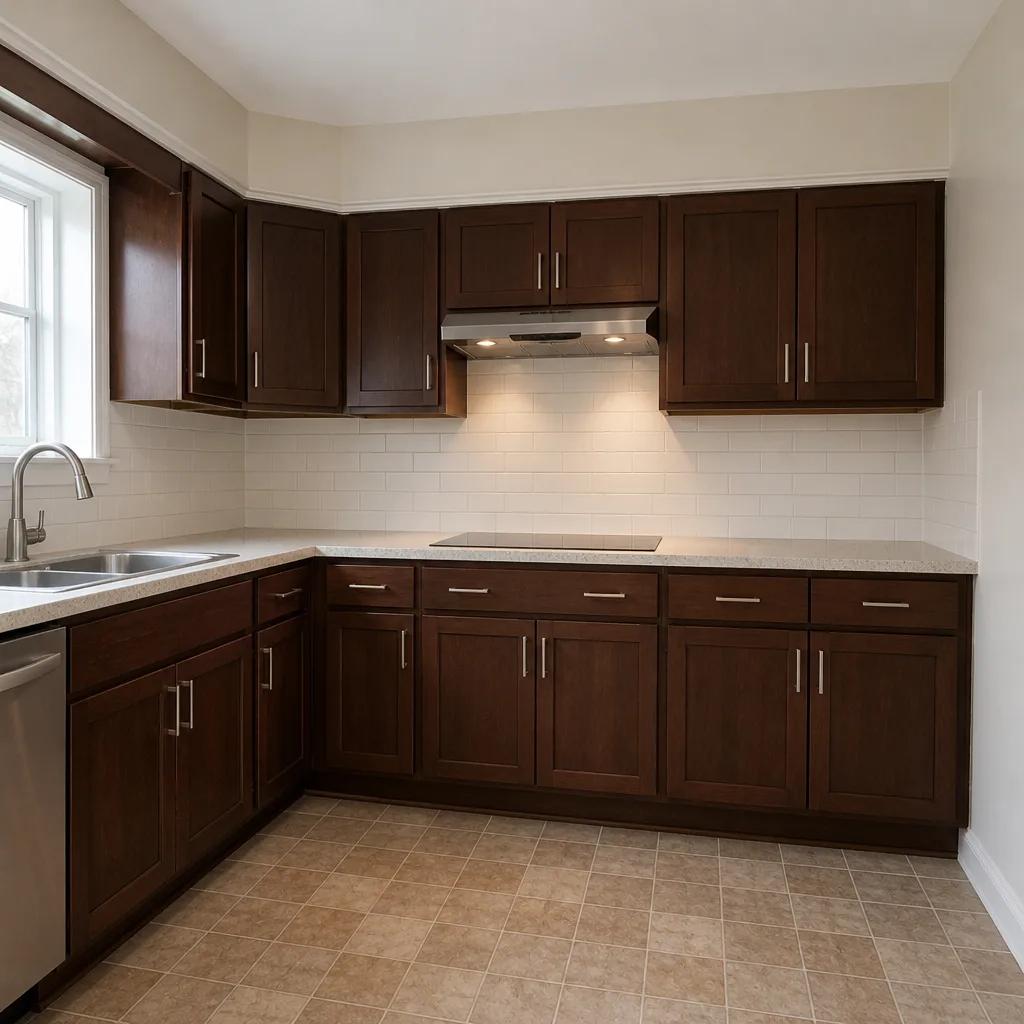 After
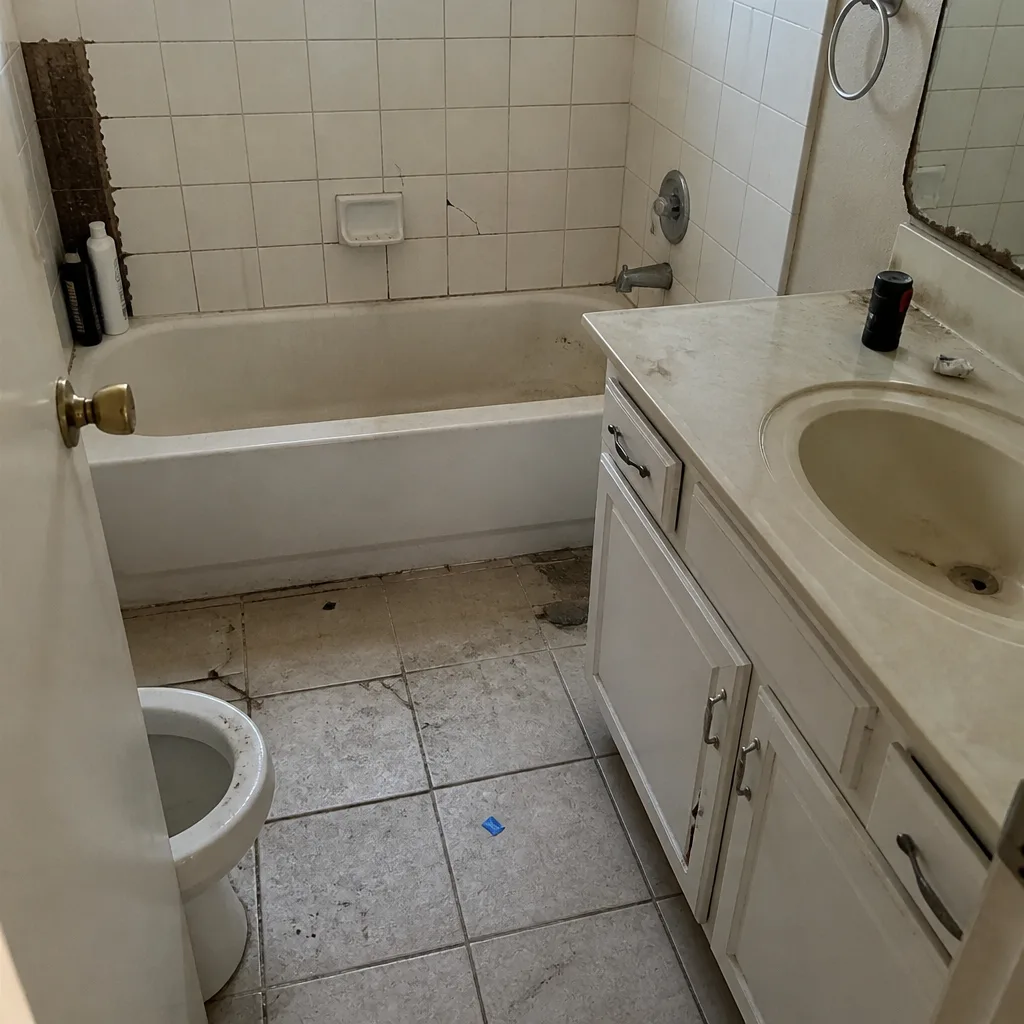 Before
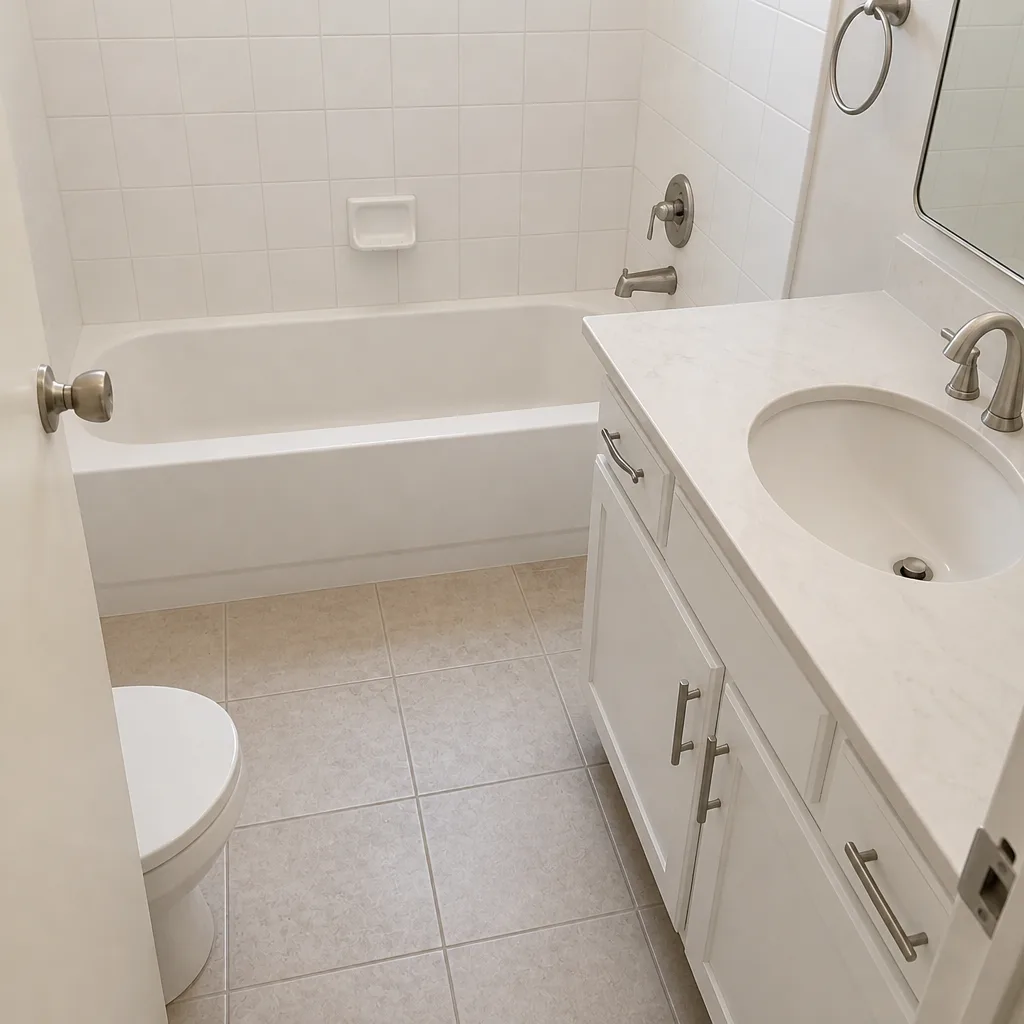 After
Tile vs Vinyl Plank Kitchen Flooring in Grand Prairie, TX: Choose Tile Unless Your Slab Can’t Take It
For most Grand Prairie kitchens with a conventional slab, we recommend porcelain tile – but only with a crack-isolation membrane and a properly leveled substrate underneath. If your home sits on one of the post-tension slabs common in the 2000s-era Joe Pool Lake subdivisions, or your slab already shows movement, luxury vinyl plank on a floating install is the safer call. The material doesn’t decide this in Grand Prairie. The ground under it does. Call (888) 255-7593 for a written price before anything gets specified.
Why the Blackland Clay Under Grand Prairie Kitchens Changes the Answer
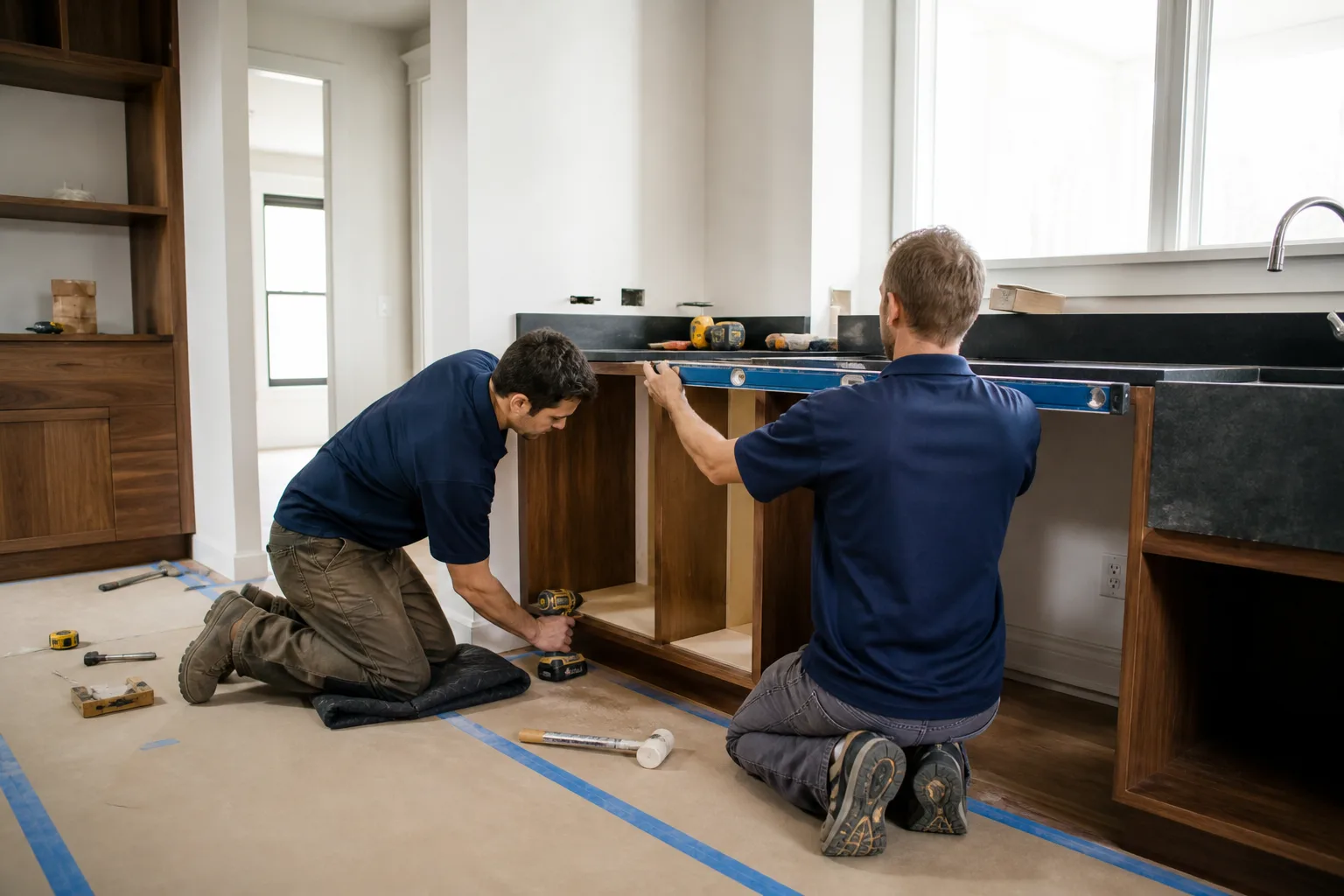
Grand Prairie slabs sit on Blackland Prairie clay that swells through the wet spring and shrinks by a quarter-inch or more by late August. That cycle repeats every year, and it doesn’t stop because a kitchen floor is on top of it. Ceramic and porcelain tile bond rigidly to whatever substrate they’re set on. When the slab flexes, the tile can’t move with it, so the grout joint takes the stress. We regularly see grout crack in Grand Prairie kitchens within the first two summers after a tile install, often along the long runs where the movement concentrates.
Quality LVP on a floating install behaves differently. The planks lock together and float over the subfloor instead of being glued down, so seasonal movement gets absorbed rather than telegraphed through the surface. That’s the whole trade-off in one sentence: tile is the better finish, LVP is the more forgiving assembly. Bradford Remodeling Co Grand Prairie builds the substrate prep into the written scope so you know which assembly your kitchen is actually getting.
Post-Tension Slabs: The Rule Most Flooring Guides Skip
Plenty of Grand Prairie homes built from the 2000s onward toward Joe Pool Lake and the SH-161/I-20 growth corridor sit on post-tension slabs. Those slabs carry tensioned cables under the concrete, and you can’t core or cut them for an in-floor heat mat, a floor drain, or a relocated plumbing line without an engineer’s sign-off first. That single constraint eliminates some tile-with-radiant-heat setups that install cleanly in cities where post-tension is rare. Cutting a live cable is expensive at best and dangerous at worst, so it isn’t a step any homeowner should attempt or any crew should improvise.
This is the kind of thing that separates a real scope from a guess. Before we specify a material, we confirm what kind of slab is under the kitchen. If it’s post-tension and the layout calls for a cut, the engineer comes first and the material decision follows.
What to Look For Before You Choose Tile or LVP
Walk through these in order, because each one can override the one before it:
- Slab type. Conventional or post-tension? Post-tension limits what can be cut, cored, or heated.
- Moisture vapor transmission. Homes along the Marshall and East Main corridors with 1950s-60s concrete pours can push enough vapor through the original slab to delaminate a glue-down LVP. A moisture test before material selection is a standard step for us, and one most installers skip entirely.
- Existing movement. Hairline slab cracks are normal on Blackland clay. Active displacement is a different conversation and gets addressed before any floor goes down.
- Heat exposure. A Texas kitchen hits 100°F-plus in summer and tile handles that better than vinyl long-term.
- Resale optics. Tile still reads as the premium finish to most buyers, and that’s worth weighing against the flex tolerance you give up.
How the Two Materials Compare Side by Side
| Factor | Porcelain / Ceramic Tile | Luxury Vinyl Plank (floating) |
|---|---|---|
| Behavior on moving clay | Cracks at grout joints without isolation membrane | Absorbs flex without surface failure |
| Required underlayment | Leveling plus crack-isolation membrane (e.g. Schluter Ditra) | Level subfloor and vapor barrier as needed |
| Heat resistance | Excellent for 100°F+ kitchens | Good, with manufacturer temperature limits |
| Resale perception | Premium, expected in updated kitchens | Practical, reads as budget in some price bands |
| Moisture risk | Low | Glue-down fails on high-vapor 1950s-60s slabs |
The crack-isolation membrane is the line item budget crews cut, and it’s the one that keeps tile from cracking. Leaving it out saves money today and costs you a re-grout in two summers. Including it narrows the gap between a tile floor and an LVP floor more than most homeowners expect, which is why the “tile is expensive” rule of thumb doesn’t hold up in Grand Prairie once the substrate work is honestly priced.
What Floors Cost Inside a Grand Prairie Kitchen Remodel
Flooring never lands on its own invoice in a real kitchen project, so here’s how it sits inside the full scope. A full Kitchen Remodeling project in Grand Prairie runs $14,000-$45,000, and flooring plus substrate prep is one line in that number:
| Scope | Grand Prairie Price Range |
|---|---|
| Full kitchen remodel (flooring included) | $14,000-$45,000 |
| Small kitchen remodel | $9,000-$20,000 |
| Cabinet installation | $4,000-$13,000 |
| Countertop installation | $2,000-$6,500 |
| Backsplash installation | $800-$2,500 |
| Kitchen island installation | $3,000-$10,000 |
Notice what’s not there: a surprise “we found a problem under the old floor” surcharge at demo day. Bradford Remodeling Co Grand Prairie writes the substrate-prep scope into the upfront written price, so the number you sign is the number you pay. We work from a documented materials roster – KraftMaid and Wellborn cabinetry, Cambria and Caesarstone surfaces, Kohler and Moen fixtures – and specify LVP and tile from brands with manufacturer specs behind them, so every specification is traceable instead of left to guesswork.
Where the Local Market Shapes the Decision
Grand Prairie’s housing stock shifts block by block, and that matters for flooring. Older postwar homes near the original core and the Marshall/East Main corridors need a moisture test before anything is specified. The 1970s-90s brick ranch subdivisions mid-city usually have conventional slabs and straightforward subfloor conditions. The newer lake-adjacent builds toward Joe Pool Lake often sit on post-tension slabs that even recent construction shows settlement cracking in, thanks to clay that keeps moving. A kitchen remodel in each of those three homes can land on a different flooring answer, and that’s the part a generic comparison chart can’t tell you.
Our technicians have up to 22 years of experience reading these conditions, and every project closes squared away: clean site, documented scope, and the signed 365-Day Done Right Promise in your hand. If the floor or any part of the work fails inside that year, we come back and correct it at no charge.
Frequently Asked Questions
Porcelain tile is better for most Grand Prairie kitchens, provided the slab is level and a crack-isolation membrane goes down first – without that membrane, the Blackland clay movement will crack the grout within a few summers. Choose floating LVP if your home has a post-tension slab, high moisture vapor, or a slab already showing movement. Call (888) 255-7593 and we’ll tell you which one your slab supports before you spend a dollar.
Flooring is folded into the full remodel scope, which runs $14,000-$45,000 for a kitchen in Grand Prairie, with a small kitchen remodel at $9,000-$20,000. Substrate leveling and the crack-isolation membrane are the line items that move the tile number, and we write them in upfront. Call (888) 255-7593 for an exact written quote – estimates are free.
Yes, tile installs on most post-tension slabs, but you cannot core or cut the slab for in-floor heat, drains, or relocated plumbing without an engineer’s sign-off first. That rules out some radiant-heat tile setups. Call (888) 255-7593 and we’ll confirm your slab type before material selection.
Tile can crack on Grand Prairie’s clay if it’s bonded directly to a moving slab without a crack-isolation membrane, and we see it most often within the first two summers. With proper leveling and a membrane like Schluter Ditra, the assembly tolerates the seasonal movement. Call (888) 255-7593 to have your substrate assessed.
Let’s Get the Floor Decision Right the First Time
If you’d rather have it looked at than guess, Bradford Remodeling Co Grand Prairie offers a no-pressure assessment in Grand Prairie. We’ll identify your slab type, test for moisture where needed, and put a written price in front of you before any tool comes out – backed by the 365-Day Done Right Promise. Call (888) 255-7593 for a free estimate.
Written by the team at Bradford Remodeling Co Grand Prairie, serving Grand Prairie, TX.